South Korea · Gyeonggi-do
Where to Stay in Osan, Gyeonggi-do
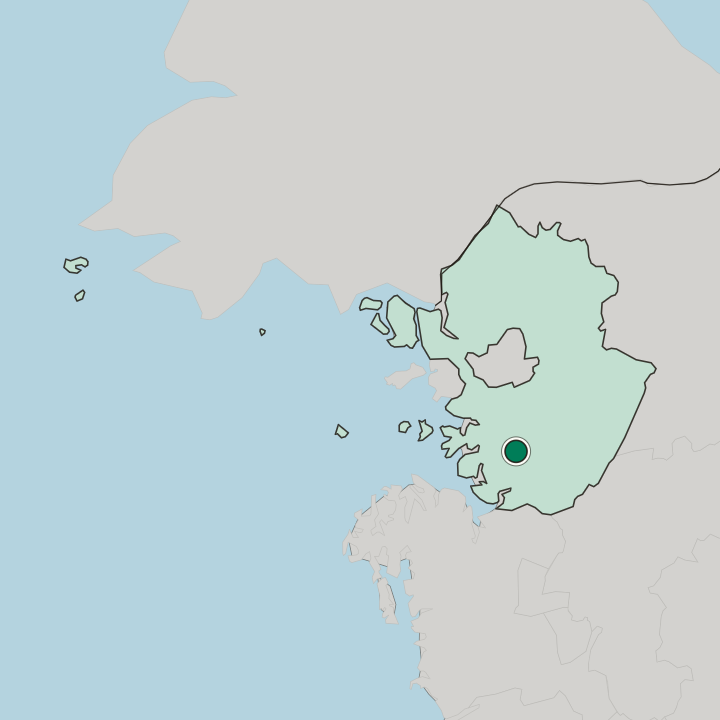
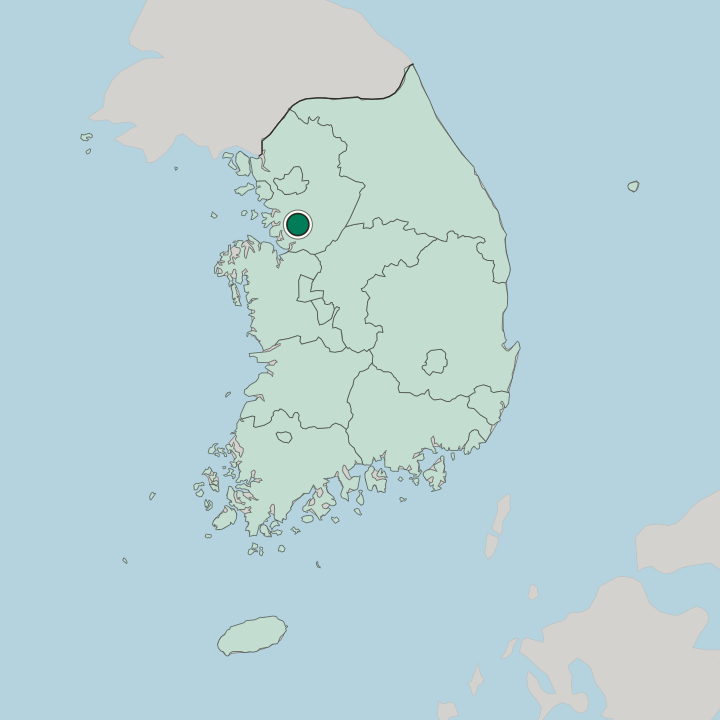
Osan is a city of Gyeonggi Province, South Korea, about 35 km south of Seoul, holding Doksanseong and the burial stones of Osan Dolmen Park.
Hotel links are affiliate links: booking through them may earn us a commission, at no extra cost to you. It never affects how places are ranked. How this works


Where to stay in Osan
The practical side of choosing where to sleep.
Osan is small enough to cross. The city covers roughly 43 square kilometres of Gyeonggi Province, so the distance between Osan Dolmen Park at one edge and Doksanseong at another is a matter of minutes rather than planning. Beds follow the working city.
Farming and industry carry the local economy rather than tourism, which makes Osan a place people stay in for a reason other than sightseeing, and the room stock reflects that. Seoul sits 35 km north. Four named anchors organise the choice.
Osan Dolmen Park, Doksanseong, the UN Forces First Battle Memorial and Osan Stadium are the fixed points, and in a municipality of roughly 43 square kilometres a room near any one of them leaves the others within reach. The Osan Auxiliary Stadium sits with its larger neighbour. That pairing marks the sporting end of the city, which is a different proposition from the burial-stone ground at Osan Dolmen Park or the heritage site at Doksanseong.
Seoul is the other option. Travellers who want the capital's scale rather than a Gyeonggi Province city can base themselves 35 km north instead, accepting the trip south each time Osan itself is the destination.
Find hotels in Osan
Direct booking searches for these neighbourhoods.
The Osan Dolmen Park edge
The end of the municipality where the dolmen ground sits, the oldest dated thing Osan hasFind hotels in The Osan Dolmen Park edgeVisitors putting Doksanseong first and the rest of the city after itDoksanseong
The heritage ground at Doksanseong, held apart from both the dolmen park and the stadium pairFind hotels in DoksanseongTrips timed to fixtures at Osan Stadium or the Osan Auxiliary StadiumThe Osan Stadium end
The sporting corner of Osan, where the main stadium and its auxiliary ground stand togetherFind hotels in The Osan Stadium endHotel links are affiliate links: booking through them may earn us a commission, at no extra cost to you. It never affects how places are ranked. How this works
About Osan
Dolmens and a battle memorial.
What is Osan known for?
Osan Dolmen Park holds the prehistoric burial stones that form the oldest visible layer of the city, while Doksanseong gives Gyeonggi Province another heritage site inside the same municipal bounds. The UN Forces First Battle Memorial commemorates the engagement it is named for. Sport takes up the rest, with Osan Stadium and the Osan Auxiliary Stadium serving a municipality whose work divides between farming and industry.
What are the main landmarks in Osan?
Doksanseong carries the name. That site and Osan Dolmen Park hold the two ends of the city's long record, the first a named heritage ground and the second a park built around prehistoric burial stones. A memorial sits apart from both.
The UN Forces First Battle Memorial belongs to a much later chapter, and the newest entries on the list are athletic rather than ceremonial, with Osan Stadium and the Osan Auxiliary Stadium standing together at one end of the municipality.
What is the history of Osan?
The record starts with stone. Osan Dolmen Park preserves burial monuments of the kind raised long before written history reached this part of Gyeonggi Province, which makes the city's oldest surviving marker a prehistoric one rather than a founding charter. No charter date is recorded here.
What survives instead is a sequence of sites, each standing for a period the documents do not otherwise cover. Doksanseong is the middle term. The name attaches to a heritage site inside the modern municipality, and it sits between the dolmen ground and the twentieth century without belonging to either.
Then comes the memorial. The UN Forces First Battle Memorial fixes a single military moment in the city's account, an unusual thing for a place of this size, and it is the reason Osan appears in histories written far from Gyeonggi Province. Position accounts for the rest.
A city 35 km south of Seoul sits close to the capital without being part of it, and Osan's mix of agricultural and industrial enterprise reads as the working answer to that position. Osan Stadium and the Osan Auxiliary Stadium belong to the newest layer of all, civic construction rather than heritage.
Where is Osan?
Roughly 43 square kilometres. That is the whole of Osan, a compact municipality within Gyeonggi Province whose named ground runs from Osan Dolmen Park through Doksanseong to the pair of stadiums at the other end. Seoul lies about 35 km north.
The city sits in the temperate band of the northern hemisphere, which is what allows a mix of agricultural and industrial enterprise to share the same limited area.
What is the climate of Osan?
Osan keeps a temperate climate. Seasons here run on the northern calendar, so the warm months fall in the middle of the year and the cold ones bracket it, the ordinary pattern across this part of Gyeonggi Province. The farming half of the economy depends on it.
Industry does not. Osan Dolmen Park and Doksanseong take the same weather as the stadium ground, given how little distance separates them.
How do you get to Osan?
Seoul is the reference point. Osan lies about 35 km south of the capital, close enough that most arrivals continue from Seoul rather than route to the city directly. The gap is short.
Anyone heading for Osan Dolmen Park, Doksanseong or the UN Forces First Battle Memorial is making a southward run through Gyeonggi Province, and the same trip serves Osan Stadium and the Osan Auxiliary Stadium at the far end of the municipality.
Common questions
What is the best area to stay in Osan?
The Osan Dolmen Park edge: Stays organised around the prehistoric burial stones at Osan Dolmen Park. Doksanseong: Visitors putting Doksanseong first and the rest of the city after it. The Osan Stadium end: Trips timed to fixtures at Osan Stadium or the Osan Auxiliary Stadium.
Good for
More cities in Gyeonggi-do
Updated September 2026