South Korea · Gyeonggi-do
Where to Stay in Suwon, Gyeonggi-do
Suwon is a city in Gyeonggi Province, South Korea, ringed by the great walls of the Hwaseong Fortress.
Hotel links are affiliate links: booking through them may earn us a commission, at no extra cost to you. It never affects how places are ranked. How this works


Where to stay in Suwon
The practical side of choosing where to sleep.
Where you stay in Suwon turns on the fortress. The streets inside and below the Hwaseong Fortress walls keep the gates, the old market, and the palace grounds within a walk, and they suit anyone here for the ramparts and the history. The old quarter stays lively at night.
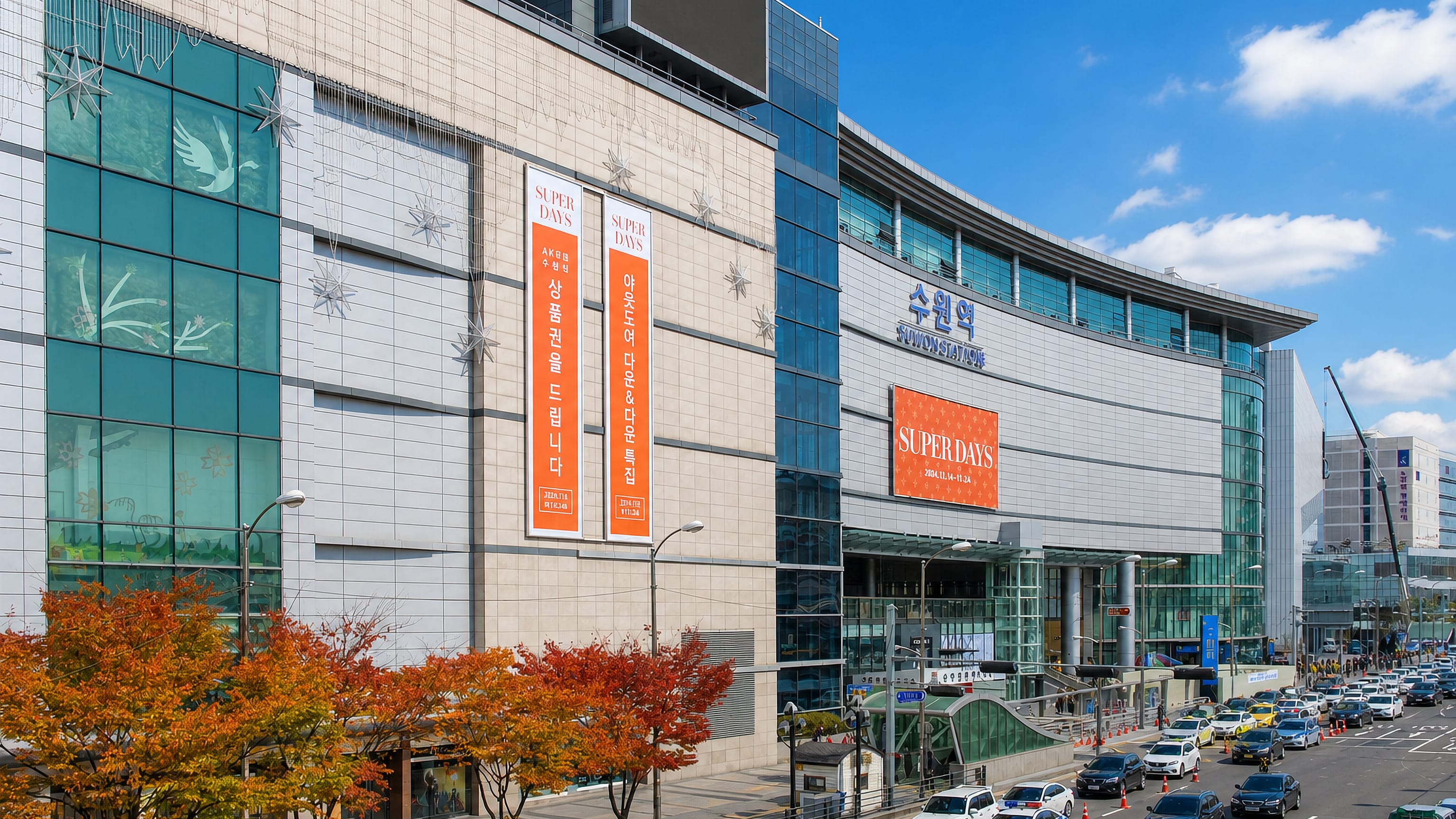
Rooms cluster along the walls and the market lanes. Out toward the station and Gwanggyo, the newer city spreads into towers and malls. A room near Suwon Station trades the old walls for fast trains, shopping, and the Suwon Gwanggyo Museum, handier for Seoul and for business.
The new districts run bright and busy. If you want the fortress, stay by the walls; if you want the trains and the shops, take a room near the station. Either way, Suwon is quick to cross.
Find hotels in Suwon
Direct booking searches for these neighbourhoods.
Fortress quarter
Inside and below the Hwaseong Fortress walls, within a walk of the gates and the palace groundsFind hotels in Fortress quarterStays wanting fast trains to Seoul, shopping, and businessSuwon Station and Gwanggyo
Around Suwon Station and the newer Gwanggyo district near the Suwon Gwanggyo Museum, with towers and mallsFind hotels in Suwon Station and GwanggyoHotel links are affiliate links: booking through them may earn us a commission, at no extra cost to you. It never affects how places are ranked. How this works
Things to do in Suwon
Ranked by global recognition; descriptions from Wikidata (CC0).
Museums & Galleries
1- Suwon Gwanggyo Museum
Churches & Religious Sites
1- Suwon Central Baptist Church
Castles & Historic Sites
2- Hwaseong Fortress UNESCO
- Suwon Ancient Town Heritage
Stadiums & Sports
3- Suwon Sports Complex
- Suwon Gymnasium
- Manseok Indoor Gymnasium
Landmarks & Notable Places
2- 옛 부국원 건물 Heritage
- 구 수원문화원 Heritage
worth knowingacross 5 categories in Suwon
About Suwon
Suwon is known for its fortress.
What is Suwon known for?
King Jeongjo raised the walls of Hwaseong Fortress around the old town in the 1790s, and their gates and ramparts still ring the heart of the city. Royal tombs lie in the woods nearby, hidden among the pines. The fortress made the city's name.
What are the main landmarks in Suwon?
Hwaseong Fortress is Suwon's crown. Its walls, gates, and watchtowers ring the old town for miles, the finest sight in the city, and the royal tombs of Yungneung and Geolleung lie in the woods beyond. Older marks endure too.
The Stone Buddha Triad of Bongnyeongsa keeps a Buddhist past, while the Suwon Gwanggyo Museum and the Former Suwon City Hall gather the town's later story.
What is the history of Suwon?
Suwon owes its shape to a king's grief. In the 1790s, King Jeongjo moved the tomb of his father, Crown Prince Sado, to the wooded hills of Yungneung near the town. Grief drove the whole design.
To guard the new tomb and to plan a fresh capital, the king built the great ring of Hwaseong Fortress, its stone-and-brick walls circling the old market town with gates, watchtowers, and floodgates. He dug the reservoir of Manseokgeo to water the fields around it. The city grew on inside the walls.
Jeongjo himself was laid to rest at Geolleung beside his father when his reign ended, and Suwon settled into the role of a provincial seat below the capital. Trade filled the gates. In the modern age it became the capital of Gyeonggi Province and a centre of industry, and its story is kept at the Suwon Gwanggyo Museum and in old landmarks like the Former Suwon City Hall.
The Stone Buddha Triad of Bongnyeongsa survives from far older days. The walls still crown the hills above the streets.
Where is Suwon?
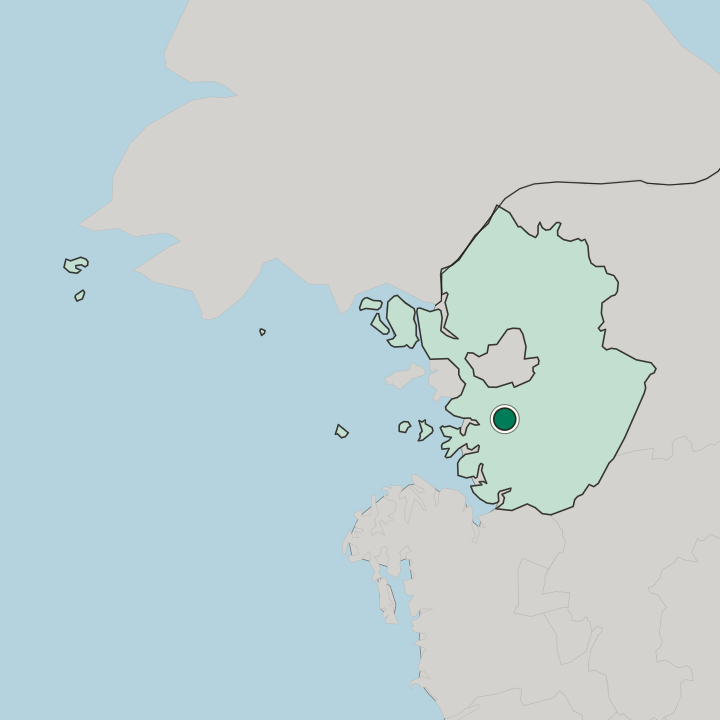
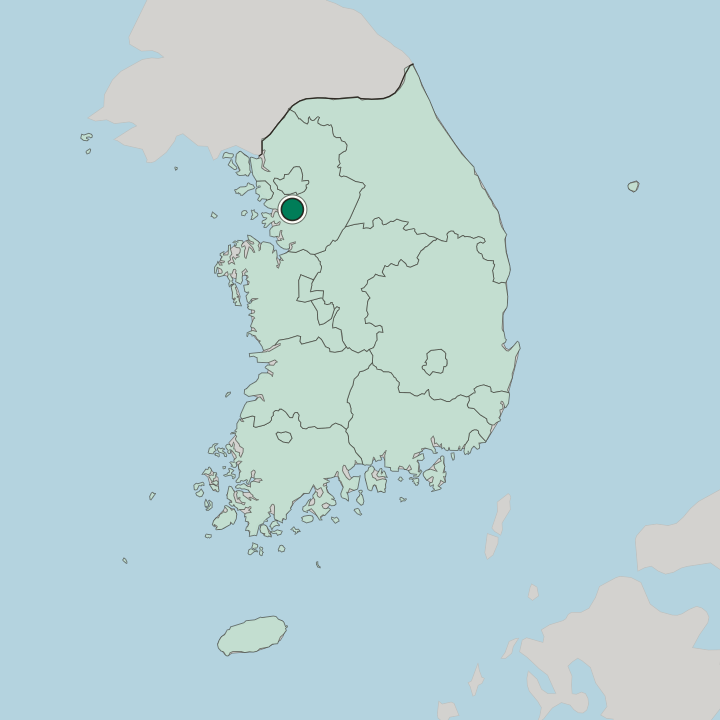
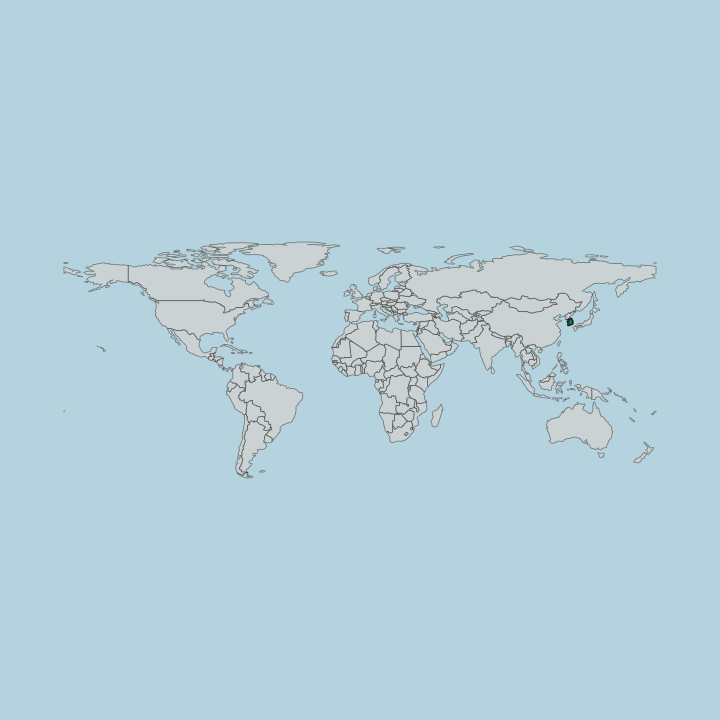
Suwon sits on the plain south of Seoul. The city spreads across low hills and rice flats in the heart of Gyeonggi Province, thirty kilometres below the capital, where streams run down toward the Yellow Sea. Hills rise green around the walls.
The plain carries the city ever outward toward the sea.
What is the climate of Suwon?
Suwon shares Korea's sharp four seasons. Cold, dry winters swing to hot, wet summers, when the monsoon rains sweep up from the south over the peninsula. Snow dusts the fortress walls in winter.
The seasons turn hard and clear.
How do you get to Suwon?
Suwon lies on the line south of Seoul. Trains and the city subway run up to the capital in under an hour, and expressways cross nearby between Seoul and the south, making the city an easy gateway. Buses reach the tombs and the fortress gates.
Most arrive by rail from Seoul.
Common questions
What is the best area to stay in Suwon?
Fortress quarter: Visitors here for the walls, gates, and old market. Suwon Station and Gwanggyo: Stays wanting fast trains to Seoul, shopping, and business.
Good for
More cities in Gyeonggi-do
Updated September 2026