South Korea · Gyeonggi-do
Where to Stay in Anseong, Gyeonggi-do
Anseong is a craft and farming city in Gyeonggi-do, South Korea, some 80 kilometres south of Seoul, and it calls itself The City of Masters.
Hotel links are affiliate links: booking through them may earn us a commission, at no extra cost to you. It never affects how places are ranked. How this works


Where to stay in Anseong
Where visitors usually base themselves, and why.
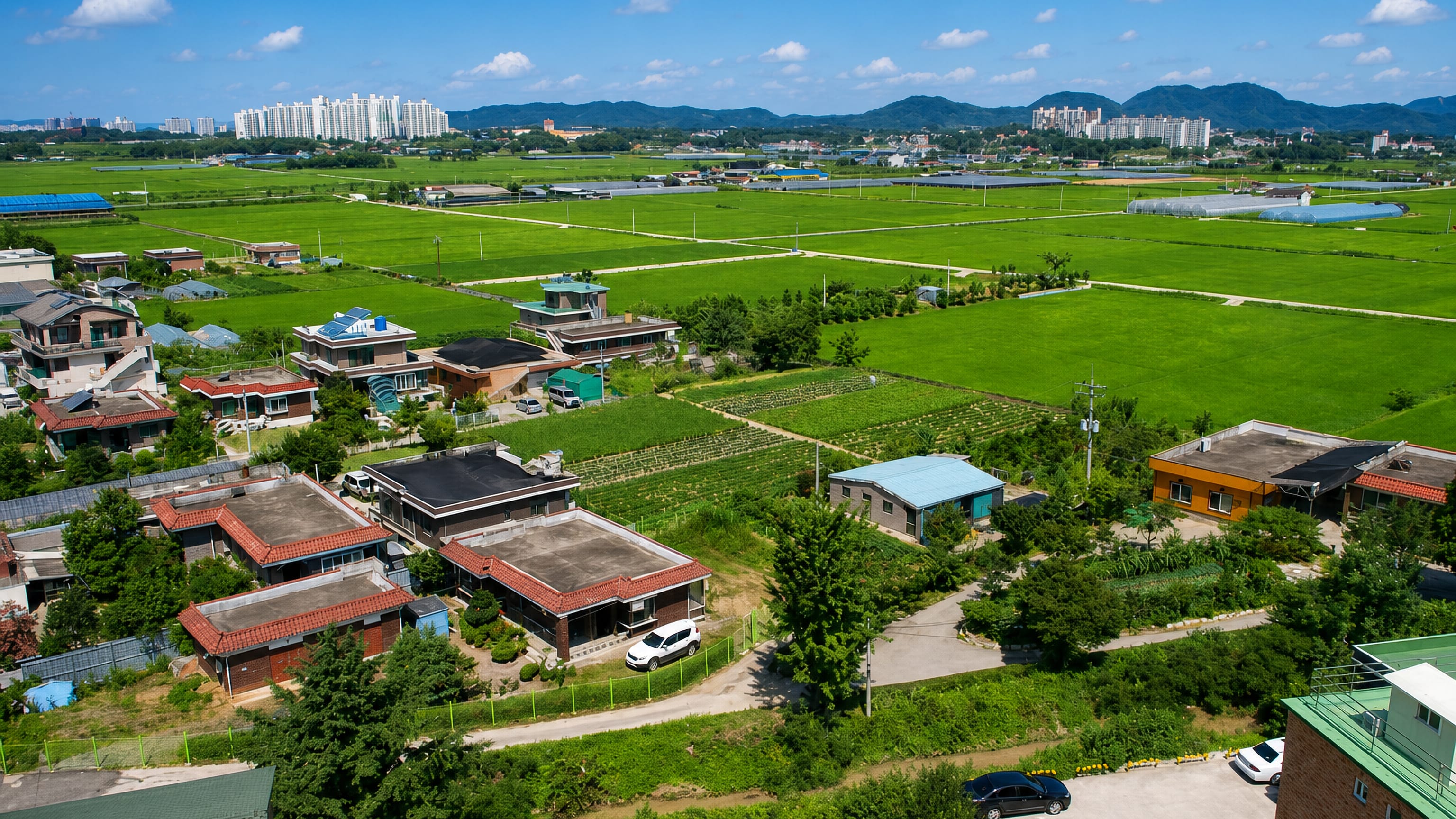
Anseong divides into a built centre and a lot of farmland. Rooms concentrate in the centre, because a municipality of over five hundred square kilometres given over to Asian pears, grapes and ginseng does not spread accommodation across itself. That makes the first choice easy.
Dogi-dong is the heritage side. The Anseong Dogi-dong Three-story Stone Pagoda and the fortress recorded there make a compact pair, so if you are here for the older Anseong that quarter is the one to be near. Temples want more distance.
Chiljangsa Daeungjeon and Anseong Seoknamsa Yeongsanjeon are separate sites, and taking in both within a day argues for a base chosen with the route in mind rather than for convenience alone. Festival weeks change the arithmetic. The Namsadang Neuri Festival runs from late spring into autumn, and rooms in Anseong are hardest to come by while it is on, which is also when the city is at its liveliest.
Seoul remains the fallback. About 80 kilometres of road separate the two, so a bed in the capital and a day out to the brassware workshops is a workable alternative for anyone unwilling to commit an overnight.
Find hotels in Anseong
Direct booking searches for these neighbourhoods.
Dogi-dong
Dogi-dong carries both the Anseong Dogi-dong Three-story Stone Pagoda and the fortress recorded beside it, the densest heritage corner in the city.Find hotels in Dogi-dongBrassware workshops and the Namsadang Neuri FestivalThe Anseong built centre
The centre is where the brassware and craft trade of Anseong sits, and the Namsadang Neuri Festival fills it from late spring into autumn.Find hotels in The Anseong built centreMornings at Chiljangsa Daeungjeon and Anseong Seoknamsa YeongsanjeonThe Chiljangsa temple ground
Chiljangsa Daeungjeon and Anseong Seoknamsa Yeongsanjeon are protected halls standing apart from the built centre, and lodging beside them is thin. Rooms are few around here — worth securing early.Find hotels in The Chiljangsa temple groundHotel links are affiliate links: booking through them may earn us a commission, at no extra cost to you. It never affects how places are ranked. How this works
About Anseong
Anseong calls itself The City of Masters.
What is Anseong known for?
Brassware and other arts and crafts stand behind that claim, and the workshops producing them are the reason the label carries weight beyond civic promotion. Farming matters as much. Asian pears, grapes and ginseng come off the surrounding land along with rice, while Hanwoo is held to be the finest thing the district raises.
What are the main landmarks in Anseong?
Dogi-dong holds two of the listed pieces. The Anseong Dogi-dong Three-story Stone Pagoda stands there, and the Fortress in Dogi-dong, Anseong occupies the same quarter, which makes it the densest corner of the city's heritage list. Temples supply the rest.
Anseong Seoknamsa Yeongsanjeon and Chiljangsa Daeungjeon are the protected halls, Hyeosoguksabi adds an inscribed stone to the set, and the Anseong Sports Complex covers everything modern.
What is the history of Anseong?
Stone came first in the record. The Anseong Dogi-dong Three-story Stone Pagoda and the fortress recorded at Dogi-dong are the oldest things the city still has to show, and both point to a settlement that mattered long before any modern boundary was drawn around it. Temples followed.
Anseong Seoknamsa Yeongsanjeon and Chiljangsa Daeungjeon survive as protected halls, and Hyeosoguksabi keeps an inscription among them. Craft is the thread that runs forward from there. Brassware made the name of Anseong, and arts and crafts more broadly are what the city means when it promotes itself as The City of Masters, a claim built on production rather than on scenery.
Performance has its own season. From late spring into autumn the Namsadang Neuri Festival takes over, giving the calendar a fixed point with nothing to do with either the workshops or the fields. Land did the steady work.
Asian pears, grapes and ginseng have long come off Anseong's ground alongside rice, and Hanwoo carries the strongest reputation of anything raised here, which is the agricultural half of a record that the craft half tends to overshadow. Gyeonggi Province holds the frame. Proximity to Seoul, about 80 kilometres off, is the modern condition under which all of it continues.
Where is Anseong?
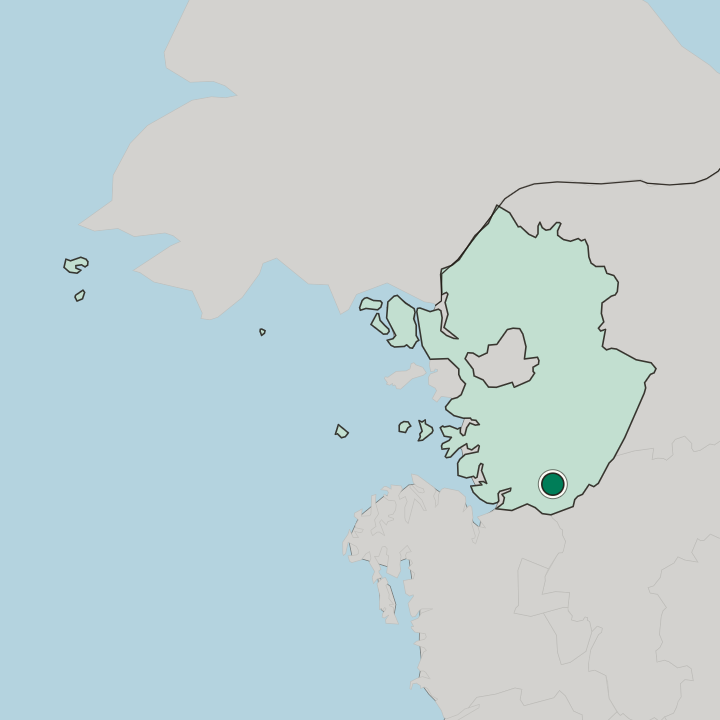
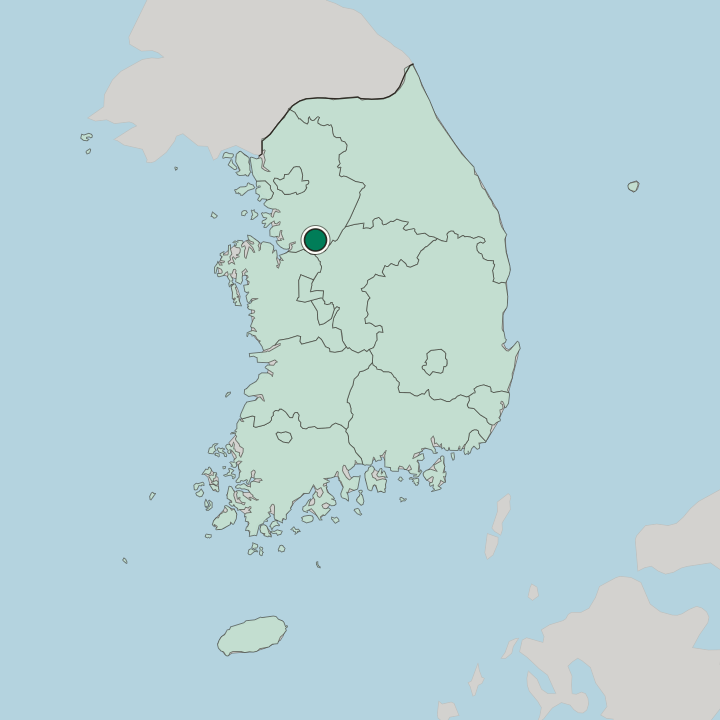
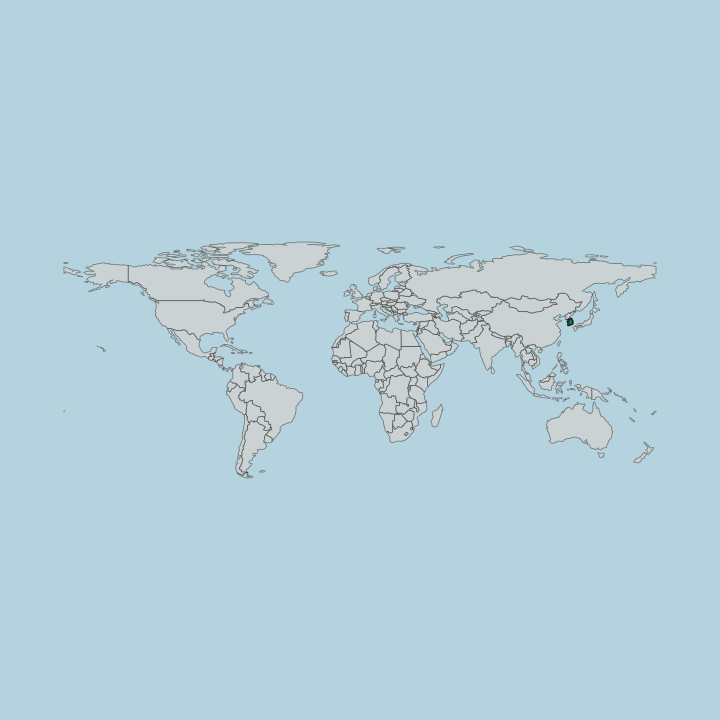
Anseong lies south of Seoul. About 80 kilometres separate the two, close enough that the capital's pull is felt here and far enough that the city keeps farmland rather than suburbs across most of its five hundred-odd square kilometres. Fields dominate.
Asian pears, grapes and ginseng need that ground as much as rice does, so the built-up part of Anseong takes up a modest share of Gyeonggi-do territory.
What is the climate of Anseong?
The Namsadang Neuri Festival marks the warm half. Running from late spring into autumn, it occupies exactly the stretch when the Asian pears, grapes and ginseng of Anseong are in the ground and the weather allows outdoor performance. Winter closes that down.
Cold months push activity indoors to the workshops where brassware is made, and the protected halls at Chiljangsa Daeungjeon and Anseong Seoknamsa Yeongsanjeon keep a quieter season of their own.
How do you get to Anseong?
Seoul sets the approach. Anseong stands about 80 kilometres south of the capital, which puts it within a straightforward overland run for anyone already in Gyeonggi-do rather than at the end of a long journey. The city is spread out.
Dogi-dong, the temple sites and the Anseong Sports Complex sit at some remove from one another across a municipality of over five hundred square kilometres, so moving between them needs its own planning.
Common questions
What is the best area to stay in Anseong?
Dogi-dong: Days on the Anseong Dogi-dong Three-story Stone Pagoda and its fortress. The Anseong built centre: Brassware workshops and the Namsadang Neuri Festival. The Chiljangsa temple ground: Mornings at Chiljangsa Daeungjeon and Anseong Seoknamsa Yeongsanjeon.
More cities in Gyeonggi-do
Updated September 2026