South Korea · Gyeonggi-do
Where to Stay in Namyangju, Gyeonggi-do
Namyangju gathers royal tombs at Gwangneung, Sareung, Jangneung and Hongyureung, in the country east of Guri and west of Gapyeong County.
Hotel links are affiliate links: booking through them may earn us a commission, at no extra cost to you. It never affects how places are ranked. How this works


Where to stay in Namyangju
Where visitors usually base themselves, and why.
Geumgok-dong and Dasan-dong hold the city hall between them, and that pair is the closest thing Namyangju has to a single centre. The rest spreads. An urban and rural complex formed in 1995 out of Migeum-si and Namyangju-gun, the city runs through six eup, three myeon and seven dong, which means beds are scattered rather than gathered in one quarter.
Guri adjoins the city on one side and Gapyeong County on the other, so a base chosen near either boundary sets which direction the day's travel runs. Pocheon closes the third side. Most visitors come for the tombs, and a room anywhere near Gwangneung, Sareung, Jangneung or Hongyureung turns the visit into a series of short drives between one burial ground and the next.
Sujongsa Temple draws its own visitors, and the Namyangju Sujongsa stupa stands with it. Namyangju Sports Complex accounts for another kind of trip. Nothing here is walkable end to end, since the rural myeon and the built-up dong sit far enough apart that a car decides how much of the city a stay reaches.
Distances decide. Stay near Geumgok-dong or Dasan-dong if you want the administrative middle of Namyangju, and anywhere with a car if the tombs and Sujongsa Temple are the whole point of the trip.
Find hotels in Namyangju
Direct booking searches for these neighbourhoods.
Geumgok-dong and Dasan-dong
Namyangju's city hall is split between Geumgok-dong and Dasan-dong, which makes the pair the nearest thing the city has to a centre.Find hotels in Geumgok-dong and Dasan-dongThe boundary the city shares with GuriToward Guri
Guri adjoins Namyangju on that side, so the dong nearest the boundary are the urban half of the complex rather than the farming one.Find hotels in Toward GuriSujongsa Temple, its stupa and the stupa relicsNear Sujongsa Temple
Sujongsa Temple, the Namyangju Sujongsa stupa and the Namyangju Sujongsa stupa relics are the one grouping in Namyangju that is not a burial ground. Rooms are few around here — worth securing early.Find hotels in Near Sujongsa TempleGwangneung, Sareung, Jangneung and Hongyureung in one runThe tomb country
Gwangneung, Sareung, Jangneung and Hongyureung stand apart from the built-up dong, so a bed out among the myeon suits a circuit of them. Rooms are few around here — worth securing early.Find hotels in The tomb countryHotel links are affiliate links: booking through them may earn us a commission, at no extra cost to you. It never affects how places are ranked. How this works
About Namyangju
Royal tombs cluster here.
What is Namyangju known for?
Gwangneung, Sareung, Jangneung and Hongyureung all lie inside the city, together with Tomb of Gwanghaegun and Seongmyo Tomb, so the burial grounds outnumber almost everything else on the heritage list. Sujongsa Temple stands on the Buddhist side, with the Namyangju Sujongsa stupa and the Namyangju Sujongsa stupa relics recorded separately. The tomb of Jeong Yak-yong marks an individual rather than a dynasty, and the city hall sits across Geumgok-dong and Dasan-dong.
Namyangju Sports Complex is the modern entry.
What are the main landmarks in Namyangju?
The burial grounds run long. Gwangneung, Sareung, Jangneung, Hongyureung and its two parts at Hongneung and Yureung are recorded, along with Tomb of Gwanghaegun, Seongmyo Tomb and the Tomb monument of Hanhwak. The tomb of Jeong Yak-yong is here too.
Sujongsa Temple, the Namyangju Sujongsa stupa and the Namyangju Sujongsa stupa relics make up the Buddhist group, and Namyangju Heungguksa Daebang and Namyangju Bongyeongsa Temple Amitabha Buddha Painting belong with them. Namyangju Goan Water Level Observatory and Namyangju Sports Complex are the odd ones out.
What is the history of Namyangju?
The tombs came first. Gwangneung, Sareung, Jangneung and Hongyureung were laid out on this ground long before any of the administrative names that attach to it, and Tomb of Gwanghaegun and Seongmyo Tomb belong to the same layer. The Tomb monument of Hanhwak and the tomb of Jeong Yak-yong record individuals from that older order.
Sujongsa Temple predates the modern city as well, and the Namyangju Sujongsa stupa and the Namyangju Sujongsa stupa relics are listed from it. Namyangju Heungguksa Daebang and Namyangju Bongyeongsa Temple Amitabha Buddha Painting come from the same religious past. Names changed late.
Namyangju was a southern part of Yangju-gun until April 1980, when it was separated out as Namyangju-gun and given its own administration for the first time. The merger followed. Migeum-si and Namyangju-gun were joined in 1995 into a single urban and rural complex, and the shape that produced still runs through six eup, three myeon and seven dong.
The city hall was set in Geumgok-dong and Dasan-dong. Guri sits on one boundary, Gapyeong County on another, and Pocheon on a third. Namyangju Sports Complex belongs to the newest chapter, and Namyangju Goan Water Level Observatory records a working piece of infrastructure rather than a monument.
Where is Namyangju?
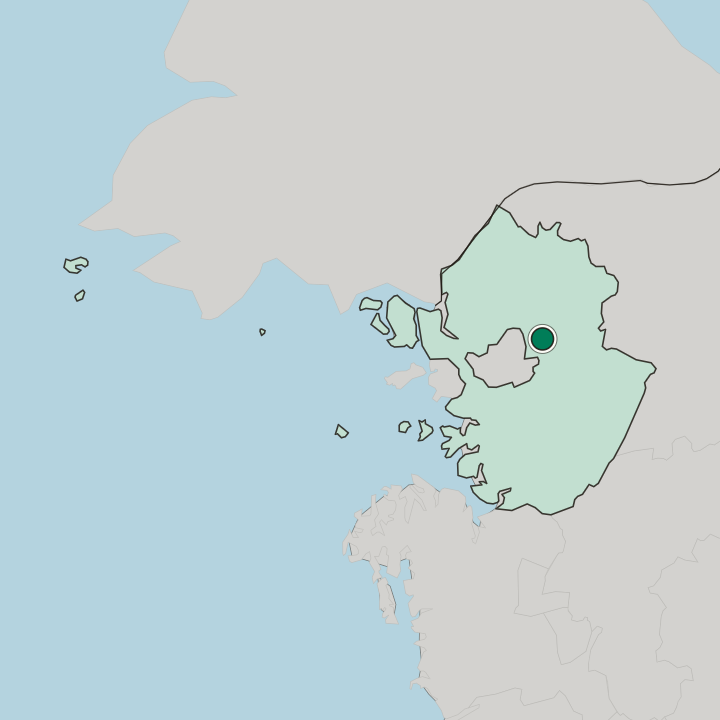
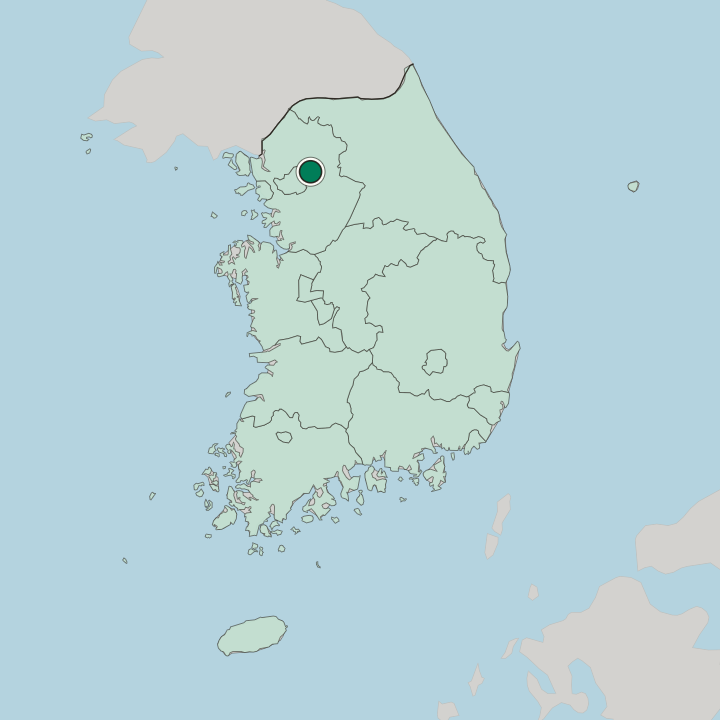
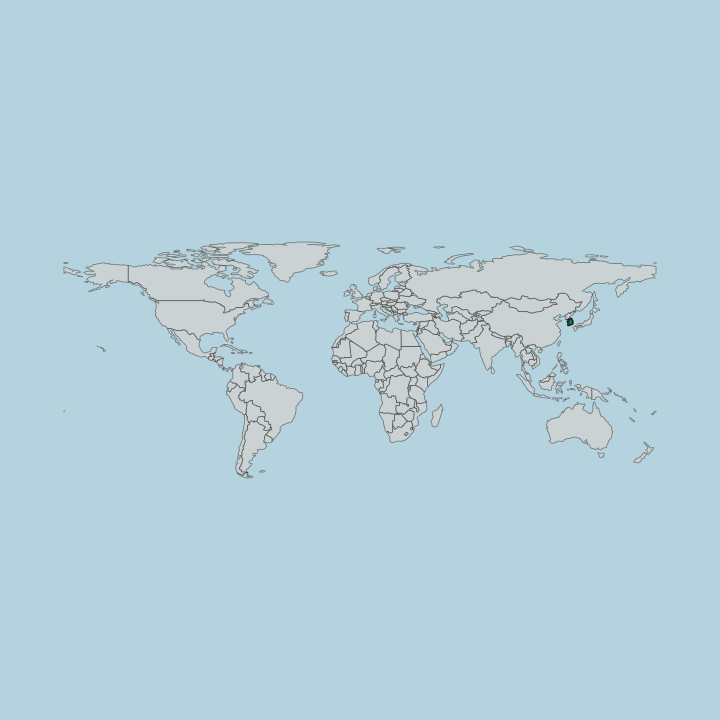
Guri lies to the west of Namyangju, Gapyeong County to the east and Pocheon to the north, which fixes the city between three neighbours rather than against any coast. It is inland ground. The municipality mixes town and country by design, an urban and rural complex whose six eup, three myeon and seven dong cover both the built-up dong and the farming myeon.
Geumgok-dong and Dasan-dong hold the city hall.
What is the climate of Namyangju?
The water-level station at Namyangju Goan Water Level Observatory exists because the flow through here is not constant, which is the plainest statement of a temperate year in this part of Gyeonggi Province. No coast reaches Namyangju. Guri, Gapyeong County and Pocheon share the same temperate band in the northern half of the world, so the seasons here arrive as they do across the province rather than in any local variation.
Gwangneung and Sareung are outdoor visits in every season.
How do you get to Namyangju?
Roads matter more than any one arrival point. Guri lies to the west, Gapyeong County to the east and Pocheon to the north, and traffic into Namyangju crosses one of those boundaries rather than terminating at a single station in the middle. The city hall in Geumgok-dong and Dasan-dong is the administrative middle, not a transport one.
Six eup, three myeon and seven dong spread the addresses wide enough that reaching Gwangneung, Sujongsa Temple and Namyangju Sports Complex on the same day means driving between them. Plan the route first.
Common questions
What is the best area to stay in Namyangju?
Geumgok-dong and Dasan-dong: The administrative middle, where the city hall sits. Toward Guri: The boundary the city shares with Guri. Near Sujongsa Temple: Sujongsa Temple, its stupa and the stupa relics. The tomb country: Gwangneung, Sareung, Jangneung and Hongyureung in one run.
More cities in Gyeonggi-do
Updated September 2026