Macau · Macau
Pátio do Espinho, Macau — Area Guide & Where to Stay
Pátio do Espinho is the largest walled village left in the Santo António parish of Macau, on the slope behind the Ruins of St. Paul's.
Hotel links are affiliate links: booking through them may earn us a commission, at no extra cost to you. It never affects how places are ranked. How this works



Where to stay in Pátio do Espinho
The practical side of choosing where to sleep.
Rooms inside the walls are scarce. Pátio do Espinho is a run of houses and yards rather than a lodging quarter, so the real question is how close to the Ruins of St. Paul's a bed needs to be, and the answer usually points downhill into the wider Santo António parish. San Seng Street catches the foot of the slope.
Beds near Rua de D. Belchior Carneiro leave the Museum of Sacred Art and the walled village a few minutes apart on foot.
Find hotels in Pátio do Espinho
Direct booking searches for these neighbourhoods.
Pátio do Espinho
The walled village itself, houses and yards either side of Rua de D. Belchior Carneiro with the Ruins of St. Paul's standing at the front door. Lodging is scarce in this area; reserve in advance.Find hotels in Pátio do EspinhoLevel streets for a base, with Rua de D. Belchior Carneiro climbing straight up into the walled villageSan Seng Street
The level street that the northern slope of the village falls into, reached by walking down off Rua de D. Belchior Carneiro.Find hotels in San Seng StreetA real choice of rooms while keeping the Ruins of St. Paul's within a short walkSanto António
The parish holding Pátio do Espinho, its lodging spread across Macau Peninsula streets well away from the old city wall ruins.Find hotels in Santo AntónioHotel links are affiliate links: booking through them may earn us a commission, at no extra cost to you. It never affects how places are ranked. How this works
About Pátio do Espinho
What are the main landmarks in Pátio do Espinho?
The Ruins of St. Paul's stand directly in front. Pátio do Espinho runs behind that façade and behind the Museum of Sacred Art, its northern half falling as a slope from Rua de D. Belchior Carneiro down toward San Seng Street, its southern half squeezed between the old city wall ruins and the same street. Walking is the way in.
No ticket office marks the edge of the only walled village left in the Santo António parish, and the boundary is read off the lanes and the enclosing streets instead.
What is the history of Pátio do Espinho?
Japanese Catholics settled here in the 1600s. That community walled a village into the slope behind what would become the Ruins of St. Paul's, and Pátio do Espinho is what remains of it, the only enclosure of its kind still standing in the Santo António parish. Rua de D. Belchior Carneiro came through the middle.
The village has been counted as two pieces ever since, one falling north toward San Seng Street and one held south against the old city wall ruins.
Where is Pátio do Espinho?
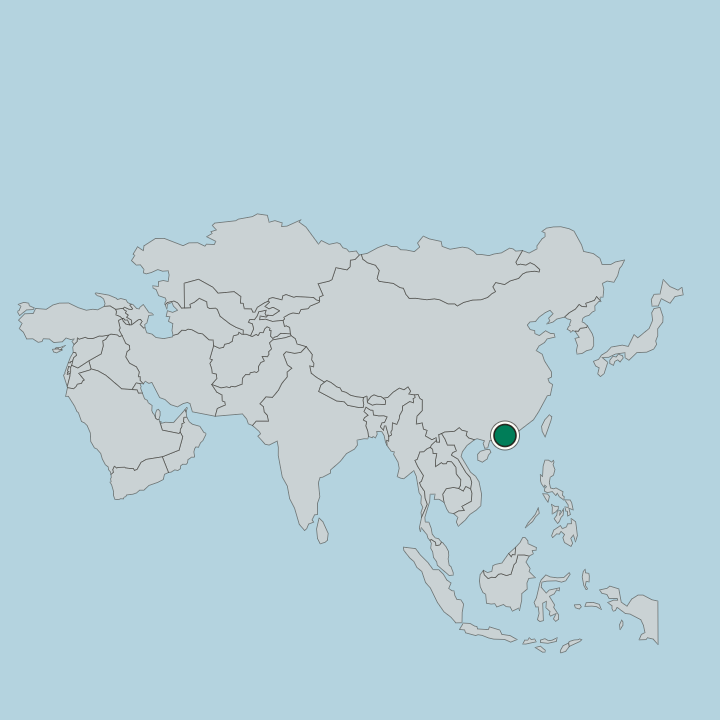
Rua de D. Belchior Carneiro cuts Pátio do Espinho, Chi Lam Wai in Chinese, in two on the Macau Peninsula: a northern slope falling to San Seng Street, and a southern strip held against the old city wall ruins.
Common questions
What is the best area to stay in Pátio do Espinho?
Pátio do Espinho: Sleeping inside the last walled village of the Santo António parish, a minute from the Museum of Sacred Art. San Seng Street: Level streets for a base, with Rua de D. Belchior Carneiro climbing straight up into the walled village. Santo António: A real choice of rooms while keeping the Ruins of St. Paul's within a short walk.
More areas in Macau
Updated September 2026