Malaysia
Putrajaya, Malaysia — Towns & Travel Guide
Putrajaya is Malaysia's purpose-built administrative capital, a planned garden city on a lake south of Kuala Lumpur.
Hotel links are affiliate links: booking through them may earn us a commission, at no extra cost to you. It never affects how places are ranked. How this works


Towns & cities in Putrajaya
One town here has its own guide — it links to where to stay.

 Malaysia
Putrajaya
Putrajaya is a city in Malaysia dating from 1995, with the Millennium Monument and the Perdana Leadership Foundation among its landmarks.Where to stay →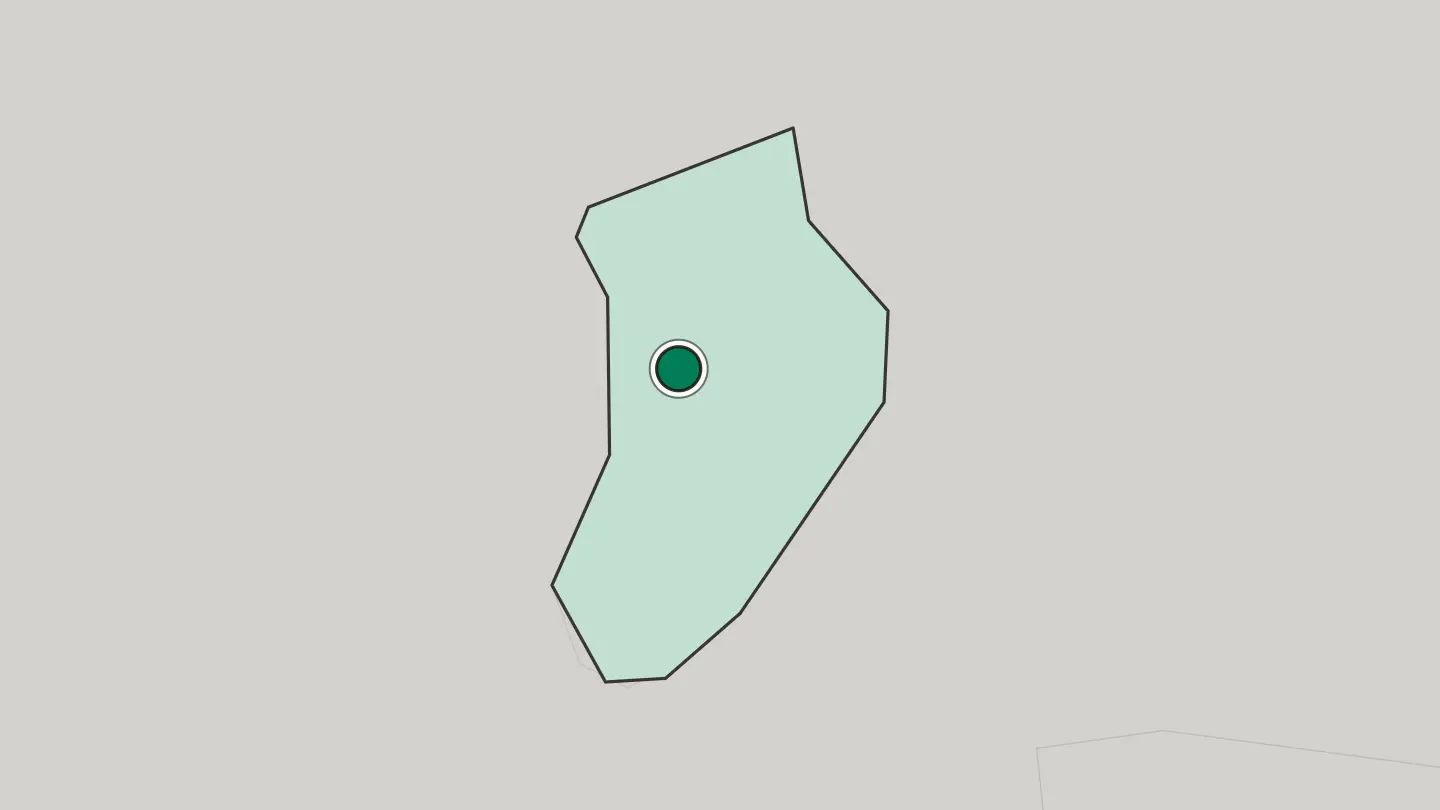
Hotel links are affiliate links: booking through them may earn us a commission, at no extra cost to you. It never affects how places are ranked. How this works
About Putrajaya
What is Putrajaya known for?
Putrajaya is the seat of Malaysia's federal government, drawn up from scratch on former plantation land. Ministries line its lake. The prime minister works from Perdana Putra, the domed office block above Putra Square, and the rose-tinted granite of Putra Mosque gives the city its most photographed profile.
Boulevards, botanical gardens, and a chain of bridges cross the water toward the sister city of Cyberjaya. Everything here was designed at once, which sets it apart from the tangle of nearby Kuala Lumpur.
Where is Putrajaya?
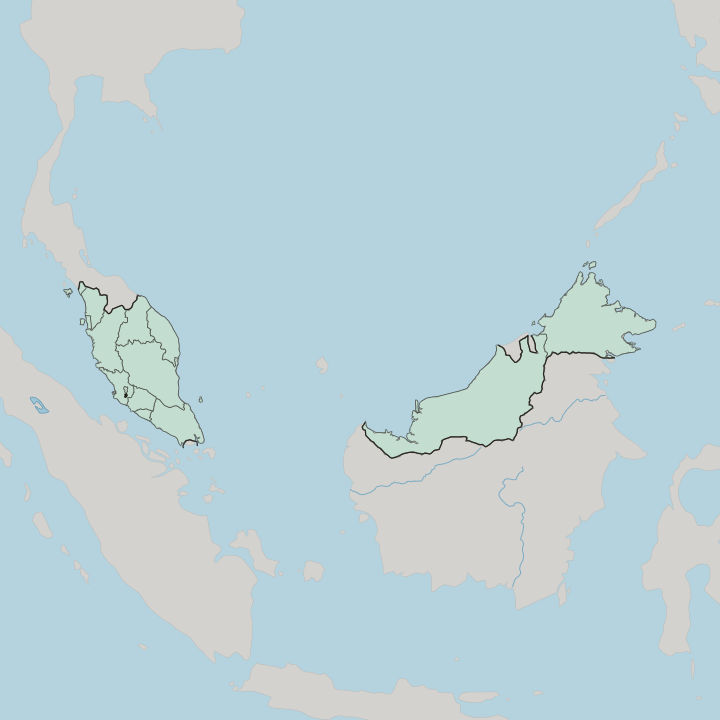
Putrajaya sits in west-central Peninsular Malaysia, roughly 25 kilometres south of Kuala Lumpur and carved out of the surrounding state of Selangor. The territory is tiny. The whole federal territory covers only about 49 square kilometres of gently undulating ground that was rubber and oil palm before the bulldozers came.
At its centre lies Putrajaya Lake, a man-made body of water fed by two rivers and shaped into meandering arms that wrap around the city's precincts, so that almost every district faces water and the lake doubles as a natural cooling system for the tropical air. Green space fills much of the rest. Close to two-fifths of Putrajaya is parkland, botanical gardens, and constructed wetland, the largest freshwater wetland ever built in the tropics.
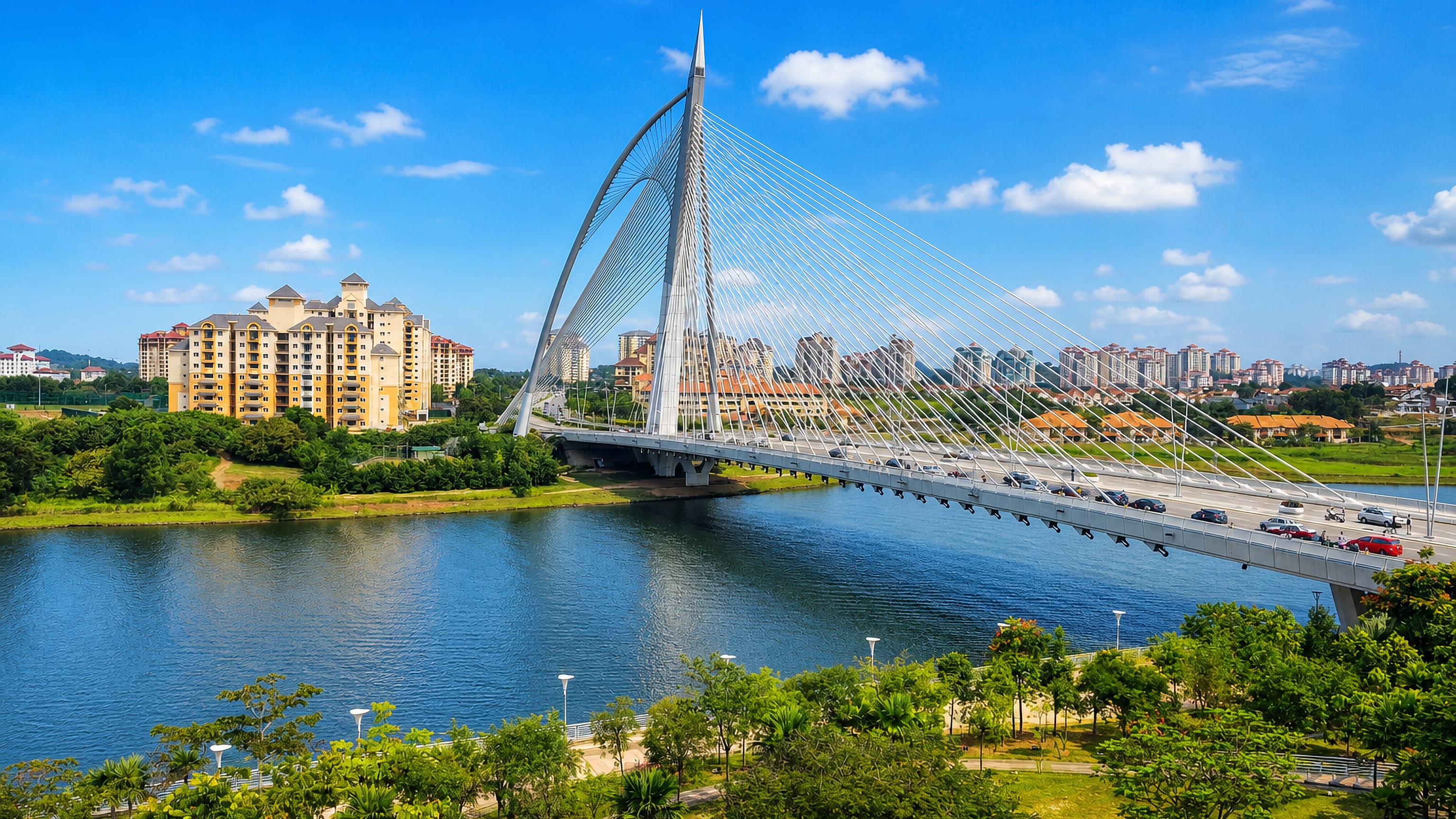
Bridges stitch the two shores together, among them the sail-masted Seri Wawasan Bridge and the long Putra Bridge across the heart of the city. To the west the planned tech town of Cyberjaya adjoins it, and the two are often spoken of in one breath. Kuala Lumpur's skyline stands clear on the northern horizon.
What is Putrajaya like?
Putrajaya is a city of government, and it reads that way. Wide ceremonial boulevards, ministry blocks, and manicured squares give it a formal, deliberate feel that is unusual in Malaysia. The centrepiece is Putra Square, framed by the prime minister's Perdana Putra complex and the pink-domed Putra Mosque, whose walls of rose-tinted granite draw a steady stream of visitors and worshippers.
Malay is the working language of the offices, as it is across the country. Weekends soften the place. Families come for the lake.
Cruises glide past the mosque and the bridges, cyclists ride the paths of the botanical gardens, and hot-air balloons and dragon-boat crews turn up for the festivals that Putrajaya hosts on the water. The architecture leans on Islamic and Mughal motifs, borrowed domes and arches restated in modern concrete, and it makes for a townscape quite unlike the older streets of Kuala Lumpur. Order is the point.
What is the history of Putrajaya?
The land was a plantation called Prang Besar, worked for rubber and oil palm in the state of Selangor. Development began in 1995. Facing overcrowding in Kuala Lumpur, the federal government bought the estate and laid out a new administrative capital, naming it after Tunku Abdul Rahman Putra, the first prime minister of Malaysia.
The seat of the federal government moved down from Kuala Lumpur in 1999, and on 1 February 2001 Putrajaya became the country's third federal territory, with the judiciary following two years later.
What is the climate of Putrajaya?
Putrajaya has a hot, humid tropical climate with little swing across the year. Days stay warm. Temperatures hold in the high twenties to low thirties Celsius, and the wide surface of Putrajaya Lake tempers the heat only a little before the afternoon storms build.
Rain can fall in any month, but the heaviest downpours arrive between September and November, while December through March runs somewhat drier. Bring an umbrella whatever the season.
How do you get to Putrajaya?
Most visitors arrive from Kuala Lumpur, half an hour to the north, or straight off a flight into Kuala Lumpur International Airport just to the south. The airport is close. From it the KLIA Transit train reaches Putrajaya Sentral in about sixteen minutes, and from that hub the same line and the MRT carry on up into the capital, which makes the city an easy stop to fold into any Kuala Lumpur trip.
Buses and taxis fan out to the precincts. Cruise boats link the lakeside sights once you arrive.
Good for
More regions in Malaysia
Updated September 2026