Malaysia
Negeri Sembilan, Malaysia — Towns & Travel Guide
Negeri Sembilan is Malaysia's matrilineal state on the Strait of Malacca, ruled by Minangkabau custom and elected kings.
Hotel links are affiliate links: booking through them may earn us a commission, at no extra cost to you. It never affects how places are ranked. How this works


Towns & cities in Negeri Sembilan
Pick a town or city — each links to where to stay.

 Malaysia
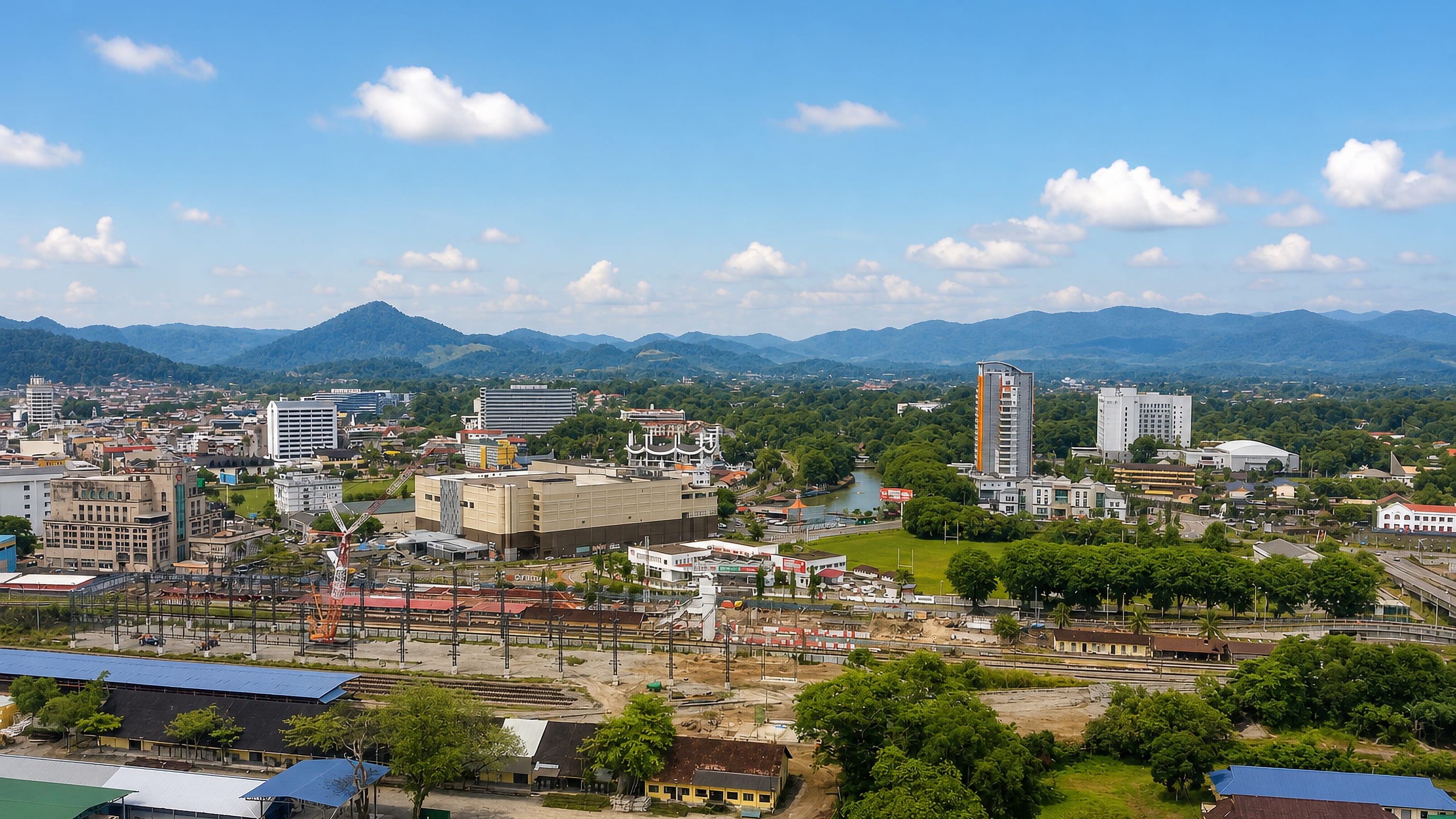
Seremban
Seremban is the capital of Negeri Sembilan, founded in 1840, and the city holds the state's Muzium Negeri.Where to stay →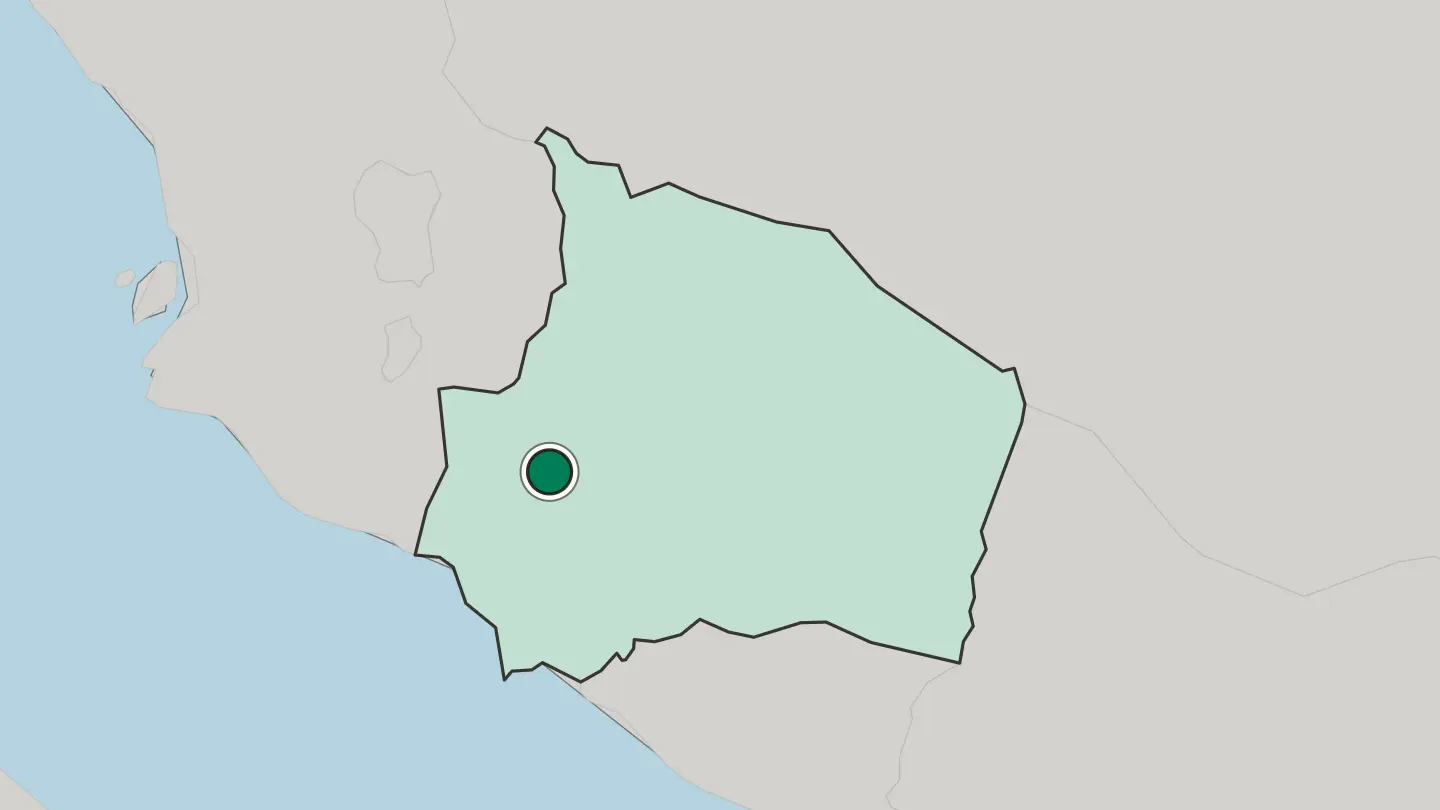
 Malaysia
Port Dickson
Port Dickson is a beach resort in Negeri Sembilan, about an hour from Kuala Lumpur along the North-South Highway.Where to stay →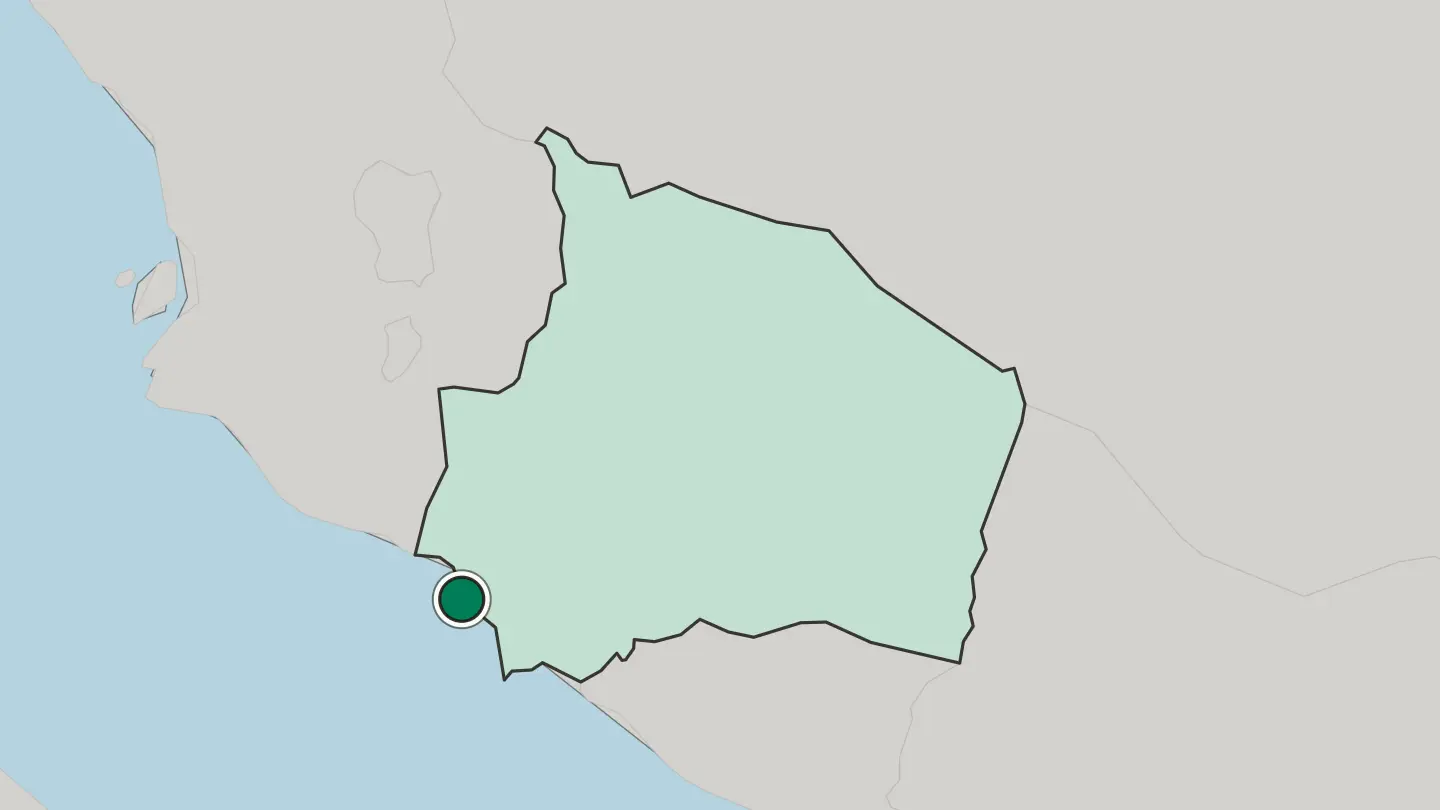
Hotel links are affiliate links: booking through them may earn us a commission, at no extra cost to you. It never affects how places are ranked. How this works
About Negeri Sembilan
One thing sets this state apart.
What is Negeri Sembilan known for?
Negeri Sembilan is the only state in Malaysia that still runs its family law by Adat Perpatih, the matrilineal custom the Minangkabau carried across from West Sumatra, under which land and family name pass from mother to daughter. Its king is elected, not born to the throne, chosen by four territorial chiefs from candidates of Minangkabau descent. The name means the Nine States, after the nine old chiefdoms, or luak, that once formed the confederation.
Sharp buffalo-horn rooflines mark the traditional houses. Seremban is the working capital and Port Dickson the beach that draws the weekend crowds down to the Strait of Malacca.
Where is Negeri Sembilan?
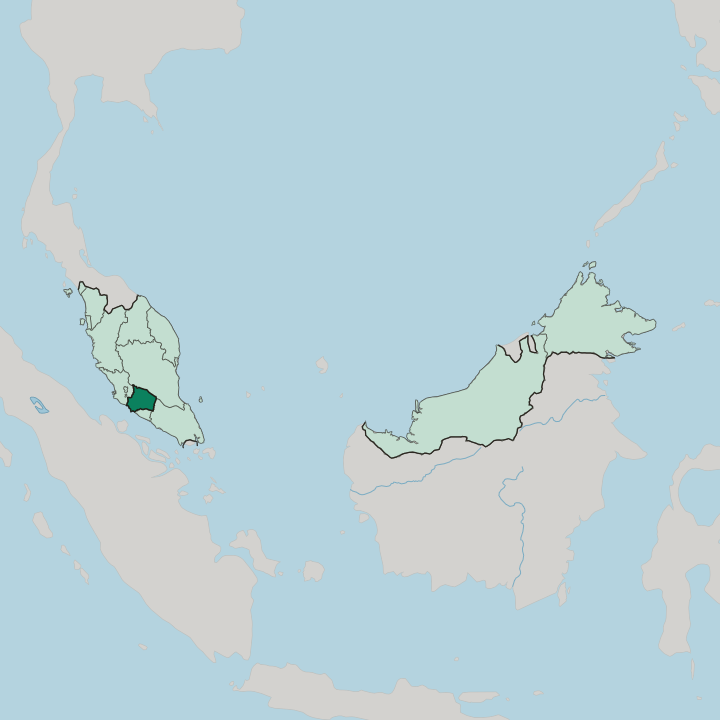
Negeri Sembilan sits on the west coast of Peninsular Malaysia, one of the smaller states and roughly pentagonal in outline. A mountain spine splits it. The Titiwangsa range runs about 92 kilometres down the middle, entering from the Selangor and Pahang border near Jelebu and reaching toward Tampin at the Malacca line, so the state falls into two plains on either side of the ridge.
Selangor lies to the north and Pahang to the east, while Malacca and Johor close it off to the south. Its western edge is the sea. A coast of roughly 48 kilometres faces the Strait of Malacca, the busy shipping lane between the peninsula and Sumatra, and Port Dickson strings its beaches along it.
Inland, the land drains through the Linggi River, which runs down past Seremban and out to the strait. Seremban, the capital, stands about 30 kilometres back from the water in the Linggi valley, at the western foot of the Titiwangsa hills. The interior climbs into forested ridges.
Seri Menanti, the royal town, sits among those inland hills. The mix is compact: a short coast, a river plain, a mountain backbone, and the higher forest behind it, all within a state you can cross in an afternoon.
What is Negeri Sembilan like?
The culture here is Minangkabau, and it shows in almost everything. The settlers came from the highlands of West Sumatra and brought a matrilineal order with them, so this became the one Malaysian state where Adat Perpatih still governs family land and inheritance. Under that custom, a daughter inherits from her mother, ancestral land stays in the female line, and a woman's clan anchors the household.
Men marry into it. That single fact colours the social map of the whole state. You see it in the buildings too.
The old timber houses lift their roofs into sweeping points that echo a buffalo's horns, the signature Minangkabau line carried over from Sumatra, and the finest of them cluster around Seri Menanti and the royal enclave. Food follows suit. Negeri Sembilan cooking leans hard on chillies and coconut milk, and its best-known dish, masak lemak cili api, is fierce with bird's-eye chilli and rich with santan.
Islam sits over the older custom rather than erasing it, and the two have run together here for centuries. The kingship reflects the same logic. Rather than passing from father to son, the throne is filled by election, with four territorial chiefs picking a ruler of Minangkabau descent.
Seremban carries the modern weight of the state, its administration and its markets, but the cultural centre of gravity still leans toward the inland towns where the custom took root.
What is the history of Negeri Sembilan?
Minangkabau families began settling these valleys from the 15th century, moving across from West Sumatra under the shelter first of the Malacca and then the Johor sultanate. For a long time the scattered luak owed their loyalty outward, to Johor. That changed in 1773.
The chiefdoms declared themselves free of Johor and brought in a prince of Pagaruyung, Raja Melewar, as the first Yamtuan Besar, the elected paramount ruler. He fixed his seat at Seri Menanti, deep in the hills, and it has stayed the royal capital ever since. The confederation of nine gave the state both its shape and its name.
What is the climate of Negeri Sembilan?
The climate is equatorial. Heat and humidity hold steady the year round, and rain can fall in any month rather than keeping to one wet season, feeding the rainforest that still covers the Titiwangsa slopes inland. The coast at Port Dickson runs hot and sticky along the Strait of Malacca, while the hill country around Seri Menanti sits a little cooler as the land climbs.
Afternoon thunderstorms are the usual pattern, brief and heavy, especially through the two monsoon shoulders. There is no cold season to plan around.
How do you get to Negeri Sembilan?
Getting in is easy. Kuala Lumpur International Airport sits right on the Selangor border with Negeri Sembilan, so the main gateway is barely half an hour from Seremban by road. Airport coaches run straight from the terminal to Seremban, and the North-South Expressway links the whole state to Kuala Lumpur and on toward Malacca and Johor.
Trains on the electric line stop at Seremban from Kuala Lumpur. For the coast, most travellers carry on by road to Port Dickson, which has no station of its own.
Common questions
What is the best area to stay in Negeri Sembilan?
Seremban: the practical Negeri Sembilan hub. Port Dickson: the Strait of Malacca beaches. Seri Menanti: the royal seat and Minangkabau custom.
Good for
More regions in Malaysia
Updated September 2026