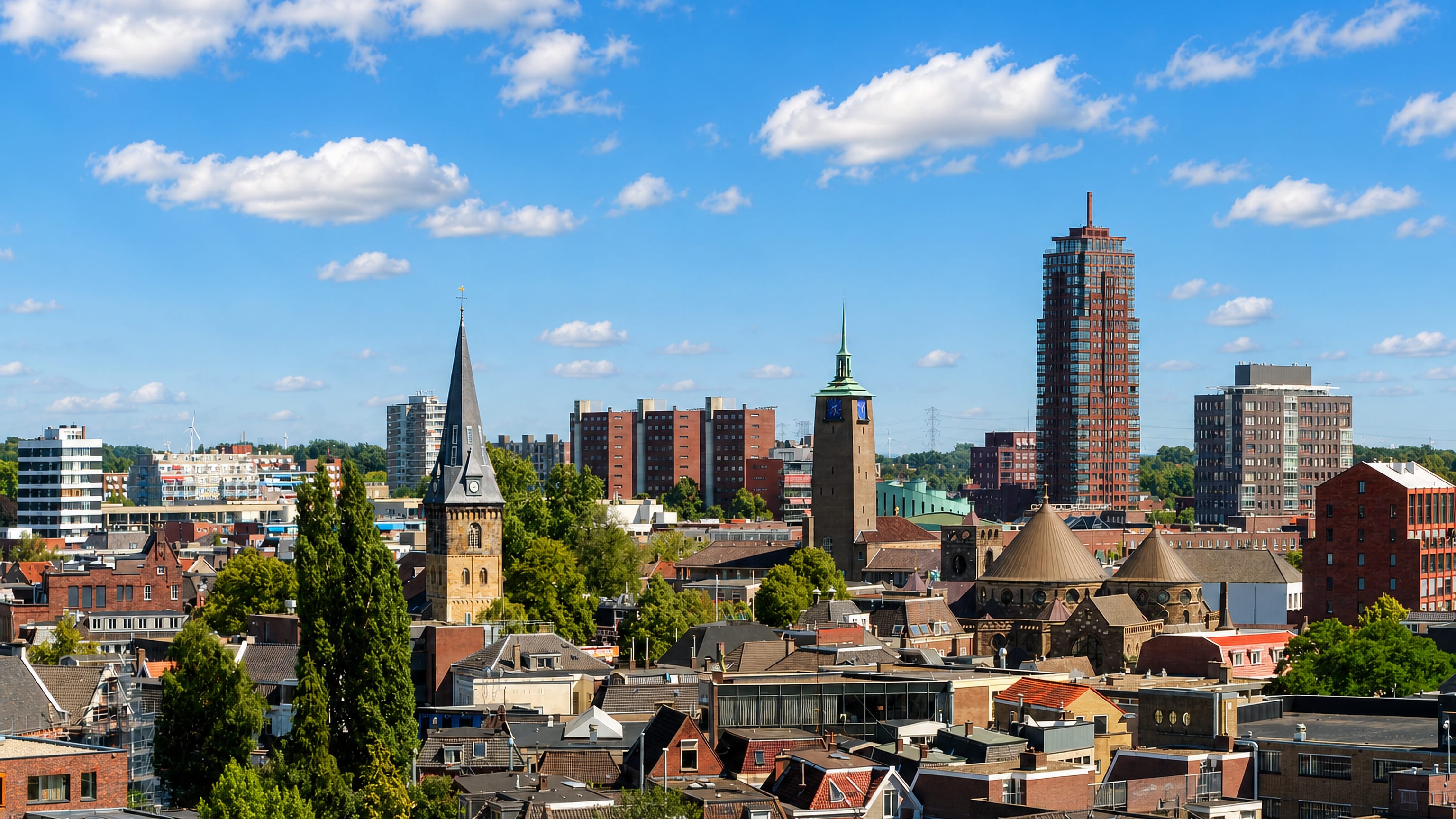
Netherlands
Provincie Overijssel, Netherlands — Towns & Travel Guide
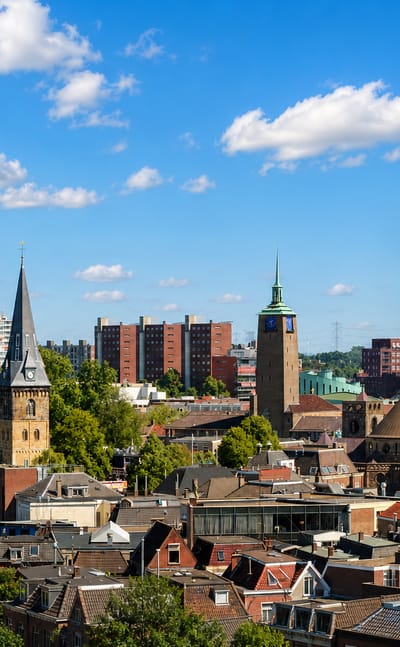
Overijssel is the Netherlands' province beyond the IJssel, where Hanseatic river towns give way to the sandy Twente hills near Germany.
Hotel links are affiliate links: booking through them may earn us a commission, at no extra cost to you. It never affects how places are ranked. How this works


Towns & cities in Provincie Overijssel
Pick a town or city — each links to where to stay.
 Netherlands
Enschede
Brick mills mark the old textile town of Enschede, the largest city of Twente in Overijssel, in the eastern Netherlands near the German border.Where to stay →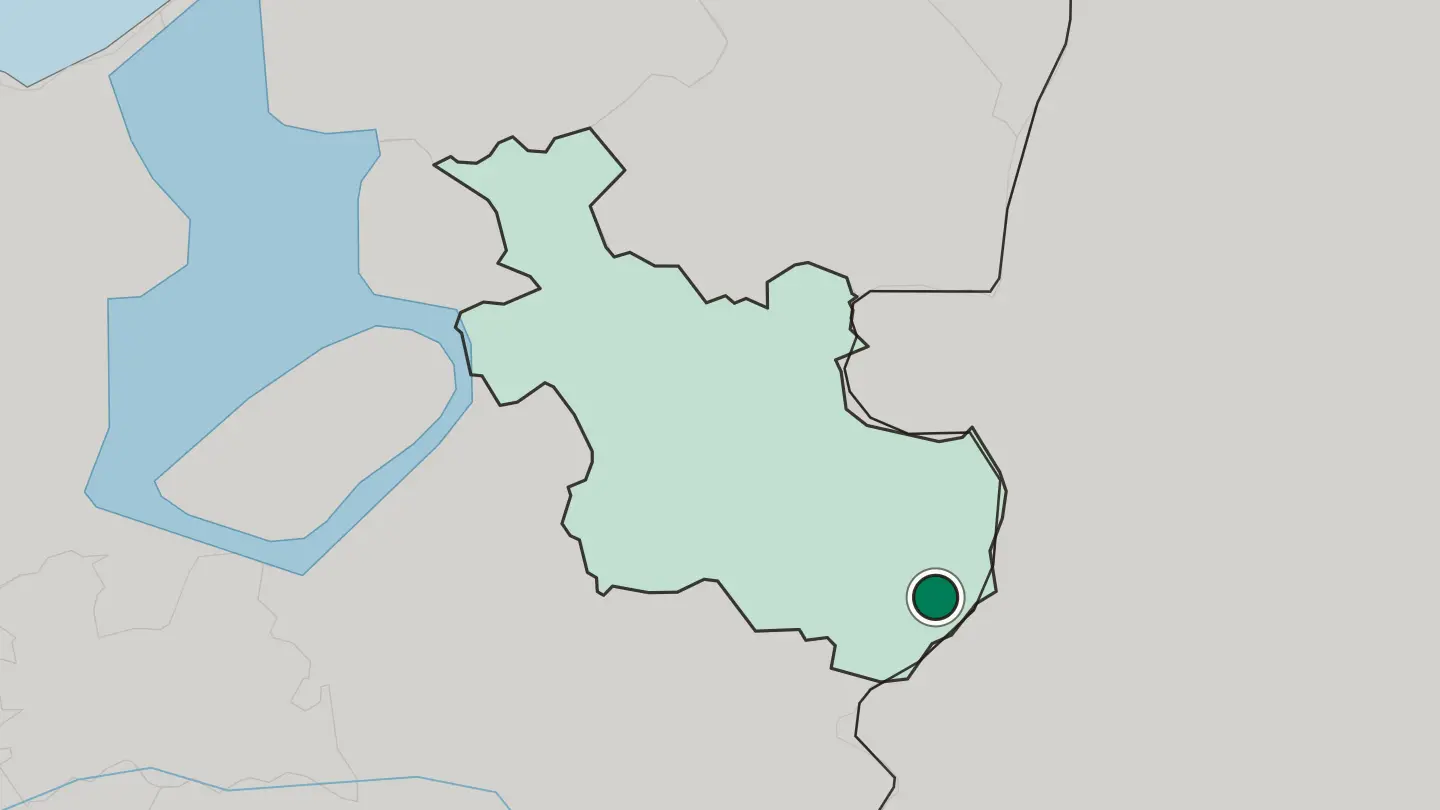
 Netherlands
Zwolle
Zwolle is the capital of Overijssel, a green city of parks and protected fronts on the eastern side of the River IJssel.Where to stay →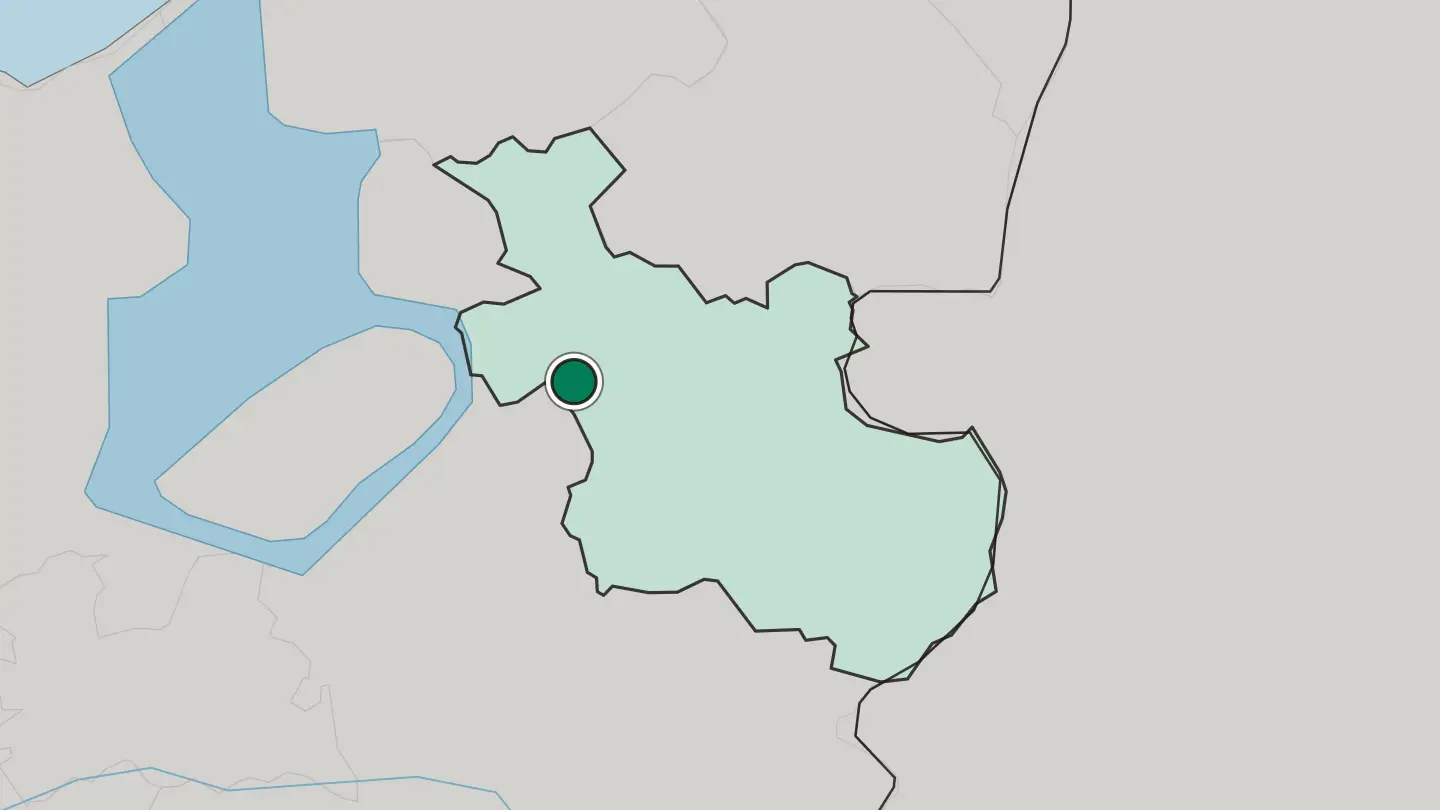 Netherlands
Deventer
Deventer is an old Hanseatic city on the IJssel river in the eastern Netherlands, one of the country's oldest towns.Where to stay →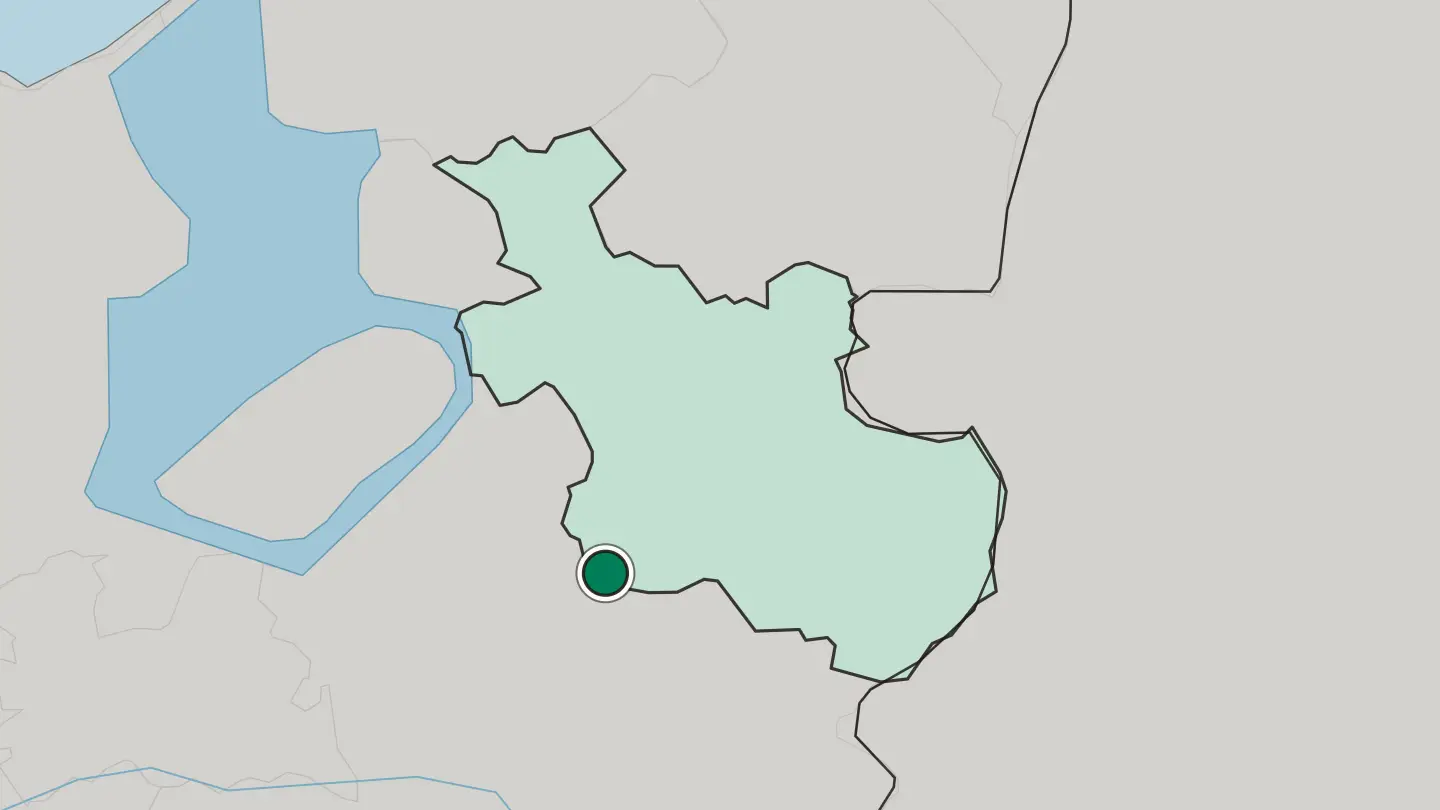
 Netherlands
Hengelo
Hengelo is a Twente city in Overijssel, close to the border with Germany, better known for its museums and shops than for any tourist circuit.Where to stay →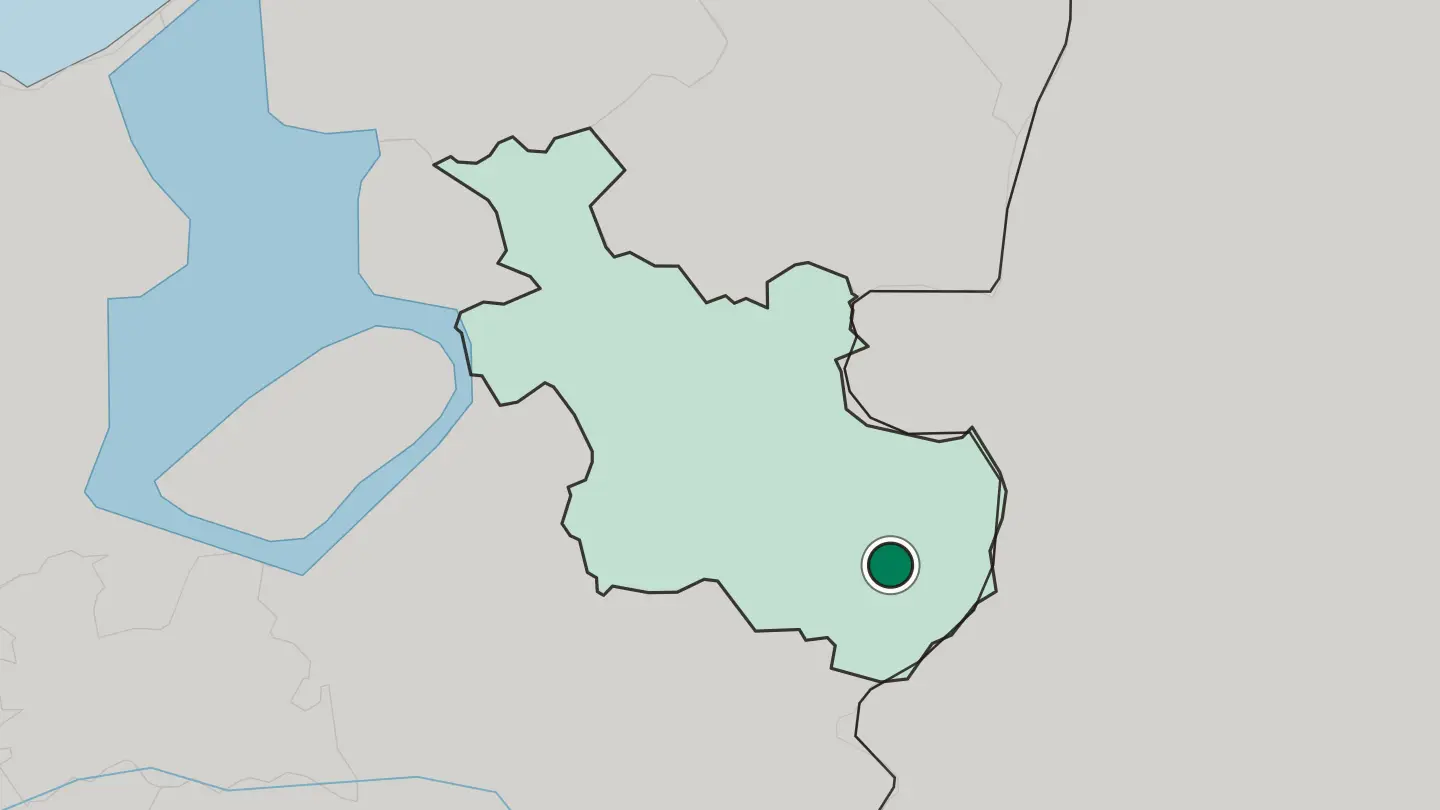
 Netherlands
Almelo
Almelo is a city in Twente, a region of Overijssel, ringed by rolling farmland and marked by the tower of the Sint Georgiusbasiliek.Where to stay →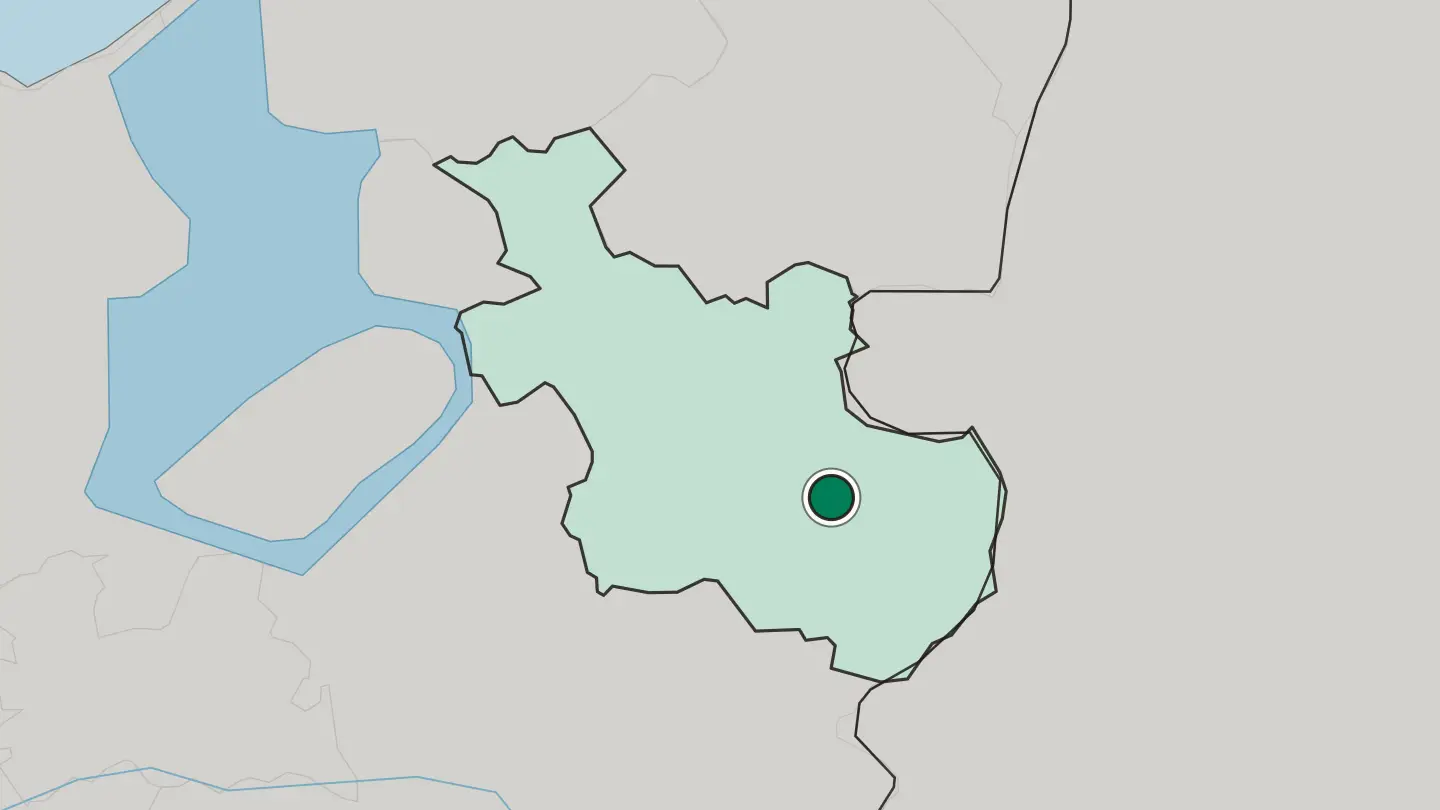
 Netherlands
Hardenberg
Hardenberg is a Provincie Overijssel town on the Drenthe and German borders, with Slot Hardenberg and the Höftekerk on a short register.Where to stay →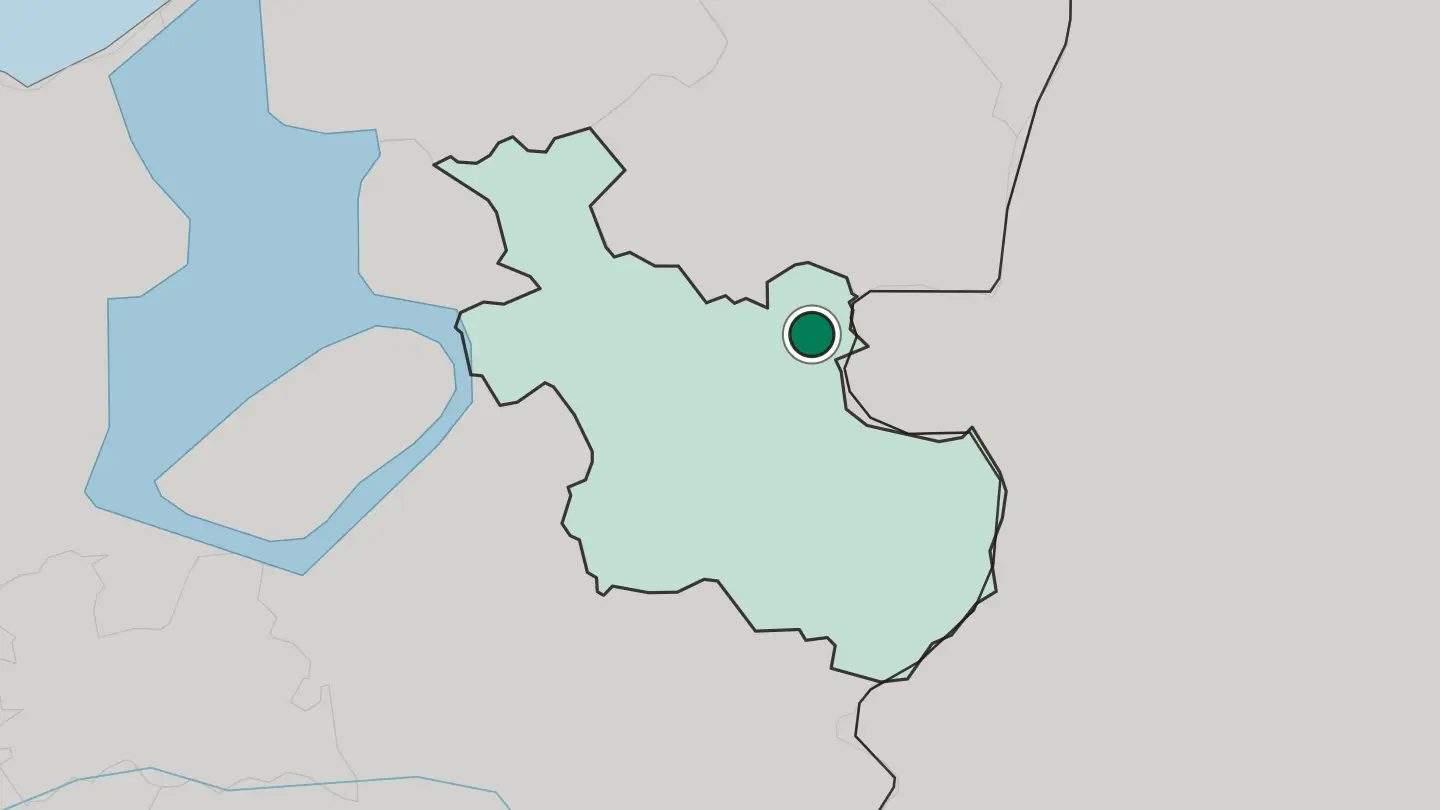
Hotel links are affiliate links: booking through them may earn us a commission, at no extra cost to you. It never affects how places are ranked. How this works
About Provincie Overijssel
What is Provincie Overijssel known for?
Overijssel takes its name from the IJssel, and its old river towns are the draw. Kampen, Deventer and Zwolle traded across the North and Baltic seas as members of the Hanseatic League, and their brick gables and church towers still line the water. East of them the land turns sandy and wooded across Twente, hard against the German border.
In the reed-cut north sits Giethoorn, a village threaded by canals rather than streets. Three faces, one province.
Where is Provincie Overijssel?
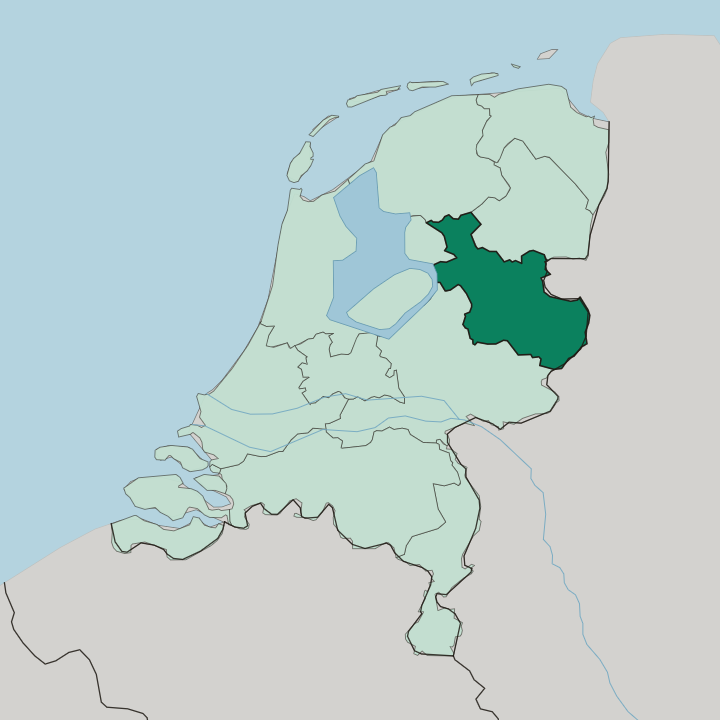
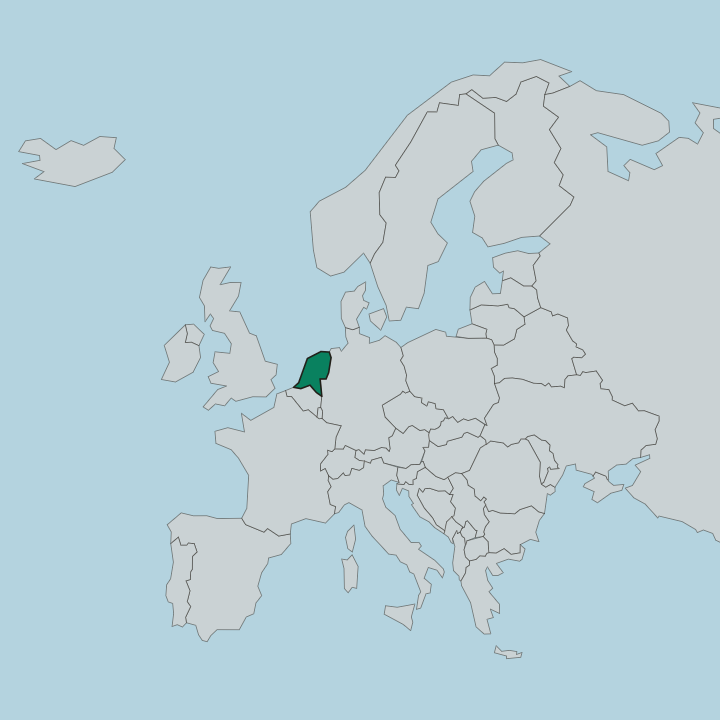
Overijssel lies in the eastern Netherlands, stretched between the old Zuiderzee shore in the west and the German states of Lower Saxony and North Rhine-Westphalia in the east. Its name says where it sits. The province is the land "over the IJssel", the Rhine branch that curls up from Gelderland to the south and separates the two provinces along its northern stretch.
Gelderland borders it to the south and west, Drenthe and Friesland to the north, and the reclaimed polders of Flevoland close off the west. The province falls into three parts. In the centre and along the river lies Salland, low and fertile clay country around Zwolle and Deventer, worked for grain and dairy.
To the east rises Twente, sandy and gently rolling, its brooks and low ridges reaching to the frontier at Enschede. The north-west is the Kop van Overijssel, a soaked landscape of peat, reed beds and open water where the Weerribben-Wieden marshes spread behind Giethoorn. Water shapes all of it.
The IJssel drains the south, canals and small rivers thread the sandy east, and the northern peat lies barely above the old sea. Every region turns on the same fact: this is where the wet Dutch lowland gives way to the sandy German plain.
What is Provincie Overijssel like?
Overijssel keeps a foot in two worlds, Dutch and Low Saxon. Its own tongue proves it. Across the countryside people still speak Nedersaksisch, the Low Saxon dialects grouped into Sallands and Twents, older than standard Dutch and recognised as a regional language.
That eastern, half-German character sets the province apart from the crowded Randstad far to the west. The trading past runs through daily life. Deventer, Kampen and Zwolle grew rich on the Hanseatic League, and their merchant houses, weigh-halls and stepped gables are the backdrop to markets, book fairs and the old spice trade the towns still celebrate.
Deventer was the home of Geert Groote and the Brethren of the Common Life, the devotional school that shaped Thomas à Kempis and, later, Erasmus. Faith and learning ran deep along the IJssel. Twente carries a different memory.
Cotton spinning and weaving made Enschede and the towns around it the heart of Dutch textiles in the nineteenth century, and the mills, workers' quarters and factory museums still tell that industrial story. People here are known across the country as level-headed and understated, more at ease in the reed marshes and beech woods than under bright lights. It is a quieter, plainer Netherlands.
What is the history of Provincie Overijssel?
Overijssel began as the Oversticht, the far domain of the prince-bishops of Utrecht across the IJssel. Its towns rose on trade. Deventer, Kampen and Zwolle joined the Hanseatic League and, by the fifteenth century, ranked among the busiest ports in the Low Countries, shipping goods between the Zuiderzee and the Rhine until Amsterdam eclipsed them around 1500.
In 1528 the prince-bishop sold his rights to Charles V, and the land passed to the Habsburgs before joining the Dutch Republic. Centuries later Twente's cotton mills gave the province a second, industrial life.
What is the climate of Provincie Overijssel?
Overijssel has a temperate maritime climate, mild and damp, with rain spread through the year. Distance tells here. Because the province sits well back from the North Sea, it runs to sharper extremes than the coastal Netherlands, and hard frosts settle over the Twente sand and the northern peat on a still winter night.
Spring and autumn stay grey and changeable. Skies are wide over the flat river country.
How do you get to Provincie Overijssel?
Most reach Overijssel by rail. Zwolle is the province's great rail junction, with lines fanning out to Amsterdam, the north and the east, so a change there reaches almost everywhere in Overijssel. Deventer and the Twente cities sit on the fast intercity route between the Randstad and Enschede at the German border.
Roads follow the same grain, running east from the IJssel crossings toward Germany. The nearest big airport lies west, at Amsterdam, an easy direct train away.
Common questions
What is the best area to stay in Provincie Overijssel?
Zwolle: a first base in Overijssel. Deventer: the IJssel waterfront and old bookshops. Enschede: eastern Twente and day trips into Germany. Giethoorn: the northern wetlands by boat.
Good for
More regions in Netherlands
Updated September 2026