Norway · Telemark fylke
Where to Stay in Dalen, Telemark fylke
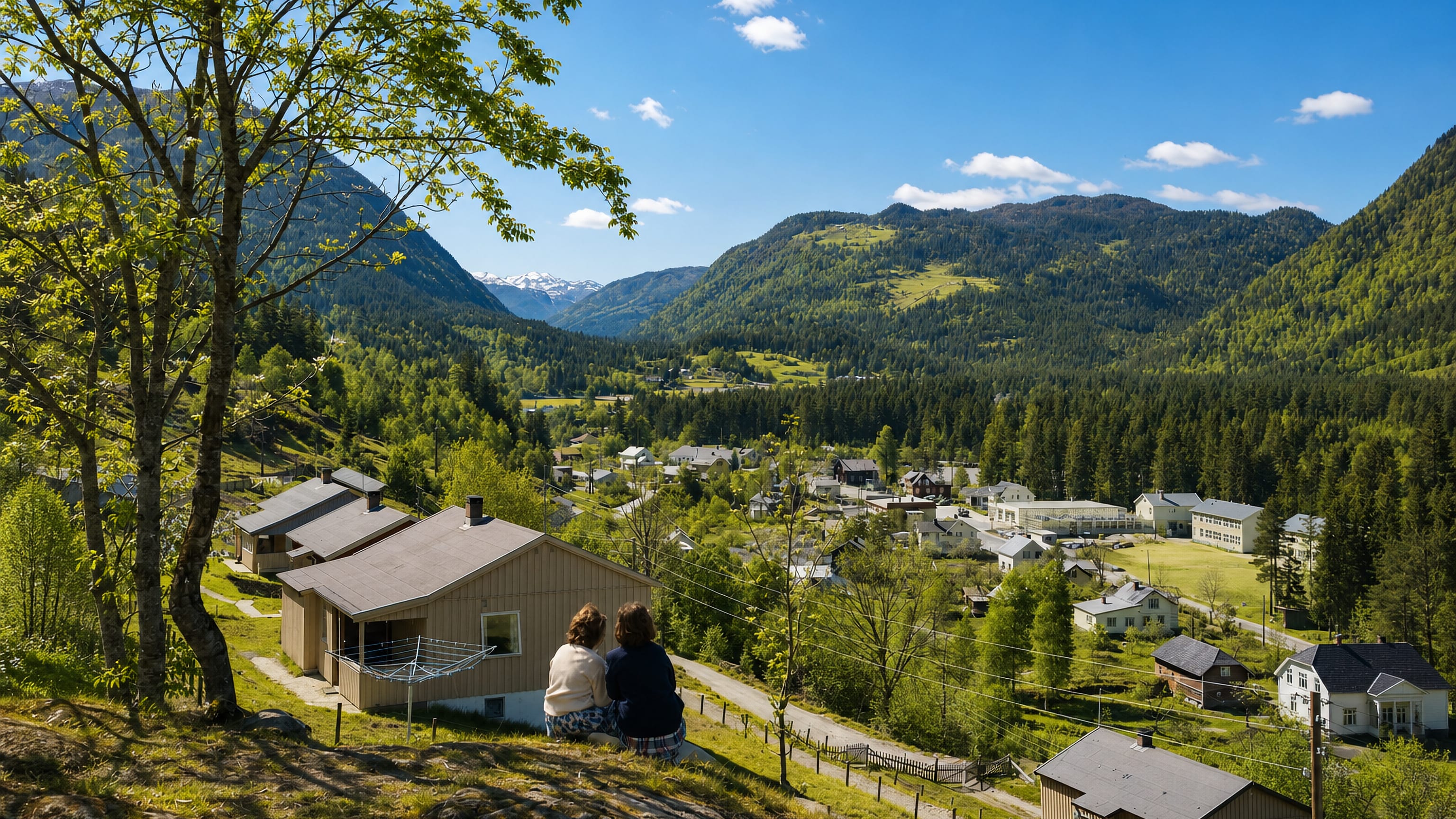
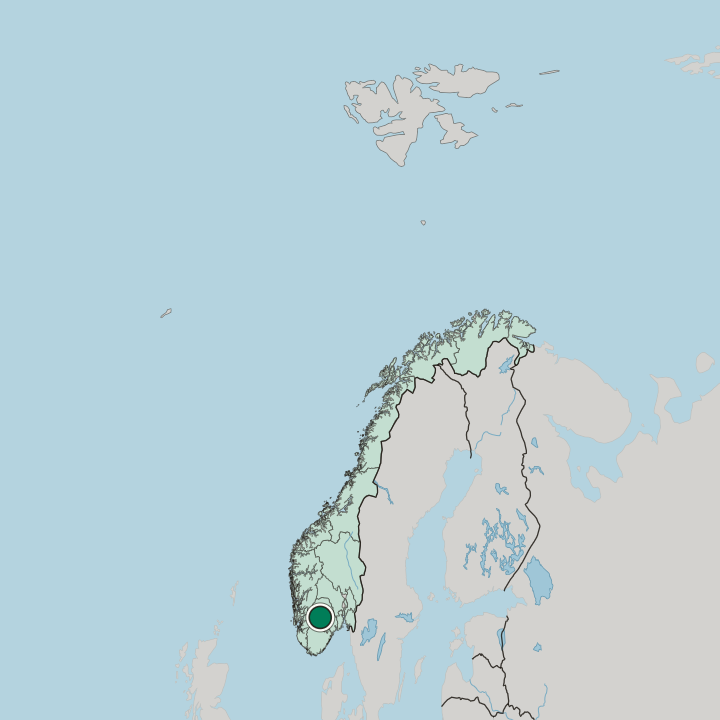
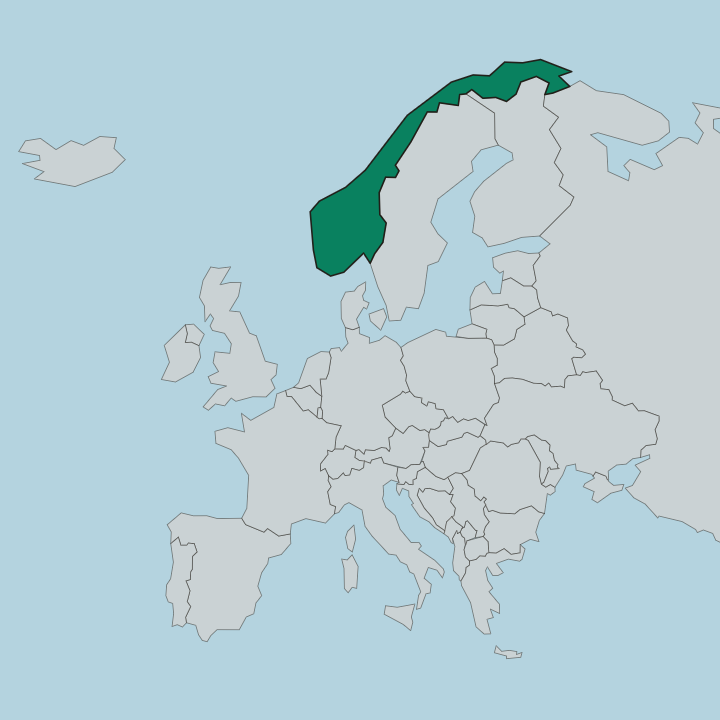
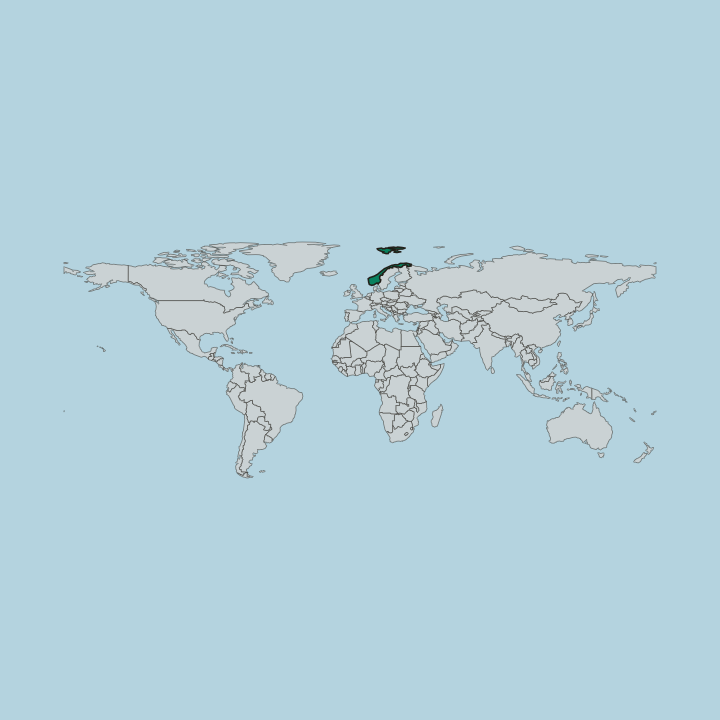
Dalen is the village centre of Tokke, in the western part of Telemark in south-eastern Norway.
Hotel links are affiliate links: booking through them may earn us a commission, at no extra cost to you. It never affects how places are ranked. How this works


Where to stay in Dalen
How the choice of base plays out on the ground.
Dalen village is the obvious base. As the centre of Tokke in the western part of Telemark, it gathers the rooms, the waterside quay and the everyday services of the district, with Eidsborg stavkirke and the Vest-Telemark Museum a short way up the hill at Eidsborg. Staying central keeps the canal landing and the valley sights close.
The parishes stretch out beyond it. Lårdal and Mo, each with its own old church, and the mining hamlet of Åmdals Verk lie scattered across the municipality. Stay in Dalen for the waterside and the stave church.
Choose an outlying village like Lårdal if you want a quieter valley base, all linked by road across this corner of Telemark.
Find hotels in Dalen
Direct booking searches for these neighbourhoods.
Dalen village
The centre of Tokke on the waterside holds the village rooms and the quay, with Eidsborg stavkirke and the Vest-Telemark Museum a short climb away at Eidsborg.Find hotels in Dalen villageQuiet valley stays near Lårdal kirke and Åmdals VerkLårdal and the outlying parishes
The valley villages of Lårdal and Mo with their old churches, and the mining hamlet of Åmdals Verk, offer still rural bases scattered across the Tokke uplands. Few places to stay nearby — book ahead.Find hotels in Lårdal and the outlying parishesHotel links are affiliate links: booking through them may earn us a commission, at no extra cost to you. It never affects how places are ranked. How this works
Things to do in Dalen
Ranked by global recognition; descriptions from Wikidata (CC0).
Museums & Galleries
3- Vest-Telemark Museum heritage institution
- Grimdalstunet
- Vest-Telemark Museum Eidsborg
Churches & Religious Sites
3- Eidsborg Stave Church Heritage
- Mo Church Heritage
- Lårdal Church Heritage church in Tokke
worth knowingacross 2 categories in Dalen
About Dalen
Dalen is stave-church country.
What is Dalen known for?
Just above the village stands Eidsborg stavkirke, a timber stave church and one of the best-known sights of the western part of Telemark. History runs deeper here. The Vest-Telemark Museum at Eidsborg gathers the region's heritage, and the old Åmdals Verk Gruver recall the mining that once worked these Tokke hills.
What are the main landmarks in Dalen?
Eidsborg stavkirke is the great sight. The timber stave church on the hill above the village is the signature landmark of this part of the western part of Telemark, with the Vest-Telemark Museum gathered around it at Eidsborg. Churches and mines fill out the rest.
Skafså kirke, Lårdal kirke and Mo kirke serve the parishes, while Grimdalstunet preserves an old farm and the Åmdals Verk Gruver open up the mining past of Tokke.
What is the history of Dalen?
The stave church marks how old Dalen's valley is. Eidsborg stavkirke, raised in timber on the hill above the village, shows that this stretch of the western part of Telemark was a settled parish far back in the medieval centuries. Faith and farming spread along the valleys.
Skafså, Lårdal and Mo each built their churches, and the farm at Grimdalstunet preserves the old rural life of Tokke. Later the hills gave up ore. The Åmdals Verk Gruver worked copper in the Tokke uplands, and the waterside village of Dalen grew as the district's meeting point and quay.
The Vest-Telemark Museum at Eidsborg now gathers that long record. Dalen kept its place as a small valley centre, the everyday hub of Tokke on the inland waters of south-eastern Norway, beneath its ancient stave church.
Where is Dalen?
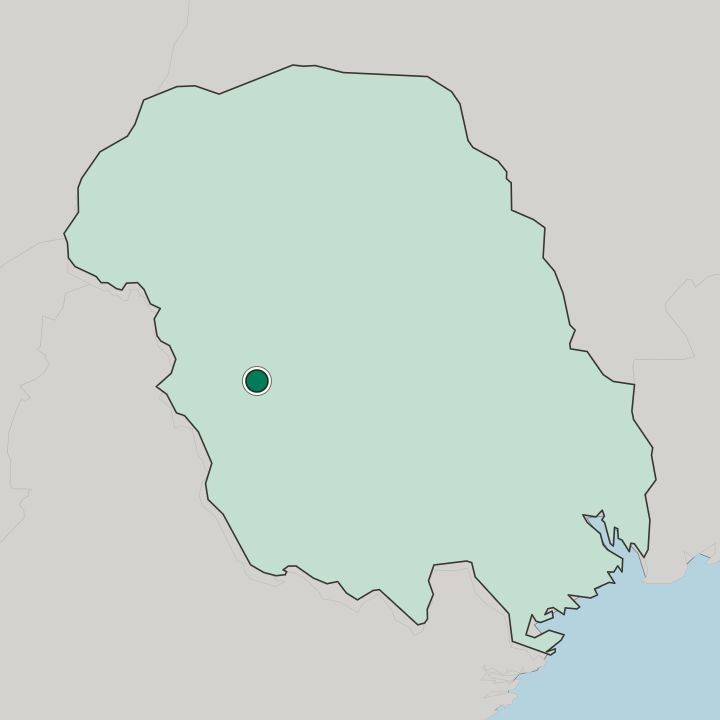
Dalen sits at a valley junction. The village lies on the inland waters of the western part of Telemark, where steep wooded hills close in and the parishes of Tokke spread up the side valleys. Eidsborg rises just above.
The communities of Lårdal, Mo and Skafså reach back into the uplands, scattering the municipality across the deep valleys of south-eastern Norway.
What is the climate of Dalen?
The valley holds cold air. Deep inland in the western part of Telemark, Dalen has hard, snowy winters that settle into the steep valleys around Tokke for months on end. Summers come warm and short.
Mild bright weather fills the valley floor below Eidsborg through the warm season, the green half of the year in this inland corner of south-eastern Norway.
How do you get to Dalen?
Dalen lies far up the valleys. The village sits deep in the western part of Telemark, reached overland by the roads that wind through Tokke rather than by rail. Most travellers come by road.
The valley roads link Dalen past Eidsborg and Lårdal to the wider routes of south-eastern Norway, and the waterside quay served the old inland boat traffic.
Common questions
What is the best area to stay in Dalen?
Dalen village: Waterside base below Eidsborg stavkirke. Lårdal and the outlying parishes: Quiet valley stays near Lårdal kirke and Åmdals Verk.
Good for
More cities in Telemark fylke
Updated October 2026