Norway · Telemark fylke
Where to Stay in Siljan, Telemark fylke
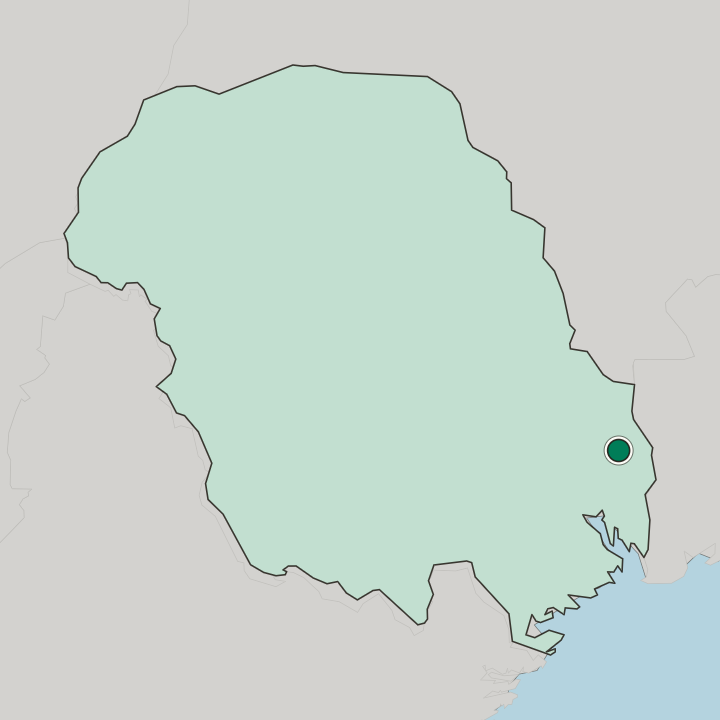
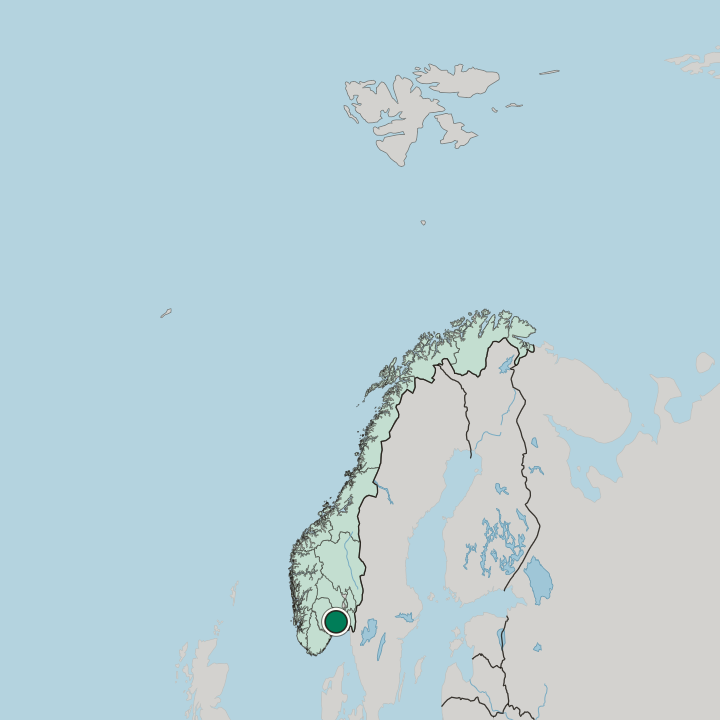
Siljan is a quiet forest-and-lake municipality in the eastern part of Telemark, in south-eastern Norway.
Hotel links are affiliate links: booking through them may earn us a commission, at no extra cost to you. It never affects how places are ranked. How this works


Where to stay in Siljan
The practical side of choosing where to sleep.
Lodging in Siljan runs to almost nothing. The village around Siljan kirke holds the church, the school and a scatter of houses by the lakeshore, and a stay here means a rural base among the forests of the eastern part of Telemark rather than a choice of hotels. Most visitors who want rooms look instead to neighbouring Skien, the larger town just down the valley.
That is where the choice lies. Skien carries the hotels, the guesthouses and the museums, including the Telemark Museum and the reconstructed Jernaldergården Århus, all within easy reach of Siljan by road. Stay in Siljan for quiet.
Choose Skien if you want the beds and the sights of the wider district close at hand, and treat the lake parish as a calm day out from the town.
Find hotels in Siljan
Direct booking searches for these neighbourhoods.
Siljan village
The houses around Siljan kirke and the lakeshore make a still, rural base among the forests of the eastern part of Telemark, well away from any town. Few places to stay nearby — book ahead.Find hotels in Siljan villageTown beds and the Telemark Museum a short drive from SiljanSkien down the valley
Neighbouring Skien holds the hotels and the Telemark Museum, the practical place to sleep within an easy drive of the Siljan lake parish.Find hotels in Skien down the valleyHotel links are affiliate links: booking through them may earn us a commission, at no extra cost to you. It never affects how places are ranked. How this works
About Siljan
Siljan is a small inland parish.
What is Siljan known for?
Its centre gathers around Siljan kirke and the lake that gives the municipality its name, a low-key spread of farms and forest in the eastern part of Telemark rather than a tourist town. The bigger sights sit nearby in Skien. There the Telemark Museum lays out the region's cultural history, and the smaller Jernaldergården Århus reconstructs an iron-age farmstead just down the valley.
What are the main landmarks in Siljan?
Siljan kirke anchors the parish. The white church stands by the lake at the centre of the municipality, the one clear landmark of this corner of the eastern part of Telemark. The fuller collections lie in Skien.
There the Telemark Museum holds the region's cultural history and the small Jernaldergården Århus rebuilds an iron-age farm, both an easy drive from the Siljan valley.
What is the history of Siljan?
Farming and forest shaped Siljan. The parish grew slowly around its lake in the eastern part of Telemark, a community of farms and woodland holdings that took the lake's own name and built Siljan kirke as its gathering point. The land tied it to the timber.
Logs cut in these forests were floated and hauled down the valley toward Skien, the larger town that has long served as the district's market and seat. The deeper past leaves traces nearby. The reconstructed Jernaldergården Århus near Skien shows how iron-age farmers worked this part of Telemark long before the parish took shape, and the Telemark Museum gathers the wider record of the region.
Siljan itself stayed small and rural. It kept its place as a quiet lake-and-forest municipality on the inland edge of south-eastern Norway, its life turning on the farms, the church and the woods rather than on any town of its own.
Where is Siljan?
Siljan sits well back from the coast. The municipality fills a forested valley in the eastern part of Telemark, with the lake that shares its name running through the middle and wooded ridges rising on either side. Skien sits beyond the hills.
The valley drains down toward that larger neighbour, and the road out of the parish follows the water and the woods south through this quiet stretch of south-eastern Norway.
What is the climate of Siljan?
Inland air rules here. Deep among the forests of the eastern part of Telemark and well back from the coast, Siljan has the colder winters and the warm, green summers of a sheltered valley far from the moderating sea. The lake holds the season.
Long bright summer days over the water and the woods mark the warm half of the year in this corner of south-eastern Norway, with frost and snow settling over the valley once winter takes hold.
How do you get to Siljan?
Siljan sits off the through-roads. The parish lies up its own forested valley in the eastern part of Telemark, reached by the road that climbs from Skien rather than by any main line of south-eastern Norway. Skien is the gateway.
Travellers come up the valley from that larger town by car, and the route in and out follows the lake and the woods between the two.
Common questions
What is the best area to stay in Siljan?
Siljan village: Lakeside rural quiet by Siljan kirke in the Telemark forests. Skien down the valley: Town beds and the Telemark Museum a short drive from Siljan.
Good for
More cities in Telemark fylke
Updated September 2026