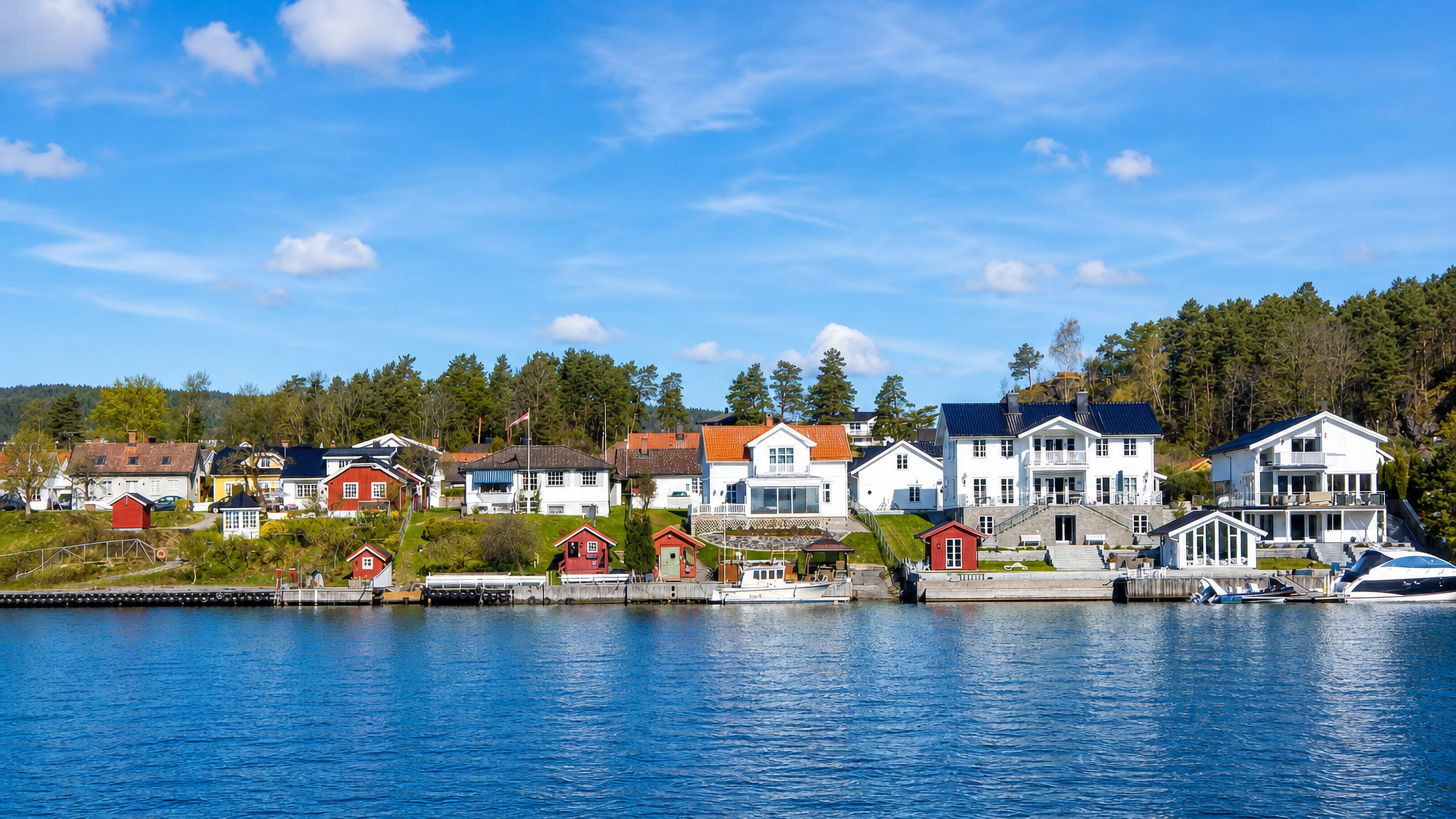
Norway · Telemark fylke
Where to Stay in Porsgrunn, Telemark fylke
Porsgrunn is an industrial port city in Grenland, south-eastern Norway, famous for the porcelain it has made since 1885.
Hotel links are affiliate links: booking through them may earn us a commission, at no extra cost to you. It never affects how places are ranked. How this works


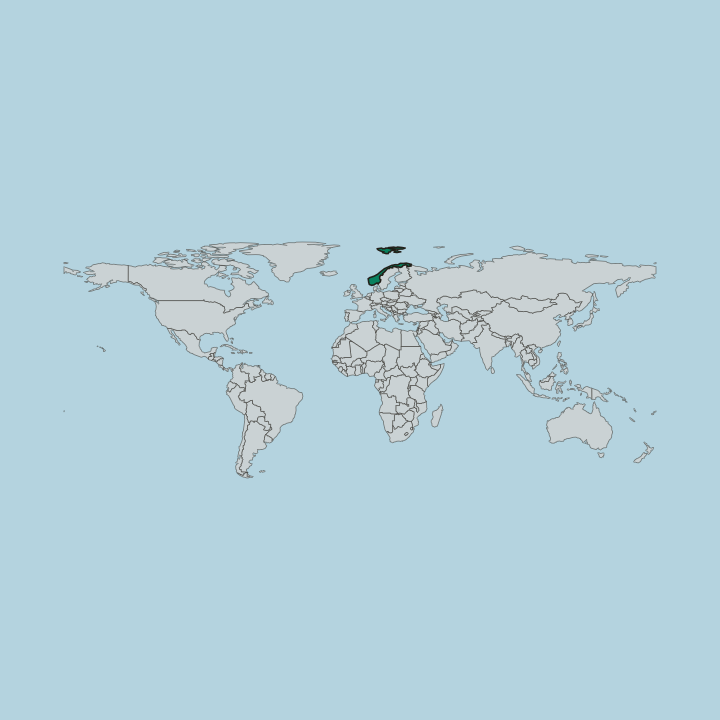
Where to stay in Porsgrunn
Where the beds are, and what that means for the visit.
The riverside centre is the natural base. It gathers the hotels close to the waterfront, the shops and the DuVerden museum, with Vår Frue kirke and the Porselensmuseet within an easy walk of the main streets. Staying here keeps you in the heart of the south-eastern part of Telemark, near the river that runs through town and the bridges that tie the two banks of Porsgrunn together.
The city also reaches out. The industrial peninsula of Herøya and the residential parishes around Stridsklev kirke and Nenset kirke lie beyond the centre, useful for longer or quieter stays. Down the fjord mouth sit the outlying town of Brevik and the village of Heistad, options for travellers who want water on the doorstep.
Start with the riverside core. Choose the outer districts if you prefer space and a short ride into Grenland's working core. Both work as a base.
Find hotels in Porsgrunn
Direct booking searches for these neighbourhoods.
Porsgrunn riverside centre
The DuVerden museum, Vår Frue kirke and the Porselensmuseet sit a short walk from the river bridges, putting the port city's core on foot.Find hotels in Porsgrunn riverside centreQuieter stays near Stridsklev kirke and the Herøya worksHerøya and the outer parishes
The industrial peninsula of Herøya and the residential churches of Stridsklev kirke and Nenset kirke offer roomier ground away from the centre.Find hotels in Herøya and the outer parishesHotel links are affiliate links: booking through them may earn us a commission, at no extra cost to you. It never affects how places are ranked. How this works
Things to do in Porsgrunn
Ranked by global recognition; descriptions from Wikidata (CC0).
Museums & Galleries
2- Duverden (Norway) company
- Porselensmuseet
Churches & Religious Sites
3- Østre Porsgrunn Church Heritage
- Herøya Church Heritage
- Vår Frue Church
Stadiums & Sports
1- Herøya stadion
worth knowingacross 3 categories in Porsgrunn
About Porsgrunn
Porcelain made the name.
What is Porsgrunn known for?
The Porsgrunds Porselænsfabrik has turned out tableware here since 1885, and the Porselensmuseet now tells that story in the city centre. Industry runs deeper still around the Herøya plants that anchor the working waterfront. The DuVerden maritime and industrial museum sets the wider Grenland story alongside it, in a city that has long been a heavy-industry hub of the south-eastern part of Telemark.
What are the main landmarks in Porsgrunn?
Churches and industry share the skyline. Vår Frue kirke marks the centre, with Herøya kirke, Stridsklev kirke, Nenset kirke and Borgestad kirke spread through the surrounding parishes; Østre Porsgrunn kirke, the old church lost to a fire in 2011, is remembered among them. The factory floor is a draw in its own right.
The Porselensmuseet and the DuVerden museum keep the porcelain and maritime history of Grenland on show beside the working Herøya waterfront.
What is the history of Porsgrunn?
The river built the town. Porsgrunn grew at the mouth of the waterway that carried the timber and goods of Grenland down to the sea, and that port trade made it the natural outlet for the south-eastern part of Telemark. Shipping and the customs house came first.
The early church, Østre Porsgrunn kirke, anchored the older east bank of the settlement before fire took it in 2011. Industry transformed the place in the nineteenth century. The Porsgrunds Porselænsfabrik opened in 1885 and gave the city the porcelain trade that still defines its name, while the heavy plants of Herøya later turned the waterfront into one of the industrial engines of the region.
The DuVerden and Porselensmuseet museums now hold that record, and the city remains the working heart of Grenland alongside neighbouring Skien.
Where is Porsgrunn?
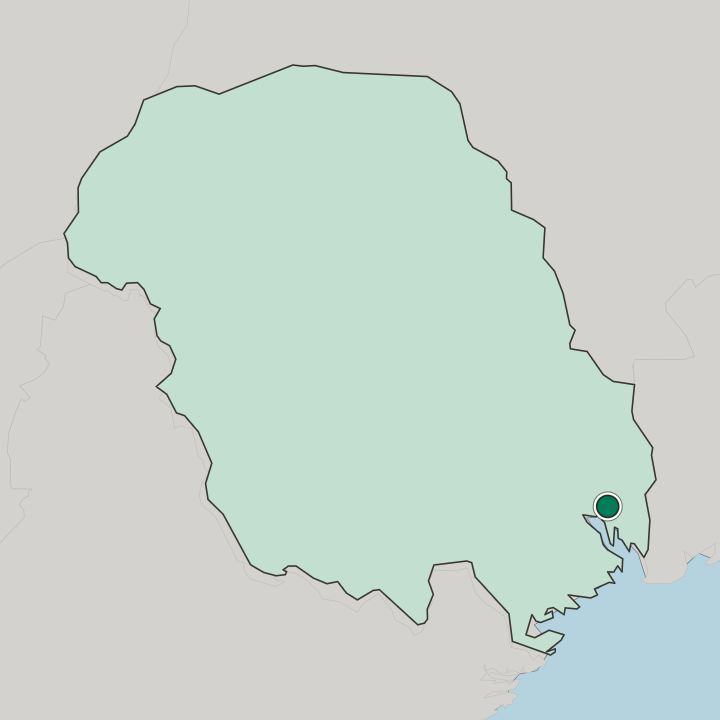
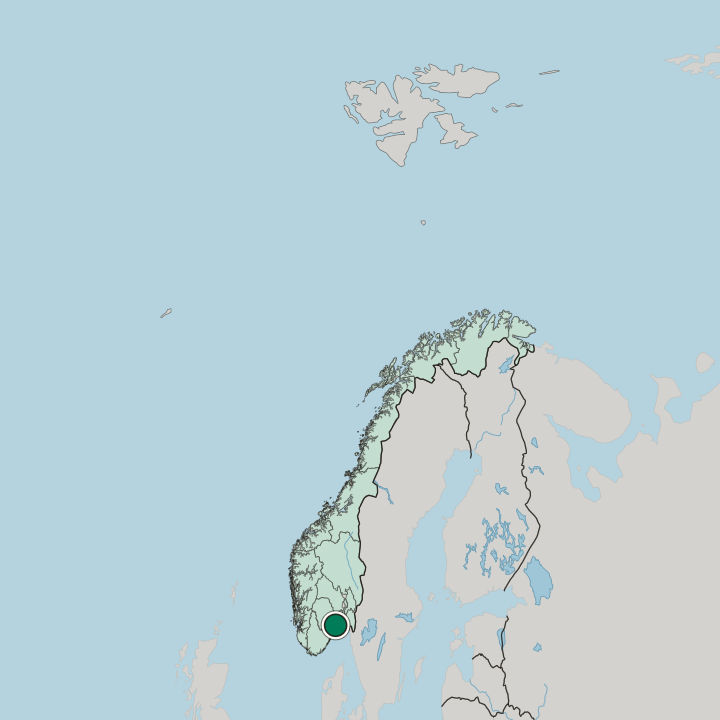
Porsgrunn lies along the river where it widens toward the fjord, in the south-eastern part of Telemark and at the heart of the Grenland district. The city spreads over both banks and out onto the industrial peninsula of Herøya, with the older town of Brevik guarding the narrows further down toward the sea. Water runs through everything.
The river, the bridges and the fjord mouth shape where the streets, the works and the parishes of the city sit.
What is the climate of Porsgrunn?
The coast keeps Porsgrunn mild. Sitting at the fjord mouth in the south-eastern part of Telemark, the city has cool, damp winters with far less hard cold than the Telemark interior, and the sheltered Grenland lowland warms its summers into a green, comfortable stretch along the river. Showers come in every season.
Spring and autumn bring colour to the wooded slopes above the working waterfront of Herøya.
How do you get to Porsgrunn?
Getting here is straightforward. It sits on the road and rail routes through the south-eastern part of Telemark and shares the wider Grenland transport network with neighbouring Skien, linking the city to the capital region and the coast. The fjord adds a sea route.
Cargo and ferry traffic still work the waterway past Brevik, while trains and the main highways carry most arrivals into the industrial core.
Common questions
What is the best area to stay in Porsgrunn?
Porsgrunn riverside centre: Waterfront base by the DuVerden museum and Vår Frue kirke. Herøya and the outer parishes: Quieter stays near Stridsklev kirke and the Herøya works.
Good for
More cities in Telemark fylke
Updated October 2026