Norway · Telemark fylke
Where to Stay in Ulefoss, Telemark fylke
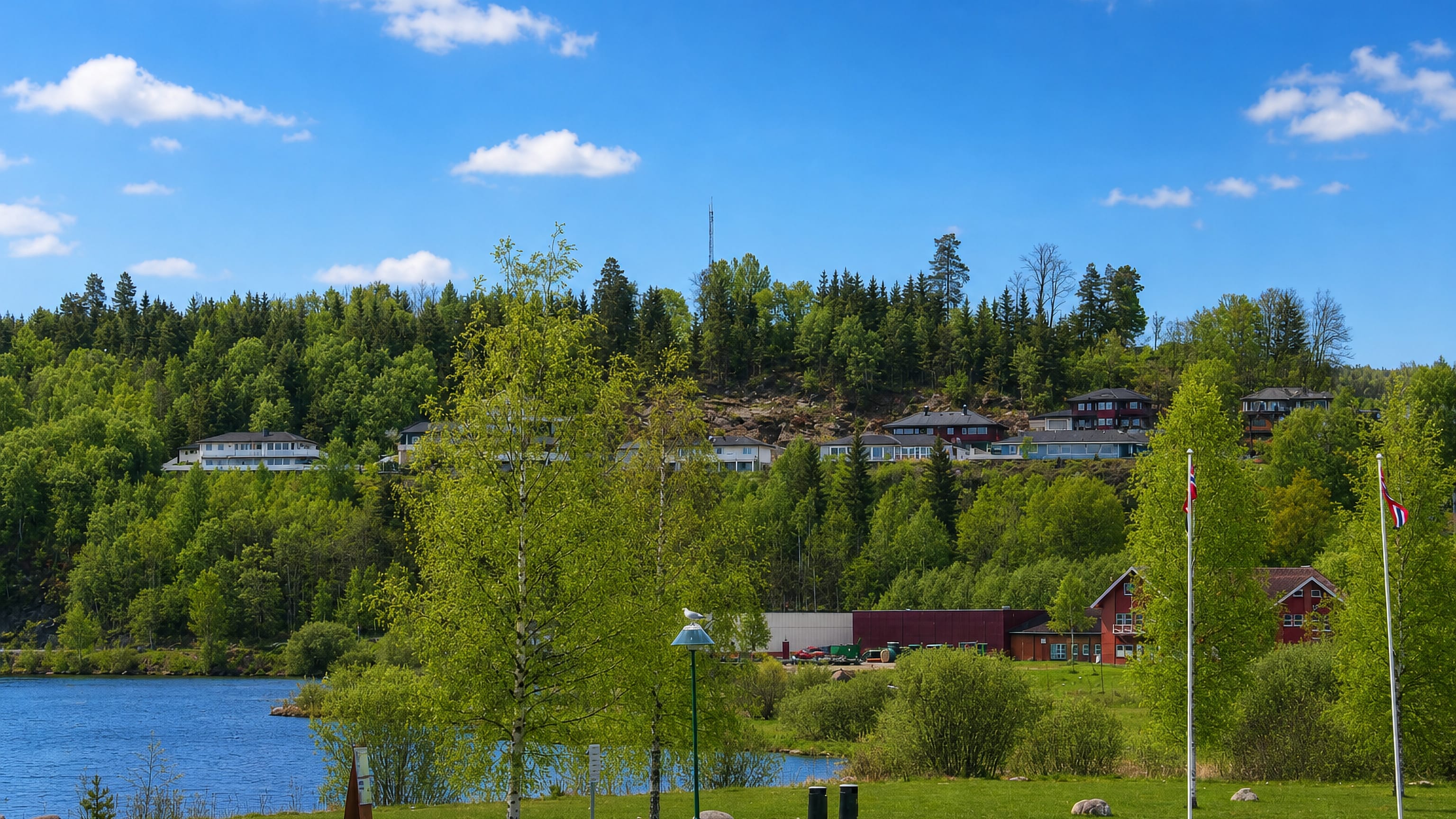
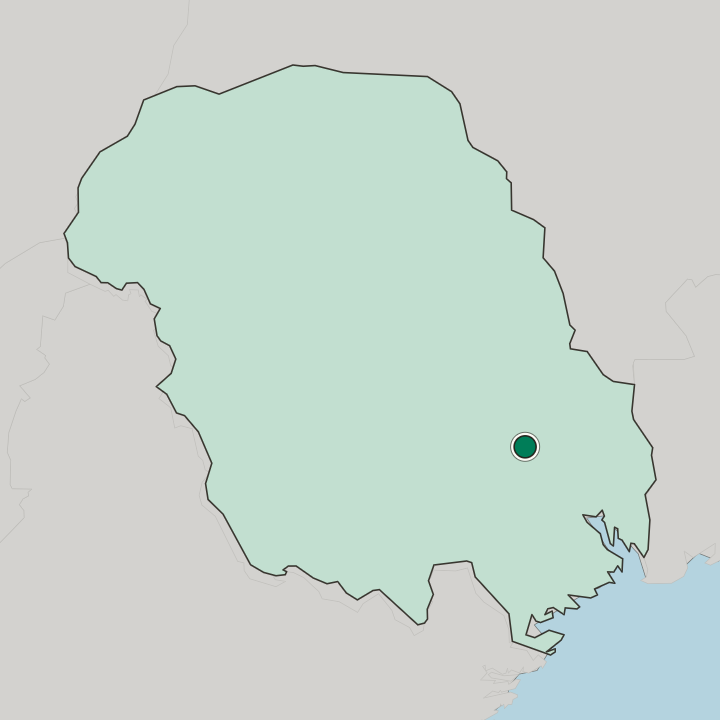
Ulefoss is a small town in Nome municipality, set in the eastern part of Telemark in south-eastern Norway.
Hotel links are affiliate links: booking through them may earn us a commission, at no extra cost to you. It never affects how places are ranked. How this works


Where to stay in Ulefoss
The practical side of choosing where to sleep.
Ulefoss is a compact place, so most travellers base themselves in the town itself. The centre is the natural choice: stay here and you are within reach of the everyday shops and the road out to the parish churches that ring the municipality of Nome. You will want this if a quiet country stop in Telemark is the point of the trip rather than a city break.
Beds across Nome are quickly counted. Out toward the farmed slopes around Lunde kirke and Romnes kirke, the odd guesthouse and farm room offer a calmer night among the fields, while the uplands near Landsmarka kapell suit walkers who prefer open country to a town room. Rooms are scarce in every part, so it pays to book ahead.
Many visitors treat Ulefoss as a base for the eastern Telemark countryside, sleeping in or near town and driving out to the churches and the surrounding parishes of Nome by day.
Find hotels in Ulefoss
Direct booking searches for these neighbourhoods.
Ulefoss town
the working centre of Nome within reach of the everyday shops and the road out to the parish churches. Few places to stay nearby — book ahead.Find hotels in Ulefoss townfarm-stay calm among the fieldsThe Lunde and Romnes farmlands
guesthouses on the farmed slopes around the heritage-listed Lunde kirke and Romnes kirke. Lodging is scarce in this area; reserve in advance.Find hotels in The Lunde and Romnes farmlandswalkers in open countryThe Landsmarka uplands
rooms in the higher ground near Landsmarka kapell above the valley farms. Lodging is scarce in this area; reserve in advance.Find hotels in The Landsmarka uplandsHotel links are affiliate links: booking through them may earn us a commission, at no extra cost to you. It never affects how places are ranked. How this works
About Ulefoss
Ulefoss is best known as a town of the Telemark interior.
What is Ulefoss known for?
It anchors the municipality of Nome in the eastern part of the county, a settlement of parishes and old church grounds rather than crowds. Quiet country surrounds it. The heritage-listed Lunde kirke and Romnes kirke gather the surrounding farms, with the smaller Landsmarka kapell serving the uplands, and the town sits among them as the working centre of this corner of Telemark.
What are the main landmarks in Ulefoss?
Lunde kirke is the landmark most visitors meet first. The heritage-listed church gathers the parish at the heart of Nome, a short way from Ulefoss. Old stone marks the district.
Nearby Romnes kirke, also heritage-listed, stands among the farms, while the smaller Landsmarka kapell serves the upland congregation higher in the hills, and between them the three churches map out the scattered parishes that the town of Ulefoss anchors in eastern Telemark.
What is the history of Ulefoss?
Ulefoss grew up as a country settlement in the Telemark interior. Its story is read most clearly in stone, in the parish churches that ring the municipality of Nome and mark where farming communities gathered for generations on the land of the eastern county. Parish worship came before the town.
Romnes kirke and Lunde kirke, both now heritage-listed, fixed the centres of worship for the surrounding farms long before the modern town took its present shape, and the smaller Landsmarka kapell rose later to serve the people of the uplands. The land shaped the settlement. Ulefoss settled where the working life of the district could draw together, becoming over time the recognised centre of this corner of Telemark and the working town of Nome.
Around it the old parishes endured, their heritage-listed churches still standing as the oldest landmarks of a place whose deeper records are sparse. The town carries that quiet inland history into the present day.
Where is Ulefoss?
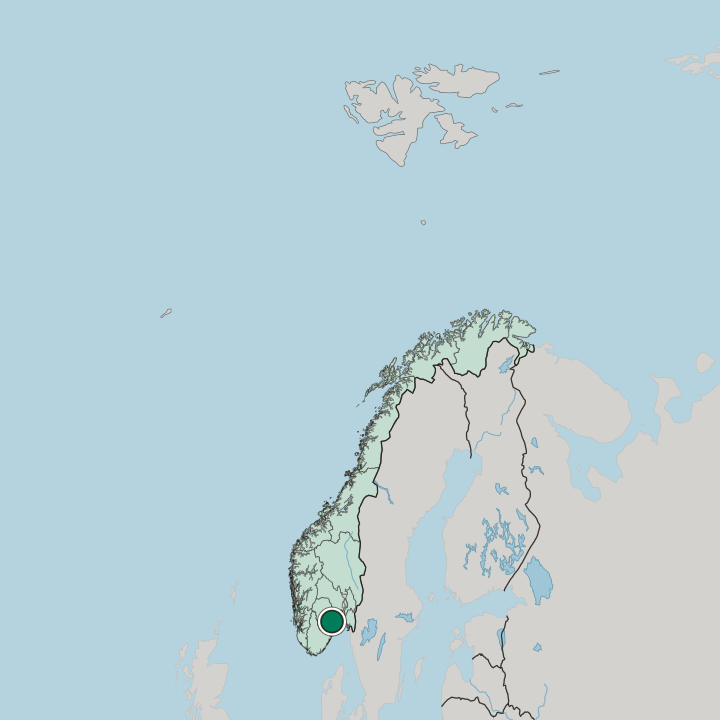
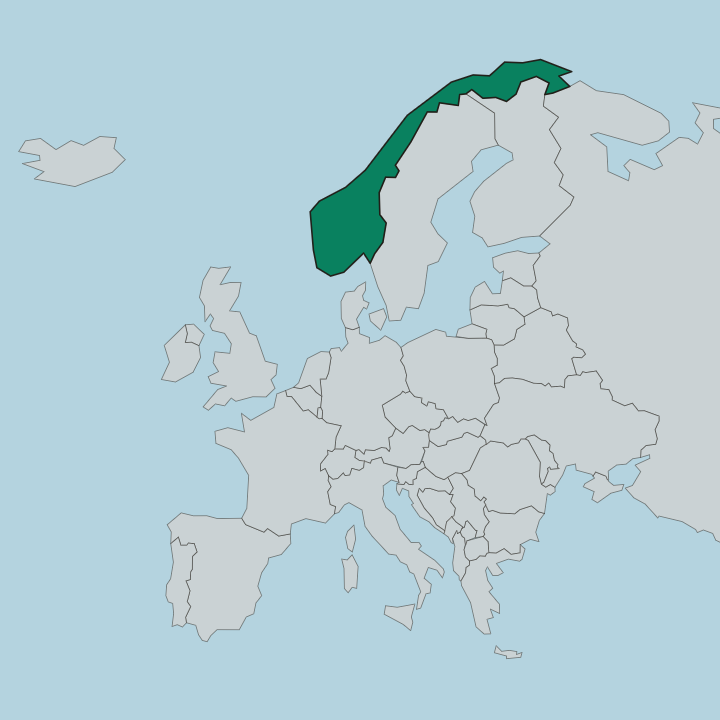
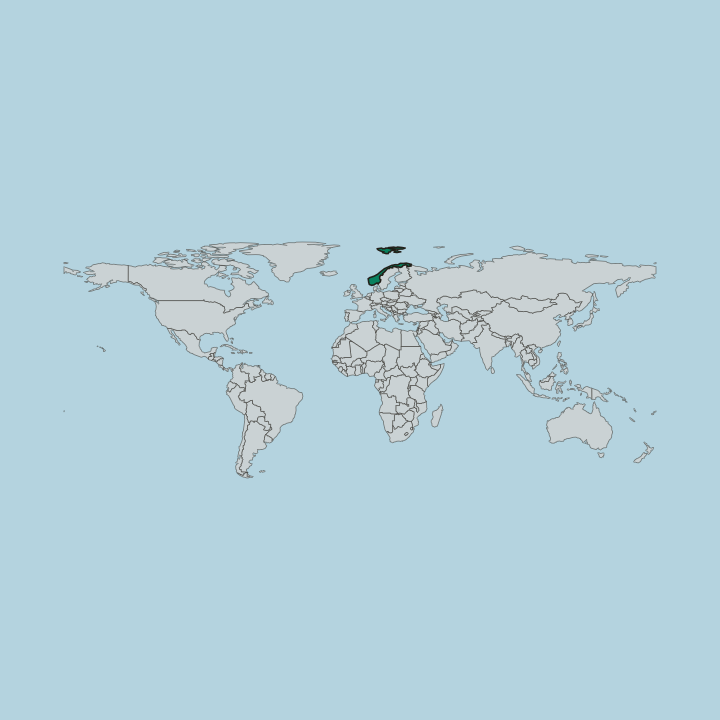
Ulefoss lies in south-eastern Norway (Østlandet), in the eastern part of Telemark. The land is rolling and inland. The town sits at the heart of the municipality of Nome, with farmland and low wooded hills running out toward the parishes of Romnes kirke and Lunde kirke and the higher ground around Landsmarka kapell.
This is interior country, set well back from the coast among the lakes and forests of eastern Telemark.
What is the climate of Ulefoss?
Ulefoss has the cool inland weather of eastern Telemark. Lying well back from the sea among low hills and forest, the town sees cold, snowy winters that settle over the farms around Lunde kirke and warmer, greener summers in the sheltered valley. Winters turn cold and snowy.
In Ulefoss the snow stays on the ground for months. The seasons turn sharply between the wooded ridges of Nome, with crisp clear spells in winter and mild light over the parishes in the short summer before autumn closes in over the interior.
How do you get to Ulefoss?
Reaching Ulefoss means a drive into the Telemark interior. Roads run inland from the lowlands to the town at the centre of Nome, threading through farmland and wooded hills well away from the coast. The journey is a country one.
Lanes branch off toward the parish churches of Romnes kirke and Lunde kirke and climb to the uplands around Landsmarka kapell, while the main route ties Ulefoss to the wider road network of eastern Telemark.
Common questions
What is the best area to stay in Ulefoss?
Ulefoss town: a quiet country base in Nome. The Lunde and Romnes farmlands: farm-stay calm among the fields. The Landsmarka uplands: walkers in open country.
Good for
More cities in Telemark fylke
Updated September 2026