Norway · Telemark fylke
Where to Stay in Kragerø, Telemark fylke
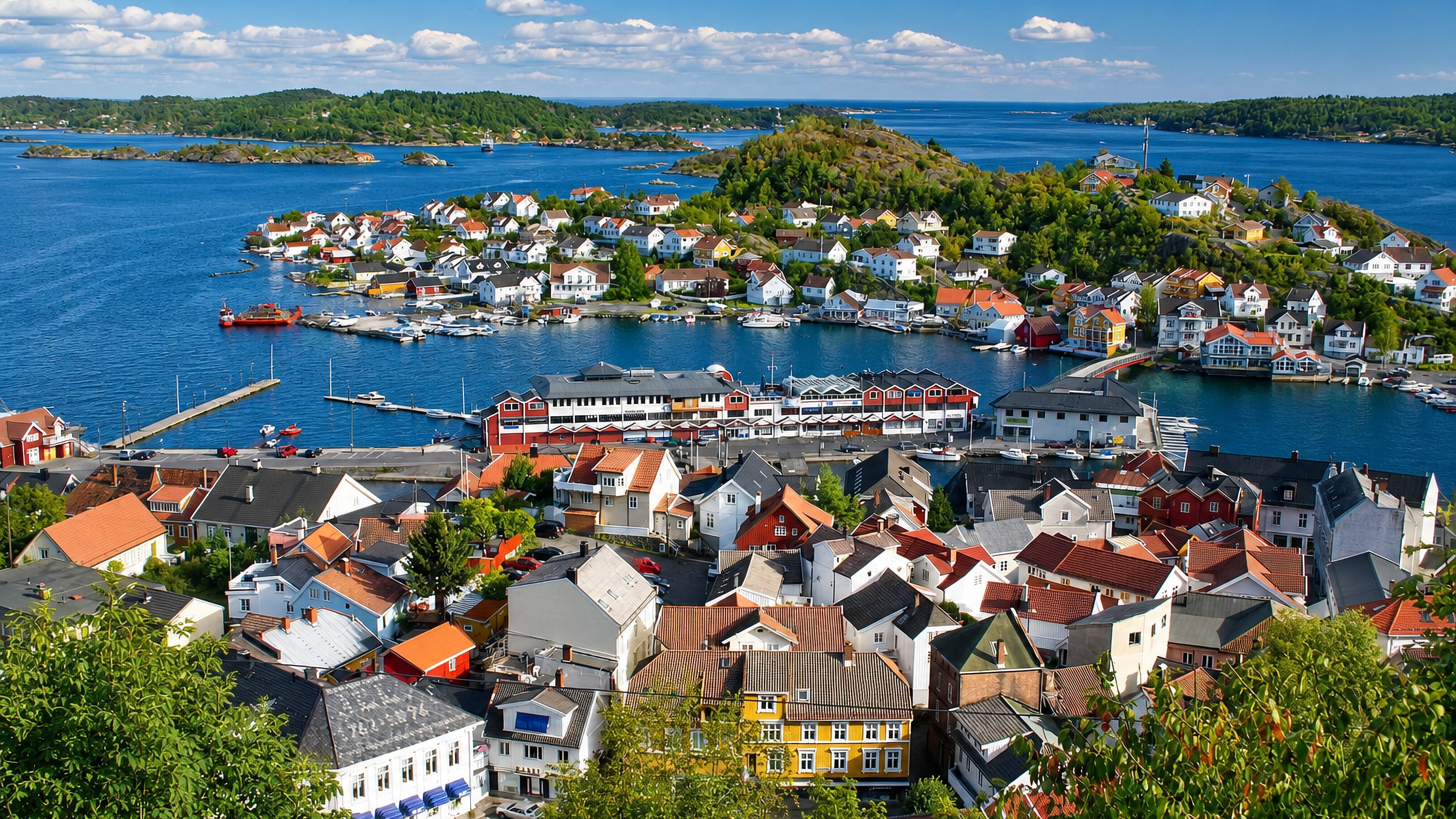
Kragerø is a white-painted coastal town and archipelago in the south-eastern part of Telemark, south-eastern Norway.
Hotel links are affiliate links: booking through them may earn us a commission, at no extra cost to you. It never affects how places are ranked. How this works


Where to stay in Kragerø
The practical side of choosing where to sleep.
The old town by the harbour is the obvious base. It packs the white timber houses, the quayside hotels and Kragerø kirke into a tight grid above the water, with the Kittelsenhuset museum a short walk from the boats. Staying central keeps you in the heart of the south-eastern part of Telemark, close to the ferries that fan out across the archipelago and the cafés that line the inner harbour.
Offshore the islands are part of the draw. Skåtøy, with its heritage Skåtøy kirke, and the other islets carry guesthouses and summer rooms reached by boat, a quieter alternative to the busy quay. Inland the parishes of Sannidal and Støle spread back from the coast.
Stay in the old town first. Choose an island or an inland village if you want calm and don't mind a crossing. Both suit a coastal break.
Find hotels in Kragerø
Direct booking searches for these neighbourhoods.
Kragerø old town
The white timber grid, Kragerø kirke and the Kittelsenhuset museum sit a short walk from the quay where the archipelago ferries depart.Find hotels in Kragerø old townBoat-reached island stays near Skåtøy kirkeSkåtøy and the islands
Skåtøy with its heritage Skåtøy kirke and the surrounding islets offer quiet summer rooms reached only by boat from the Kragerø quay.Find hotels in Skåtøy and the islandsHotel links are affiliate links: booking through them may earn us a commission, at no extra cost to you. It never affects how places are ranked. How this works
Things to do in Kragerø
Ranked by global recognition; descriptions from Wikidata (CC0).
Museums & Galleries
2- Berg-Kragerø museum
- Kittelsen house
Churches & Religious Sites
3- Skåtøy Church Heritage
- Kragerø Church
- Sannidal Church
worth knowingacross 2 categories in Kragerø
About Kragerø
Kragerø is a seaside town first.
What is Kragerø known for?
Its white timber houses and the maze of islands offshore make it one of the best-known summer spots on the coast of the south-eastern part of Telemark, drawing sailors and painters alike. Art has deep roots here. The Kittelsenhuset museum marks the town's link to the painter Theodor Kittelsen, while the Berg-Kragerø museum sets out the local maritime and cultural history.
What are the main landmarks in Kragerø?
The town itself is the headline sight. The white houses around Kragerø kirke and the working harbour set the scene, and the Kittelsenhuset museum and the Berg-Kragerø museum hold its art and maritime story. Churches mark the wider parishes too.
Skåtøy kirke out on its island, with Sannidal kirke and Støle kirke inland, serve the scattered communities of the south-eastern part of Telemark.
What is the history of Kragerø?
The sea made Kragerø. This town grew as a shipping and timber port on the sheltered channels of the south-eastern part of Telemark, its sailing fleet carrying Norwegian timber out to Europe and bringing the trade that built the white houses around Kragerø kirke. Its harbour was everything.
The outer islands like Skåtøy, with its old Skåtøy kirke, and the inland parishes of Sannidal and Støle grew alongside the port as the community spread across coast and archipelago. When the age of sail faded, the town turned to art and summer visitors. The painter Theodor Kittelsen worked in the area, and the Kittelsenhuset museum now keeps that connection, while the Berg-Kragerø museum guards the older maritime record.
The white timber streets survived the change, and Kragerø settled into its role as a coastal resort of Telemark while keeping the shape the shipping trade gave it.
Where is Kragerø?
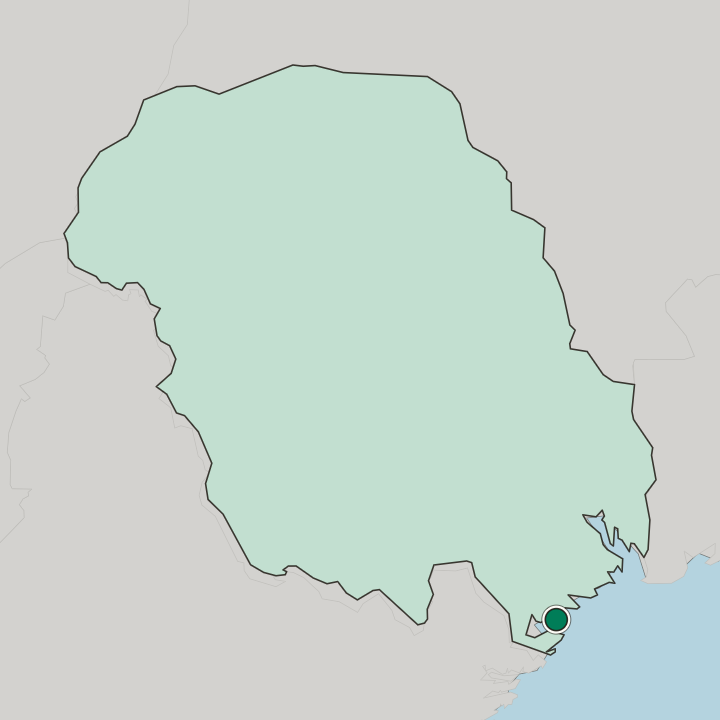
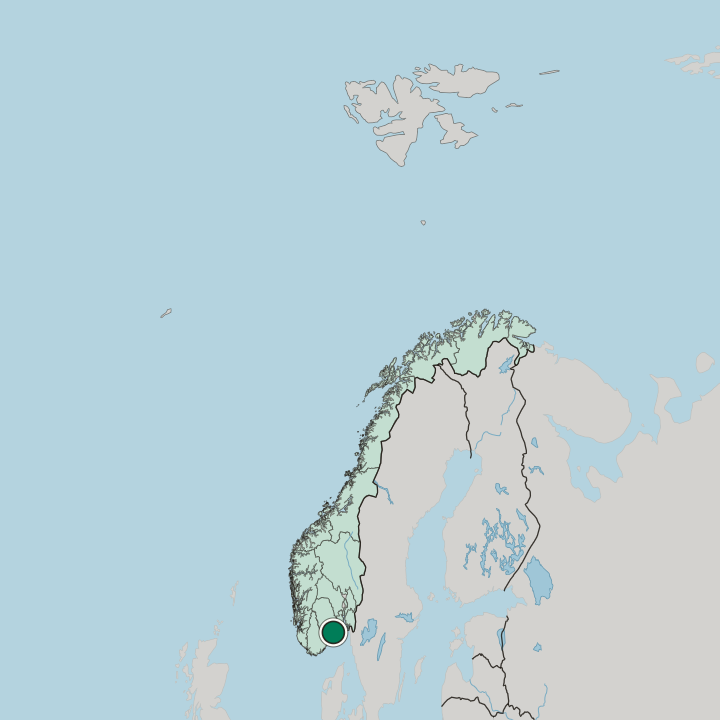
Kragerø sits on the outer coast in the south-eastern part of Telemark, where the mainland breaks into a scatter of islands and narrow channels. The compact old town clings to the slopes above its harbour, while Skåtøy and the other islands lie just offshore and the parishes of Sannidal and Støle reach back inland. The sea threads through it all.
Sheltered sounds and skerries give the archipelago town its calm sailing water and its shape.
What is the climate of Kragerø?
The open coast keeps Kragerø mild. Out on the seaboard of the south-eastern part of Telemark, the archipelago town has comparatively gentle winters and warm, bright summers that make the islands a magnet in the holiday season. The sea steadies the temperature.
Long settled summer weather over Skåtøy and the channels gives the town its reputation along this stretch of the Telemark coast.
How do you get to Kragerø?
Kragerø lies at the end of its own coast road. It sits off the main corridors of the south-eastern part of Telemark, reached by the spur that runs down to the harbour from the highways linking the region to the rest of south-eastern Norway. The archipelago runs on boats.
Local ferries connect the old-town quay with Skåtøy and the outer islands, while most travellers arrive overland into the harbour by car.
Common questions
What is the best area to stay in Kragerø?
Kragerø old town: Harbourside white-house base by Kragerø kirke and the Kittelsenhuset. Skåtøy and the islands: Boat-reached island stays near Skåtøy kirke.
Good for
More cities in Telemark fylke
Updated October 2026