Norway · Telemark fylke
Where to Stay in Skien, Telemark fylke
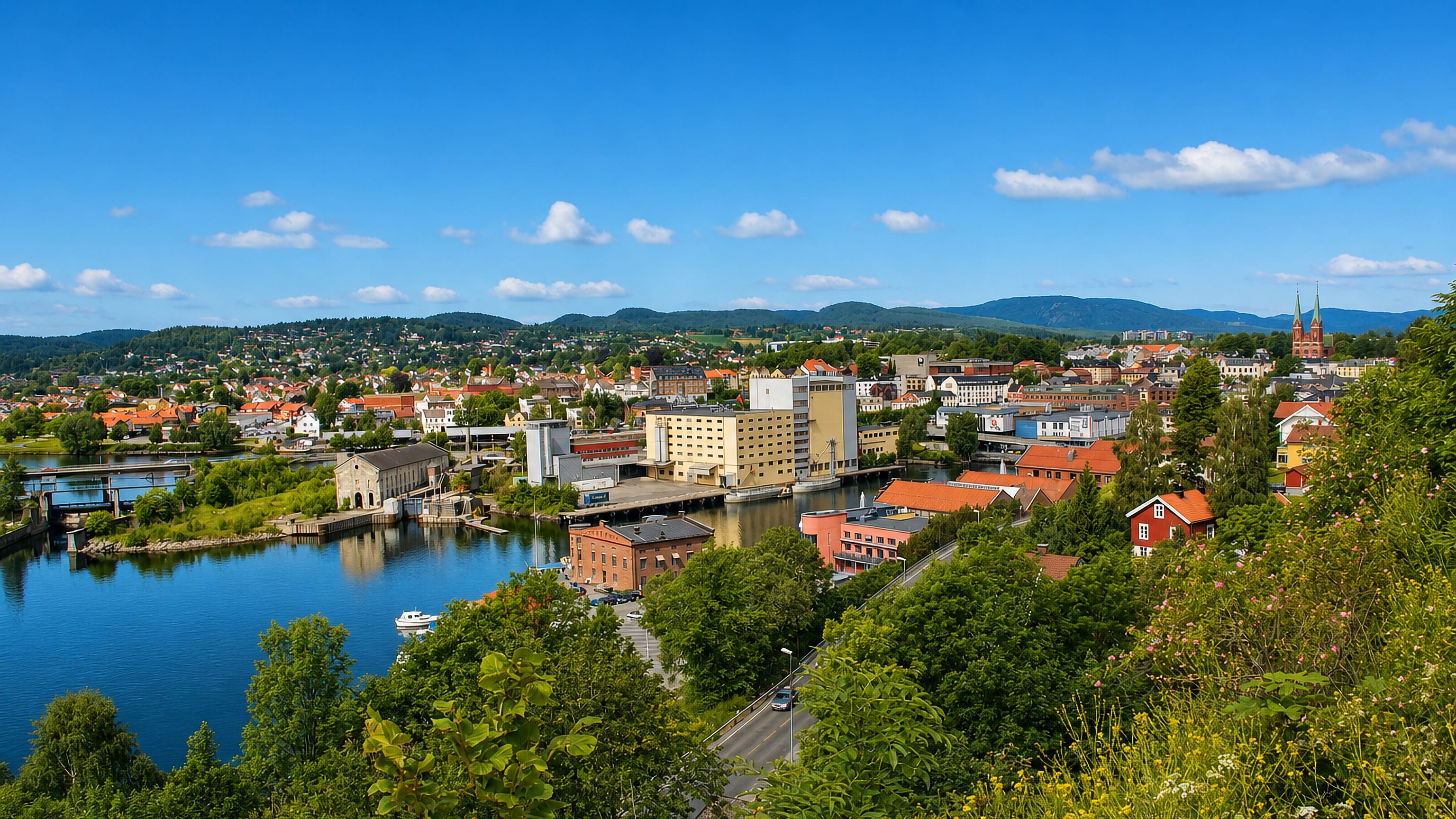
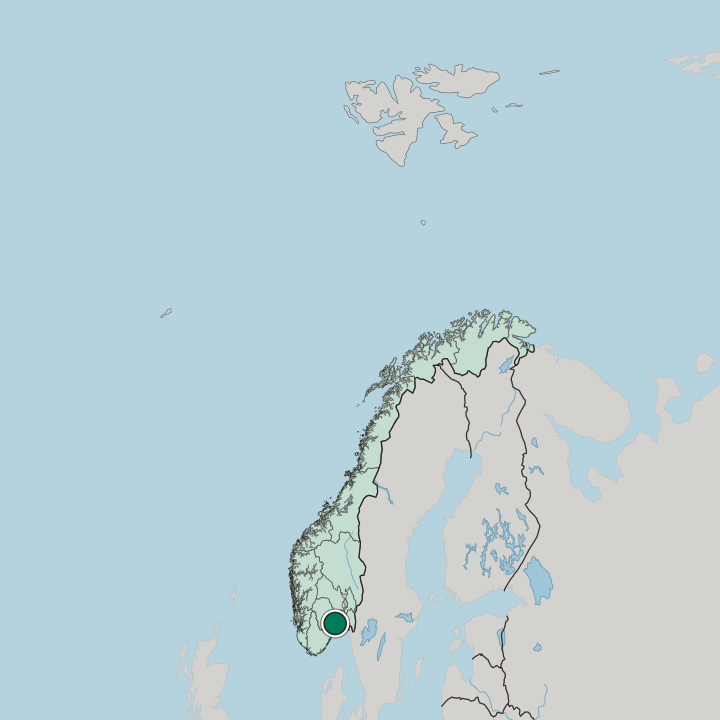
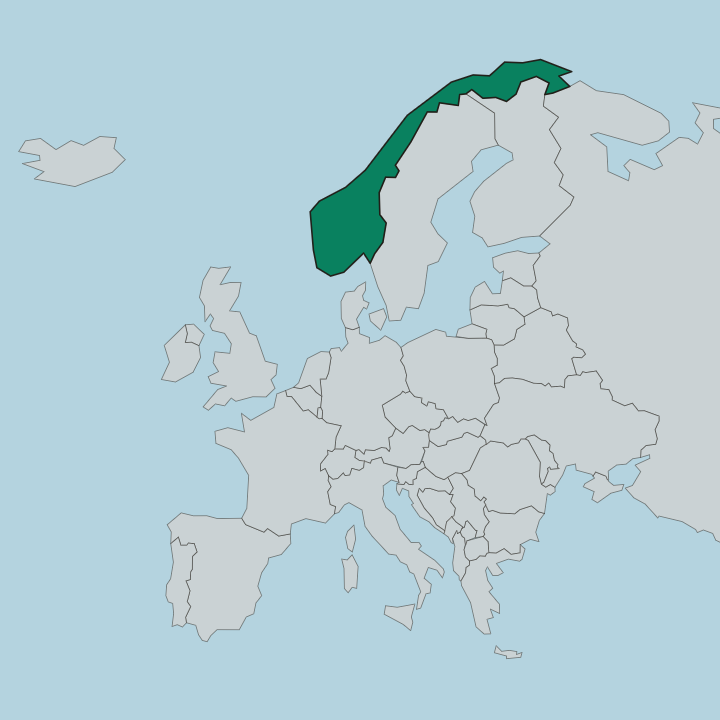
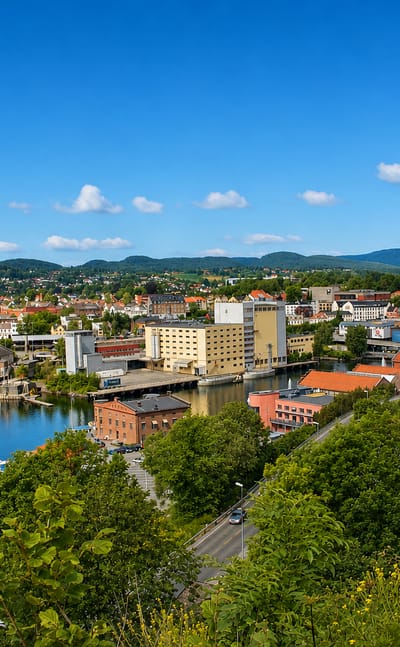
Skien is the regional capital of Telemark, a river city in south-eastern Norway and the birthplace of playwright Henrik Ibsen.
Hotel links are affiliate links: booking through them may earn us a commission, at no extra cost to you. It never affects how places are ranked. How this works


Where to stay in Skien
Where you base yourself shapes the visit — here's the character of each area.
 SkienNorway
Gråten
Gråten is a district in southern Skien, in the Telemark area of south-eastern Norway.Where to stay →SkienNorwayFalkum
Falkum is a residential district on the western side of Skien, a town in south-eastern Norway.Where to stay →Hotel links are affiliate links: booking through them may earn us a commission, at no extra cost to you. It never affects how places are ranked. How this works
Find hotels in Skien
Direct booking searches for these neighbourhoods.
Skien centre
The canal frontage, Skien kirke and the Henrik Ibsen Museum sit within a short walk, putting the city's literary core on the doorstep.Find hotels in Skien centreGreener outer-parish stays near Gjerpen kirke and Gimsøy kirkeGjerpen and Gimsøy parishes
The older churches of Gjerpen kirke and Gimsøy kirke anchor quieter residential ground for slower, longer visits north of the centre.Find hotels in Gjerpen and Gimsøy parishesHotel links are affiliate links: booking through them may earn us a commission, at no extra cost to you. It never affects how places are ranked. How this works
Things to do in Skien
Ranked by global recognition; descriptions from Wikidata (CC0).
Museums & Galleries
3- Henrik Ibsen Museum Heritage
- Telemark Museum cultural history museum in Øvregate
- Jernaldergården Århus
Churches & Religious Sites
3- Skien Church Heritage
- Gjerpen church Heritage church in Telemark
- Gimsøy Church Heritage
Stadiums & Sports
3- Odd stadion
- Skienshallen sports hall
- Skien Isstadion ice skating rink
worth knowingacross 3 categories in Skien
About Skien
Skien wears two identities.
What is Skien known for?
It is the administrative seat of Telemark and an old inland river-and-canal town, but it is best known abroad as the place where Henrik Ibsen was born, a literary tie the Henrik Ibsen Museum keeps front and centre. The cultural roll continues at the Telemark Museum and the Spriten Kunsthall gallery. Sport matters too.
The Odd stadion and Skien isstadion give the eastern part of Telemark a steady fixture list across the year.
What are the main landmarks in Skien?
Literature leads the list. The Henrik Ibsen Museum marks the playwright's home town, while the Telemark Museum and the Spriten Kunsthall gallery round out the cultural quarter. Three heritage churches set the historic skyline: Skien kirke in the centre, with Gjerpen kirke and Gimsøy kirke in the older outlying parishes.
Sport claims its own. The Odd stadion, Skienshallen and the Skien isstadion are the long-standing fixtures of the eastern part of Telemark.
What is the history of Skien?
Skien is one of Norway's older towns. It grew on the river and waterway that carried Telemark's timber and trade down toward the coast, and that flow of goods made the inland settlement a hub for the eastern part of Telemark long before the modern county took shape. The medieval parish church on the site, succeeded by the present Skien kirke, marked the town's centre, while the outlying farms gathered around Gjerpen kirke and Gimsøy kirke in their own ancient parishes.
Trade was the spine of it all. The town's most famous son arrived in the nineteenth century. Henrik Ibsen was born here, and the Henrik Ibsen Museum now keeps that connection alive in the city he left as a young man.
As industry and waterway traffic reshaped the place, Skien added the institutions that still define it, from the Telemark Museum guarding the region's cultural record to the sports grounds that followed. The town settled into its role as the working capital of Telemark.
Where is Skien?
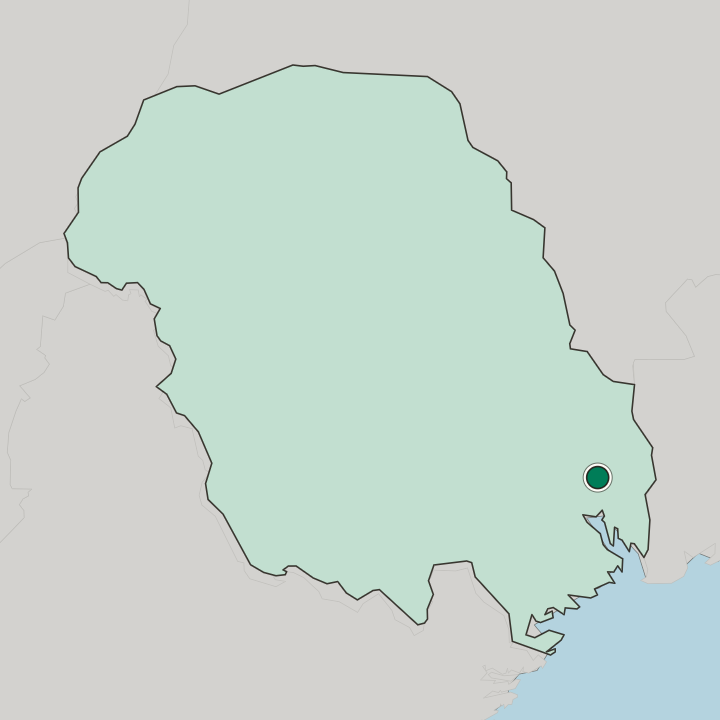
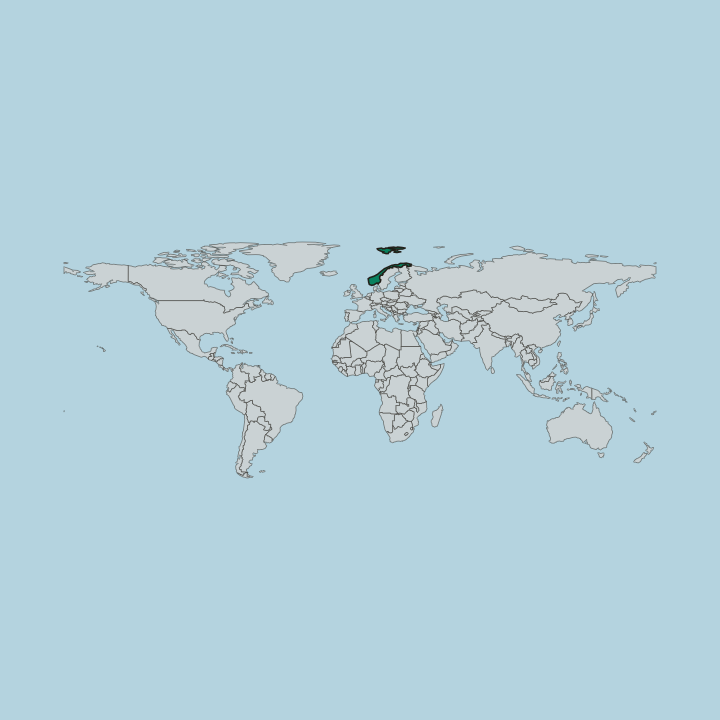
Skien sits on the river in the eastern part of Telemark, at the inland end of the waterway that links the town to the coast of south-eastern Norway. The city spreads across the valley floor and up the surrounding slopes, with the older parishes of Gjerpen kirke and Gimsøy kirke set on the higher ground around the centre. River and canal give Skien its shape.
The river and canal frontage runs through the heart of the city and shaped where its streets and the Skien kirke quarter grew.
What is the climate of Skien?
The inland river valley gives Skien a temperate climate with clear seasons. Winters bring cold spells and snow to the eastern part of Telemark, while the sheltered valley setting in south-eastern Norway warms the summers into a mild, green stretch good for the canal and riverside. Rain comes year round.
Spring and autumn turn the wooded slopes around Gjerpen kirke through their colours, the shift drawing walkers out along the water.
How do you get to Skien?
Skien is well connected for an inland town. It anchors the road and rail routes through the eastern part of Telemark and lies within reach of the wider corridors of south-eastern Norway that link it to the capital region and the coast. The river and canal add a scenic way in.
Boat traffic still works the historic waterway up to the city, while trains and highways carry most arrivals to the heart of Telemark.
Common questions
What is the best area to stay in Skien?
Skien centre: Waterfront base by Skien kirke and the Ibsen and Telemark museums. Gjerpen and Gimsøy parishes: Greener outer-parish stays near Gjerpen kirke and Gimsøy kirke.
Good for
More cities in Telemark fylke
Updated October 2026