Norway · Telemark fylke
Where to Stay in Fyresdal, Telemark fylke
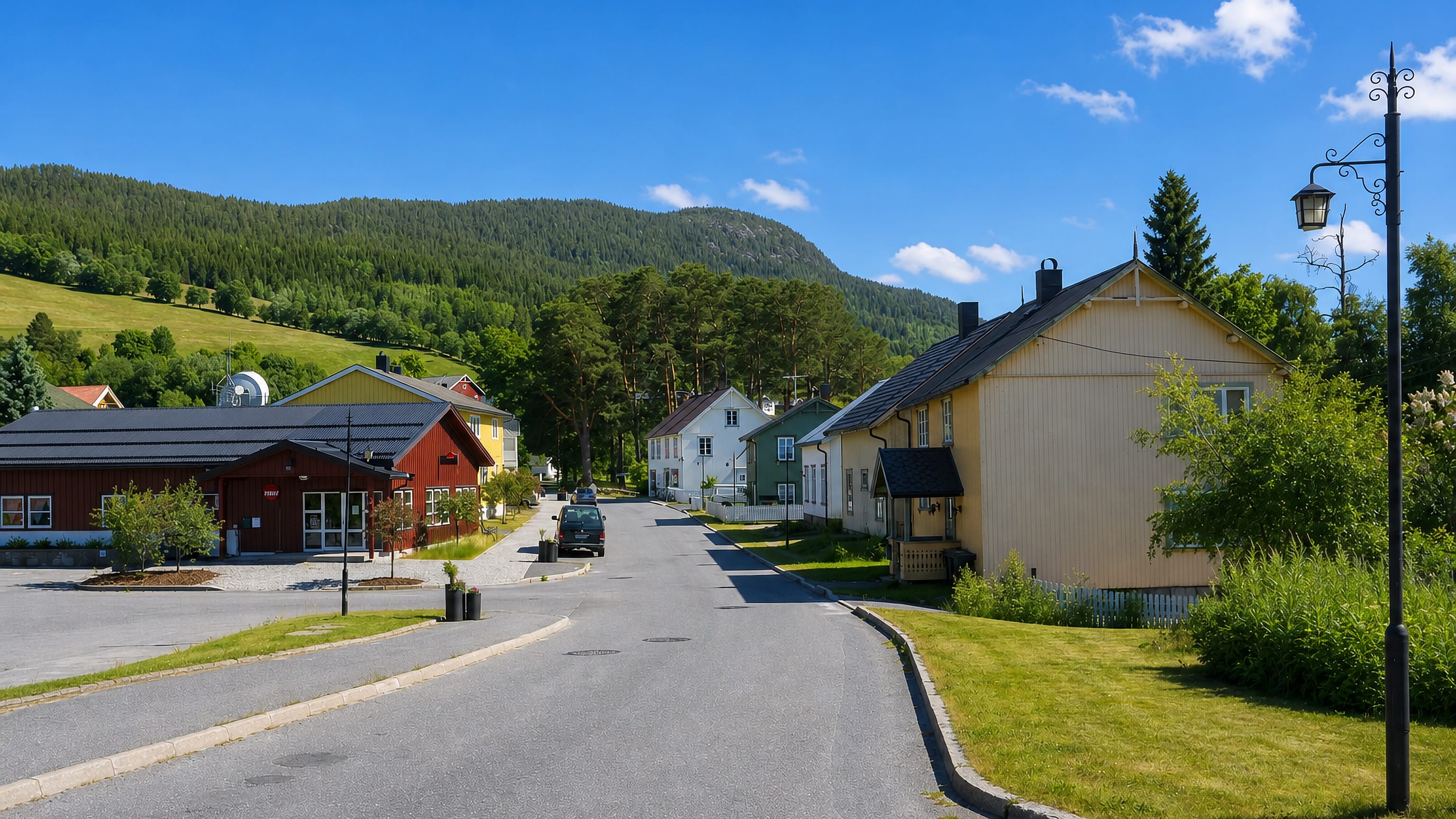
Fyresdal is a small inland town in south-western Telemark, centred on the village of Moland.
Hotel links are affiliate links: booking through them may earn us a commission, at no extra cost to you. It never affects how places are ranked. How this works


Where to stay in Fyresdal
Where visitors usually base themselves, and why.
Fyresdal is remote and thinly settled, so the village of Moland is where most travellers stay. The centre is the practical base: a room in Moland near Moland kirke puts you by the everyday services and within reach of the valley walks and the water of this western district. Pick this if a quiet mountain-valley stop in south-western Telemark is the aim rather than a busy resort.
The valley is the draw. Out along the dale toward the parish of Veum and its church, cabins and holiday rooms sit among the forest and farms for walkers, anglers and those after deep country quiet. A few farm rooms lie near the Fyresdal Bygdemuseum on the valley floor.
Beds are genuinely few across the whole municipality, so book well ahead. Many visitors use Fyresdal as a base for the forests and fells of south-western Telemark, sleeping in or near Moland and heading out into the valley and the hills by day.
Find hotels in Fyresdal
Direct booking searches for these neighbourhoods.
Moland village
rooms in Moland beside Moland kirke, by the everyday services at the heart of the Fyresdal valley. Lodging is scarce in this area; reserve in advance.Find hotels in Moland villageanglers and deep-country walkersThe Veum dale
cabins along the valley toward the parish of Veum and its heritage-listed church among forest and farms. Few places to stay nearby — book ahead.Find hotels in The Veum dalea rural farm-stay nightThe Bygdemuseum farmlands
farm rooms on the valley floor near the archaeological Fyresdal Bygdemuseum. Few places to stay nearby — book ahead.Find hotels in The Bygdemuseum farmlandsHotel links are affiliate links: booking through them may earn us a commission, at no extra cost to you. It never affects how places are ranked. How this works
About Fyresdal
What is Fyresdal known for?
Fyresdal is best known as a deep inland valley community of south-western Telemark. Its centre lies at the village of Moland, the seat of a thinly settled municipality of farms and forest rather than crowds. Quiet country defines it.
The heritage-listed Moland kirke and Veum kirke gather the two old parishes of the valley, the Fyresdal Bygdemuseum keeps the local and archaeological story, and the town serves as the working focus of this remote western corner of Telemark.
What are the main landmarks in Fyresdal?
Moland kirke is the landmark at the centre of the valley. The heritage-listed church stands at Moland, the gathering point of the main parish of Fyresdal. Old timber marks the dale.
Further along the valley the heritage-listed Veum kirke serves the second parish, and the Fyresdal Bygdemuseum keeps the local and archaeological past, the three together forming the chief landmarks of this remote western district of Telemark.
What is the history of Fyresdal?
Fyresdal has long been a remote valley of farms in south-western Telemark. The deeper past is read in its ground and its churches, where the archaeological finds gathered at the Fyresdal Bygdemuseum point to settlement reaching far back along the dale, well before the present parishes took shape. The valley held its people in.
Two old parishes formed the framework of the community, the heritage-listed Moland kirke fixing the centre at Moland and the heritage-listed Veum kirke serving the dale beyond, each a gathering point for the scattered farms of the western hills. Distance shaped the place. Cut off among forest and fells from the larger towns of Telemark, Fyresdal kept a deeply rural life through the centuries, its working centre slowly settling at Moland as the seat of the municipality.
The town carries that long inland history on as the focus of a thinly peopled western valley.
Where is Fyresdal?
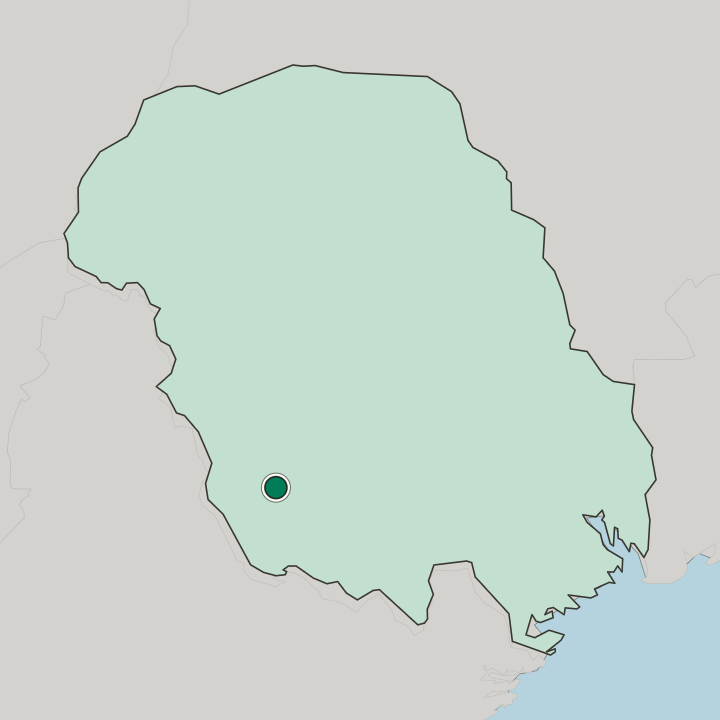
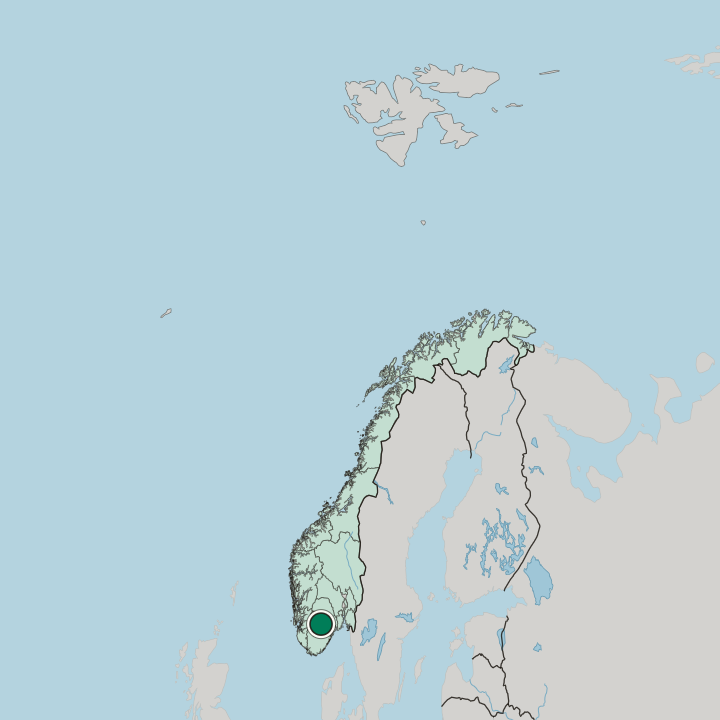
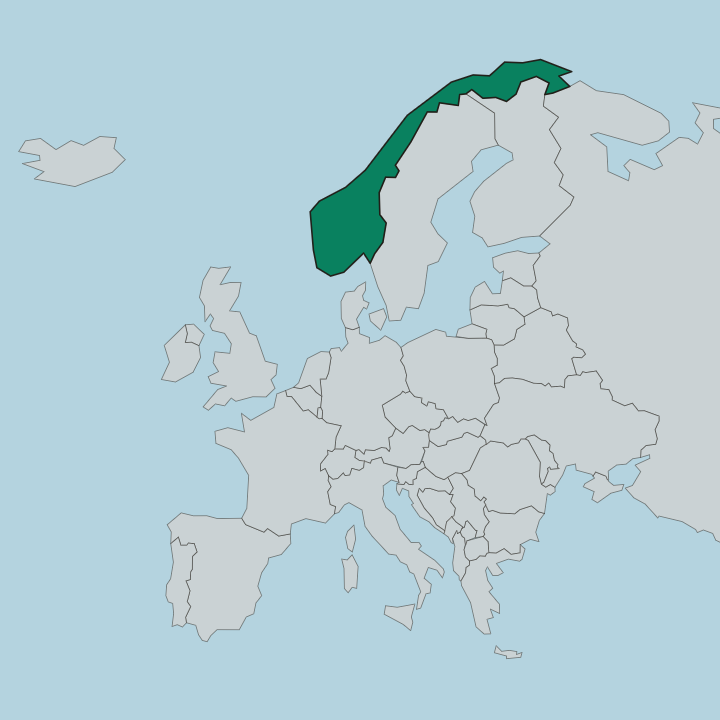
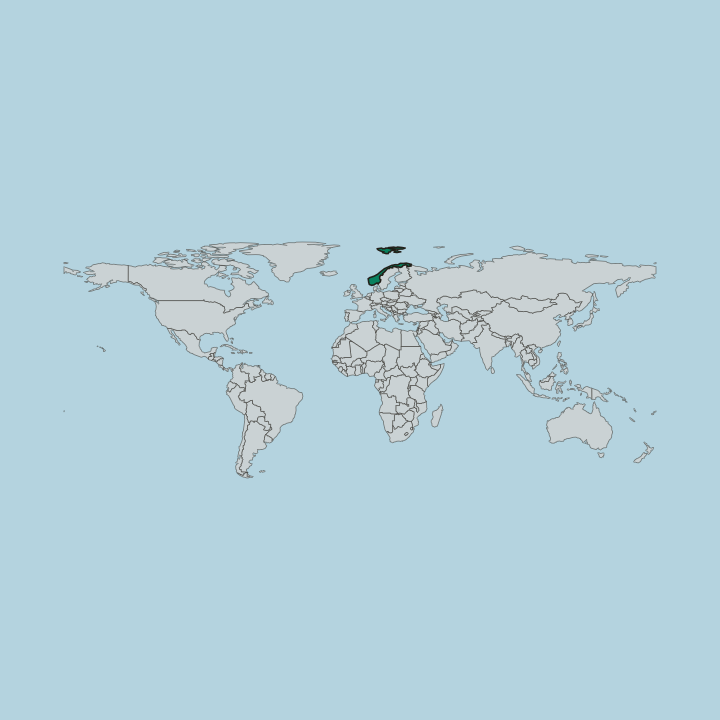
Fyresdal lies in south-eastern Norway (Østlandet), in the south-western part of Telemark. The setting is a deep mountain valley. The village of Moland sits on the valley floor at the centre of the municipality, with forested hills and fells rising on either side and the parish of Veum spread along the dale beyond.
This is remote interior country, a thinly settled western valley far from the coast among the uplands of Telemark.
What is the climate of Fyresdal?
Fyresdal has the cold mountain-valley climate of inland south-western Telemark. Shut in among the forested fells far from the sea, the valley sees long, snowy winters that settle deep over Moland and the dale, with cool, green summers along the valley floor. Snow holds late on the heights.
The seasons turn sharply here, hard frost gripping the valley through the dark months and brief northern light warming the farms around Veum in the short summer before autumn returns.
How do you get to Fyresdal?
Reaching Fyresdal means a drive deep into the western valleys of Telemark. Roads climb inland through forest and fell to the village of Moland on the valley floor, well away from any railway. The way is long and mountainous.
Lanes follow the dale out toward the parish of Veum and past the Fyresdal Bygdemuseum, linking the scattered farms of the municipality to the central village among the hills of south-western Telemark.
Common questions
What is the best area to stay in Fyresdal?
Moland village: a valley-centre base near the services. The Veum dale: anglers and deep-country walkers. The Bygdemuseum farmlands: a rural farm-stay night.
Good for
More cities in Telemark fylke
Updated September 2026