Norway · Telemark fylke
Where to Stay in Gvarv, Telemark fylke
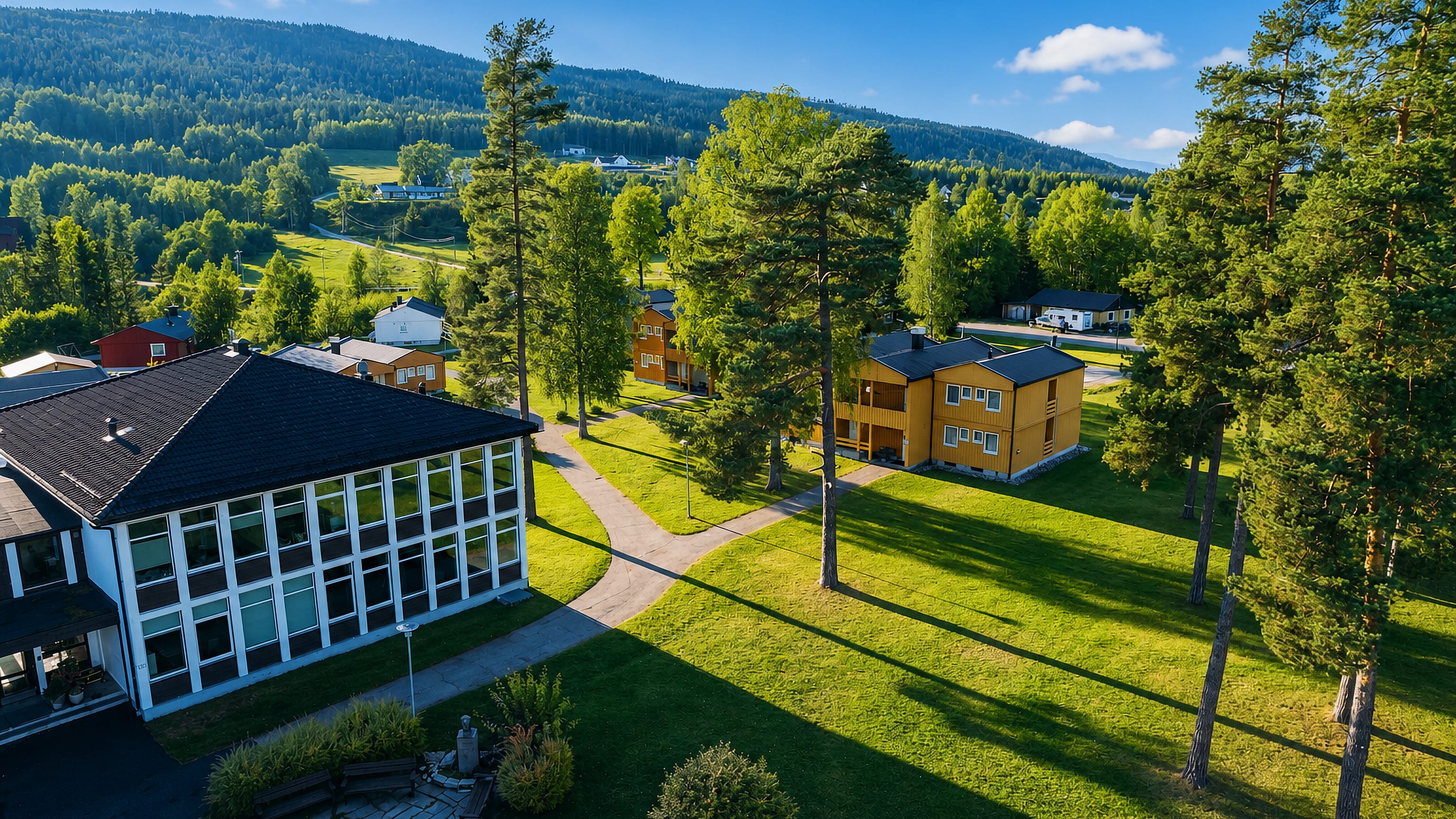
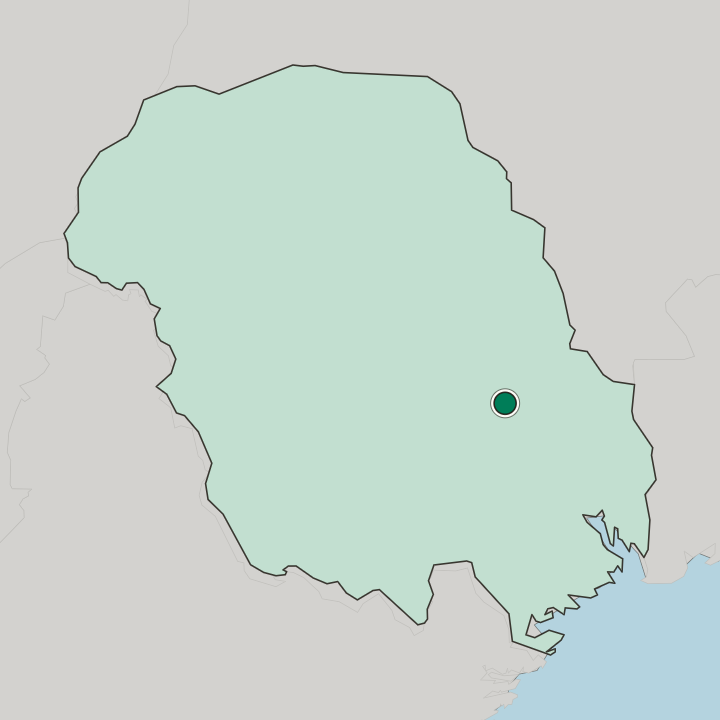
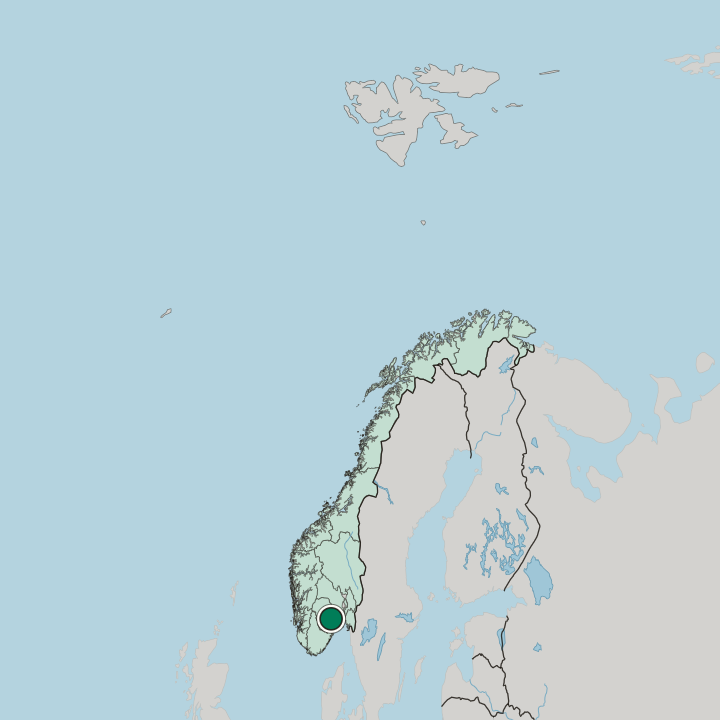
Gvarv is a fruit-growing village in Sauherad, in the eastern part of Telemark in south-eastern Norway.
Hotel links are affiliate links: booking through them may earn us a commission, at no extra cost to you. It never affects how places are ranked. How this works


Where to stay in Gvarv
Where visitors usually base themselves, and why.
Gvarv itself is a village base. The orchards and the houses of Sauherad spread along the valley in the eastern part of Telemark, with Sauherad kirke nearby and rooms scattered among the farms rather than gathered into a hotel quarter. It suits a quiet rural stay close to the fruit slopes and the river.
The livelier base is in Bø. The neighbouring village down the valley carries more beds, the Bø Sommarland water park and the Gullbring Kulturanlegg culture house, and stands within easy reach of Gvarv by road. Stay in Gvarv for orchards and calm.
Choose Bø if you want the water park, the cultural venue and a fuller choice of rooms, treating Sauherad as a short drive away across the same stretch of Telemark.
Find hotels in Gvarv
Direct booking searches for these neighbourhoods.
Gvarv orchards
The apple and cherry orchards of Sauherad climb the valley above Gvarv, with Sauherad kirke close by, making a rural base among the fruit farms of eastern Telemark. Rooms are few around here — worth securing early.Find hotels in Gvarv orchardsBeds beside Bø Sommarland and the Gullbring KulturanleggBø down the valley
Neighbouring Bø carries the rooms, the Bø Sommarland water park and the Gullbring Kulturanlegg, the busier place to sleep within an easy drive of the Gvarv orchards.Find hotels in Bø down the valleyHotel links are affiliate links: booking through them may earn us a commission, at no extra cost to you. It never affects how places are ranked. How this works
Things to do in Gvarv
Ranked by global recognition; descriptions from Wikidata (CC0).
Museums & Galleries
1- Bø Museum museum in Midt-Telemark
Churches & Religious Sites
4- Sauherad church Heritage church in Midt-Telemark municipality
- Old Bø Church Heritage
- Nes Church Heritage
- Bø Church Heritage
Stadiums & Sports
2- Narekollen
- Gullbring Kulturanlegg
Parks & Gardens
1- Bø Sommarland waterpark
worth knowingacross 4 categories in Gvarv
About Gvarv
Gvarv is orchard country.
What is Gvarv known for?
The village is the centre of Sauherad in the eastern part of Telemark, its slopes given over to apple and cherry orchards that ripen above the valley floor. Old churches mark the parish. Sauherad kirke and Nes kirke stand among the farms, while next door in Bø the big draw is Bø Sommarland, the water park that pulls summer crowds to this corner of Telemark.
What are the main landmarks in Gvarv?
Churches mark Sauherad. Sauherad kirke and Nes kirke stand among the orchards of the eastern part of Telemark, the old stone and timber buildings of the parish around Gvarv. The bigger names lie in Bø.
There the medieval Bø gamle kirke and its newer companion Bø nye kirke sit near the Bø Museum and the Bø Sommarland water park, a cluster of sights a short drive from the Gvarv fruit slopes.
What is the history of Gvarv?
Fruit and farming built Gvarv. The village grew as the centre of Sauherad in the eastern part of Telemark, its mild valley slopes turned over to apple and cherry orchards that gave the parish its name for fruit. Faith left its marks early.
Sauherad kirke and Nes kirke served the farming community for centuries, while the hill of Narekollen rose over the orchards as a local landmark. The wider valley grew alongside it. Down the road in Bø the medieval Bø gamle kirke and the later Bø nye kirke marked that older parish, and in time the Bø Sommarland water park and the Bø Museum drew visitors to the district.
Gvarv stayed a fruit village. It kept its orchards and its churches as the quiet heart of Sauherad on the inland slopes of south-eastern Norway, while the bigger crowds gathered next door.
Where is Gvarv?
Gvarv sits in a valley. The village fills the floor of Sauherad in the eastern part of Telemark, with orchard slopes climbing to the hill of Narekollen and the river running through the parish below. Bø lies just up the valley.
The same broad lowland carries the road on to that neighbouring village, linking the orchards of Gvarv to the wider district of south-eastern Norway.
What is the climate of Gvarv?
The valley runs warm. Sheltered inland in the eastern part of Telemark, Gvarv has the mild, sunny growing season that ripens its apple and cherry orchards through the warm half of the year. Winters bite harder.
Cold settles over Sauherad once the season turns, with frost and snow over the orchards and the hill of Narekollen before the next fruit year begins.
How do you get to Gvarv?
Gvarv lies on the valley road. The village sits along the route through Sauherad in the eastern part of Telemark, with Bø the nearest larger neighbour just up the same road. Travellers mostly drive in.
The highway through the valley links Gvarv and its orchards to Bø and on to the rest of south-eastern Norway.
Common questions
What is the best area to stay in Gvarv?
Gvarv orchards: Fruit-slope farm stays near Sauherad kirke. Bø down the valley: Beds beside Bø Sommarland and the Gullbring Kulturanlegg.
Good for
More cities in Telemark fylke
Updated October 2026