Norway · Telemark fylke
Where to Stay in Seljord, Telemark fylke
Seljord is a small inland town in the northern part of Telemark, in south-eastern Norway.
Hotel links are affiliate links: booking through them may earn us a commission, at no extra cost to you. It never affects how places are ranked. How this works


Where to stay in Seljord
The practical side of choosing where to sleep.
Seljord is small, and the town centre is where most travellers base themselves. The centre is the natural choice: stay near the old Seljord kirke and you have the everyday shops, the meeting of the main roads, and the surrounding valleys within easy reach. Choose this if a quiet inland stop in northern Telemark is the point of the trip rather than a coastal resort.
The valleys do the work. Out toward the side dale of Flatdal and its heritage-listed church, farm rooms and cabins sit among the fields for walkers and those after deep-country quiet. A few rooms lie further out near Nutheim kapell on the road over the hills.
Beds are limited across a municipality this size, so it pays to book ahead in summer. Many visitors use Seljord as a base for the valleys and fells of northern Telemark, sleeping in town and driving out through Flatdal and the surrounding country by day.
Find hotels in Seljord
Direct booking searches for these neighbourhoods.
Seljord centre
the town core beside the heritage-listed Seljord kirke, by the shops and the meeting of the main roads. Beds are limited here, so book early.Find hotels in Seljord centrewalkers wanting deep-country quietThe Flatdal side dale
farm rooms and cabins among the fields toward Flatdal and its heritage-listed church. Rooms are few around here — worth securing early.Find hotels in The Flatdal side dalea quiet stop over the hillsThe Nutheim road
scattered rooms further out near Nutheim kapell on the road across the uplands. Rooms are few around here — worth securing early.Find hotels in The Nutheim roadHotel links are affiliate links: booking through them may earn us a commission, at no extra cost to you. It never affects how places are ranked. How this works
About Seljord
What is Seljord known for?
Seljord is best known as an old parish town of northern Telemark. It is the working centre of its municipality, gathered around the heritage-listed Seljord kirke in the valleys of the inland county. Tradition runs deep here.
The medieval church anchors the main parish, the heritage-listed Flatdal kirke serves the side dale of Flatdal, and the smaller Nutheim kapell rounds out the congregations, making the town the meeting point of a district woven from scattered farming valleys.
What are the main landmarks in Seljord?
Seljord kirke is the landmark at the heart of the town. The heritage-listed medieval church has gathered the main parish for centuries in northern Telemark. Old stone marks the valleys.
The heritage-listed Flatdal kirke serves the side dale of Flatdal among its farms, and the smaller Nutheim kapell stands on the road over the hills, the three churches together forming the chief landmarks of this inland municipality of scattered valley communities.
What is the history of Seljord?
Seljord has been a parish centre of northern Telemark since the Middle Ages. Its long story is read most clearly in stone, in the heritage-listed Seljord kirke that has stood at the heart of the valley for centuries, gathering the farming community of the surrounding dales into a single congregation. The church fixed the centre.
Around it the settlement grew as the natural meeting point of the valleys, where the roads from the side dales drew together and the parish could assemble, while the heritage-listed Flatdal kirke served the people of the Flatdal valley off to one side and the smaller Nutheim kapell the families on the upland road. Distance shaped the district. Held among the fells and valleys of inland Telemark, Seljord kept the deeply rural rhythms of a farming community through the centuries, its working life slowly settling into the town that became the seat of the municipality.
It carries that old valley history on as the centre of northern Telemark's scattered dales.
Where is Seljord?
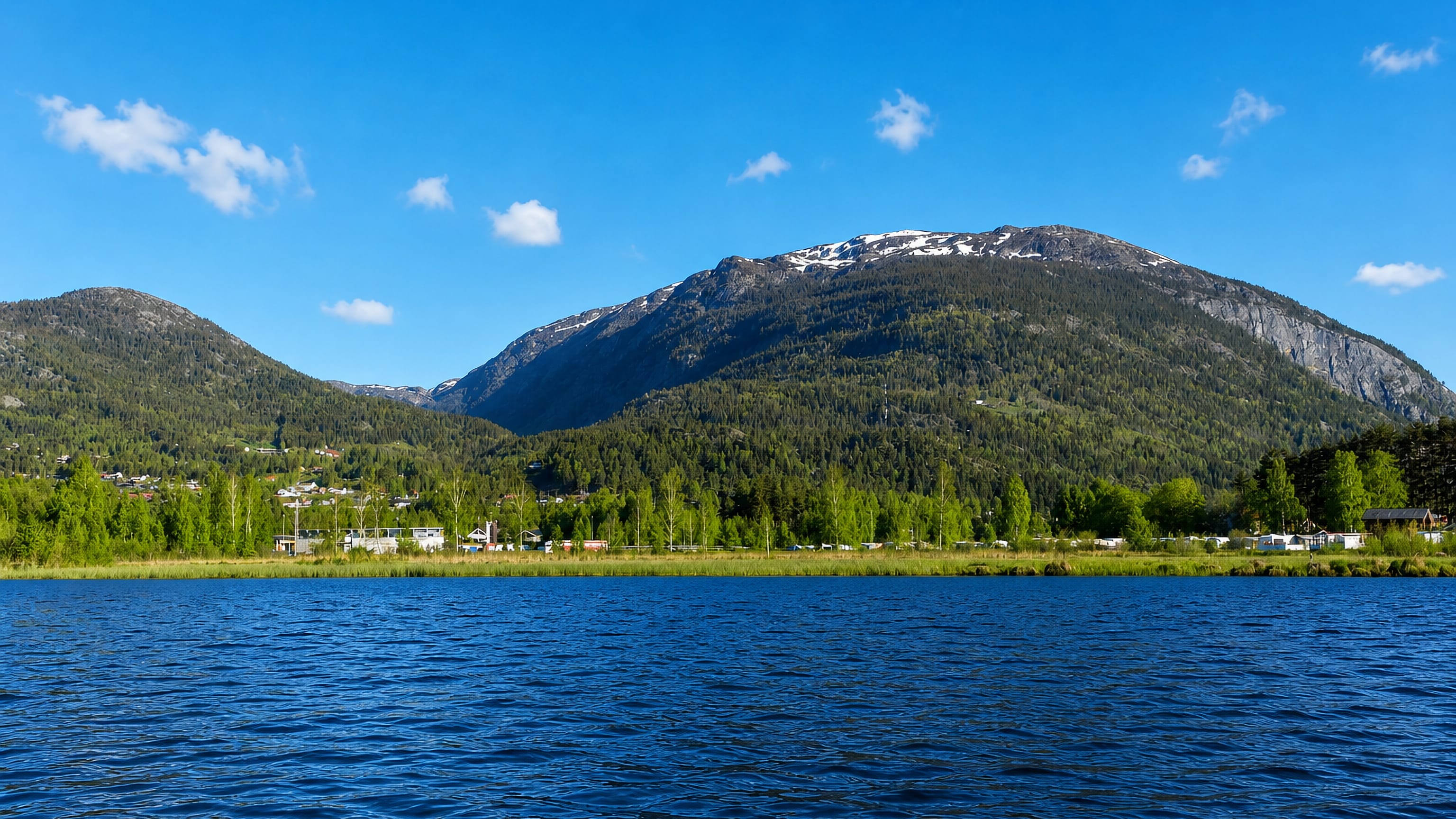
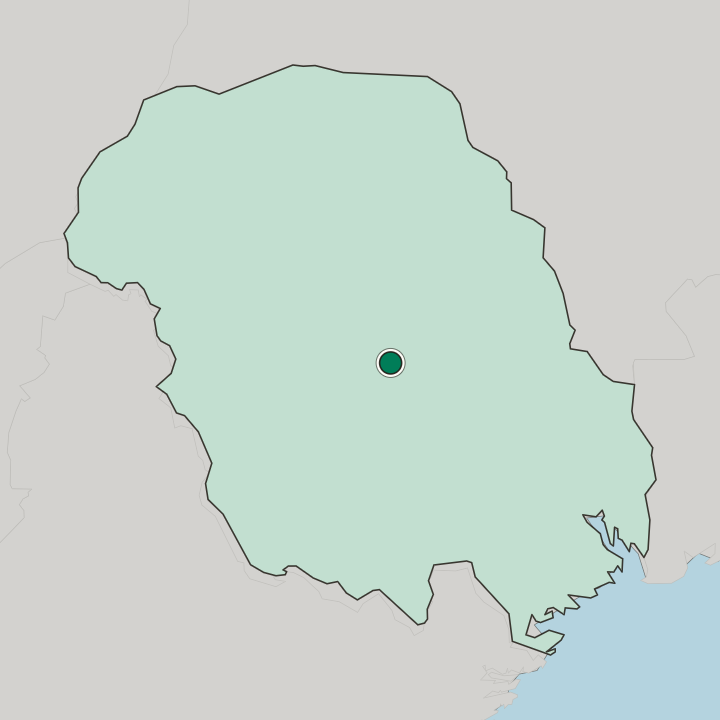
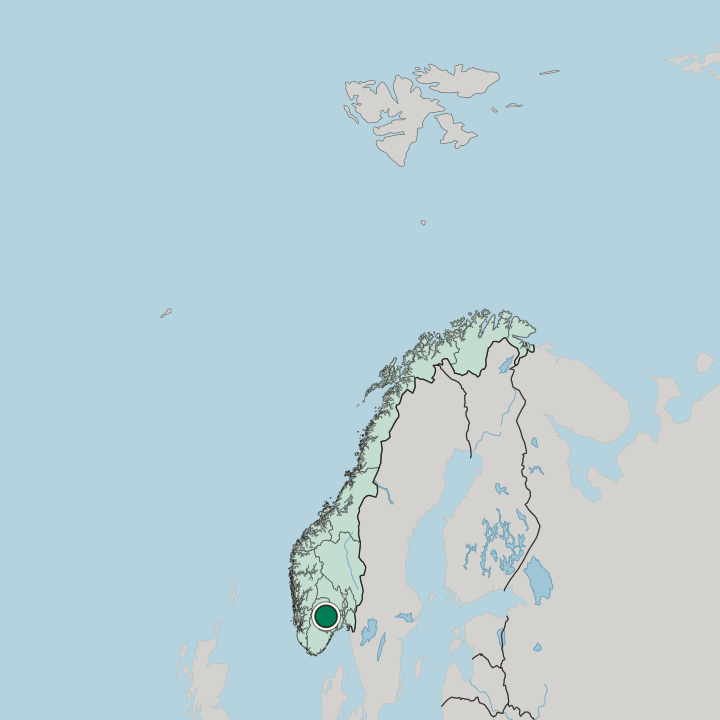
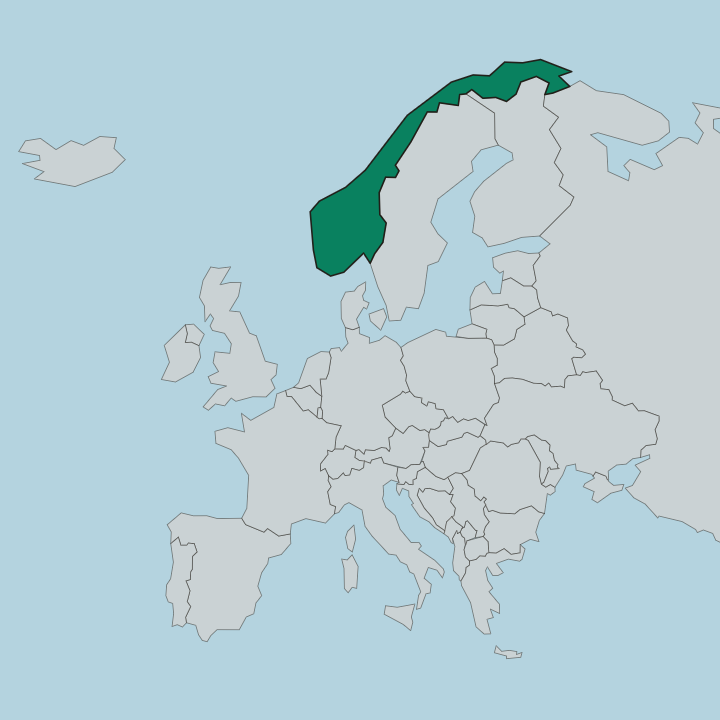
Seljord lies in south-eastern Norway (Østlandet), in the northern part of Telemark. The setting is valley and fell. The town sits on the floor of its valley at the centre of the municipality, with wooded hills rising around it and the side dale of Flatdal opening off to one side beyond the parish church.
This is interior upland country, set among the dales and fells of northern Telemark well away from the coast.
What is the climate of Seljord?
Seljord has the cool inland climate of the Telemark valleys. Lying among the fells well back from the sea, the town sees cold, snowy winters that hold over the dales around Flatdal and mild, green summers along the sheltered valley floor. Snow lies long on the heights.
The seasons turn clearly here, hard frost settling over the valley in the dark months and long northern light warming the farms in the brief summer before autumn closes in over northern Telemark.
How do you get to Seljord?
Reaching Seljord means a drive through the valleys of inland Telemark. Main roads cross here on the way through the county, meeting at the town on the valley floor well away from any railway. The routes follow the dales.
One road climbs through Flatdal and over the hills past Nutheim kapell, while others run on toward the rest of northern Telemark, making the town a natural crossing point for the inland traffic of the region.
Common questions
What is the best area to stay in Seljord?
Seljord centre: an inland base by the old church. The Flatdal side dale: walkers wanting deep-country quiet. The Nutheim road: a quiet stop over the hills.
Good for
More cities in Telemark fylke
Updated September 2026