Norway · Telemark fylke
Where to Stay in Rjukan, Telemark fylke
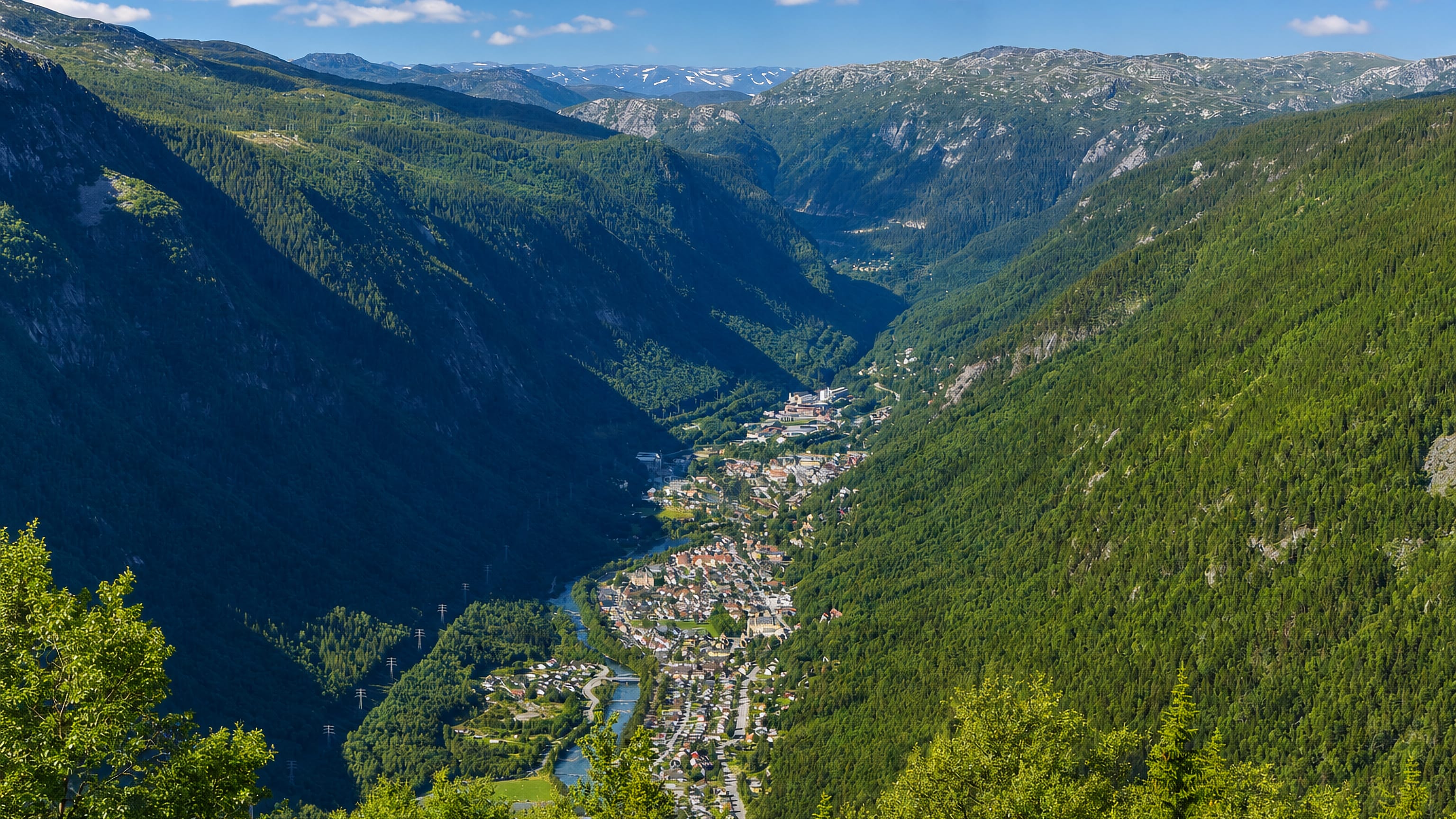
Rjukan is a hydropower town deep in the Vestfjorddalen valley of Telemark, built from scratch in 1908 by Sam Eyde.
Hotel links are affiliate links: booking through them may earn us a commission, at no extra cost to you. It never affects how places are ranked. How this works


Where to stay in Rjukan
How the choice of base plays out on the ground.
Rjukan is a compact valley town, and most beds sit along its narrow floor. The centre is the obvious base: stay near Rjukan kirke and the old planned streets and you are within walking reach of the shops, the Tinn Museum, and the start of the Rjukanbanen line that once carried the works' freight along the lake. You will want this if a museum trip or a winter break in the valley is the plan.
The setting does the work. West of town, toward the Vemork power station and the Norsk Industriarbeidermuseum, a few rooms cluster near the heritage sites for visitors who come for the World Heritage story rather than the centre. Higher up, the slopes toward Møsvatn and Gaustatoppen draw skiers and walkers who prefer a mountain lodge to a town room.
Beds are scarce on the valley floor, so book ahead in the ski season. Many travellers treat Rjukan as a base for the surrounding Tinn highlands, sleeping in town and driving out to the lakes and the falls by day.
Find hotels in Rjukan
Direct booking searches for these neighbourhoods.
The planned town centre
the grid of Eyde's planned town around Rjukan kirke, by the shops and the Tinn Museum at the head of the Rjukanbanen. Lodging is scarce in this area; reserve in advance.Find hotels in The planned town centrethe World Heritage industrial sitesVemork and the heritage west end
rooms near the Vemork power station and the Norsk Industriarbeidermuseum for visitors here for the heavy-water story. Rooms are few around here — worth securing early.Find hotels in Vemork and the heritage west endskiers and walkers above MøsvatnThe Møsvatn slopes
lodges on the high ground toward Møsvatn and Gaustatoppen above the valley floorFind hotels in The Møsvatn slopesHotel links are affiliate links: booking through them may earn us a commission, at no extra cost to you. It never affects how places are ranked. How this works
Things to do in Rjukan
Ranked by global recognition; descriptions from Wikidata (CC0).
Museums & Galleries
2- Rjukan Line Heritage railway line
- Norwegian Industrial Workers Museum group of industrial heritage museums
Churches & Religious Sites
2- Dal Church Heritage
- Rjukan Church
Stadiums & Sports
2- Saaheim Sandhall
- Rjukan sandbane
worth knowingacross 3 categories in Rjukan
About Rjukan
Rjukan is known for industry born of falling water.
What is Rjukan known for?
Sam Eyde bought the great Rjukan waterfall in the early twentieth century and raised a whole town to run on its power, generating electricity for fertilizer production deep in the Vestfjorddalen valley. The plan was audacious. The works that grew along the valley form part of the Rjukan-Notodden Industrial Heritage Site, inscribed on the UNESCO World Heritage list, with the story told at the Norsk Industriarbeidermuseum.
What are the main landmarks in Rjukan?
The Norsk Industriarbeidermuseum is the landmark to seek out. It sits at the Vemork power station west of town and tells the story of the works and the wartime heavy-water raids. Heritage runs through Rjukan.
The Rjukanbanen railway, the Tinn Museum, and the Verdensarvsenteret Rjukan-Notodden industriarv carry the UNESCO World Heritage story, while Rjukan kirke and the older Dal kirke down the valley mark the town's two parishes on the floor of Vestfjorddalen.
What is the history of Rjukan?
Rjukan exists because of a waterfall. In the early twentieth century the engineer Sam Eyde bought the great Rjukan falls and set out to build a city from scratch on the narrow floor of the Vestfjorddalen valley, harnessing the water to make electric power for fertilizer production on a scale Norway had never seen. The town was founded in 1908.
Around the new works rose a planned settlement of workers' housing, a railway, and the institutions of a company town, all squeezed between steep walls between the lakes Møsvatn and Tinnsjå. Industry shaped everything. The power plant at Vemork and the wider Rjukan-Notodden works drew engineers and labourers into a valley that had held only scattered farms, and during the Second World War the heavy water made here became a target of one of the war's most famous sabotage raids.
Rjukan was declared a town by the municipal council of Tinn in 1996. The whole industrial landscape was inscribed on the UNESCO World Heritage list in 2015, and the works that built the place now stand as its monument.
Where is Rjukan?
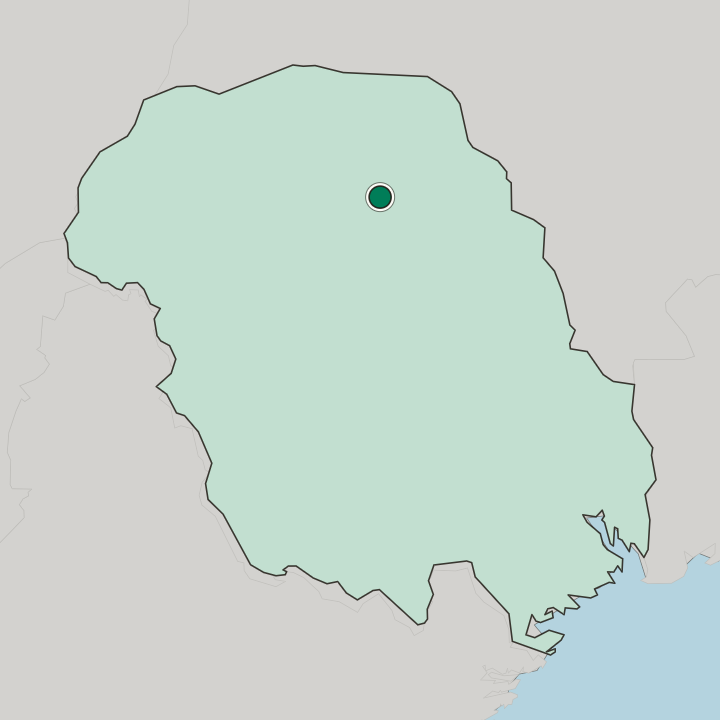
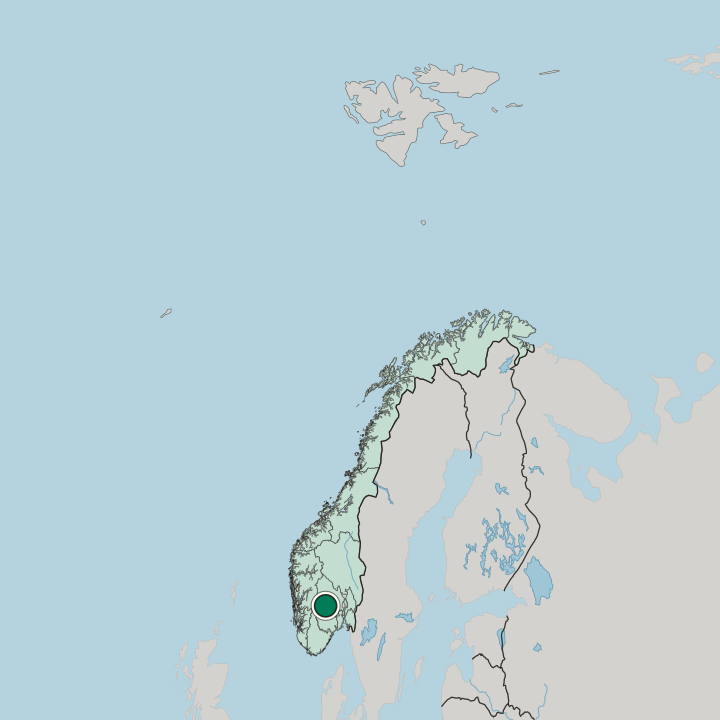
Rjukan lies in south-eastern Norway (Østlandet), strung along the floor of the Vestfjorddalen valley in the northern part of Telemark. The valley walls rise sheer. The town threads between the lakes Møsvatn to the west and Tinnsjå to the east, with the village of Miland about ten kilometres down the dale and Tuddal off to the south-east beyond the ridges.
Tinn Municipality spreads its lakes and high fells around the narrow valley town.
What is the climate of Rjukan?
Rjukan has the cold, shaded climate of a deep valley. Hemmed in by the high walls of Vestfjorddalen, the town floor loses the low winter sun behind the ridges for months, and snow lingers long on the slopes toward Møsvatn while the lakes hold the cold. On the shaded floor of Vestfjorddalen, the winter cold cuts deep.
The winter sun stays behind the ridges. Summers turn green and short between the steep sides, the meltwater swelling the falls that Sam Eyde once harnessed before the mountain shadow returns over the narrow town.
How do you get to Rjukan?
Reaching Rjukan means driving into the valley. Roads run up the Vestfjorddalen from the lowlands of Telemark, threading past the lakes Tinnsjå and Møsvatn to the town on the dale floor. The mountains slow the way.
The historic Rjukanbanen once carried freight along Tinnsjå by rail ferry toward Notodden, and the drive west passes Miland before reaching the planned streets, with Tuddal and the wider Tinn highlands lying over the ridges to the south-east.
Common questions
What is the best area to stay in Rjukan?
The planned town centre: museums and the old works streets. Vemork and the heritage west end: the World Heritage industrial sites. The Møsvatn slopes: skiers and walkers above Møsvatn.
Good for
More cities in Telemark fylke
Updated October 2026