
Norway · Telemark fylke
Where to Stay in Prestestranda, Telemark fylke
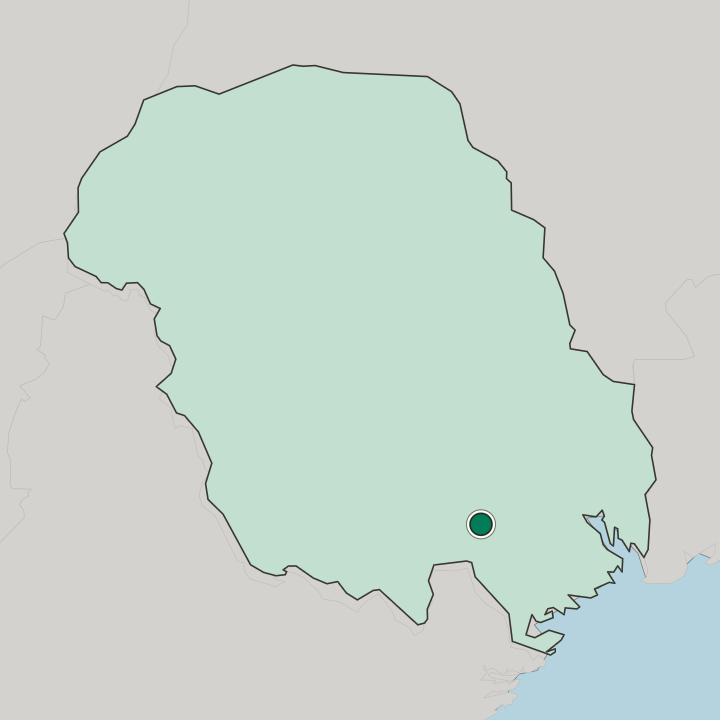
Prestestranda is the centre of Drangedal in south-eastern Telemark, set at the northwestern end of the lake Øvre Toke.
Hotel links are affiliate links: booking through them may earn us a commission, at no extra cost to you. It never affects how places are ranked. How this works


Where to stay in Prestestranda
How the choice of base plays out on the ground.
Prestestranda is small, so the village itself is where almost everyone stays. The centre is the obvious choice: base yourself by the shore of Øvre Toke near Drangedal kirke and you have the village services, the railway halt, and the lakeside on your doorstep. Choose this if a quiet lakeside stop in south-eastern Telemark is the aim rather than a busy resort.
The lake is the draw. Along the water of Øvre Toke and out toward the villages of Bostrak and Henseid, cabins and holiday rooms sit among the forest for travellers who want a fishing or walking break by the shore. Inland, a few farm rooms lie near the Drangedal bygdetun among the wooded hills.
Beds are limited everywhere in a place this size, so book ahead in summer. Many visitors use Prestestranda as a base for the forests and lakes of Drangedal, sleeping in or near the village and driving out along the water and into the valleys by day.
Find hotels in Prestestranda
Direct booking searches for these neighbourhoods.
Prestestranda village
the village core on the shore of Øvre Toke beside Drangedal kirke, with the services and the railway halt on the doorstep. Rooms are few around here — worth securing early.Find hotels in Prestestranda villagefishing and lakeside walksThe Øvre Toke shore
cabins along the water toward Bostrak and Henseid among the forest of Drangedal. Lodging is scarce in this area; reserve in advance.Find hotels in The Øvre Toke shorea quiet rural nightThe Drangedal bygdetun farmlands
farm rooms inland among the wooded hills near the open-air Drangedal bygdetun. Lodging is scarce in this area; reserve in advance.Find hotels in The Drangedal bygdetun farmlandsHotel links are affiliate links: booking through them may earn us a commission, at no extra cost to you. It never affects how places are ranked. How this works
About Prestestranda
What is Prestestranda known for?
Prestestranda is best known as the working heart of Drangedal. It is the administrative centre of the municipality, gathered at the northwestern end of the lake Øvre Toke in the south-eastern corner of Telemark. The lake sets the scene.
The village holds Drangedal kirke and the open-air collections of the Drangedal bygdetun, the everyday services of a rural municipality, and the meeting point of the roads and the railway that thread the forested valleys of this quiet inland district.
What are the main landmarks in Prestestranda?
Drangedal kirke is the landmark at the centre of the village. The church stands in Prestestranda above the shore of Øvre Toke, the gathering point of the parish for the surrounding valleys. Heritage is close at hand.
The Drangedal bygdetun keeps the rural past in an open-air collection of old buildings, and between the church and the museum the village holds the chief landmarks of this forested municipality in the south-eastern reaches of Telemark.
What is the history of Prestestranda?
Prestestranda grew up as a lakeside parish village in the forests of Drangedal. Its name marks the shore, and the settlement gathered where the land met the northwestern end of the lake Øvre Toke, on a strand that became the natural meeting place for the scattered farms of this forested corner of south-eastern Telemark. The church drew the community.
Drangedal kirke fixed the centre of worship for the surrounding valleys, and around it the parish slowly took shape as the working focus of the district, its older rural life now preserved in the open-air buildings of the Drangedal bygdetun. The village became the seat of the municipality. As the administrative centre of Drangedal, Prestestranda drew together the services, the roads, and eventually the railway that tie the dispersed farms and forest hamlets of the area, including the neighbouring villages of Bostrak and Henseid, into a single community.
It carries that quiet inland role on as the heart of Drangedal.
Where is Prestestranda?
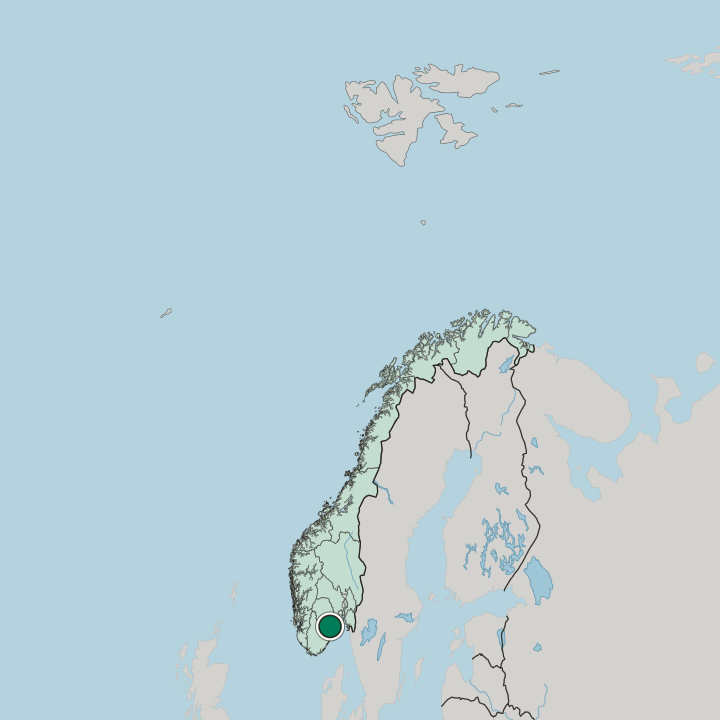
Prestestranda lies in south-eastern Norway (Østlandet), in the south-eastern part of Telemark. The setting is lake and forest. The village stands at the northwestern end of the lake Øvre Toke at the centre of Drangedal, with wooded hills rising around the water, the village of Bostrak about twelve kilometres to the north-west and Henseid a similar distance to the south-east.
This is deep inland country, a forested lake district well away from the coast.
What is the climate of Prestestranda?
Prestestranda has the cool inland climate of forested Drangedal. Sitting by the lake Øvre Toke well away from the sea, the village sees cold, snowy winters that hold over the surrounding woods and mild, green summers that warm the water for bathing and fishing. Snow lingers in the forests.
The seasons turn clearly here, with frost gripping the lake in the dark months and long northern light over the valleys in the short summer before the autumn closes in over south-eastern Telemark.
How do you get to Prestestranda?
Reaching Prestestranda means a journey into the forests of Drangedal. The Sørland railway halts here, and roads wind inland to the village at the head of Øvre Toke from the lowlands of Telemark. The way runs through woods.
Lanes follow the lake shore out toward Bostrak and Henseid and climb past the Drangedal bygdetun into the hills, tying the dispersed hamlets of the municipality to the central village by the water.
Common questions
What is the best area to stay in Prestestranda?
Prestestranda village: a lakeside base by the railway. The Øvre Toke shore: fishing and lakeside walks. The Drangedal bygdetun farmlands: a quiet rural night.
Good for
More cities in Telemark fylke
Updated September 2026