Norway · Telemark fylke
Where to Stay in Kviteseid, Telemark fylke
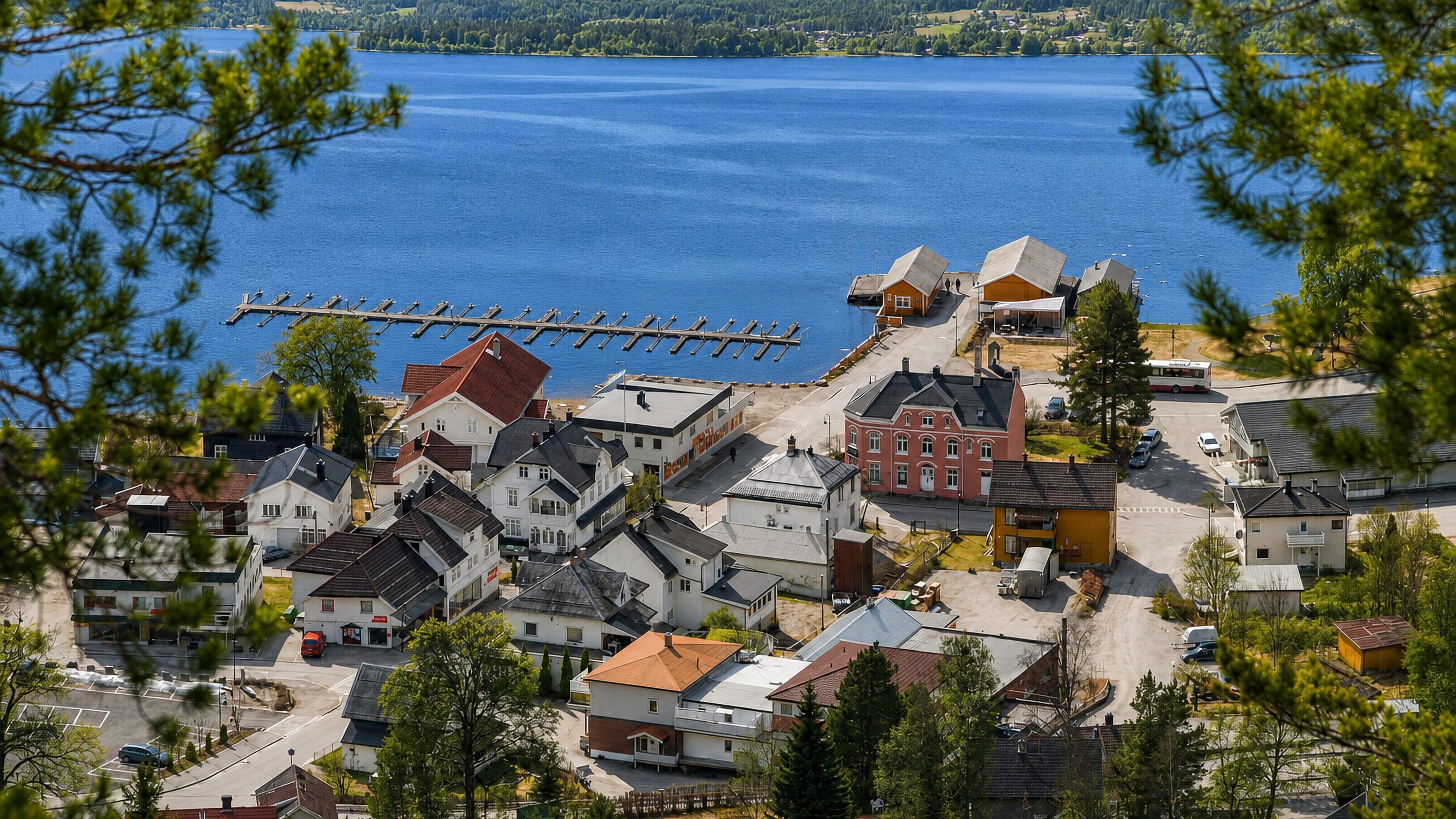
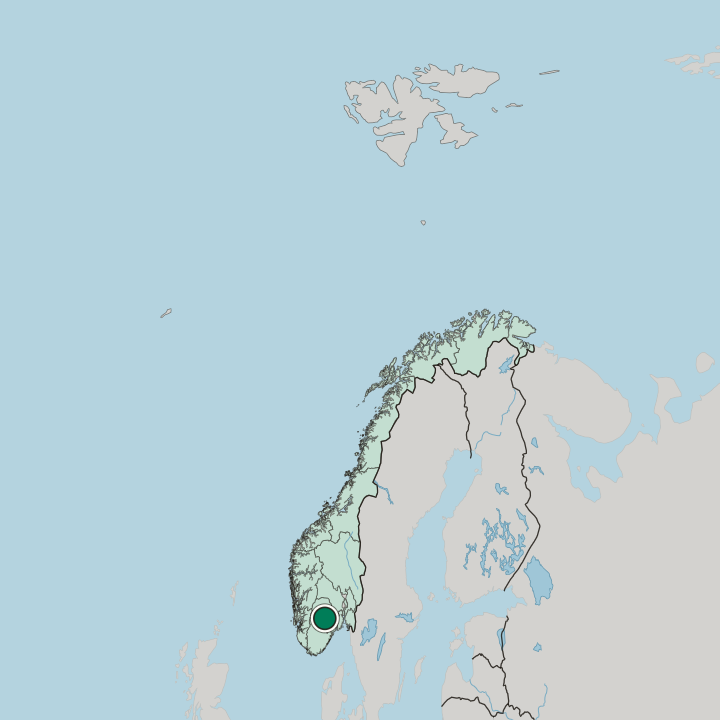
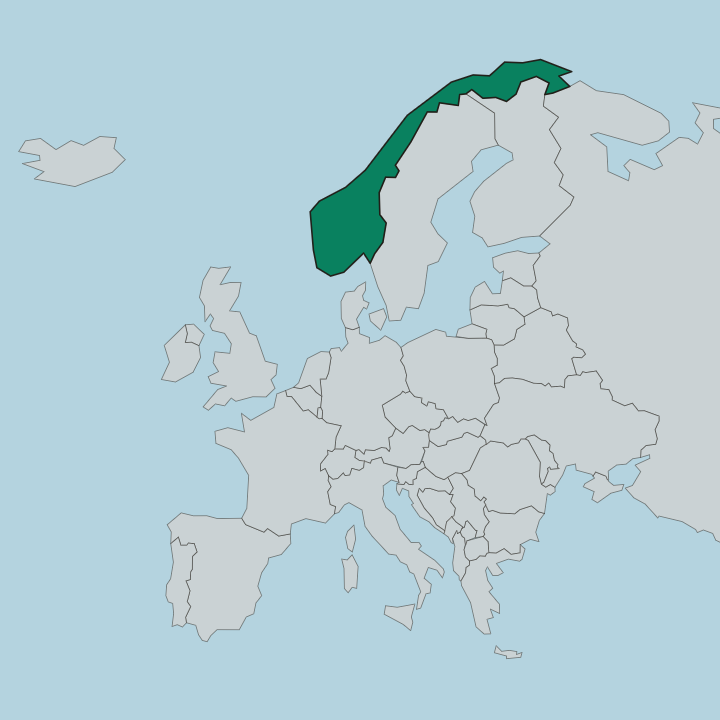
Kviteseid is a lakeside village and old church site in the western part of Telemark, in south-eastern Norway.
Hotel links are affiliate links: booking through them may earn us a commission, at no extra cost to you. It never affects how places are ranked. How this works


Where to stay in Kviteseid
Where visitors usually base themselves, and why.
The village by the lake is the natural base. Kviteseid gathers a small centre on the water in the western part of Telemark, with Kviteseid kirke and the open-air Kviteseid bygdetun close by and rooms among the farms and lakeshore rather than in a hotel district. Staying central keeps the church site and the lake within walking reach.
The parishes spread wide around it. Brunkeberg with its Brunkeberg kirke, Vrådal by its lake with Vrådal kirke, and Morgedal with the Norsk skieventyr ski museum each hold scattered guesthouses across the municipality. Stay in the village for the lake and the old church.
Choose Vrådal or Morgedal if you want a quieter lakeside or hillside base, all within a short drive across this corner of Telemark.
Find hotels in Kviteseid
Direct booking searches for these neighbourhoods.
Kviteseid village
The small centre on the lake holds Kviteseid kirke and the open-air Kviteseid bygdetun, a walkable base among the church sites of western Telemark.Find hotels in Kviteseid villageLake and ski-heritage stays near Vrådal kirke and Norsk skieventyrVrådal and Morgedal
Vrådal on its lake with Vrådal kirke and Morgedal with the Norsk skieventyr ski museum offer quieter outlying bases across the Kviteseid parishes. Lodging is scarce in this area; reserve in advance.Find hotels in Vrådal and MorgedalHotel links are affiliate links: booking through them may earn us a commission, at no extra cost to you. It never affects how places are ranked. How this works
Things to do in Kviteseid
Ranked by global recognition; descriptions from Wikidata (CC0).
Museums & Galleries
1- Norwegian Ski Museum Morgedal
Churches & Religious Sites
4- Kviteseid Old Church Heritage Romanesque church
- Kviteseid Church Heritage
- Vrådal Church Heritage
- Brunkeberg Church Heritage
worth knowingacross 2 categories in Kviteseid
About Kviteseid
Kviteseid is old church country.
What is Kviteseid known for?
The Romanesque Kviteseid gamle kirke, raised around the year 1200, marks the village as one of the long-settled parishes of the western part of Telemark. Skiing has roots here too. The Norsk skieventyr museum at Morgedal tells the story of the sport's beginnings, while the open-air Kviteseid bygdetun gathers the timber buildings of the old district.
What are the main landmarks in Kviteseid?
Kviteseid gamle kirke is the headline. The Romanesque church from around 1200 stands above the lake, the oldest of the church sites that dot the western part of Telemark. Others ring the parishes.
Kviteseid kirke serves the village, Brunkeberg kirke and Vrådal kirke their outlying communities, while the open-air Kviteseid bygdetun and the Norsk skieventyr ski museum at Morgedal round out the local sights.
What is the history of Kviteseid?
The church marks how far back Kviteseid runs. The Romanesque Kviteseid gamle kirke, raised around 1200 above the lake, shows the parish was settled deep in the medieval centuries in the western part of Telemark. Farms filled the valleys around it.
The communities of Brunkeberg and Vrådal, each with its own old church, grew across the lakes and ridges as the district took shape. Later the area gave the world its ski heritage. Morgedal became known as a cradle of modern skiing, and the Norsk skieventyr museum there now keeps that story, while the open-air Kviteseid bygdetun preserves the timber farm buildings of the old parish.
Kviteseid stayed a lakeside village. It held its medieval church and its scattered farms as a quiet community on the inland lakes of south-eastern Norway, far from any large town.
Where is Kviteseid?
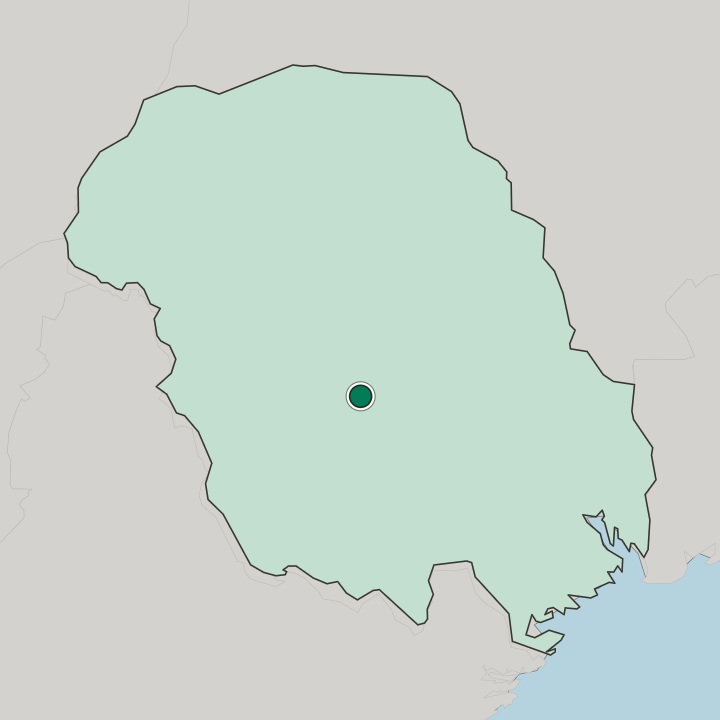
Lakes and ridges define Kviteseid. The village sits on the water in the western part of Telemark, with wooded hills rising around the shore and the outlying parishes spread along the valleys. Vrådal lies by its own lake.
The communities of Brunkeberg and Morgedal reach back into the hills, scattering the municipality across the inland lake country of south-eastern Norway.
What is the climate of Kviteseid?
Snow owns much of Kviteseid's year. High and inland in the western part of Telemark, Kviteseid sees cold, snowy months that long made Morgedal and its hills a ski country, with the lakes freezing through the heart of the season. Then summer comes mild and green to the hills above the water.
Warm light over the water and the wooded ridges brings the short bright half of the year to this lake parish of south-eastern Norway.
How do you get to Kviteseid?
Kviteseid lies deep inland. The village sits along the lake roads of the western part of Telemark, reached overland through the valleys rather than by any rail line. Cars carry most visitors.
The roads thread the lakes past Brunkeberg, Vrådal and Morgedal, linking the village to the wider routes of south-eastern Norway.
Common questions
What is the best area to stay in Kviteseid?
Kviteseid village: Lakeside base by Kviteseid kirke and the bygdetun. Vrådal and Morgedal: Lake and ski-heritage stays near Vrådal kirke and Norsk skieventyr.
Good for
More cities in Telemark fylke
Updated October 2026