Poland
Łódź Voivodeship, Poland — Towns & Travel Guide
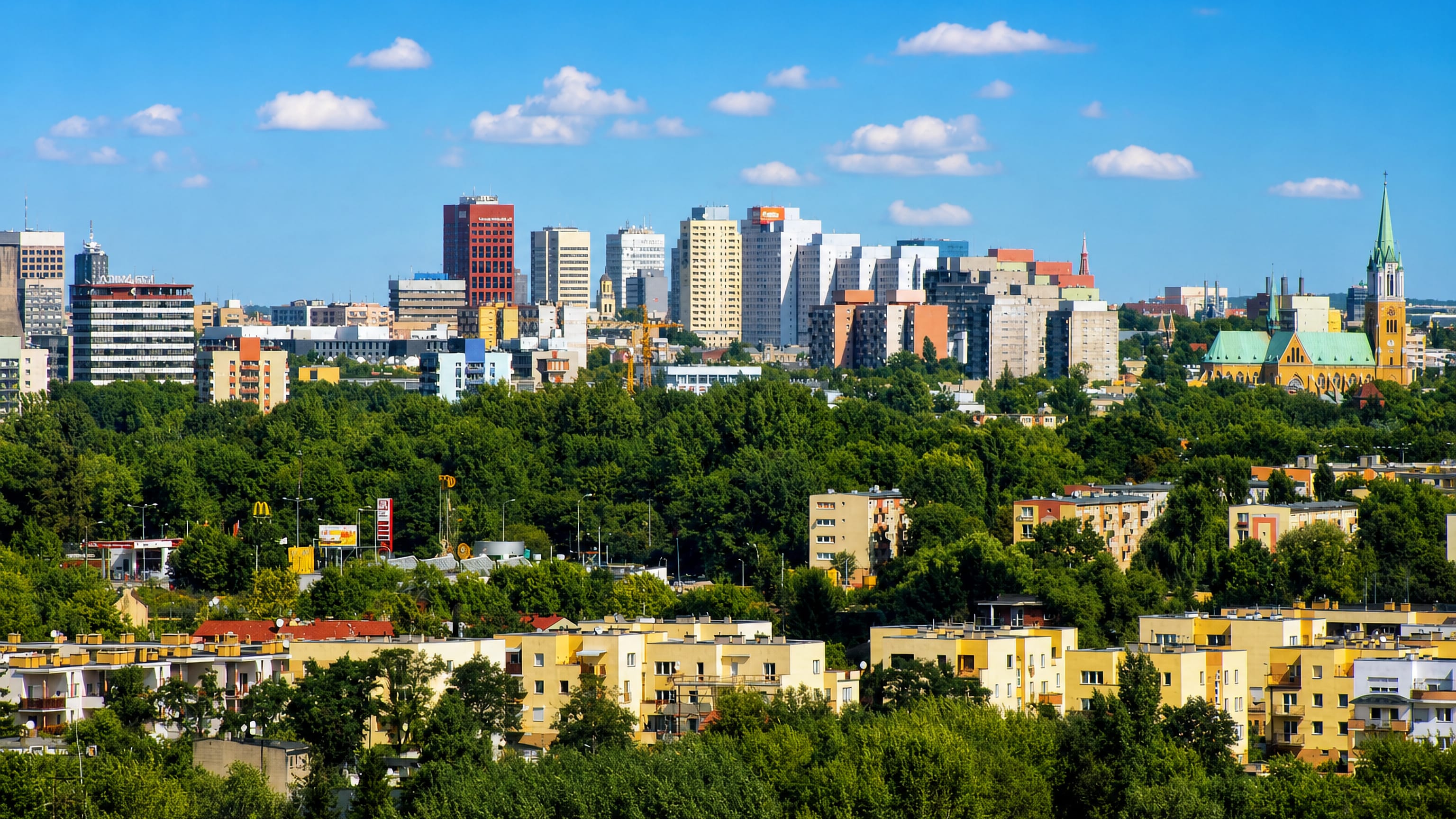
Łódź Voivodeship sits in the flat centre of Poland, built around Łódź, the country's great textile city.
Hotel links are affiliate links: booking through them may earn us a commission, at no extra cost to you. It never affects how places are ranked. How this works


Towns & cities in Łódź Voivodeship
Pick a town or city — each links to where to stay.
 Poland
Łódź
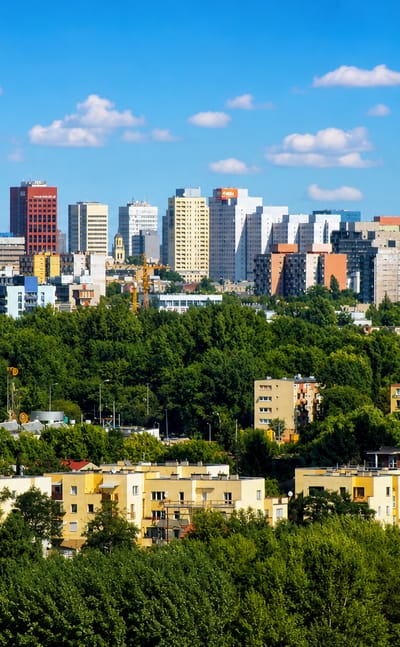
Red-brick mills line the streets at Łódź, a former textile city in central Poland and capital of Łódź Voivodeship, known for the White Factory.Where to stay →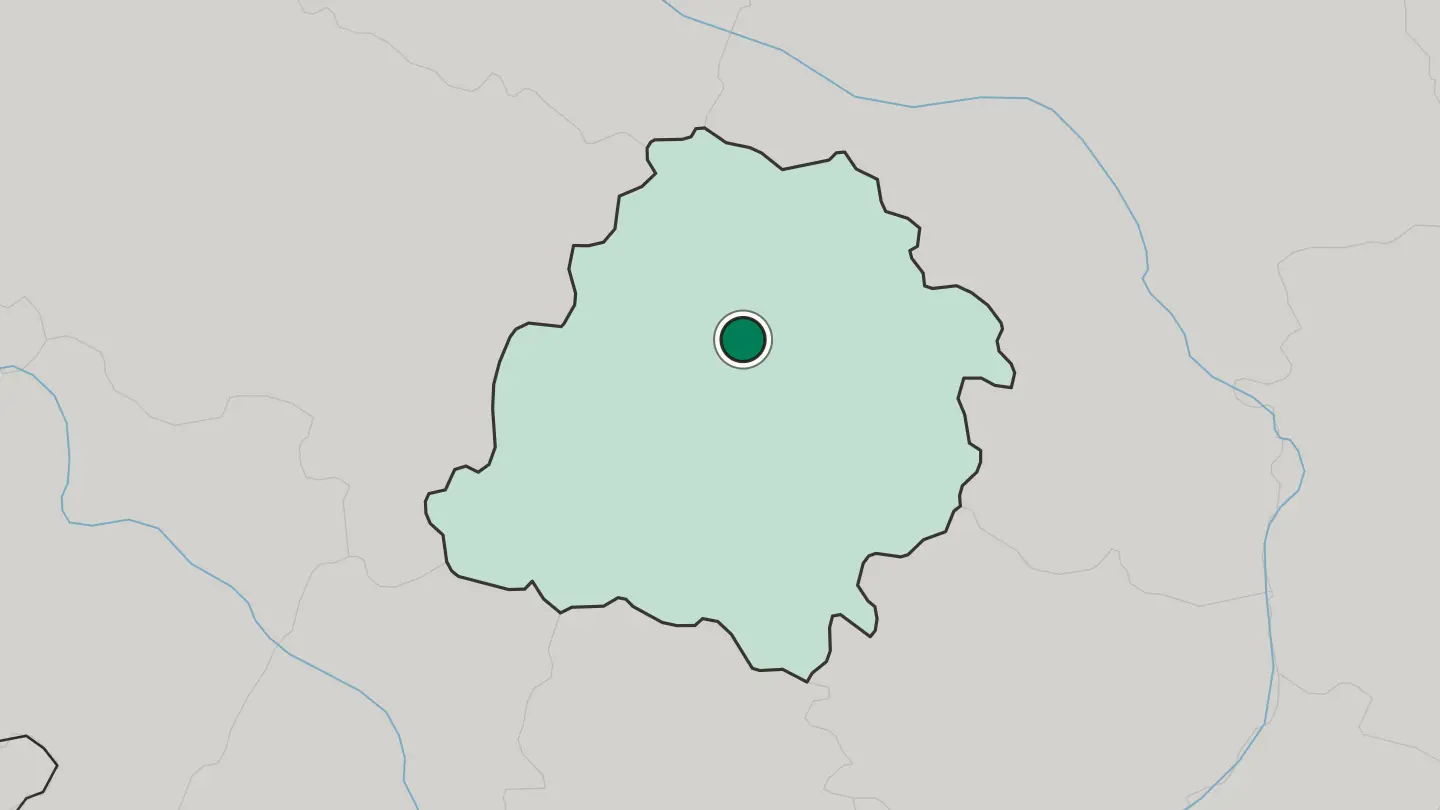
 Poland
Piotrków Trybunalski
Piotrków Trybunalski is a historic town of central Poland, once seat of the Crown Tribunal, the high court of the old Polish realm, whose name it bears.Where to stay →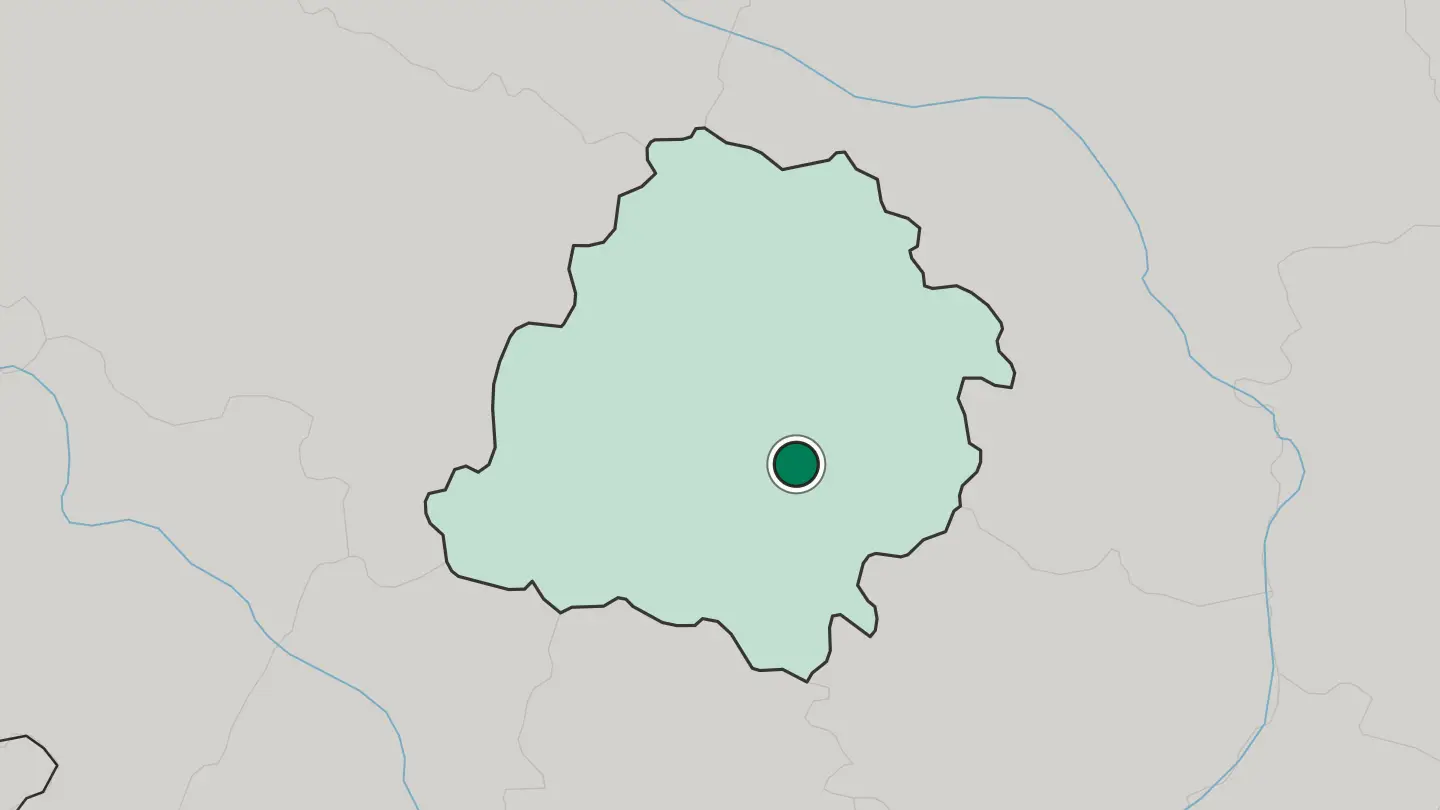
 Poland
Pabianice
Pabianice, capital of Pabianice County, lies ten kilometres southwest of Łódź, inside the metropolitan area of that far larger city.Where to stay →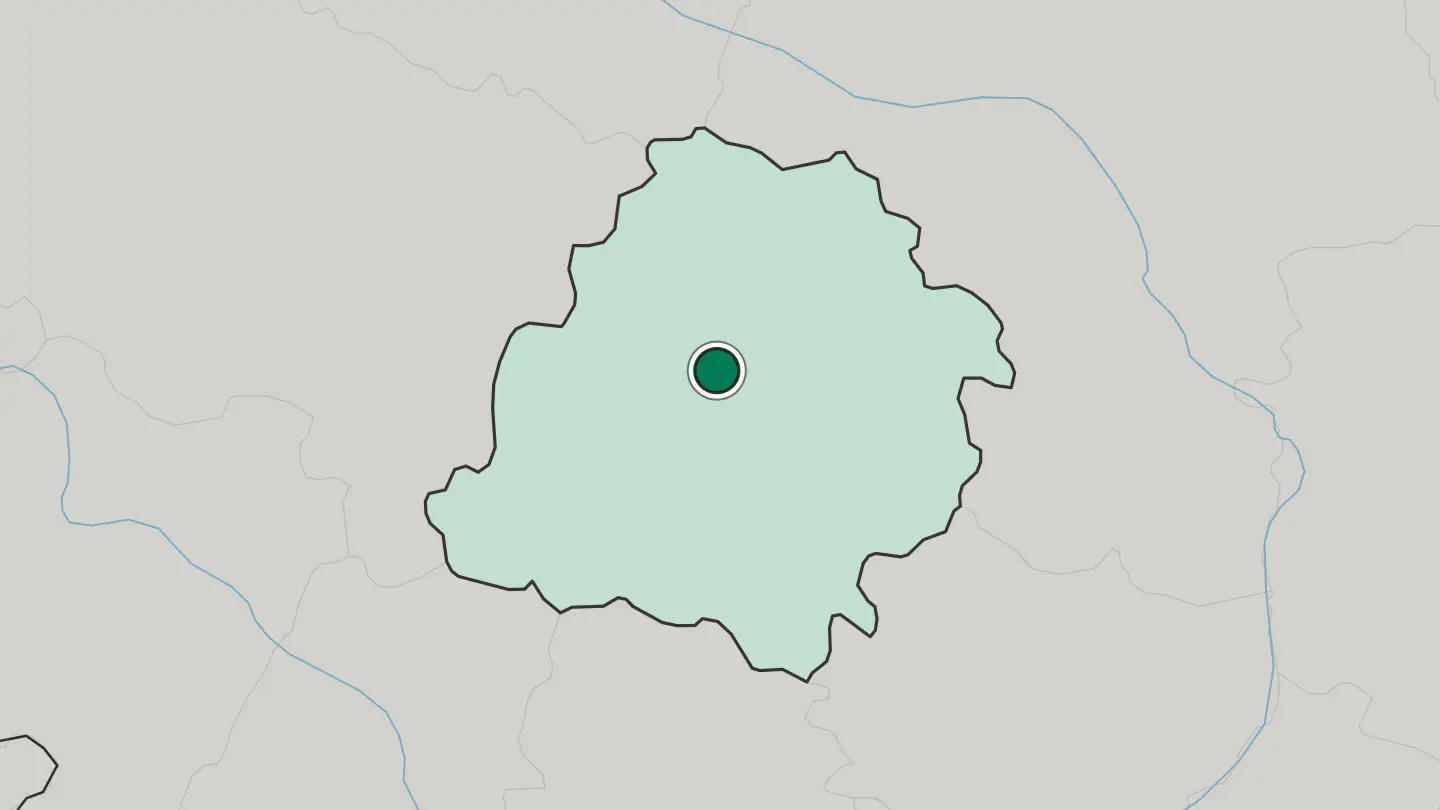
 Poland
Tomaszów Mazowiecki
Tomaszów Mazowiecki, founded in 1363, is the seat of Tomaszów County, and the Pilica has an open-air museum of its own here.Where to stay →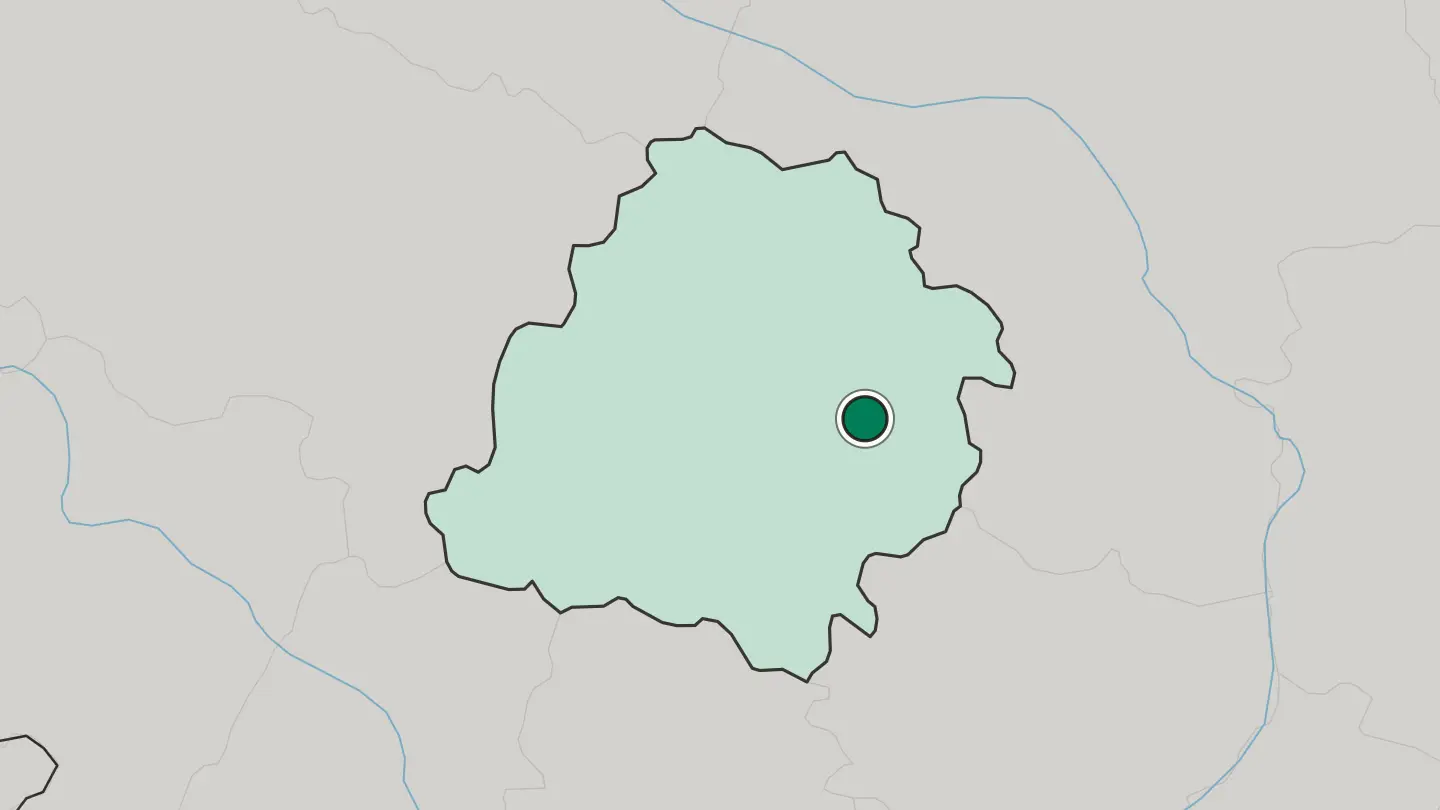 Poland
Bełchatów
Bełchatów is a coal city of the Łódź Voivodeship, its mines feeding the largest coal-fuelled thermal power plant in Europe.Where to stay →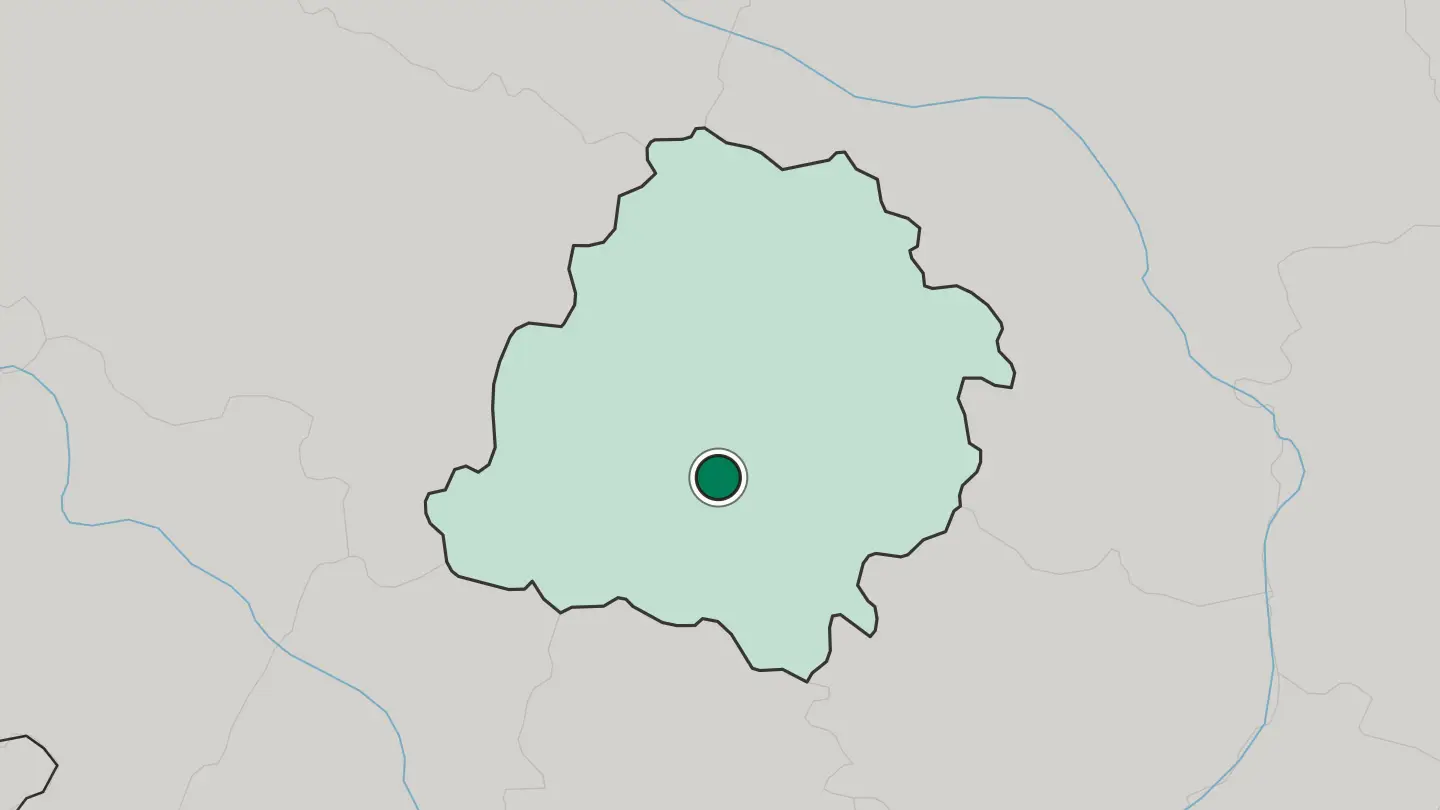 Poland
Zgierz
Zgierz, first on record in 1161, stands just to the north of Łódź in the historic Łęczyca Land, and is the capital of Zgierz County.Where to stay →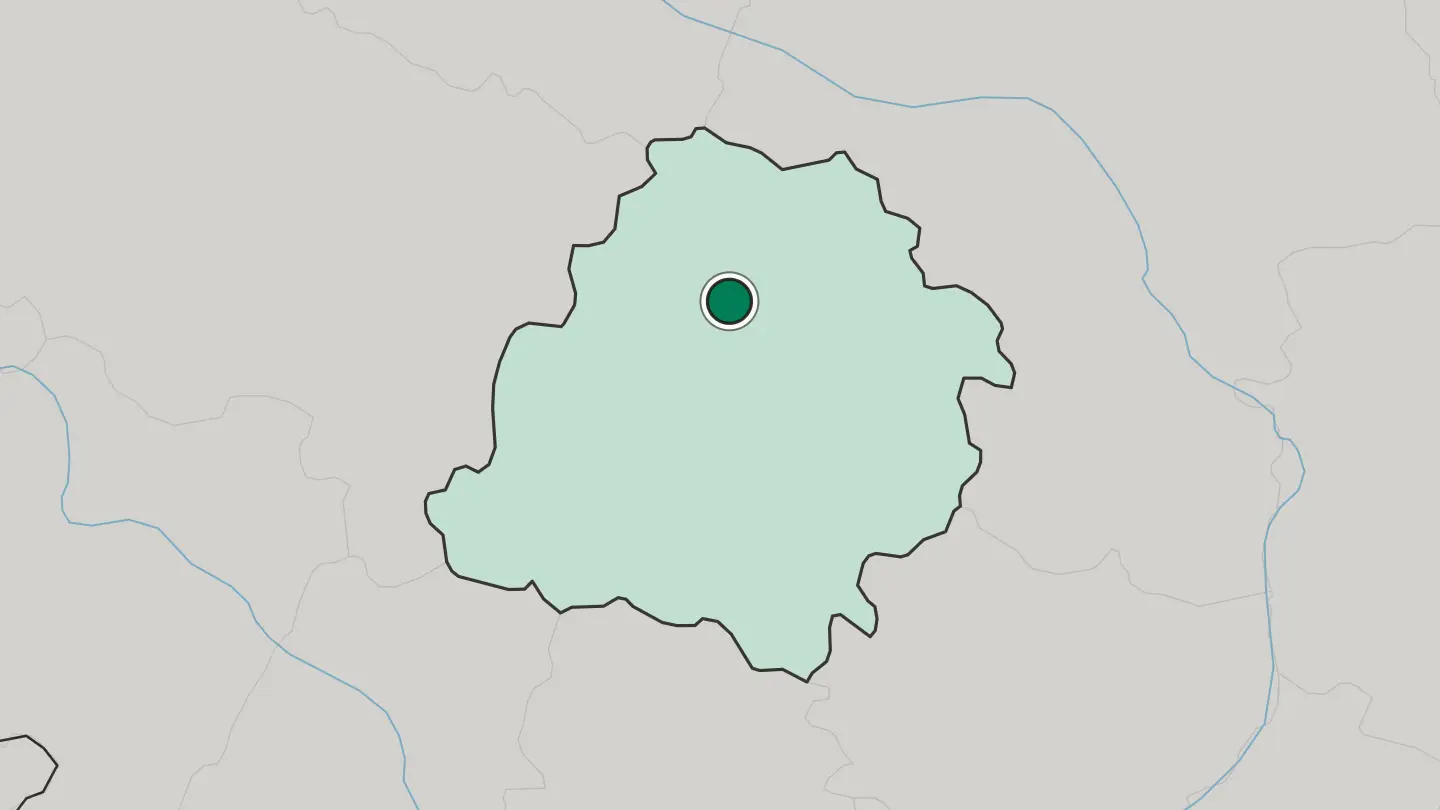
Hotel links are affiliate links: booking through them may earn us a commission, at no extra cost to you. It never affects how places are ranked. How this works
About Łódź Voivodeship
What is Łódź Voivodeship known for?
One name defines the region. Łódź grew from a small settlement into a cotton-mill giant in the space of a single century, and the red-brick weaving sheds and mill owners' palaces still line its streets. Piotrkowska Street runs four kilometres straight through its middle. To the south, Bełchatów burns lignite at the largest coal-fired power station on the continent.
Film binds the region together, and the Łódź Film School trained the directors Roman Polański and Krzysztof Kieślowski before they went abroad.
Where is Łódź Voivodeship?
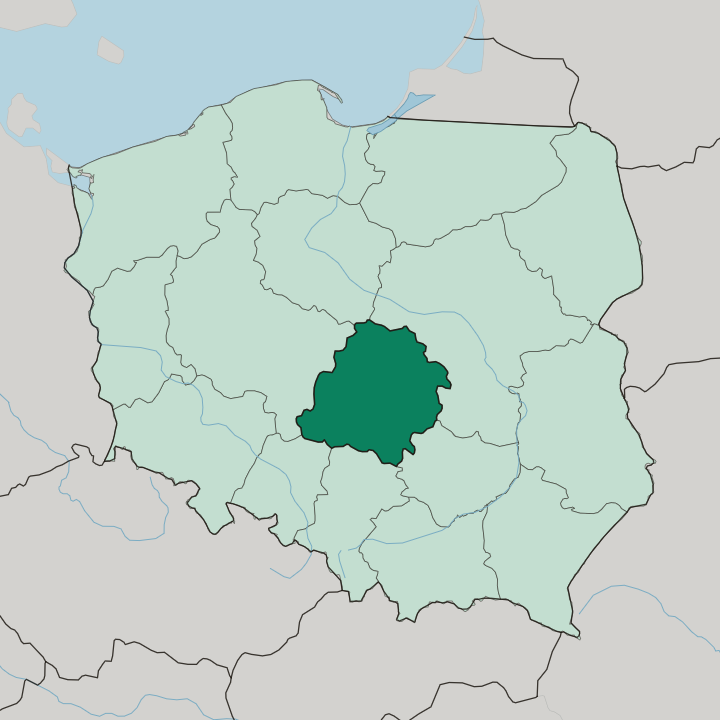
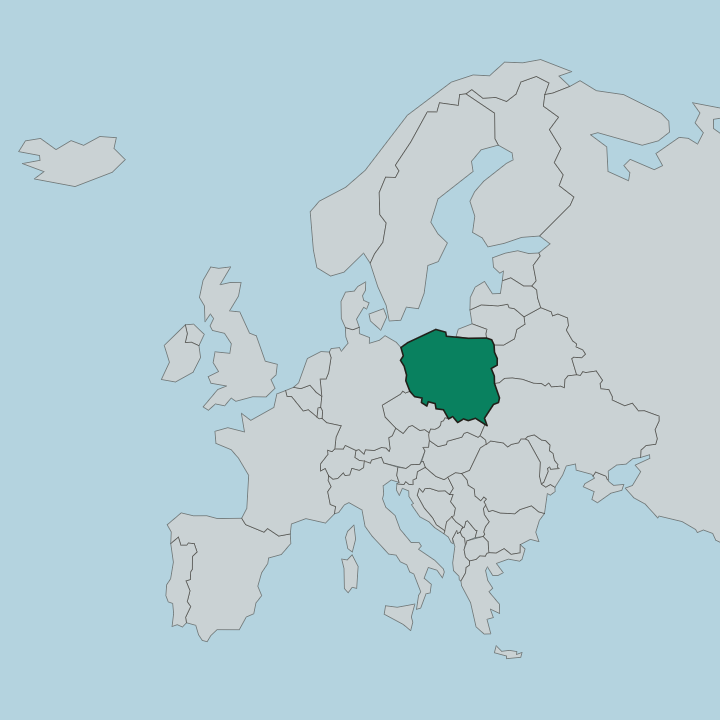
The province occupies the flat middle of Poland, roughly where the country's geometric heart falls. It is landlocked on every side. Six voivodeships ring it: Masovian to the north and east, Świętokrzyskie to the south-east, Silesian to the south, Opole to the south-west, Greater Poland to the west, and a short stretch of Kuyavian-Pomeranian to the north.
The land is low and gently rolling, part of the wide plains that run across central Poland, with the Woźniki-Wieluń Upland rising along the southern rim. Water here does not gather into one great river the way it does elsewhere. The Warta clips the western edge on its way north, and the upper Pilica drains the south-east.
Two smaller rivers, the Bzura and the Ner, thread past Łódź itself. The city sits on a low watershed, and the streams that once turned its mill wheels were slight. Three old historical lands meet inside the modern borders.
Masovia holds the east, Greater Poland the west, and a corner of Lesser Poland reaches in around Opoczno in the south-east.
What is Łódź Voivodeship like?
Industry made this culture, and it shows. Łódź was a city of Poles, Jews, Germans, and Russians who came for the mills, and their churches, synagogue sites, and factory palaces still stand side by side along its avenues. Władysław Reymont, who won the Nobel Prize for Literature, set his novel Ziemia Obiecana, The Promised Land, in that boom-town Łódź of smoke and ambition. The old factories have found new uses.
The Manufaktura complex, once Izrael Poznański's cotton empire, now holds museums, shops, and squares inside its red brick. Film is the region's proudest thread. The Łódź Film School, founded after the war, taught the directors who carried Polish cinema abroad, and the city keeps that name as a UNESCO City of Film.
Piotrków Trybunalski adds a different, older layer of heritage. Kings were elected near here and the Crown Tribunal met within its walls, and its market square still keeps the shape of that legal past.
What is the history of Łódź Voivodeship?
Łódź was a market town of a few hundred souls when the government of Congress Poland marked it out for cloth-making in 1820. What followed was explosive. Weavers and mill owners poured in from across Europe, chimneys rose over the fields, and within a lifetime the town had swollen into one of the great industrial cities of the continent.
The province as it stands was drawn much later, in 1999, gathering the old Łódź lands and their neighbours into one voivodeship.
What is the climate of Łódź Voivodeship?
The province has a temperate climate of the transitional kind, caught between mild Atlantic air from the west and colder continental air from the east. Winters are cold and grey. Summers are warm, with most of the year's rain falling in the warmer months and thunderstorms breaking over the plains.
Its inland position, far from any sea, sharpens the swing between the seasons more than on Poland's coast. Snow settles across the flat farmland most winters.
How do you get to Łódź Voivodeship?
The region's central position is its chief asset. Łódź sits close to the crossing of two of Poland's main motorways, and fast trains reach it from Warsaw in little over an hour. Władysław Reymont Airport handles some flights on the city's edge, though many travellers use Warsaw's larger airports and come the rest of the way by rail or road. Inside the province, roads and trains fan out from Łódź to Piotrków Trybunalski, Bełchatów, and the smaller towns.
Good for
More regions in Poland
Updated September 2026