Poland
Podkarpackie Voivodeship, Poland — Towns & Travel Guide
Podkarpackie fills Poland's south-eastern corner, where the Carpathians rise toward Ukraine and the wild Bieszczady begin.
Hotel links are affiliate links: booking through them may earn us a commission, at no extra cost to you. It never affects how places are ranked. How this works


Towns & cities in Podkarpackie Voivodeship
Pick a town or city — each links to where to stay.
 Poland
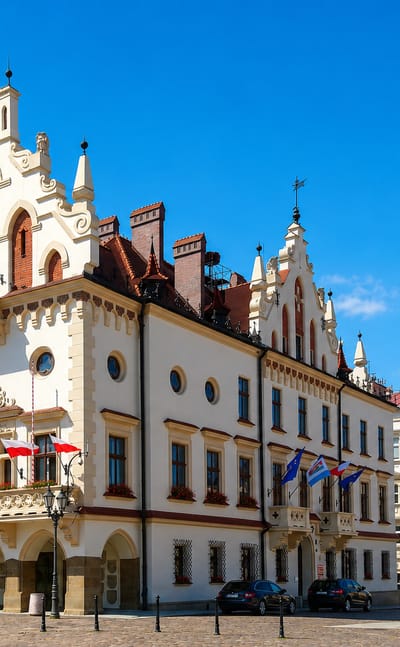
Rzeszów
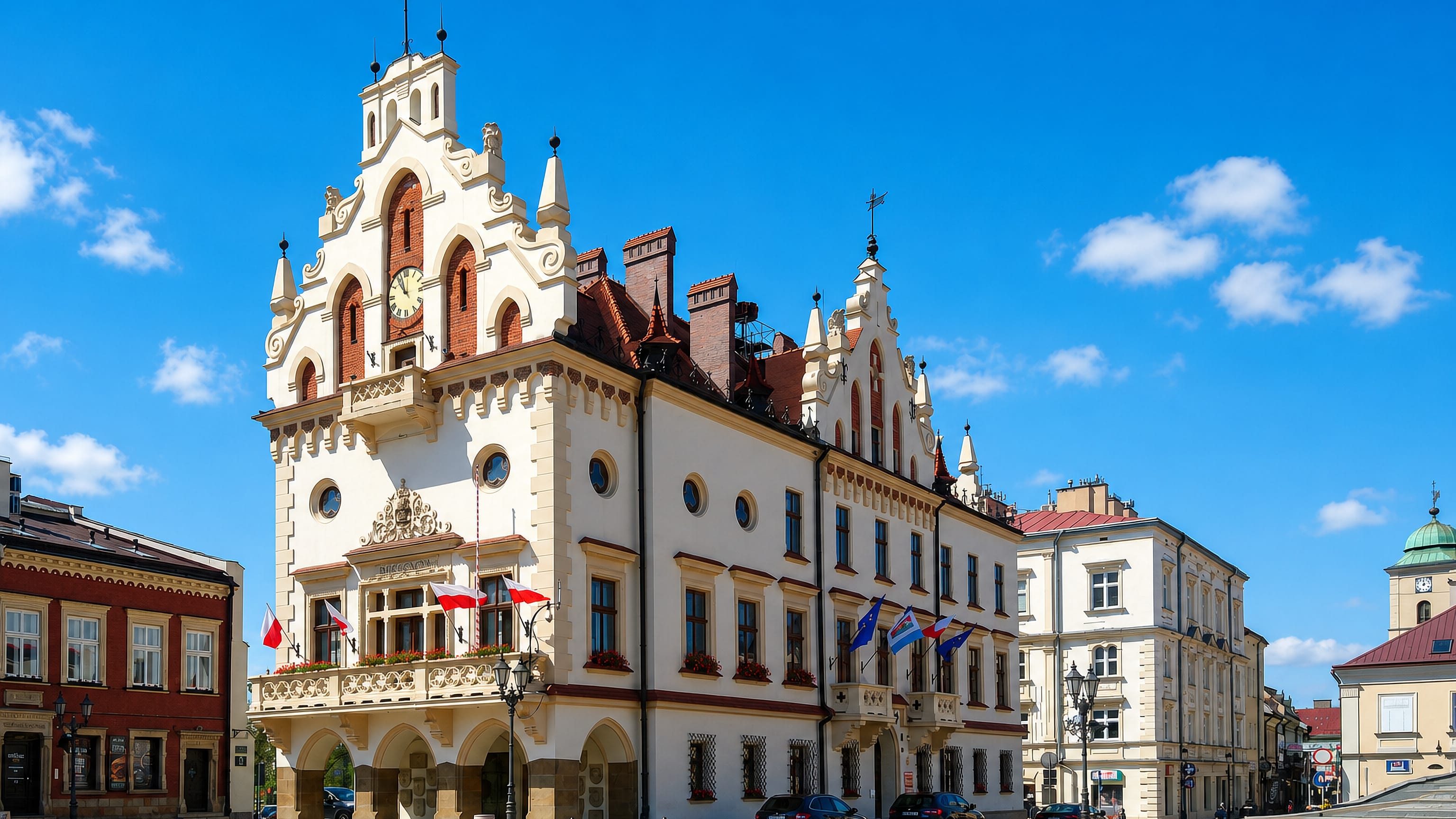
The Wisłok River splits Rzeszów, the capital of the Subcarpathian Voivodeship in southeastern Poland, an old Lubomirski town in the Sandomierz Basin.Where to stay →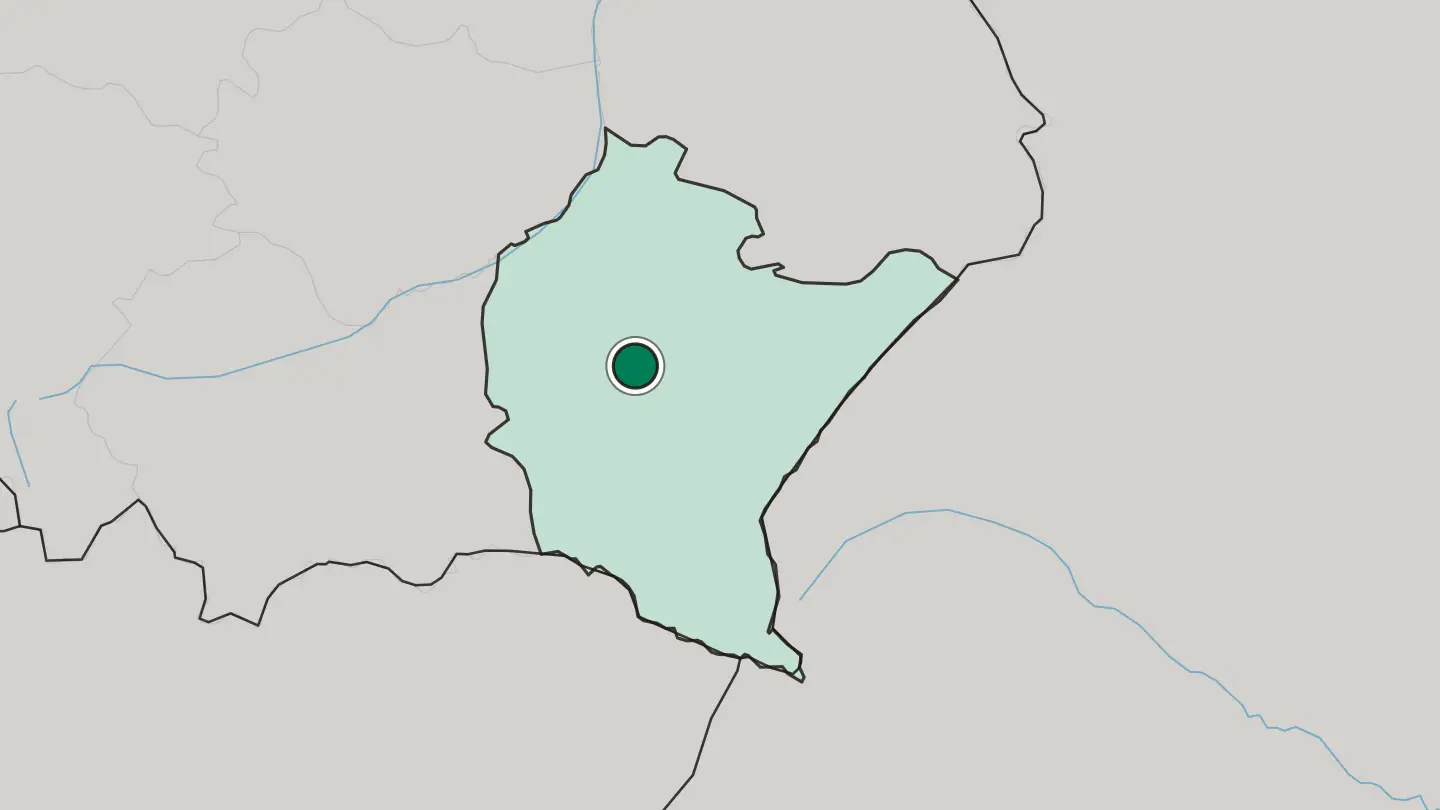
 Poland
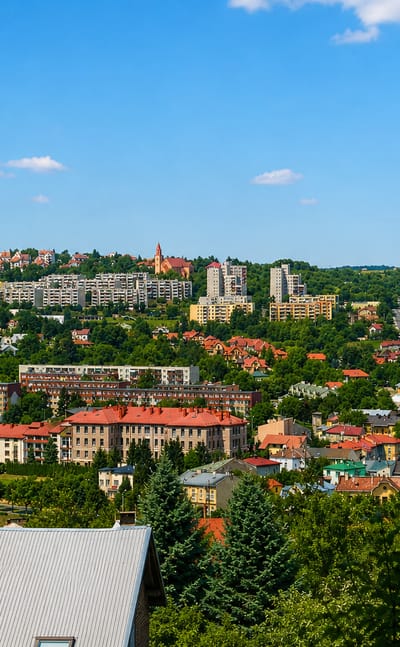
Przemyśl
Hilltop churches crown Przemyśl, an old cathedral city in southeast Poland, below its castle in the Subcarpathian Voivodeship near the Ukrainian border.Where to stay →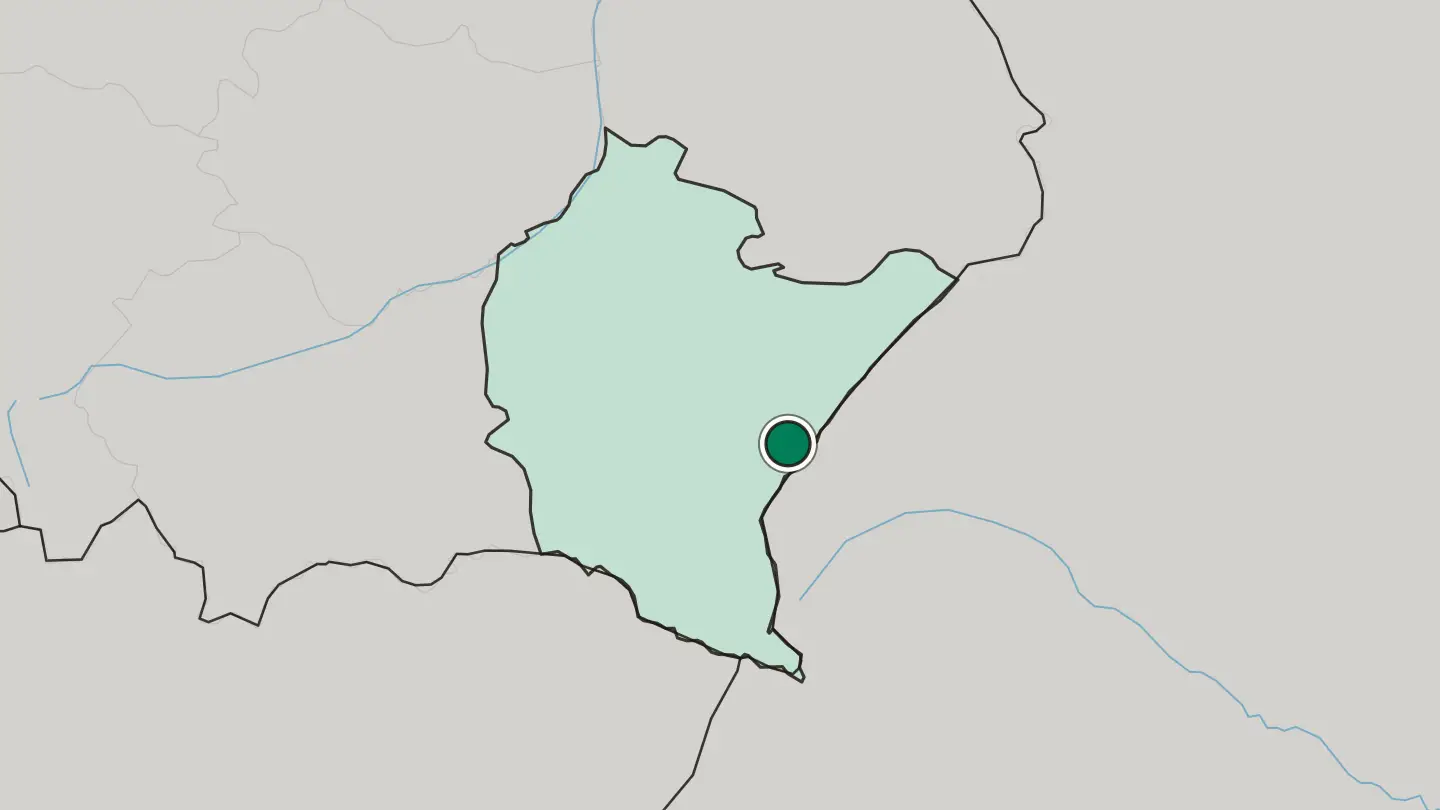 Poland
Stalowa Wola
Stalowa Wola is a planned works town in Podkarpackie Voivodeship, laid out from 1938 near the confluence of the San and the Vistula.Where to stay →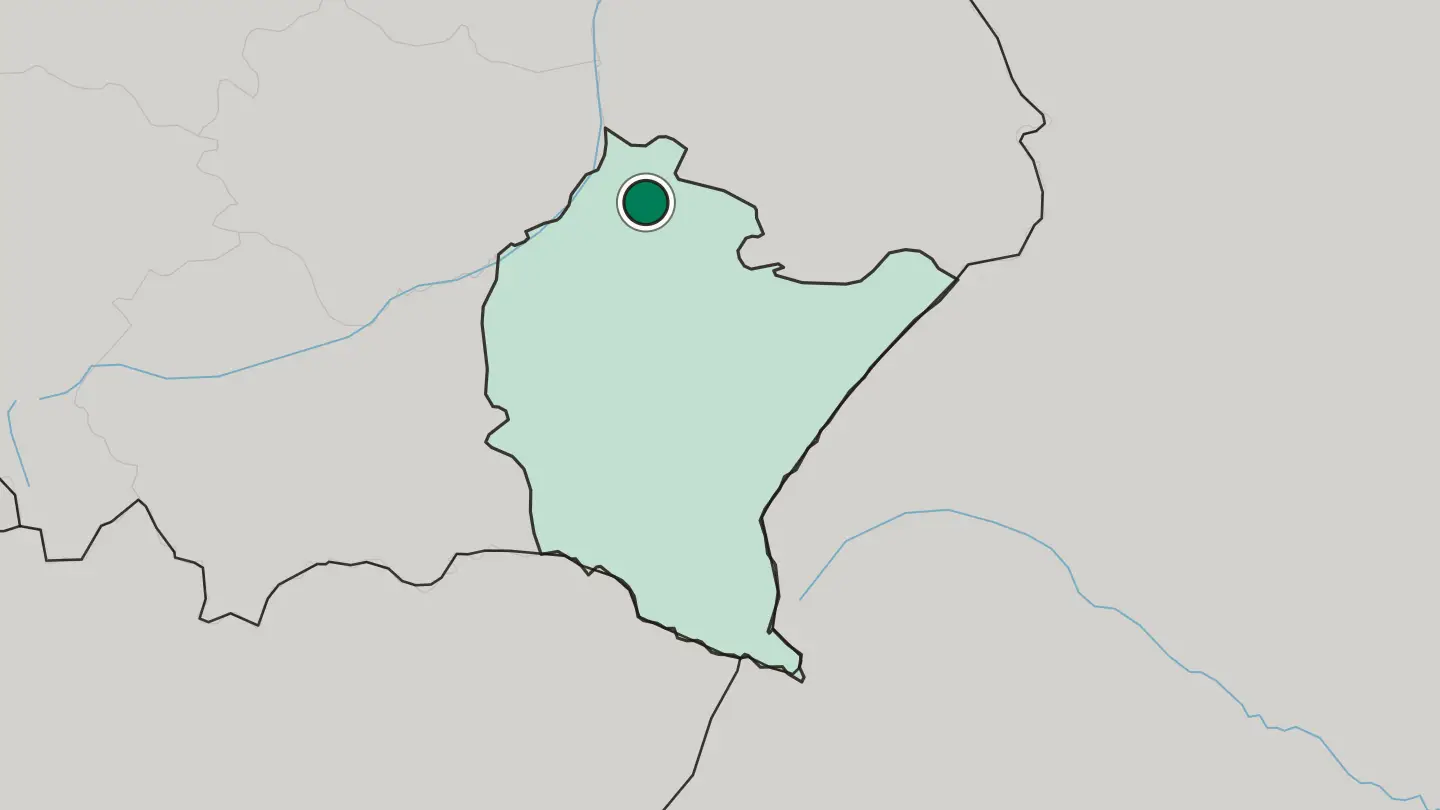
 Poland
Mielec
Mielec runs Mielec County from a market square of listed houses, a town of the Podkarpackie Voivodeship founded in 1457.Where to stay →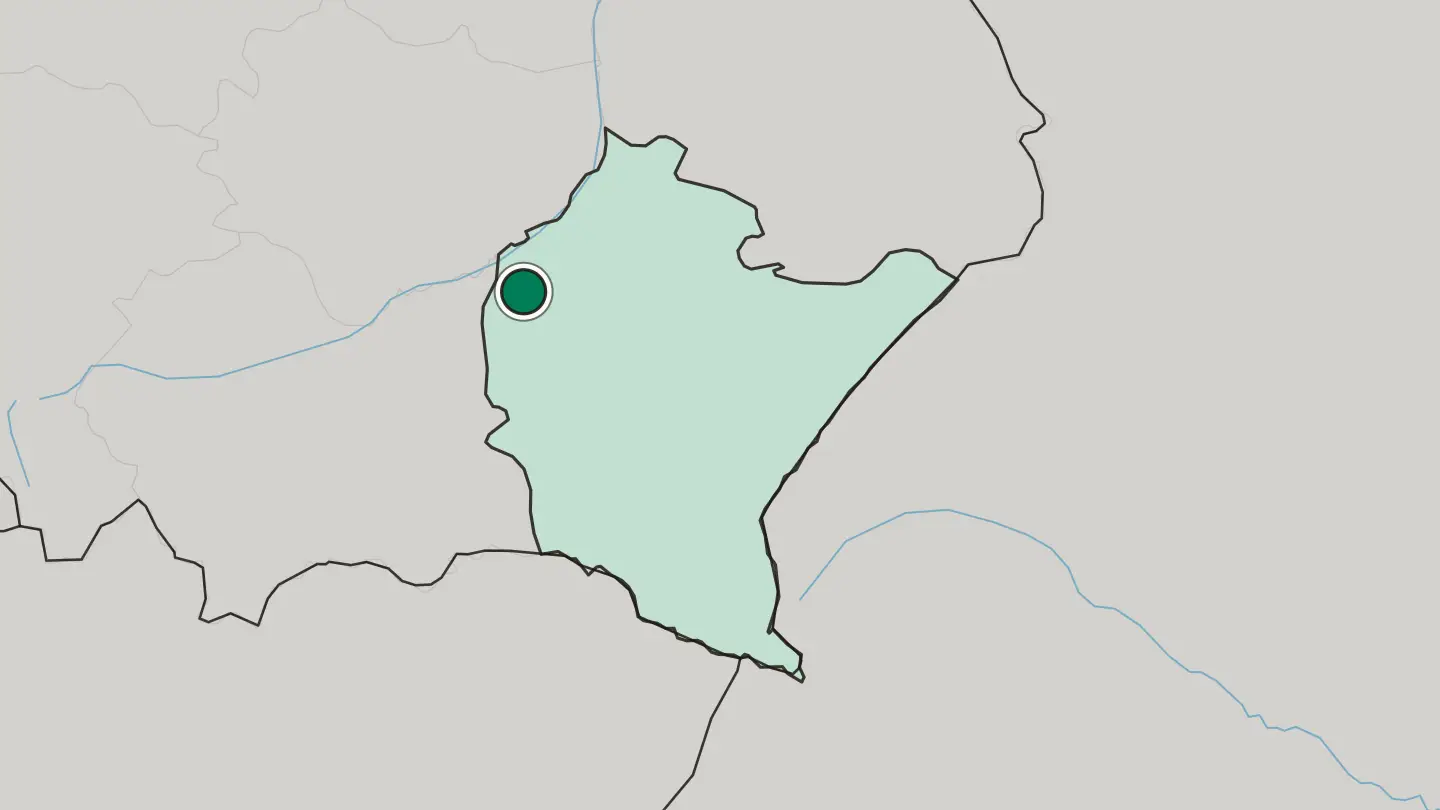
 Poland
Tarnobrzeg
Tarnobrzeg stands on the east bank of the Vistula in the Sandomierz Basin, a market town chartered in 1593 that later grew on sulfur.Where to stay →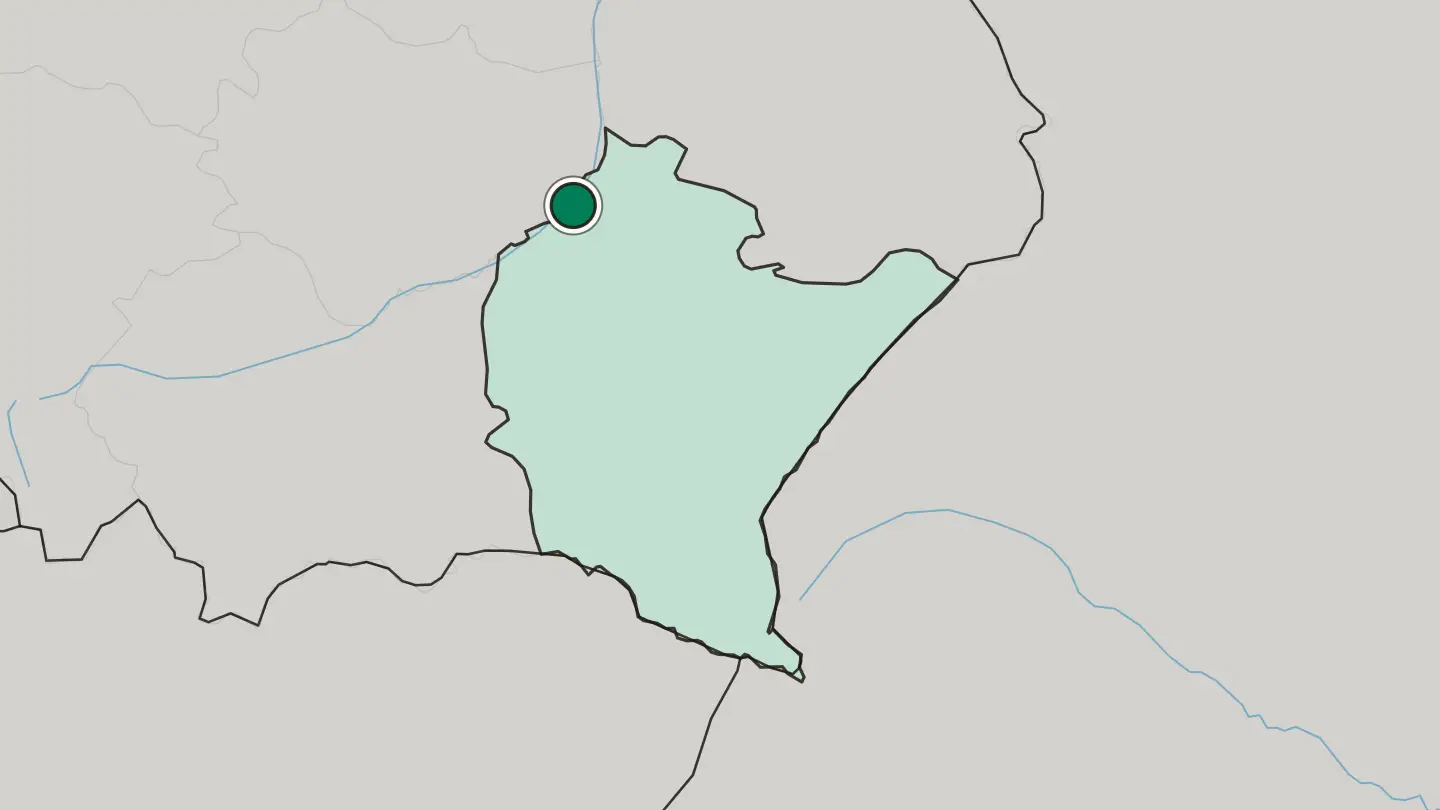
Hotel links are affiliate links: booking through them may earn us a commission, at no extra cost to you. It never affects how places are ranked. How this works
About Podkarpackie Voivodeship
The Bieszczady define it.
What is Podkarpackie Voivodeship known for?
This forested range in the far south-east holds Poland's wildest corner, home to wolves, lynx and reintroduced bison across empty ridges. Rzeszów, the capital, sits on the Wisłok River at the edge of the Carpathians and serves as the region's hub. To the south lie Lake Solina and the aristocratic castle at Łańcut, while wooden Gothic churches at Blizne and Haczów carry UNESCO listing.
Empty mountains and old magnate estates share the same map.
Where is Podkarpackie Voivodeship?
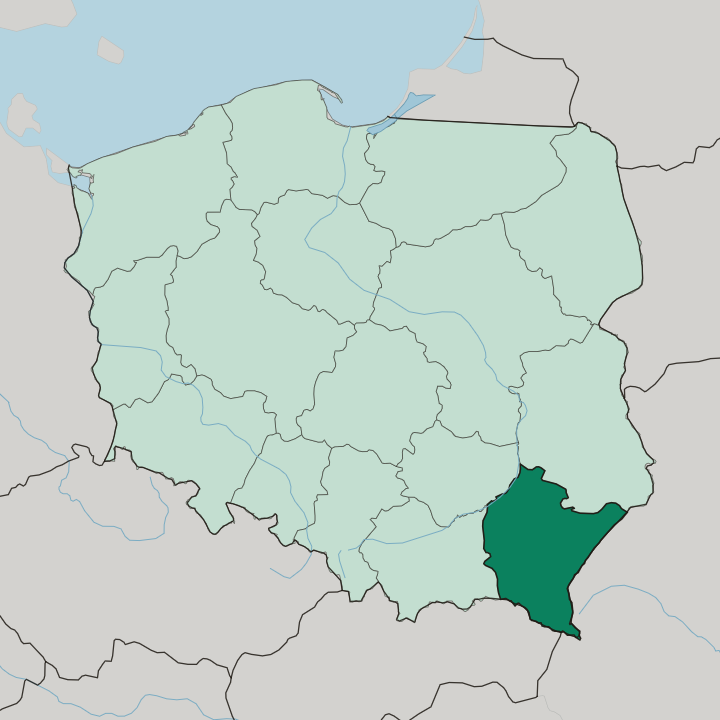
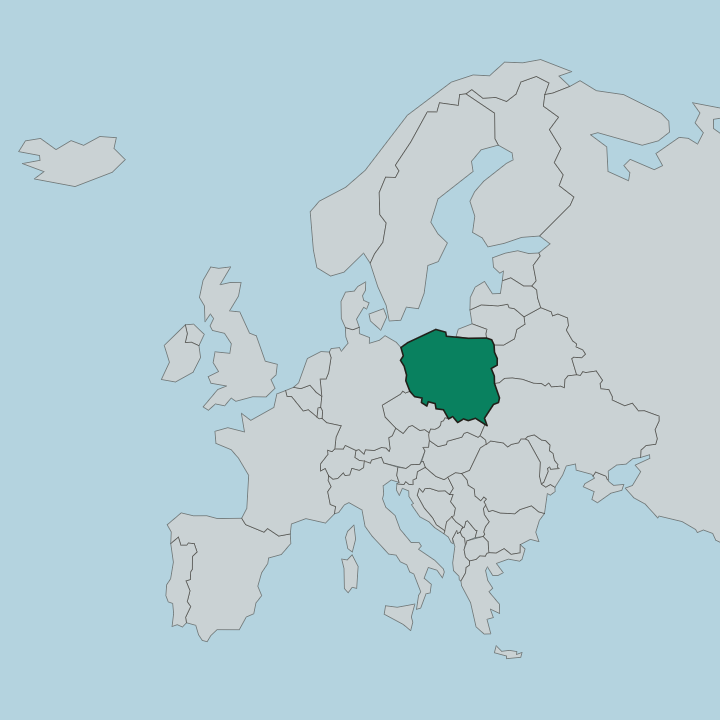
Podkarpackie occupies the far south-eastern corner of Poland, pressed against two international borders. Ukraine lies to the east and Slovakia to the south, and the region takes its name from its position along the Carpathian Mountains. The land tilts as you travel south.
The north is a country of lowlands and river uplands, the flat Sandomierz Basin where the San joins the Vistula and the plain opens out. Then the ground climbs. The Lower Beskids give way to the Bieszczady, and in that southern range Mount Tarnica rises to 1,346 metres, the highest point Poland holds in these mountains.
Rivers order the whole province. The San runs down from the mountains through Przemyśl and on toward the Vistula, gathering the Wisłoka and the Wisłok as it goes, and Rzeszów sits on the Wisłok where the Carpathians meet the basin. Forest covers more than a third of the land.
Few Polish regions are as wooded, and the Bieszczady in the south-east hold some of the emptiest country in the entire nation.
What is Podkarpackie Voivodeship like?
This is borderland, and its culture shows it. For centuries the province straddled the historic regions of Lesser Poland and Red Ruthenia, a seam where Polish, Ruthenian and Jewish life met and mingled. That mixing left visible marks.
The Lemko and Boyko peoples, Carpathian highlanders of the Eastern rite, built the wooden churches that still stand across the southern valleys. Some are Roman Catholic, some Orthodox, all timber. The Gothic log churches at Blizne and Haczów carry UNESCO listing, and the one at Haczów, raised in the first half of the 1400s, ranks among the oldest and largest wooden churches anywhere.
Grandeur sits beside that village faith. The magnate families who once ruled here, the Lubomirski and the Potocki, left the vast palace-and-park estate at Łańcut, one of the best-preserved aristocratic residences in Poland. Rzeszów anchors the modern region.
The everyday language is Polish, shared with the rest of the country, but the old ethnic threads are woven through the churches, the cemeteries and the cooking of the south. Faith runs through it all. Roadside shrines and pilgrimage churches mark a landscape that has stayed deeply Catholic.
What is the history of Podkarpackie Voivodeship?
The land is old, the province young. Przemyśl and Sanok trace their beginnings back more than a thousand years, and the territory belonged to Poland from the reign of its first ruler, Mieszko I. Control then shifted for centuries. Kievan Rus, the Golden Horde and the Kingdom of Hungary each held parts before Poland regained the whole in the fourteenth century, and Austrian rule followed the partitions, leaving the great fortress ring at Przemyśl.
The voivodeship itself was drawn in 1999, when Poland's reform of its provinces created Podkarpackie from older units and named it for the Carpathians on its southern edge.
What is the climate of Podkarpackie Voivodeship?
The climate turns sharper as the land rises. Podkarpackie has a continental temperate pattern, with warm summers on the northern plain around Rzeszów and cold, snow-bound winters that grip the Bieszczady for months. Altitude drives the difference.
The mountains of the south-east catch far more rain and snow than the lowland basin where the San meets the Vistula, and their high ridges stay white long after the plains have thawed. Caught between the warm plain and the snowbound Bieszczady, Podkarpackie's spring and autumn stay brief and unsettled. Deep snow makes the southern peaks a winter place.
How do you get to Podkarpackie Voivodeship?
Most travellers land at Jasionka. The region's international airport sits about 8 kilometres north of Rzeszów and is the natural way in from abroad. The A4 motorway runs east across southern Poland to Rzeszów and on toward the Ukrainian border, and rail lines through the capital connect it to Kraków and Warsaw.
Reaching the deep south takes more effort. Beyond Rzeszów the mountains thin the roads out, and a car becomes the practical means of getting to Lake Solina and the Bieszczady trailheads.
Common questions
What is the best area to stay in Podkarpackie Voivodeship?
Rzeszów: arriving and getting around Podkarpackie without a car. Przemyśl: military history and the frontier on the San. The Bieszczady and Lake Solina: hiking, sailing and the wild south-east.
Good for
More regions in Poland
Updated September 2026