Russia
Astrakhan Oblast, Russia — Towns & Travel Guide
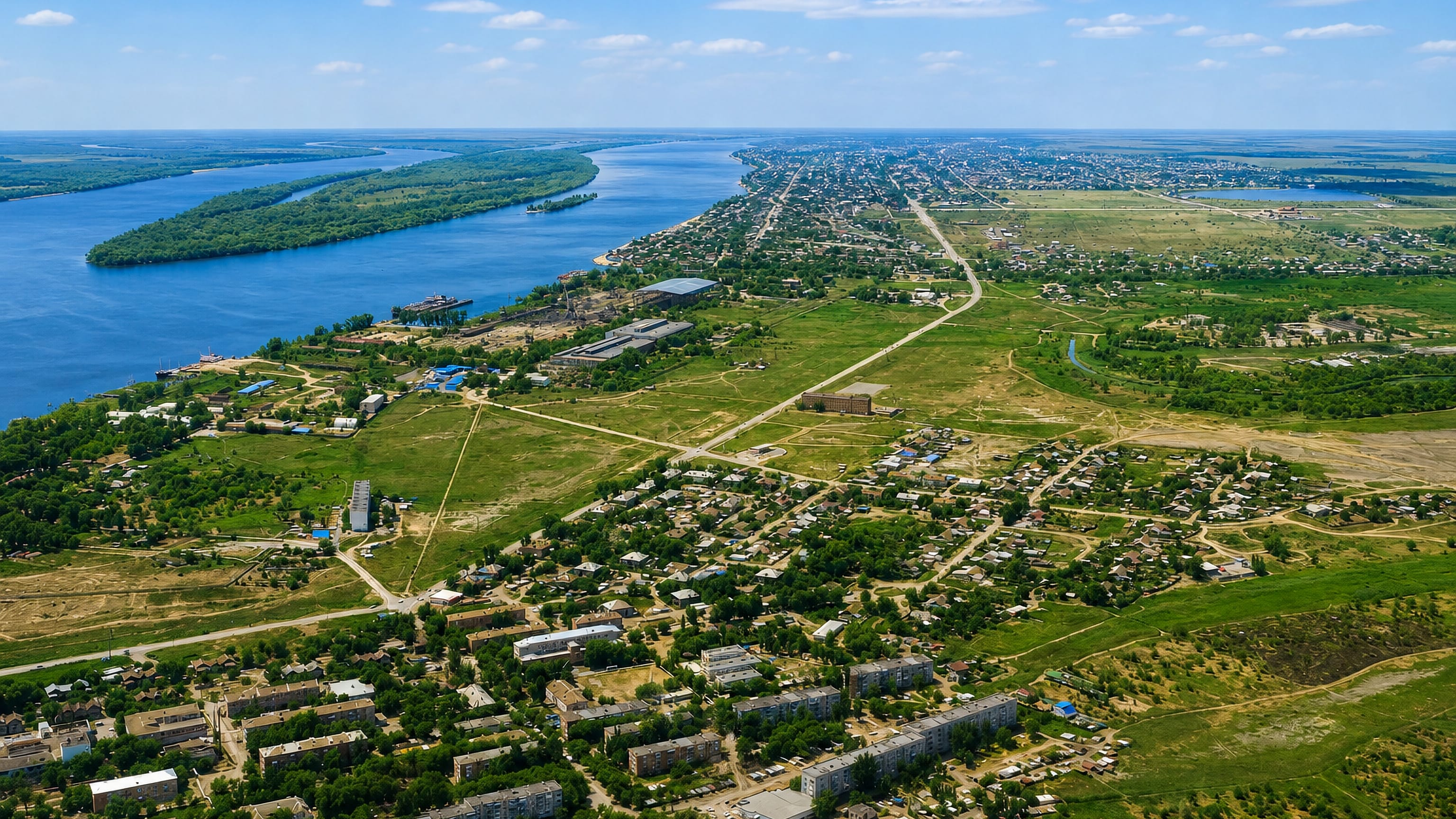
Astrakhan Oblast is where the Volga fans into its delta and empties into the Caspian Sea, in southern Russia.
Find your area →


Towns & cities in Astrakhan Oblast
One town here has its own guide — it links to where to stay.
 Russia
Astrakhan
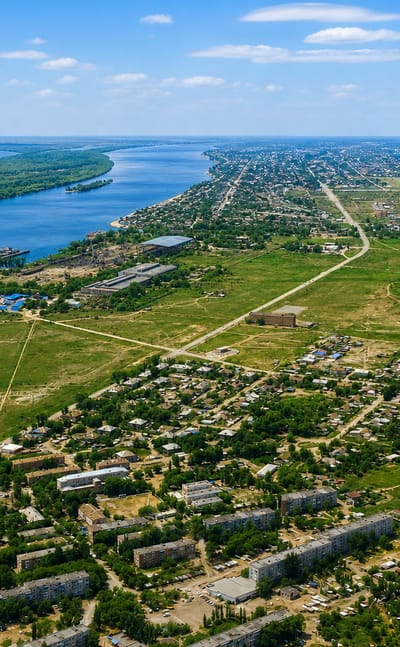
White walls ring the Astrakhan Kremlin above the delta channels, a city in Astrakhan Oblast, known for the Cathedral of the Dormition and its many faiths.Where to stay →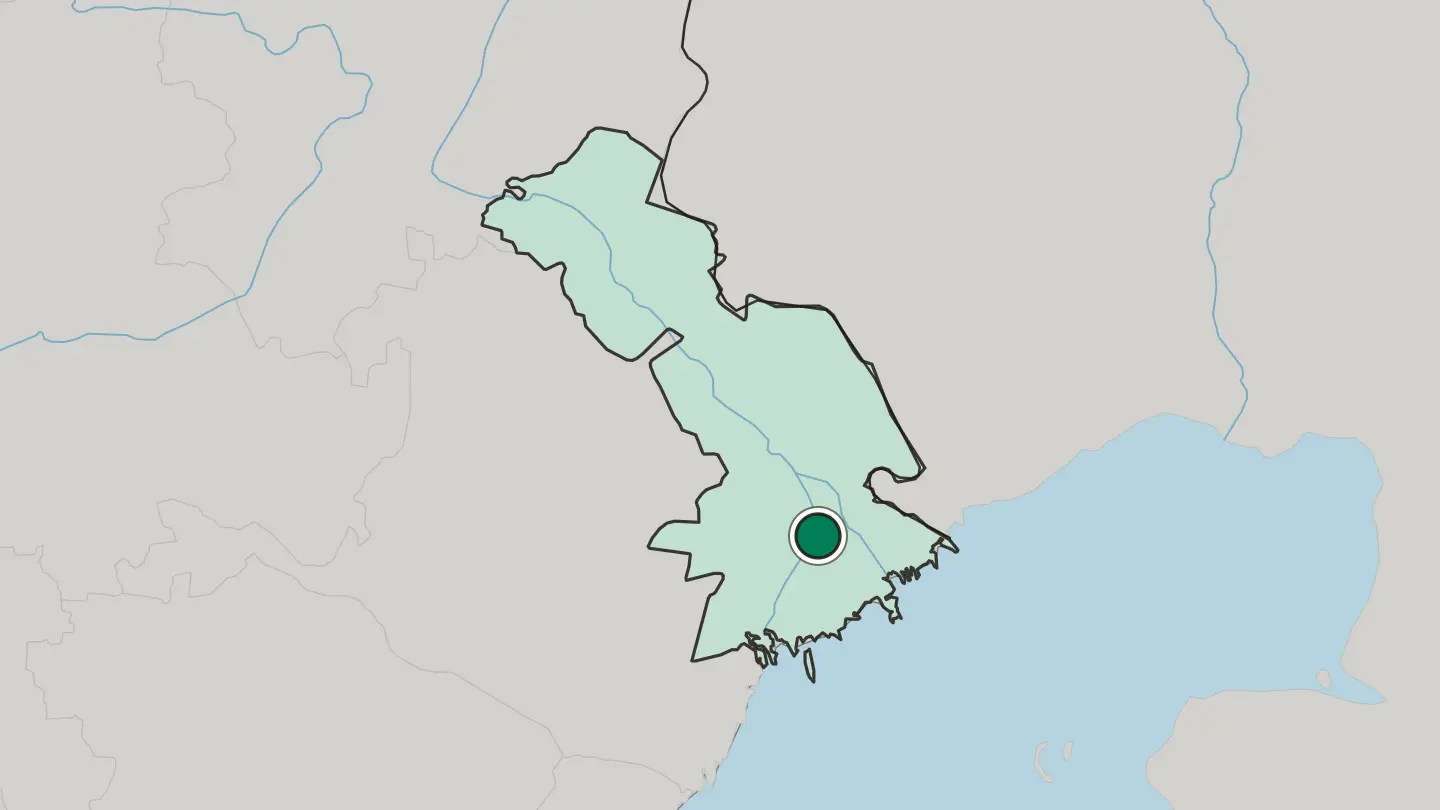
About Astrakhan Oblast
The delta is the draw.
What is Astrakhan Oblast known for?
Where the Volga splinters into hundreds of channels before the Caspian Sea, the delta of Europe's longest river spreads across reed beds and shallow water that fill with Caspian lotus from late July into September. The oblast is fish country too, its sturgeon and caviar tied to those waters for centuries. Astrakhan, the capital on the Volga, anchors it all with a white-walled kremlin raised under Ivan the Terrible.
East of the river, past the steppe, Lake Baskunchak lies as a sheet of salt.
Where is Astrakhan Oblast?
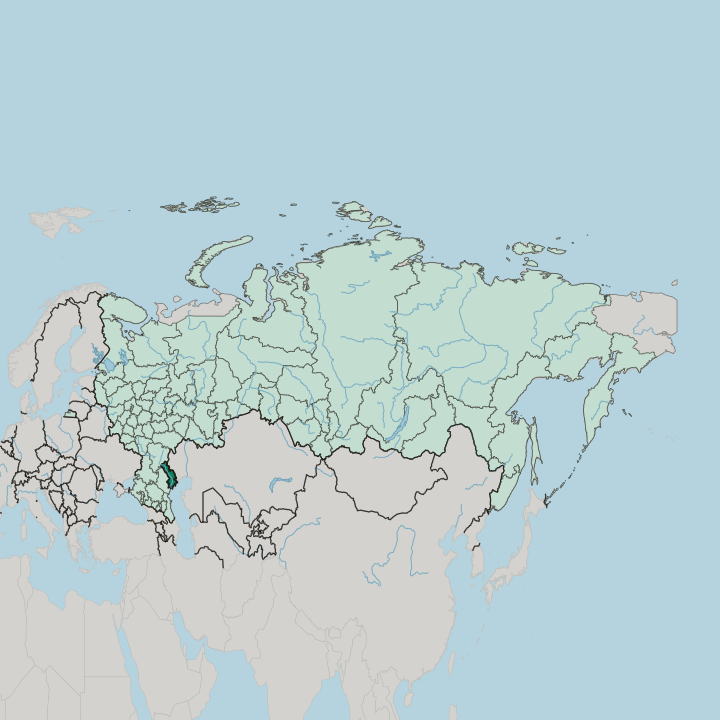
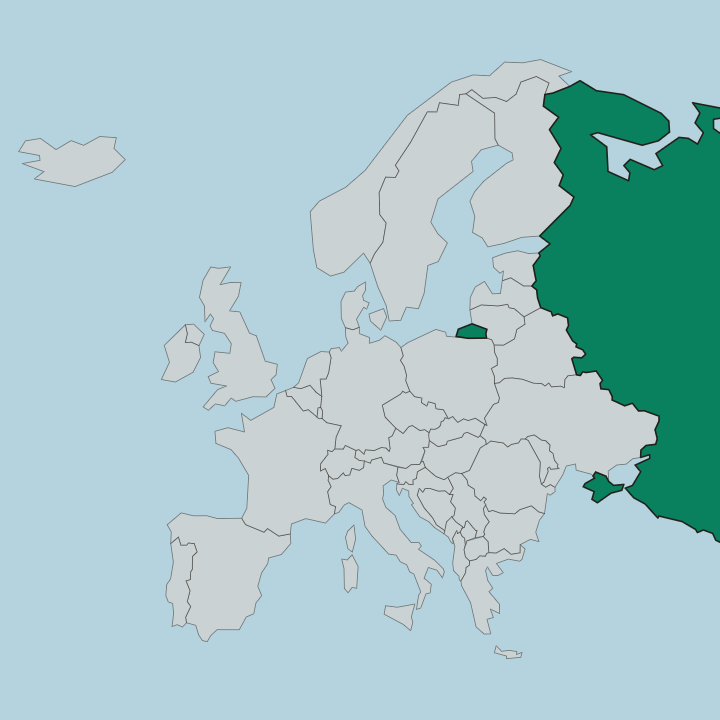
Astrakhan Oblast lies at the foot of the Volga in southern Russia, where the river reaches the northern shore of the Caspian Sea. The land sits low. Much of it falls within the Caspian Depression, a basin whose floor drops below sea level.
From the river the ground spreads outward as steppe and semi-desert, dry and open, running to the horizon on either bank. The Volga is the spine of it all. Above the oblast the Akhtuba splits away as a distributary and runs parallel to the main channel, and the strip of green between the two, the Volga-Akhtuba floodplain, threads south through the dry country.
Below Astrakhan the river breaks into the Volga Delta, hundreds of branches fanning across reed beds toward the Caspian Sea. Volgograd Oblast borders to the north and Kalmykia to the west, while Kazakhstan lies across the eastern steppe. Off to the north-east, near the Kazakh line, the salt of Lake Baskunchak whitens the ground beneath Mount Bolshoye Bogdo, at 161.9 metres the oblast's highest point.
What is Astrakhan Oblast like?
Astrakhan has been a meeting place of peoples since it grew as a trading port on the lower Volga. Russians and Kazakhs share the oblast, Kazakh villages spread over the eastern steppe toward Kazakhstan, and Tatars have lived here since the days of the khanate. That mix shows in the streets of the capital.
Orthodox churches and mosques stand within the same city, and the old quarter keeps the merchant houses of Persian, Armenian and Indian traders who once worked the Caspian routes. The river feeds the table. Fish sits at the centre of the local kitchen, from the sturgeon and caviar of the delta to dried and salted catch sold at Astrakhan's markets, and watermelons from the sun-baked floodplain are a point of regional pride.
Culture here leans on water and on trade rather than on grand monuments, though the kremlin and its cathedral crown the capital. Life bends toward the Volga and the Caspian.
What is the history of Astrakhan Oblast?
Before Russia, this was Tatar ground. The Astrakhan Khanate ruled the lower Volga as a rump state of the Golden Horde until Ivan the Terrible annexed it in 1556 and a new fortress rose on a hill above the river. From that kremlin Moscow held the whole waterway down to the Caspian Sea, and Astrakhan became the empire's gate to Persia and the trade of the east.
The oblast in its present borders is far younger, carved out in 1943 from land taken partly from the abolished Kalmyk republic. War and deportation drew those lines.
What is the climate of Astrakhan Oblast?
The climate is sharply continental and dry. Summers on the lower Volga run hot and long, with July often baking the steppe past the point of comfort, while winters turn cold and the delta channels can freeze. Rain is scarce here in the Caspian Depression, where the climate runs arid, so the land stays steppe and semi-desert away from the river.
The delta blooms only because the Volga carries the water that the sky withholds. Spring and early autumn are the kinder seasons.
How do you get to Astrakhan Oblast?
Flights land at Narimanovo airport at Astrakhan, a short hop from Moscow that spares the long haul overland. The alternative is the railway. Trains run down from Moscow to Astrakhan in something over a day, tracing the Volga through the southern steppe to the delta.
Once here, the capital is the hub for everything beyond it, with river excursions setting out from Astrakhan into the Volga Delta and road trips heading north-east to Lake Baskunchak. Roads thin quickly outside the towns.
Common questions
What is the best area to stay in Astrakhan Oblast?
Astrakhan: a first base below the delta.
Good for
More regions in Russia
Updated October 2026