Russia
Penza Oblast, Russia — Towns & Travel Guide
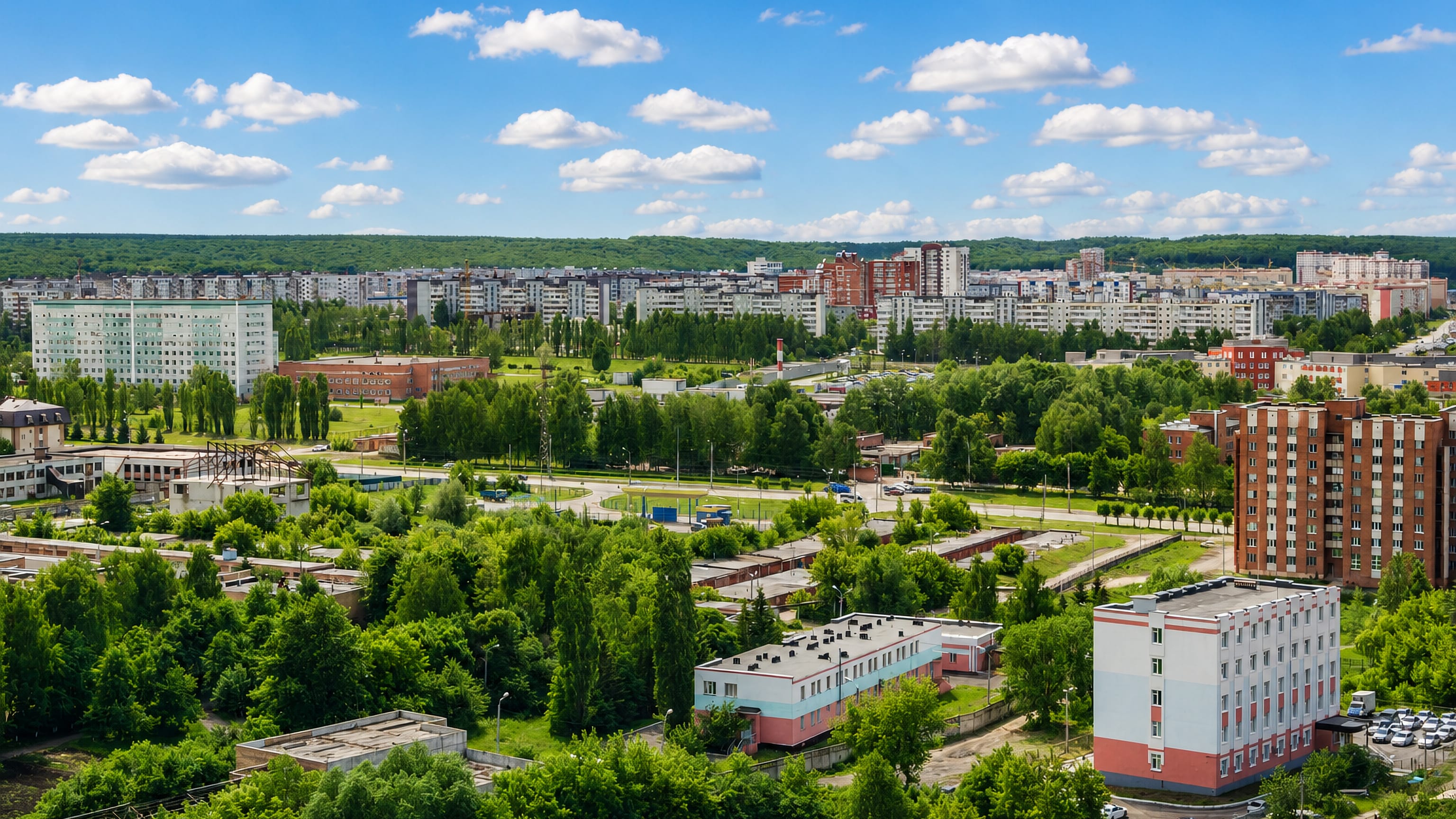
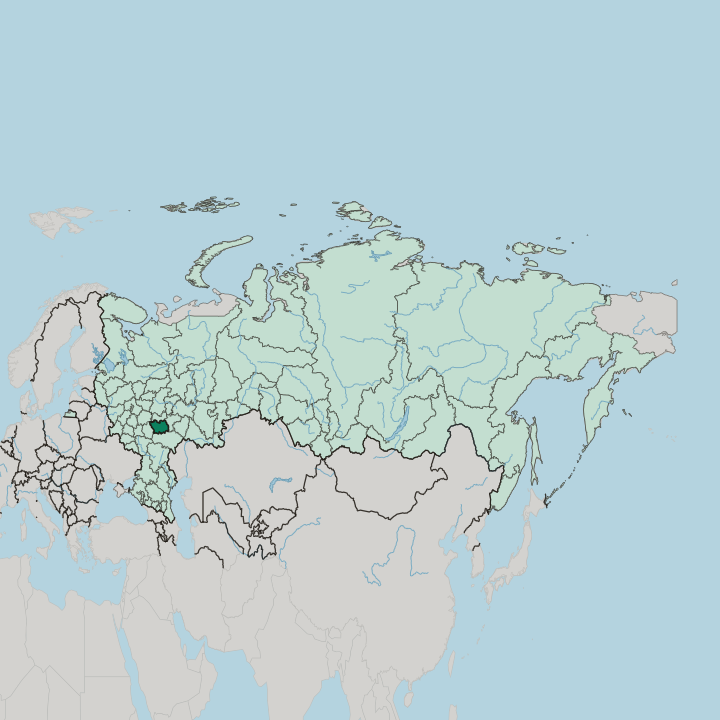
Penza Oblast is a forest-steppe region of western Russia, where the Sura River cuts through the Volga Upland southeast of Moscow.
Find your area →


Towns & cities in Penza Oblast
Pick a town or city — each links to where to stay.
 Russia
Penza
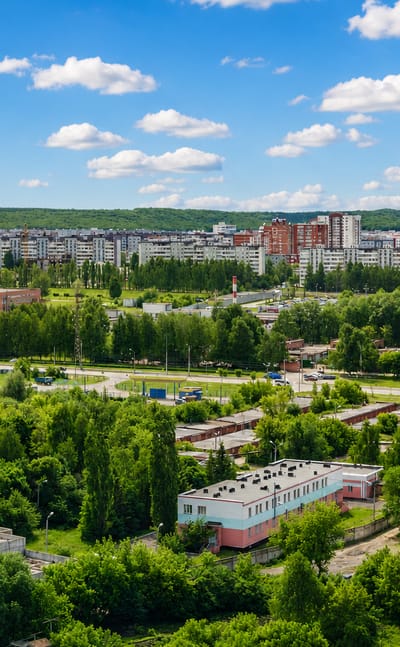
Old estates and galleries fill Penza, a fortress-founded city in Penza Oblast known for its Penza Savitsky Art Gallery and the Pervoposelenets monument.Where to stay →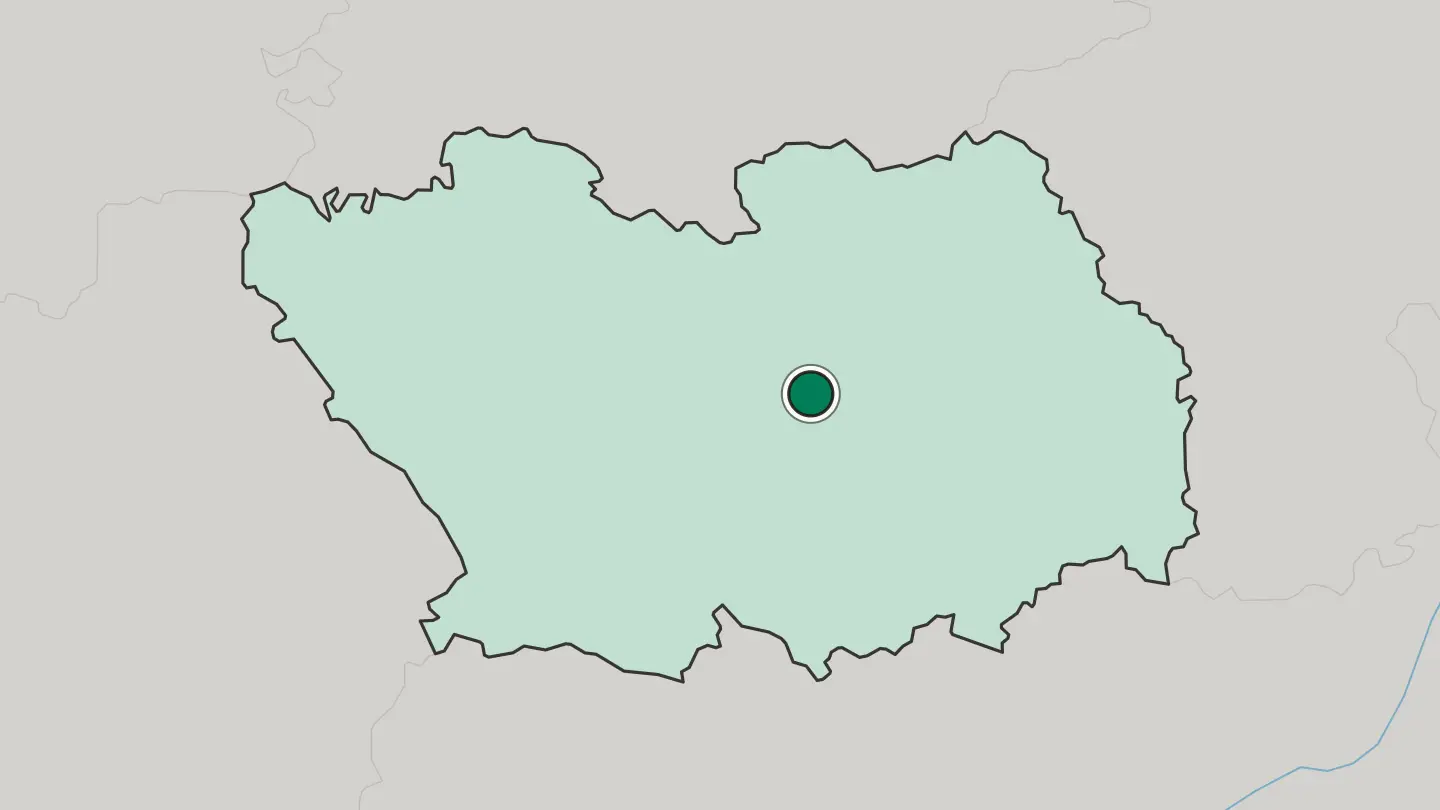 Russia
Kuznetsk
Kuznetsk dates from 1699. The Penza Oblast town sits in the foothills of the Volga Upland, mainly on the left bank of the Truyov.Where to stay →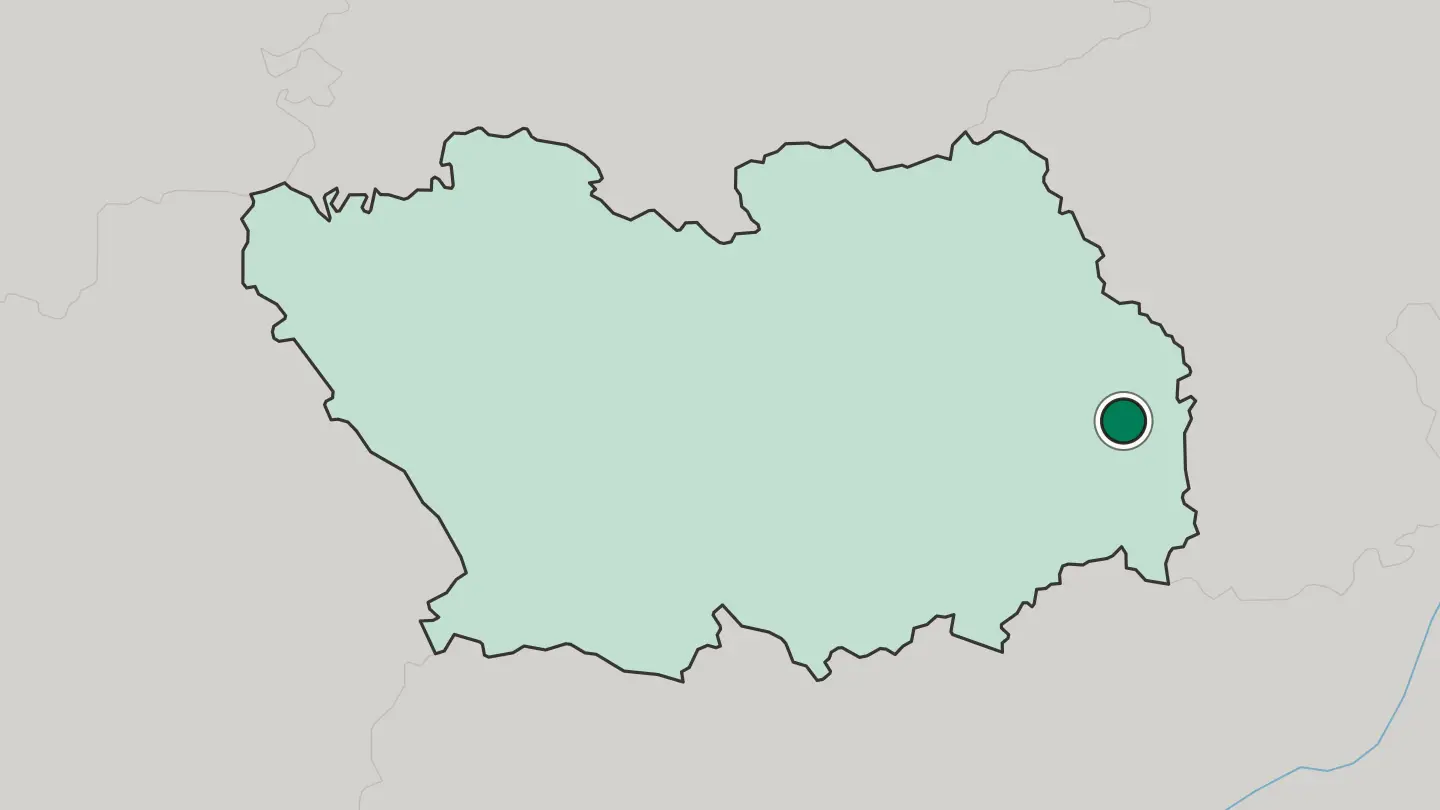 Russia
Zarechnyy
Zarechnyy is a closed town of Penza Oblast, founded in 1958 and entered as Penza-19 from 1962 to 1992, 12 kilometres east of Penza.Where to stay →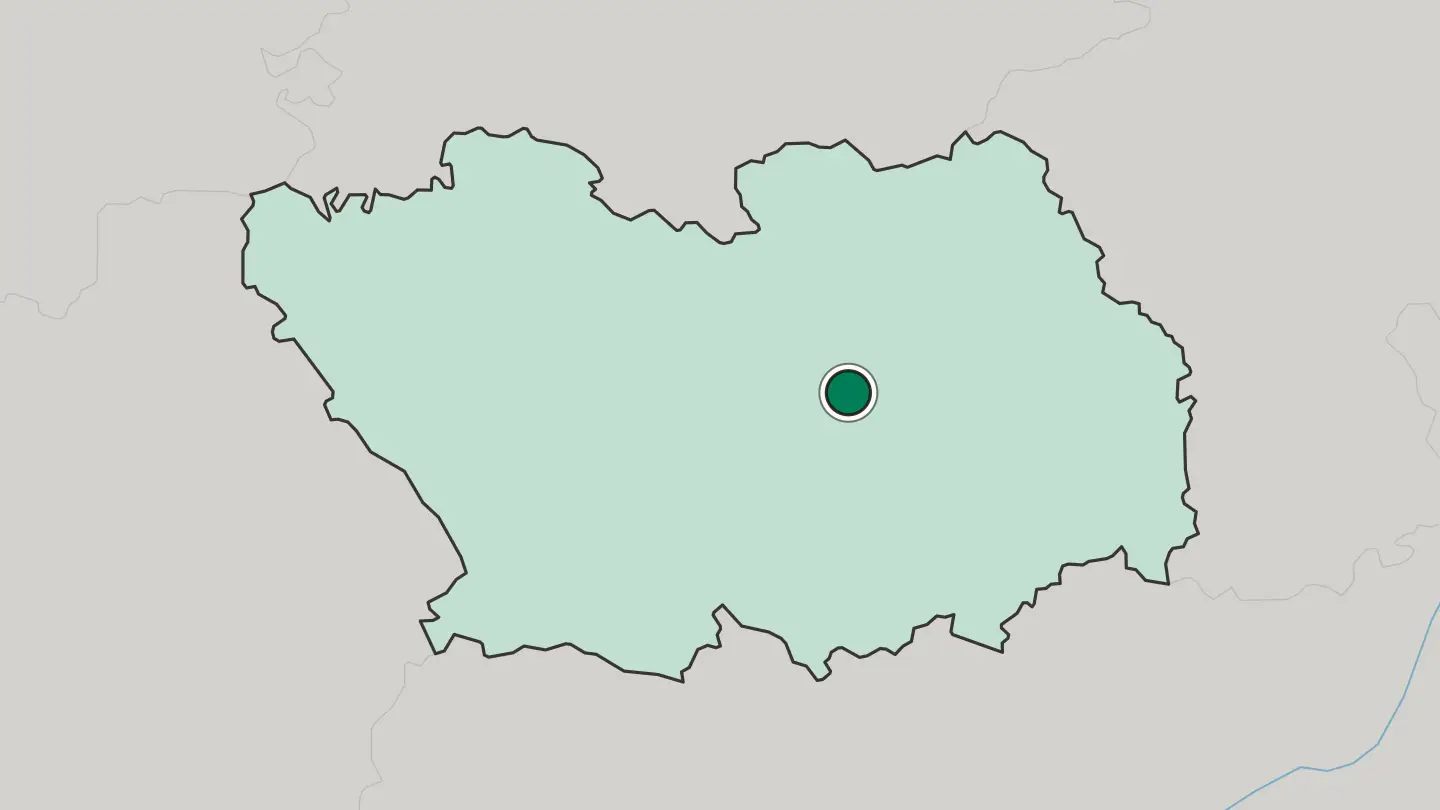
About Penza Oblast
Penza Oblast is literary country.
What is Penza Oblast known for?
The Romantic poet Mikhail Lermontov grew up on the Tarkhany estate here, and he lies buried in its family chapel, while the critic Vissarion Belinsky spent his boyhood in the town that now carries his name. Between those two shrines the land is grain fields and oak groves, the western edge of the Volga Upland tilting toward the Oka-Don plain. Penza itself, the region's hub on the Sura River, began in 1663 as a wooden fortress guarding the open steppe frontier.
Where is Penza Oblast?
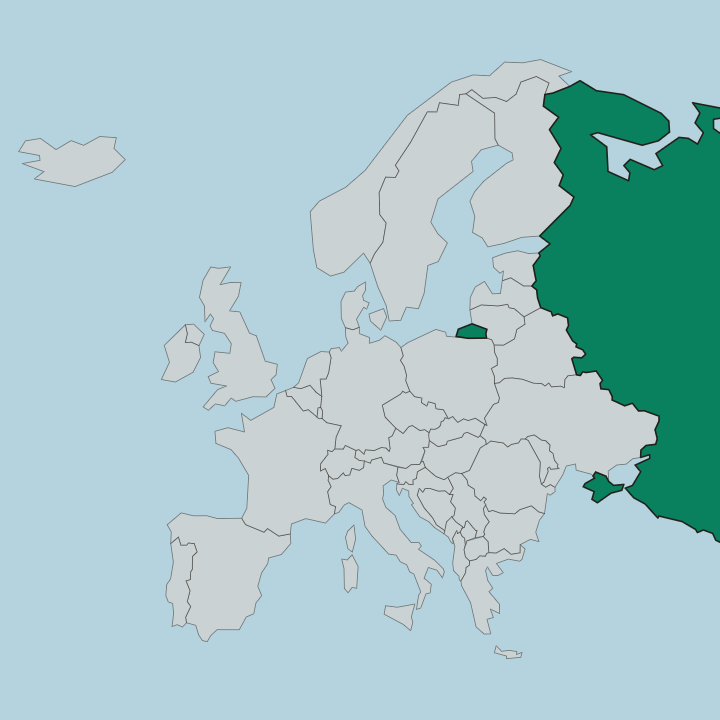
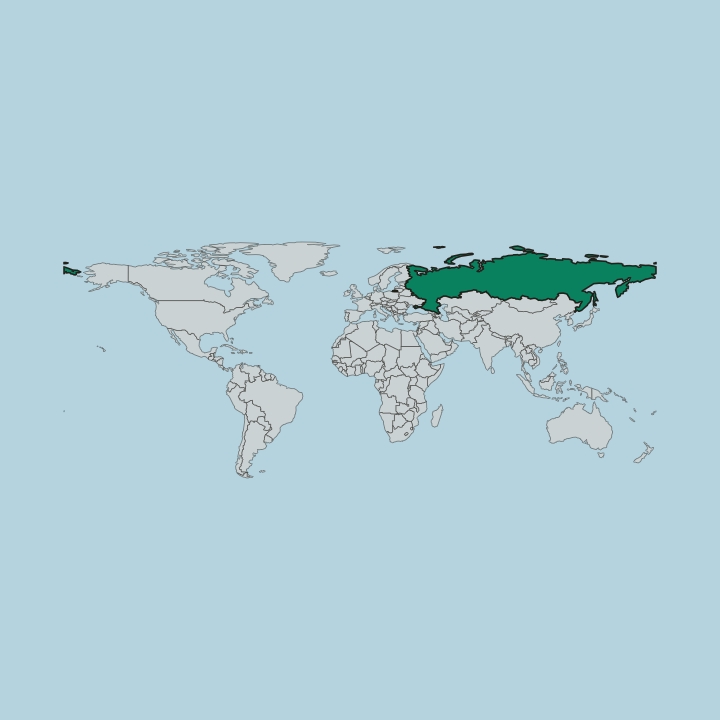
Penza Oblast sits in the Volga region of western Russia, roughly 625 kilometres southeast of Moscow. It lands in the forest-steppe. This is the belt where the last of the oak woods break up into open grassland, and the region straddles that seam almost perfectly.
Most of the oblast rests on the western flank of the Volga Upland, a low tableland of chalk and clay hills that falls away gently toward the Oka-Don plain in the far west. The land is gentle, not dramatic. Its highest ground barely tops 340 metres, near the southeastern corner.
Rivers order the map here. The Sura River rises in the eastern hills and runs north to join the Volga far downstream, and Penza itself grew up on its banks. The Khopyor drains the southwest instead, carrying its water the other way toward the Don.
Five neighbours ring the region. The Republic of Mordovia lies to the north, Ulyanovsk to the east, Saratov to the south, and Tambov and Ryazan close off the western side. No sea comes near.
This is deep inland Russia, a watershed country where one set of rivers reaches for the Volga and another slips off toward the Don.
What is Penza Oblast like?
Two writers define the region's sense of itself. Mikhail Lermontov, the poet who followed Pushkin as the voice of Russian Romanticism, was raised by his grandmother on the Tarkhany estate, and the flat grain country he watched as a boy runs through his early verse. He is buried there.
The estate is now a museum-reserve, its manor house, church, and ponds kept much as he knew them, and it remains the region's most visited place. The critic Vissarion Belinsky belongs here too, having grown up in the small town of Chembar, later renamed Belinsky in his honour. His name reaches beyond the countryside.
Penza carries it on its university and even on the airport that serves the region. Away from the literary shrines, the culture is provincial Russian and unhurried: Orthodox churches on the low hills, folk crafts in the villages, and the wooded valleys of the Sura River threading between them. Russian is the language spoken across the whole oblast.
Life moves at the pace of the grain harvest.
What is the history of Penza Oblast?
Penza began in 1663 as a stockaded fortress thrown up to hold the Wild Field, the open steppe frontier that Muscovy was slowly fencing in against raiders from the south. The fortress town grew into a provincial capital, seat of a governorate under the tsars. The modern oblast is far younger.
It was carved out in 1939 from land that had belonged to Tambov, and Penza became the administrative centre of the new region. Old frontier post, then quiet farming province.
What is the climate of Penza Oblast?
Penza Oblast has a continental climate, sharpened by its distance from any moderating sea. Winters bite. January settles well below freezing and the Sura River locks under ice, with heavy snow lying across the forest-steppe for months.
Summers swing the other way, warm and often dry, when July climbs into the low twenties and the grain ripens on the Volga Upland. Between those extremes, the spring and autumn of Penza Oblast are brief.
How do you get to Penza Oblast?
Most travellers reach the region through Penza, its hub on the Sura River. The city's airport, named for the critic Vissarion Belinsky, links it by short flights to Moscow, roughly 625 kilometres to the northwest. The stronger connection is the railway.
Penza sits on a busy main line east of Moscow, and overnight trains run in from the capital, while road and rail spread on from the city to Kuznetsk and the outlying towns.
Common questions
What is the best area to stay in Penza Oblast?
Penza: an easy first base in Penza Oblast. Kuznetsk: the quieter eastern hills.
Good for
More regions in Russia
Updated September 2026