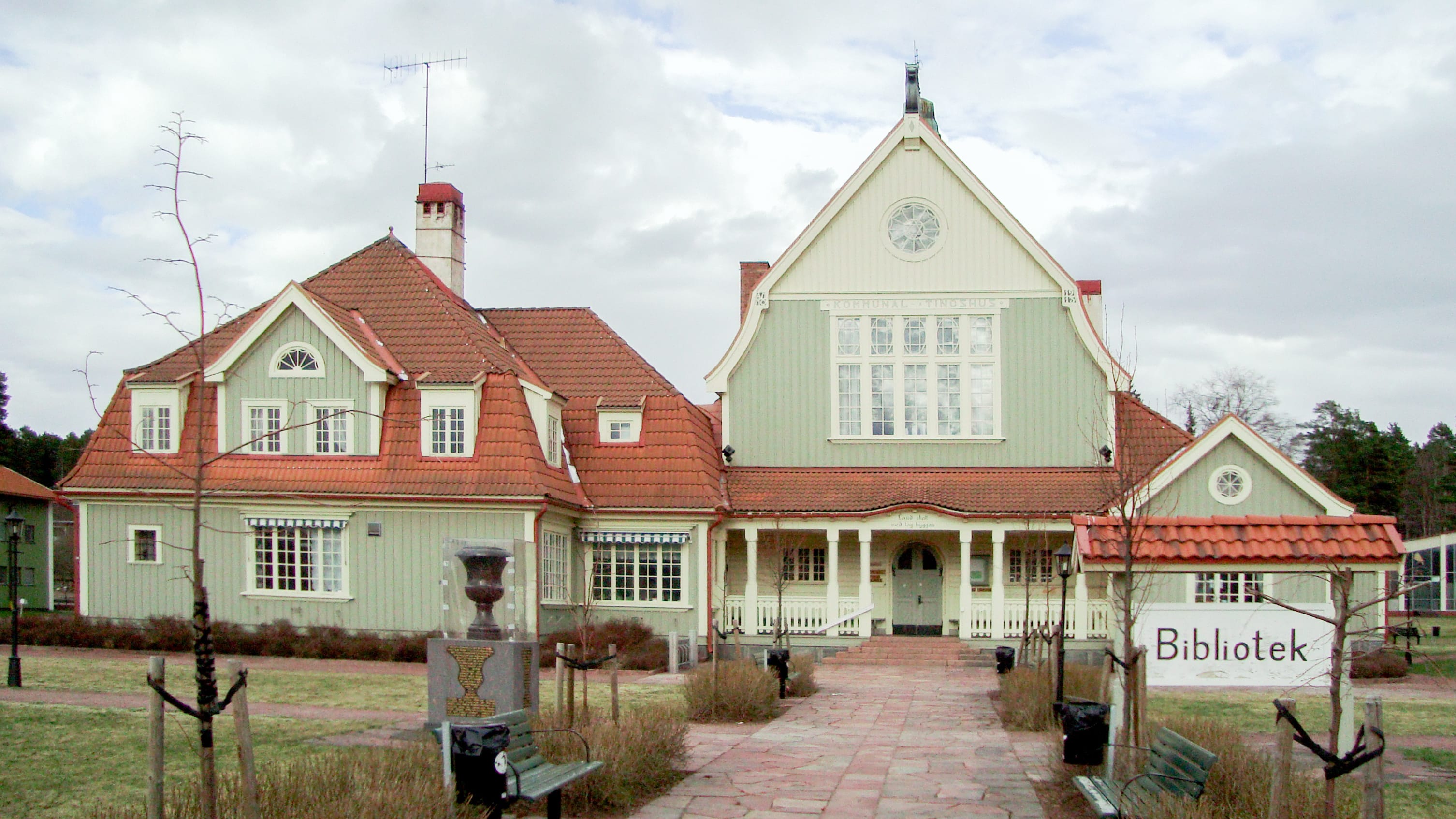
Sweden · Dalarna County
Where to Stay in Älvdalen, Dalarna County
Älvdalen is a forest town in the north-western part of Dalarna County, set on the Österdalälven near where northern Sweden rises toward the mountains.
Hotel links are affiliate links: booking through them may earn us a commission, at no extra cost to you. It never affects how places are ranked. How this works


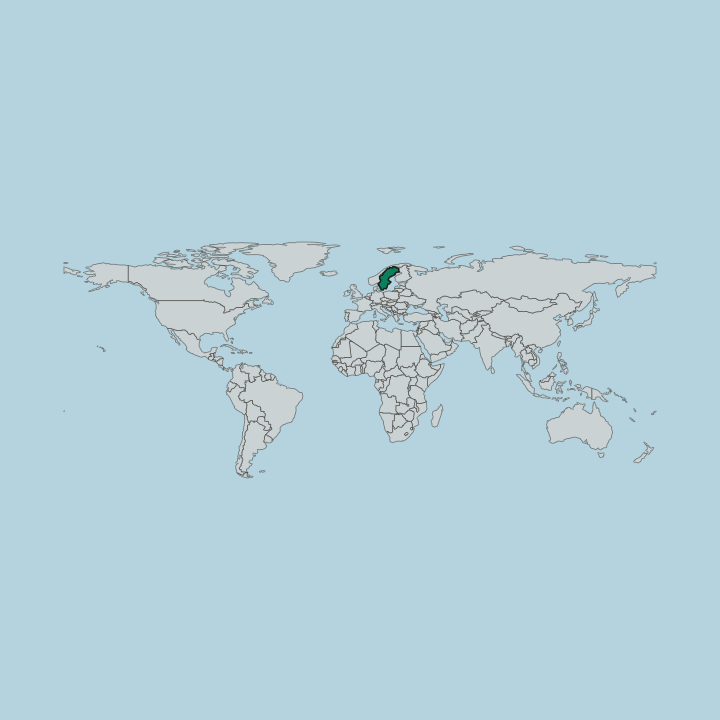
Where to stay in Älvdalen
How the choice of base plays out on the ground.
Most visitors stay in the village centre, the small core of streets near the church and the river that gathers the shops, services, and a handful of places to sleep. It suits travellers passing through on the way north. Rooms here run from a plain local hotel to guesthouses, with self-catering apartments filling the gaps in a town that sees few large hotels.
The river and forest fringe is the other clear choice for anyone who wants quiet at the door. Lodging along the Österdalälven and out toward the surrounding villages leans heavily to cabins, campsites, and rented stugor, a calm base for families, anglers, and skiers heading up to the mountain country. Beds thin out fast in peak weeks.
For travellers bound farther north toward Idre and Grövelsjön, the practical spots sit along the main road, handy for drivers breaking a long mountain journey. Pick the centre for services. Choose a cabin for silence.
Find hotels in Älvdalen
Direct booking searches for these neighbourhoods.
Village centre
Älvdalens kyrka, shops and the porphyry museum within a short walk. Rooms are few around here — worth securing early.Find hotels in Village centrefamilies and riverside anglersRiver and forest fringe
cabins and campsites along the Österdalälven. Beds are limited here, so book early.Find hotels in River and forest fringedrivers to the mountainsNorthbound road
practical rooms on the route toward Idre and GrövelsjönFind hotels in Northbound roadHotel links are affiliate links: booking through them may earn us a commission, at no extra cost to you. It never affects how places are ranked. How this works
About Älvdalen
Älvdalen is known for stone and speech.
What is Älvdalen known for?
The town gave its name to älvdalsporfyr, the hard red porphyry quarried from the surrounding hills and worked into vases, bowls, and monuments prized far beyond Dalarna, and the craft is preserved at the Porfyr- och Hagströmmuseet. Its old dialect is just as distinct. Älvdalska survives here as a tongue so far from standard Swedish that many treat it as a language of its own, a living mark of how isolated this corner of the north once was.
What are the main landmarks in Älvdalen?
The Porfyr- och Hagströmmuseet is the town's signature stop, telling the story of the red porphyry stone that made Älvdalen's name. Älvdalens kyrka stands nearby. The old parish church watches over the village and the river it grew beside, while the porphyry workshops and quarries scattered through the surrounding hills mark where the prized stone was cut and polished for centuries. The Österdalälven runs through it all.
Together these places fix the town's twin identity of faith, river, and rare red rock.
What is the history of Älvdalen?
Älvdalen has always been remote. Deep in north-western Dalarna where forest, river, and mountain meet the borders of Härjedalen and Norway, the valley sat far from the centres of the kingdom, and that isolation bred a self-reliant farming culture with its own crafts and its own strange dialect that drifted away from the Swedish spoken elsewhere. Life here turned on the forest and the river.
The red stone changed the town's standing. When the quarries of älvdalsporfyr were opened, Älvdalen gained a name across Europe, and its workshops supplied hard polished porphyry to royal courts and grand interiors far beyond Sweden. Other trades followed the timber floated down the Österdalälven.
The valley also raised generations skilled with firearms and clockwork, a tradition tied to the workshops and the later military presence on the great training ground nearby, and these threads of stone, wood, and craft still run through how the place sees itself.
Where is Älvdalen?
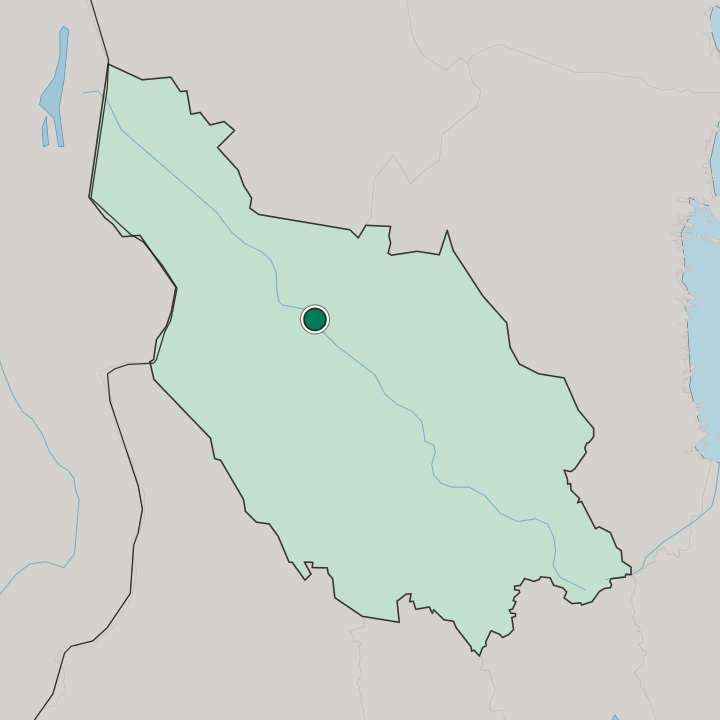
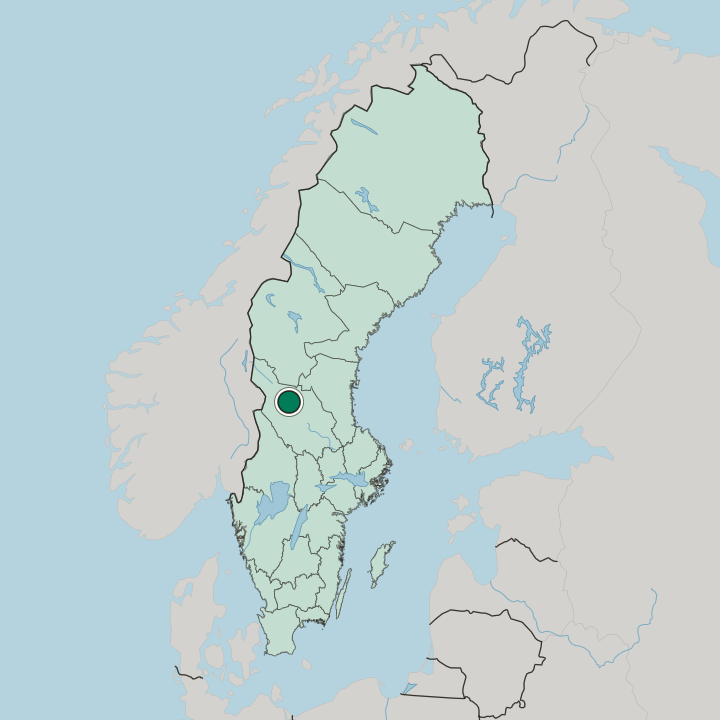
Älvdalen lies in the north-western part of Dalarna County, on the Österdalälven at the edge of the mountain country. The land climbs north. Forests of pine and spruce blanket the valley, broken by lakes and bogs, and the terrain rises steadily toward the high fells along the borders of Härjedalen and Norway.
The town itself sits low by the river, where the valley floor offers the only flat ground for farms and houses. Wilderness begins at the doorstep.
What is the climate of Älvdalen?
Älvdalen has a harsh subarctic climate. Lying far inland near the mountains of north-western Dalarna, the town endures long, severe winters with deep snow, hard frost, and brief daylight, while summers stay short, cool, and bright under the high northern sun. Snow cover lasts for months.
The nights turn bitter. Autumn arrives early and brief, flaring across the birch slopes before winter clamps down hard and the river ice begins to set along the Österdalälven.
How do you get to Älvdalen?
Älvdalen takes some reaching. No passenger trains call here now, so most travellers arrive by car along Route 70, the main road that climbs the Österdalälven valley from Mora toward the mountain resorts of Idre and the north. Buses link the town to Mora and the regional rail there.
The drive is long but scenic. Visitors flying in usually land at Mora or far to the south, then continue overland through the forests to reach this corner of upper Dalarna.
Common questions
What is the best area to stay in Älvdalen?
Village centre: first-timers. River and forest fringe: families and riverside anglers. Northbound road: drivers to the mountains.
Good for
More cities in Dalarna County
Updated September 2026