Sweden · Norrbotten County
Where to Stay in Boden, Norrbotten County
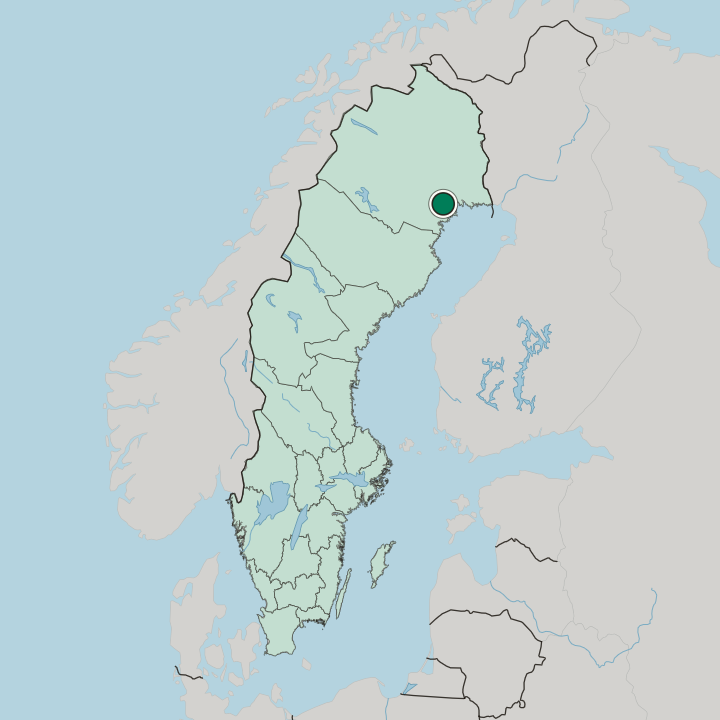
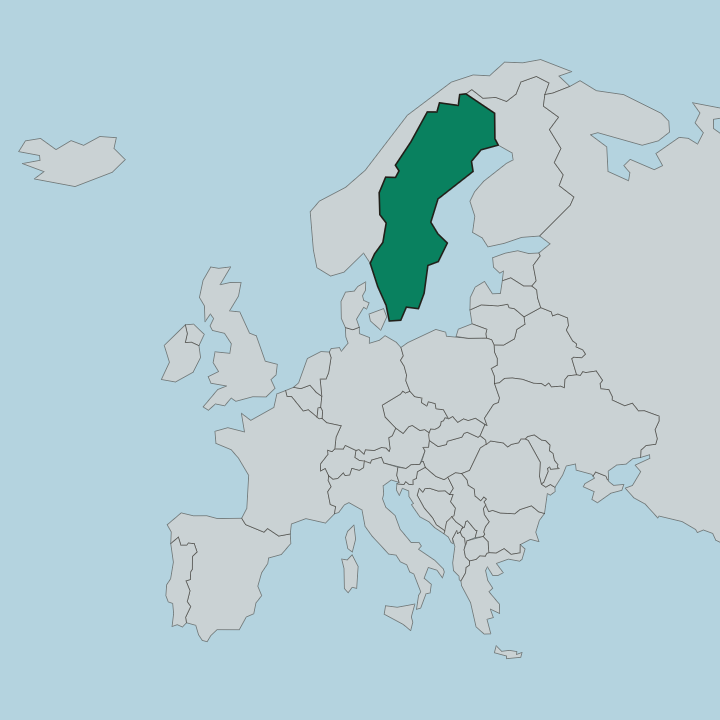
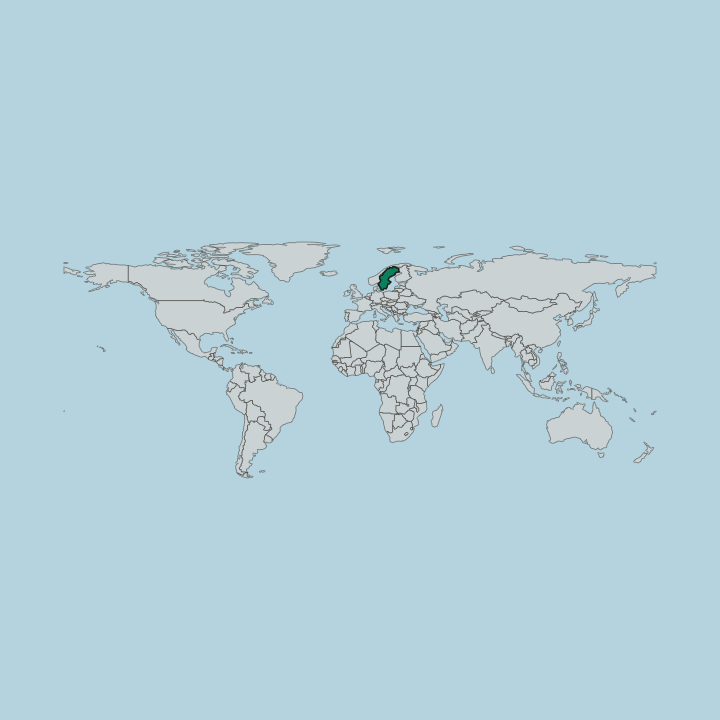
Boden is a municipality in Norrbotten County, north-eastern Sweden, an old garrison town on the Lule River, ringed by granite forts.
Hotel links are affiliate links: booking through them may earn us a commission, at no extra cost to you. It never affects how places are ranked. How this works


Where to stay in Boden
The practical side of choosing where to sleep.
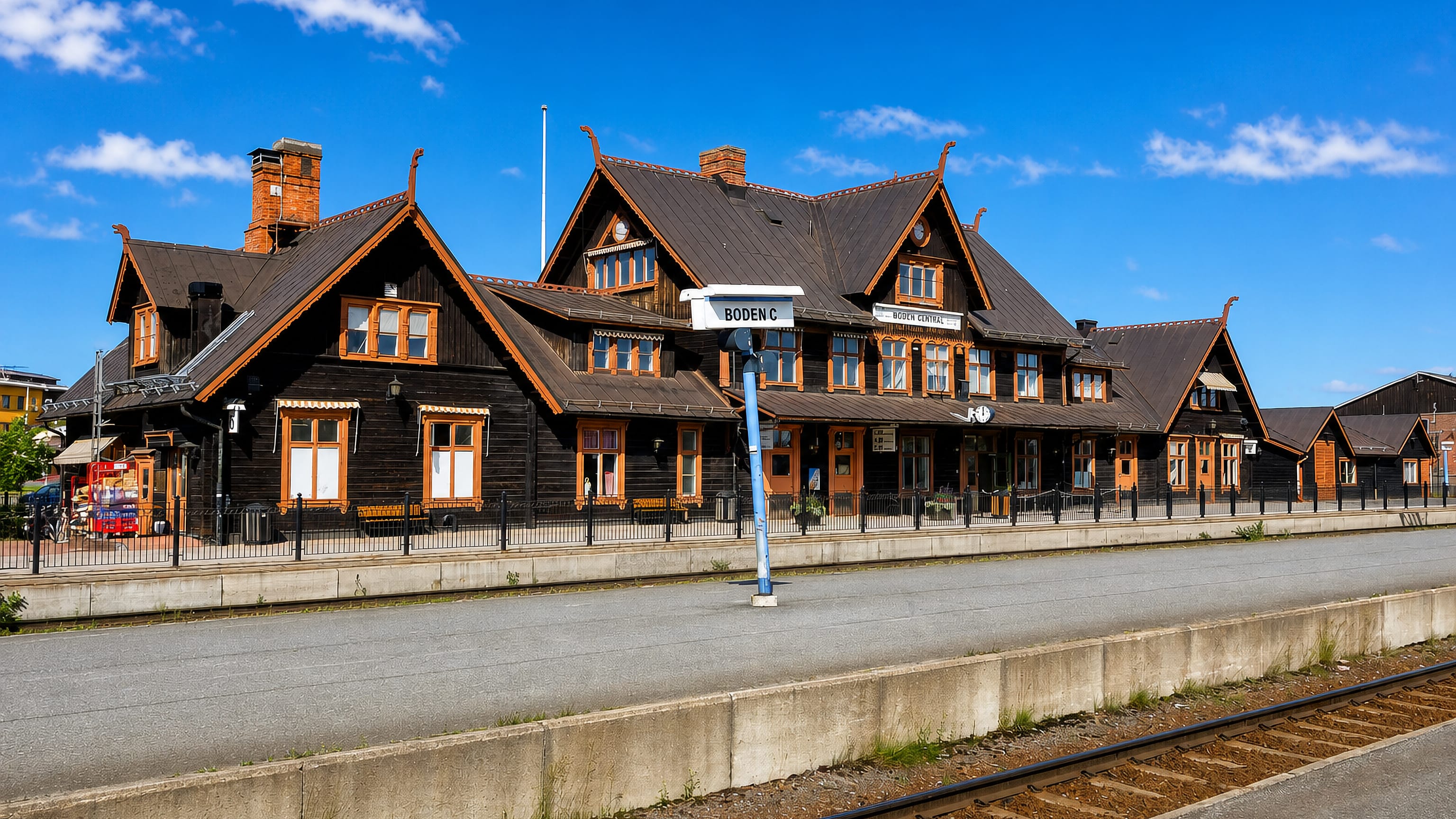
Most visitors sleep in central Boden, the compact grid between the railway station, the river and Överluleå kyrka. It puts hotels within a few minutes of the platforms, and it suits anyone using the town as a base for the fortress or as a stop on the long run north. Distances stay short here.
North and west, Björknäs spreads along the water with sports halls, a campsite and a network of trails. It works well for families and for travellers who want to ski, skate or run straight from the door, with Björknäshallen close by for indoor ice and athletics. Beds here lean toward cabins and self-catering.
The forts themselves sit in a ring on the heights around town. Rödbergsfortet, the best preserved of them, opens its tunnels and gun positions to visitors, though sleeping options on the hills are thin. For the forts, base yourself below in the centre.
Luleå, on the coast a short train ride to the south-east, holds far more rooms if Boden fills, and many travellers split the difference between the two.
Find hotels in Boden
Direct booking searches for these neighbourhoods.
Central Boden
walkable grid by the station, river and Överluleå kyrkaFind hotels in Central Bodenfamilies and active travellersBjörknäs
lakeside trails, campsite and the Björknäshallen sports hallFind hotels in Björknäsmilitary-history visitors with few beds nearbyRödbergsfortet
preserved fort open to visitors on the heights; sleep in central Boden. Rooms are few around here — worth securing early.Find hotels in RödbergsfortetHotel links are affiliate links: booking through them may earn us a commission, at no extra cost to you. It never affects how places are ranked. How this works
Things to do in Boden
Ranked by global recognition; descriptions from Wikidata (CC0).
Museums & Galleries
3- Försvarsmuseum Boden working life museum
- Rödbergsfortet
- Pansarmuseet
Churches & Religious Sites
3- Överluleå Church Heritage
- Matteuskyrkan Heritage
- Rörvikskyrkan
Castles & Historic Sites
1- Boden Fortress Heritage fortress
Stadiums & Sports
3- Björknäshallen indoor ice hockey ink
- Boden Arena
- Nordpoolen
worth knowingacross 4 categories in Boden
About Boden
Defence made Boden.
What is Boden known for?
Early in the twentieth century the army cut five forts into the hills around the town and laid a fortress, Bodens fästning, meant to bar any advance up the railway from the coast, and for generations the place lived by the rhythm of conscripts, garrisons and gun drill. It also grew as a railway knot, joining the main line up through northern Sweden to the branch toward Luleå and the ore lines beyond. The Lule River runs through the middle of it all.
What are the main landmarks in Boden?
The fortress defines the skyline. Bodens fästning is not one building but a system, five artillery forts dug into the granite heights, with Rödbergsfortet the most visited, its corridors and turrets kept much as the conscripts left them. Down in the town, Överluleå kyrka gathers the old parish around a churchyard by the water, and the brick lines of Matteuskyrkan mark a later congregation.
Björknäshallen draws crowds for hockey and indoor sport through the long winter. Together they tell the town's two stories, soldiering and the everyday life that grew up beside it.
What is the history of Boden?
Boden began as farmland in the Överluleå parish, a scatter of homesteads on the river long before there was a town. The railway made it. When the lines from the south met here at the end of the nineteenth century, and the branch ran on to Luleå and the ore country, the junction pulled people and trade to a single point in the forest.
Then came the forts. With the union to Finland long gone and a wary eye on the east, the Swedish state chose Boden as the place to hold the north, and through the first years of the twentieth century it blasted five forts from the surrounding hills and ringed them with batteries, trenches and barracks. The town swelled around the garrison.
Soldiers, officers and their families filled new streets, and for the better part of a century the fortress kept its secrets behind closed gates. The guns have fallen silent. The forts have been stood down and partly opened to the public, and Boden has leaned back toward the railway, the river and ordinary civilian life.
Yet the grid of the garrison town still shows in the wide streets and the old drill grounds, and the heights around the centre still carry their concrete.
Where is Boden?
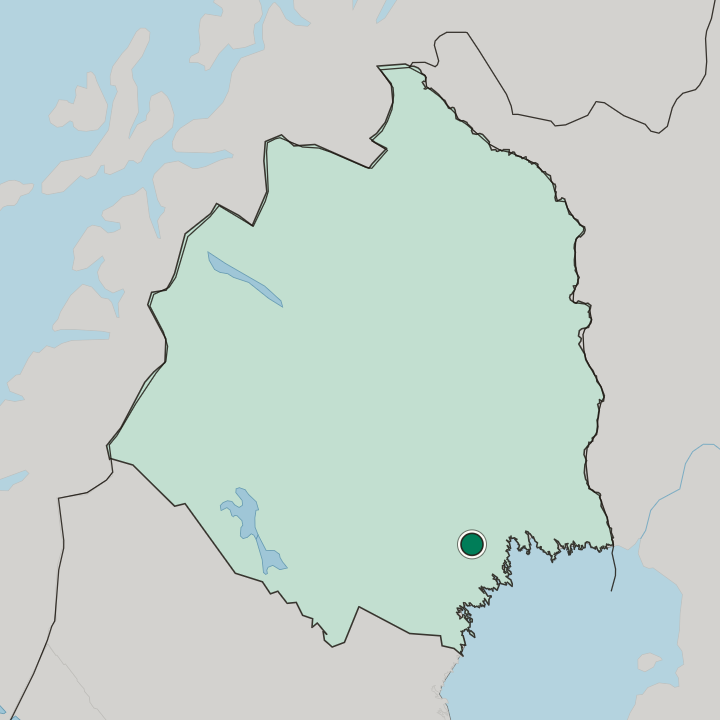
Boden lies inland in north-eastern Sweden, on the Lule River as it winds through the forests of south-eastern Norrbotten County. Granite heights ring the town. Those low hills carry Bodens fästning, five forts blasted from the rock above the water, while the grid of streets keeps to the flatter ground along the river below.
The coast and Luleå sit a short way to the south-east, yet here the land is river, rock and pine rather than open sea, and long stretches of woodland and lake reach away to the north and west.
What is the climate of Boden?
Boden has a subarctic climate, with a long winter that arrives early and keeps a deep, dry snow cover on the ground for months. The cold runs hard and steady rather than wet, and the river ices over while the surrounding forest stands silent under frost. Summer is brief but generous.
It brings warm, bright days and nights that never fully darken, since the town lies close enough to the Arctic Circle for a long northern twilight to bridge midsummer. Between the seasons, the change comes fast.
How do you get to Boden?
Boden is one of the busiest railway junctions in northern Sweden, joining the main line up from the south to the lines toward Luleå and the ore fields, so most long-distance trains through the region call here, including the night trains from Stockholm. Roads radiate out as well. Route 97 links the town to Luleå and the coast, and the E4 runs past the coast a little to the south-east.
The nearest airport, at Luleå, lies within easy reach by road or rail. The station sits in the heart of town.
Common questions
What is the best area to stay in Boden?
Central Boden: rail arrivals and fortress day-trips. Björknäs: families and active travellers. Rödbergsfortet: military-history visitors with few beds nearby.
Good for
More cities in Norrbotten County
Updated October 2026