Sweden
Norrbotten County, Sweden — Towns & Travel Guide
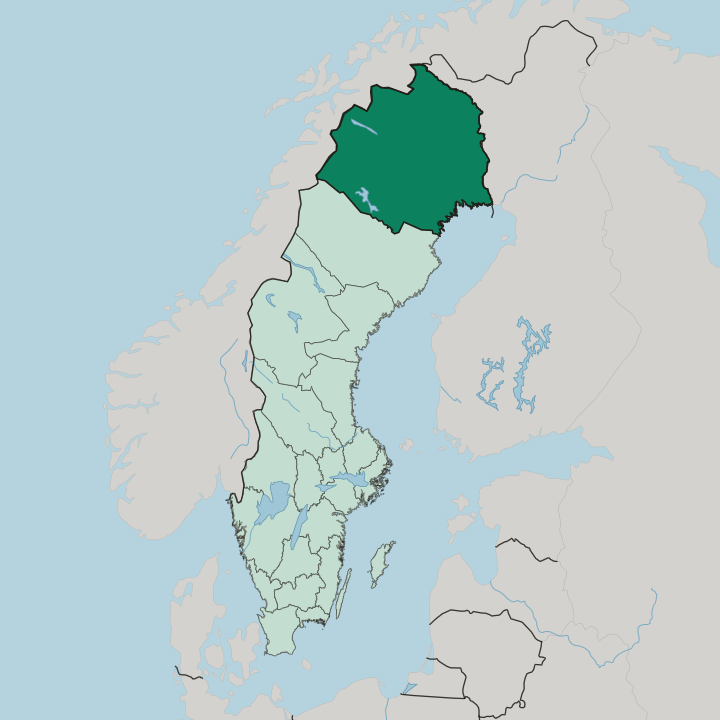
Norrbotten County is Sweden's northernmost and largest county, reaching from the Gulf of Bothnia to the Norwegian mountains, with Luleå as its capital.
Hotel links are affiliate links: booking through them may earn us a commission, at no extra cost to you. It never affects how places are ranked. How this works


Towns & cities in Norrbotten County
Pick a town or city — each links to where to stay.
 Sweden
Luleå
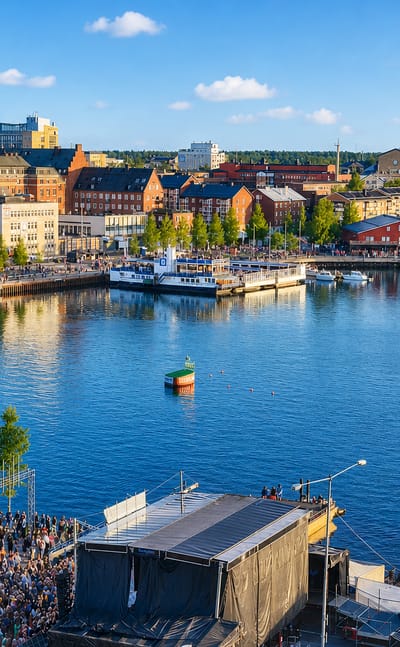
Luleå is the county seat of Norrbotten County and a Baltic-coast city in north-eastern Sweden, set among a wide brackish archipelago of islands.Where to stay →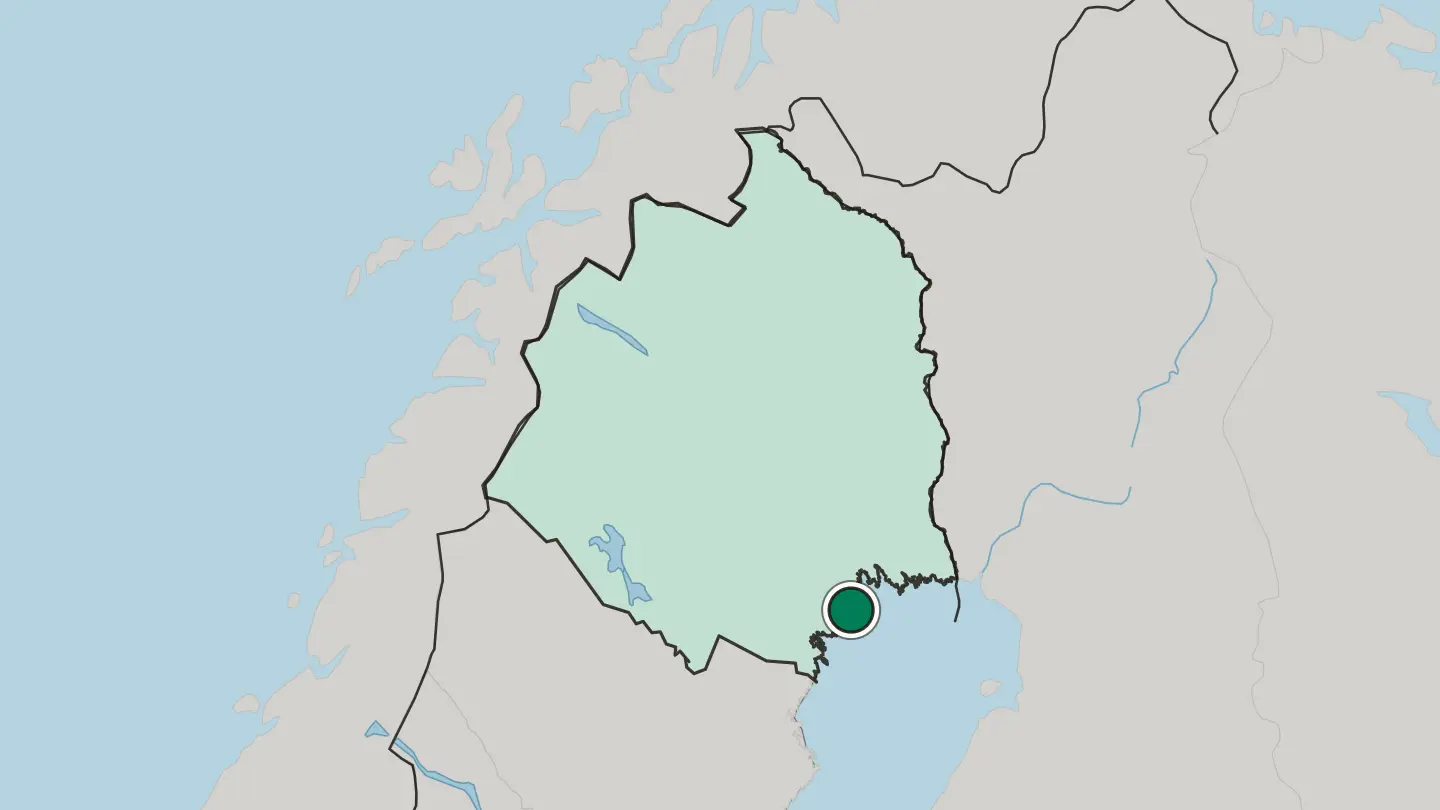
 Sweden
Piteå
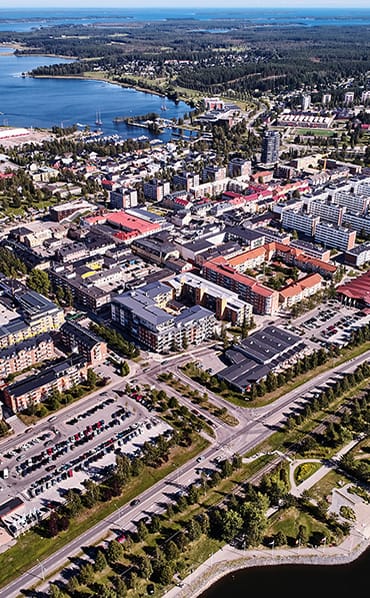
Piteå is a municipality in Norrbotten County, a Baltic-coast town at the mouth of the Pite River that locals simply call Pite.Where to stay →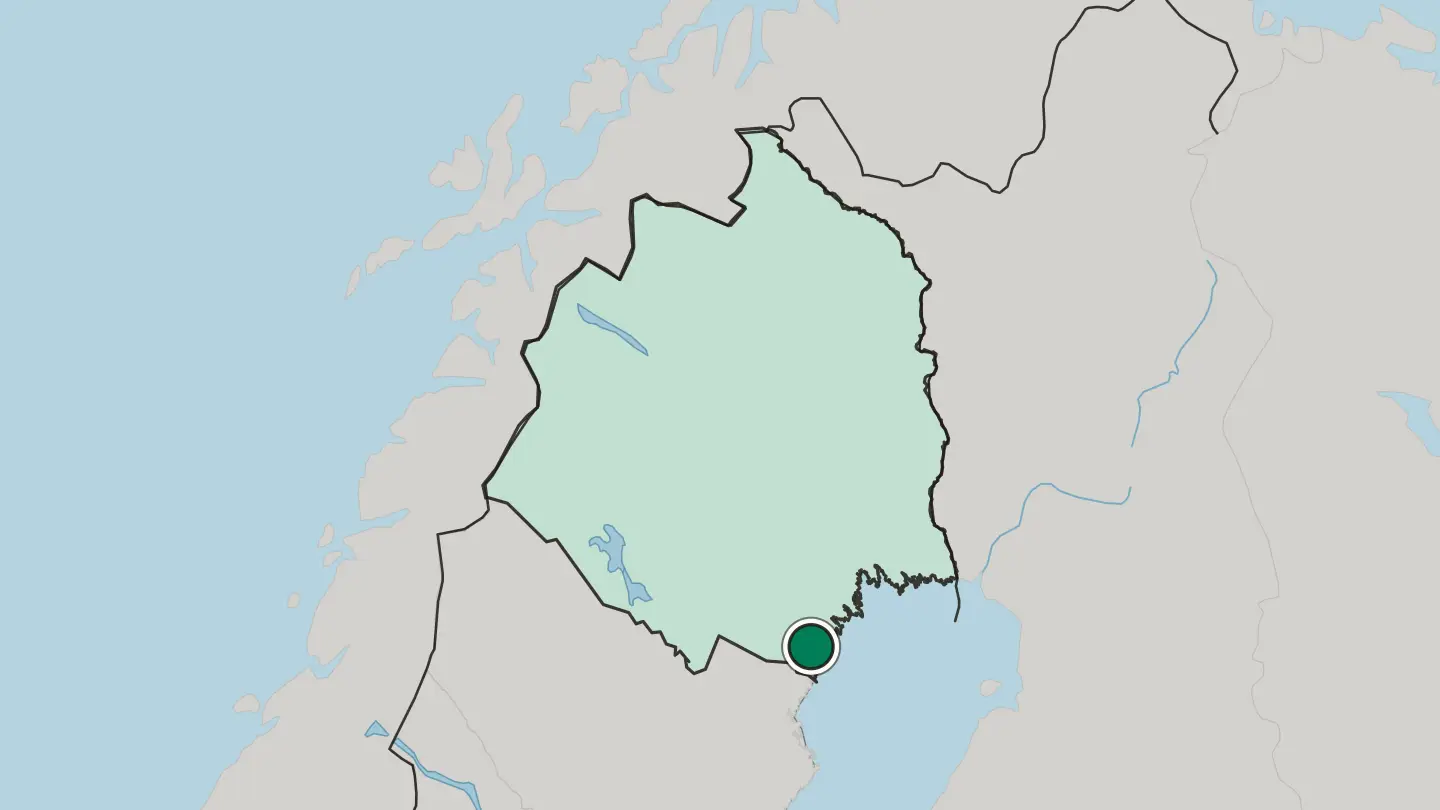
 Sweden
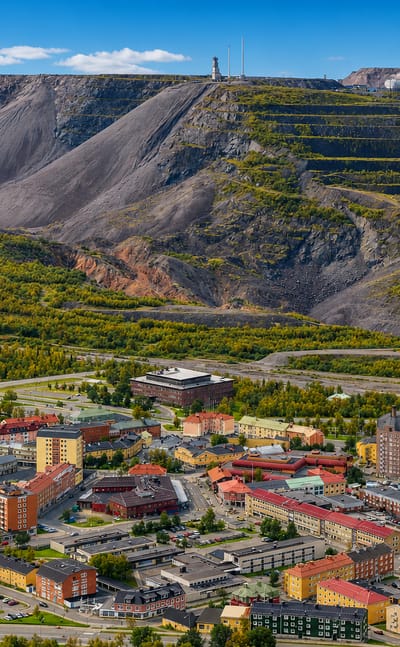
Kiruna
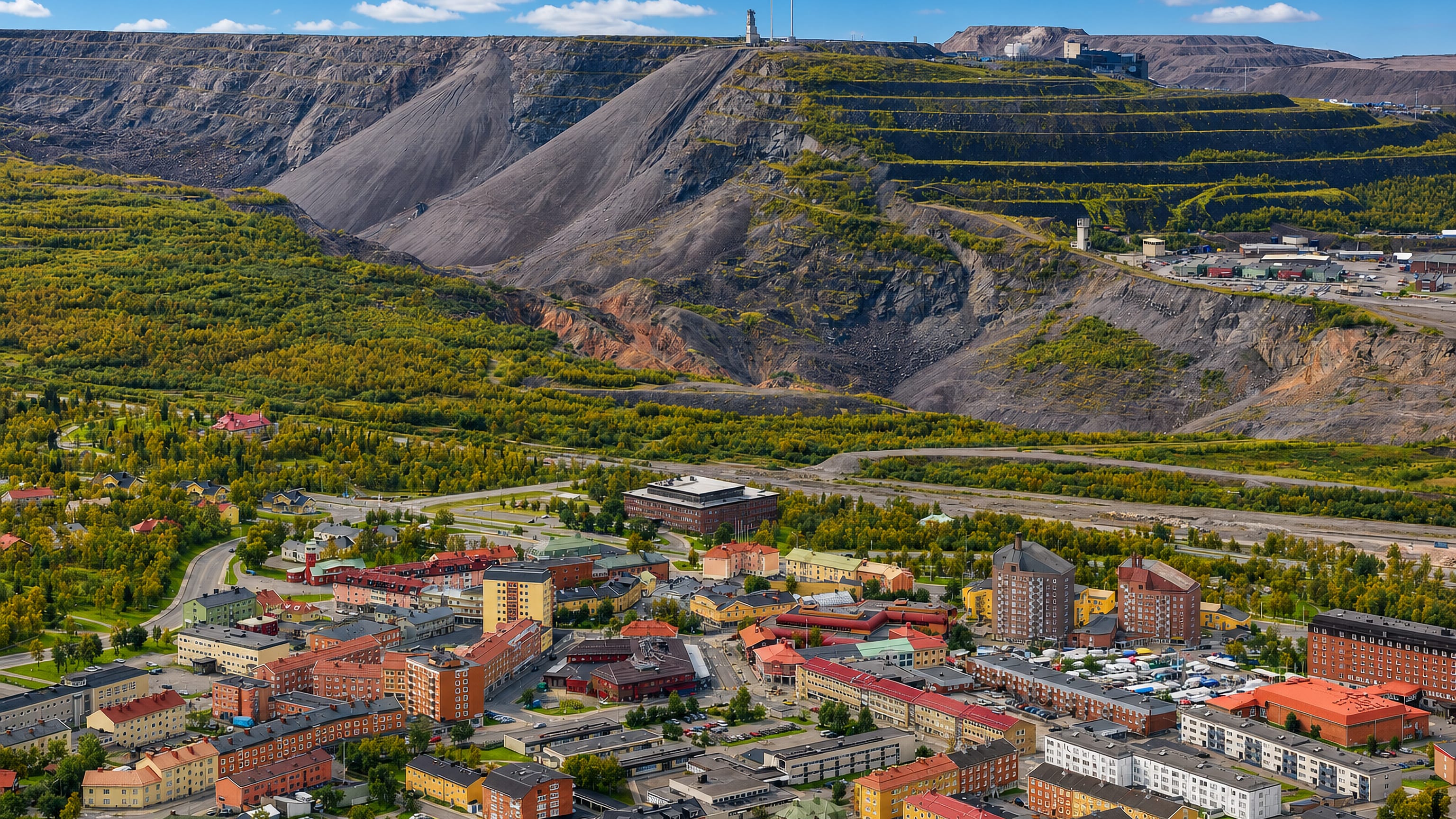
Kiruna is a municipality in Norrbotten County and Sweden's northernmost city, an iron-mining town high above the Arctic Circle in Lapland.Where to stay →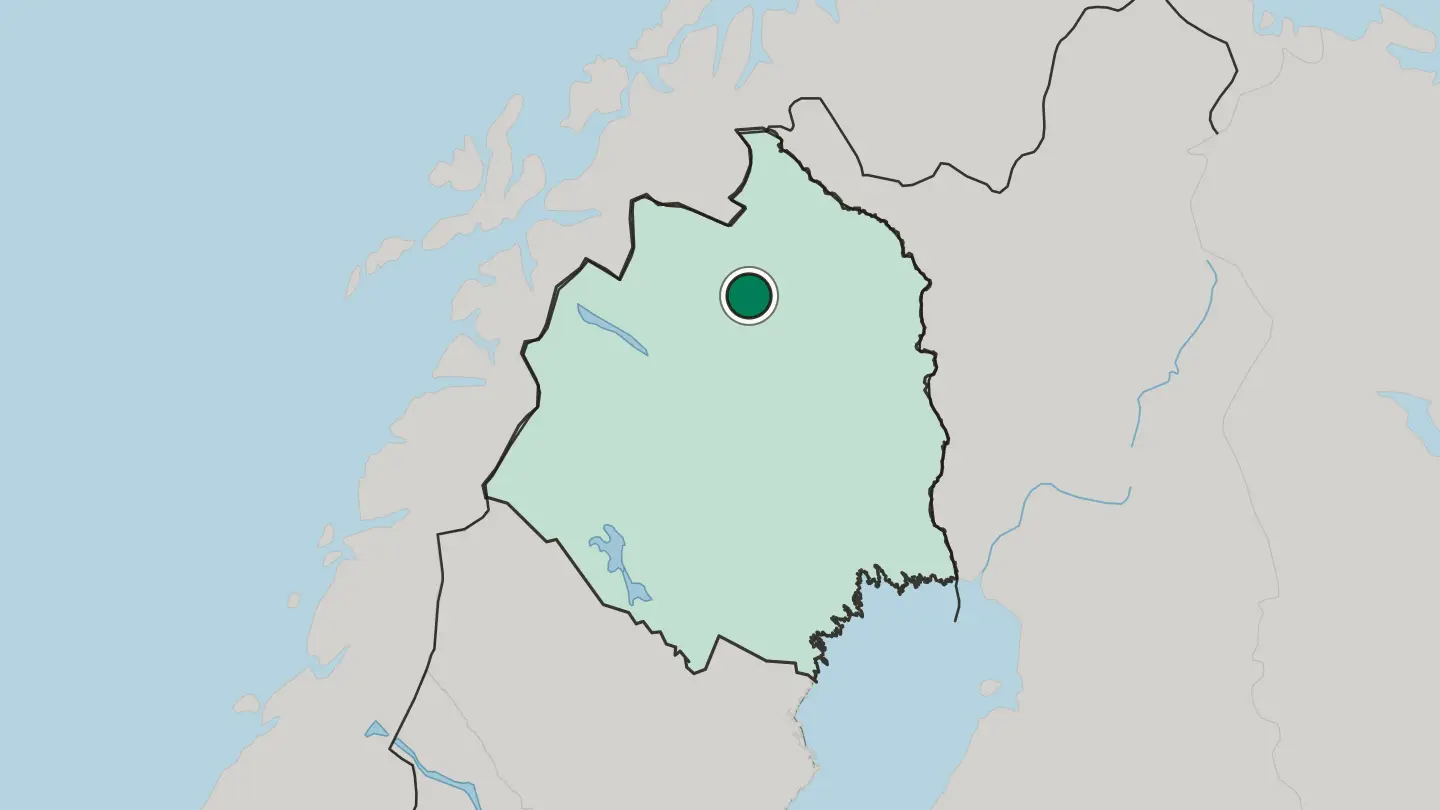
 Sweden
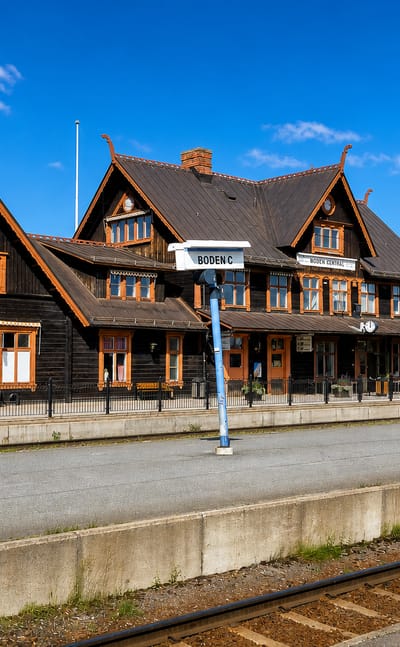
Boden
Boden is a municipality in Norrbotten County, north-eastern Sweden, an old garrison town on the Lule River, ringed by granite forts.Where to stay →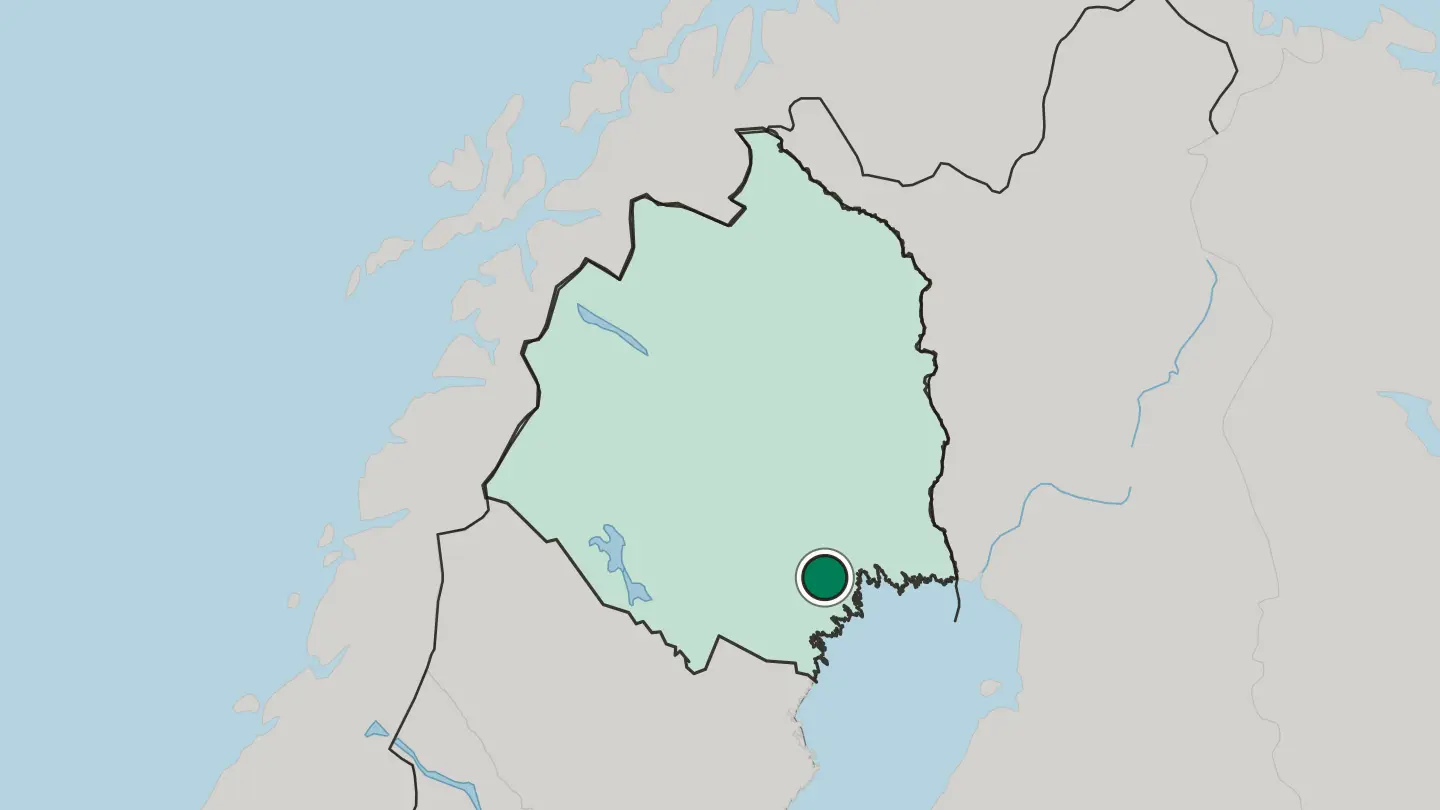
 Sweden
Gällivare
Gällivare is a municipality in Norrbotten County, north-eastern Sweden, where iron ore and the fell of Dundret shape the town beneath the Arctic light.Where to stay →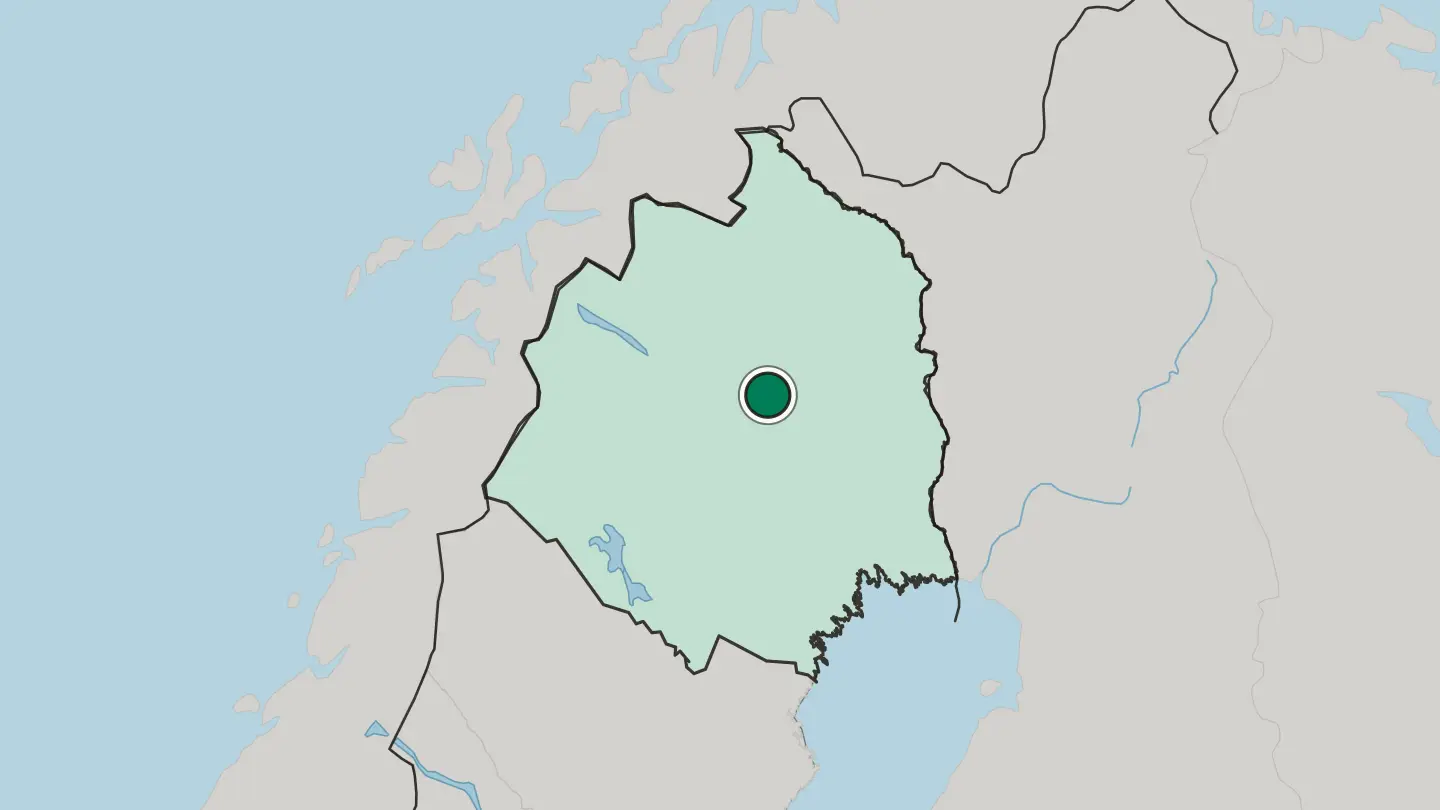 Sweden
Kalix
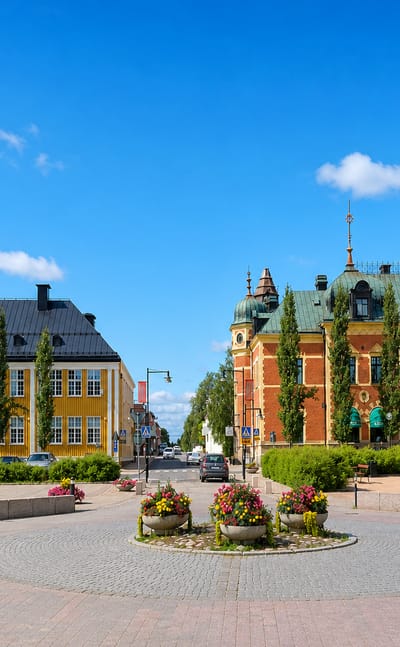
Kalix is a municipality in Norrbotten County, a coastal town in the far north-east of Sweden where the Kalix River meets the Baltic Sea.Where to stay →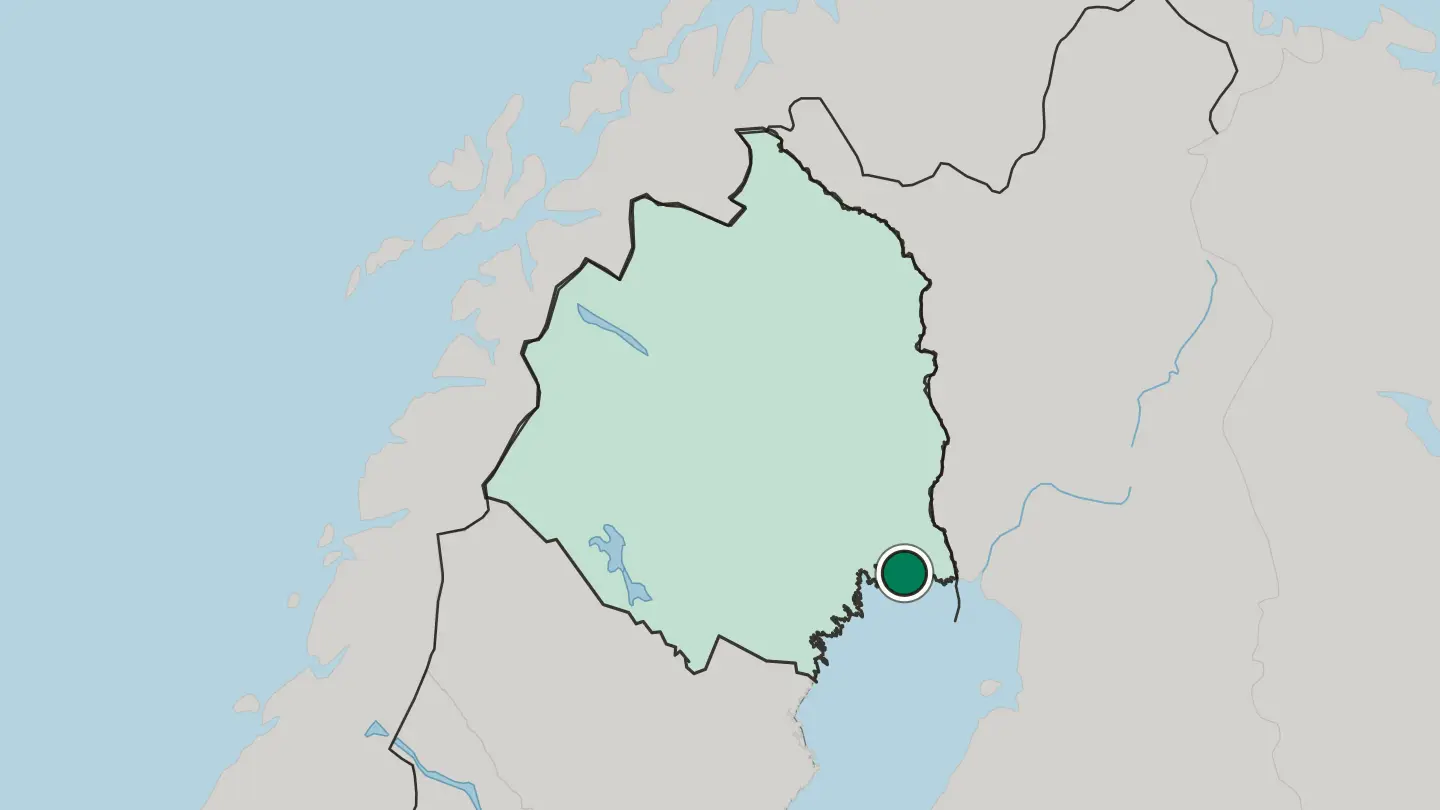
 Sweden
Haparanda
Haparanda is a municipality in Norrbotten County at Sweden's easternmost point, a border town on the Torne River facing Finnish Tornio across the water.Where to stay →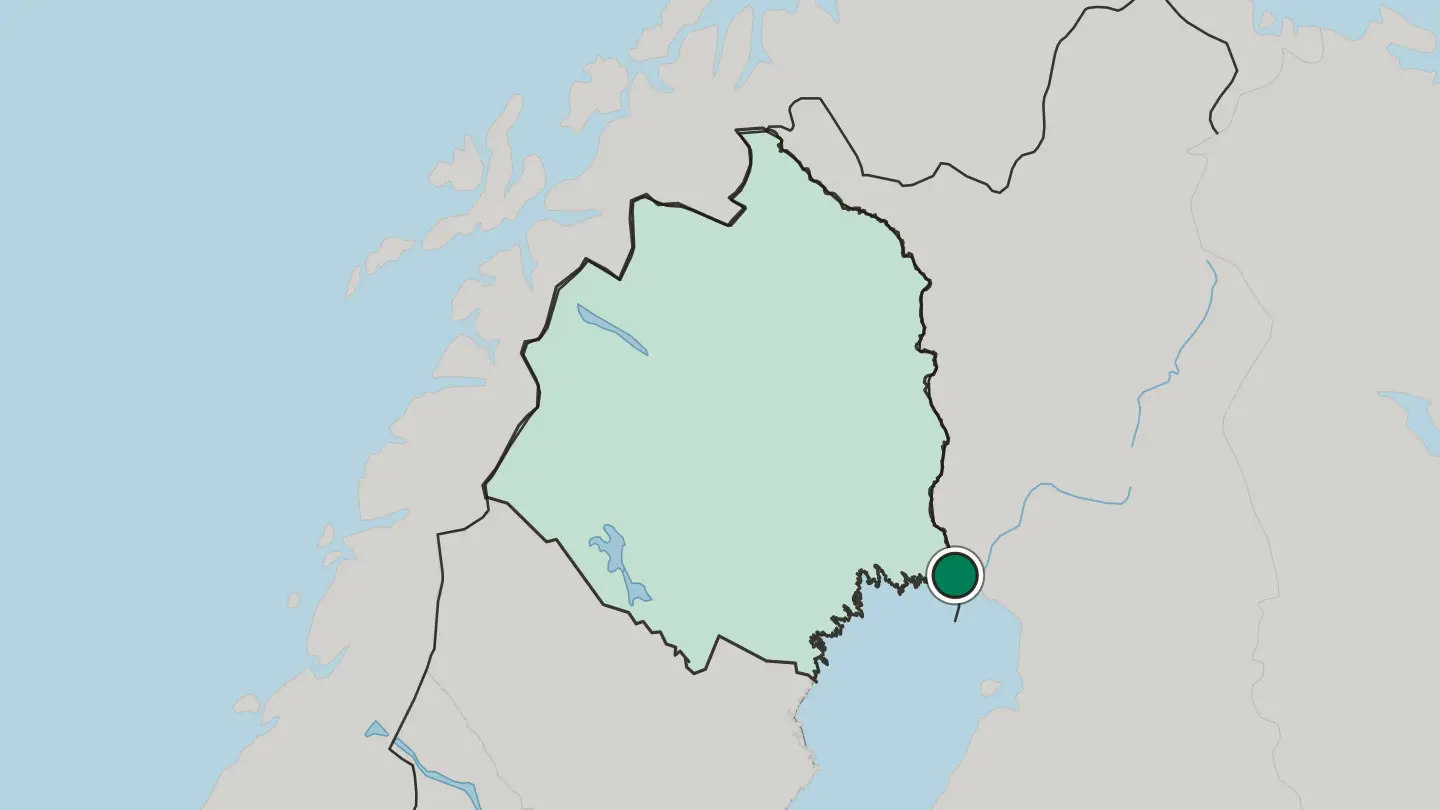
 Sweden
Älvsbyn
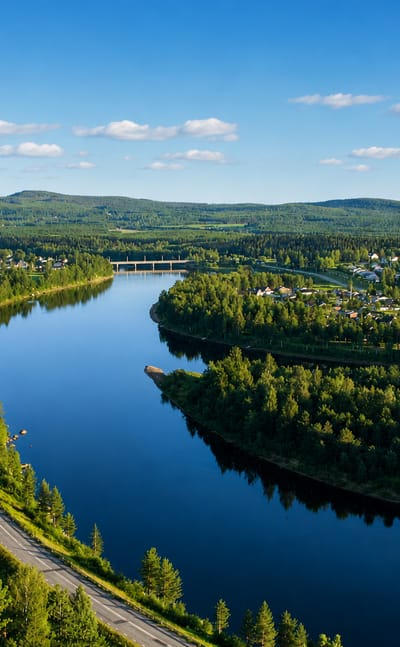
Älvsbyn is a municipality in Norrbotten County, north-eastern Sweden, nicknamed the Pearl of Norrbotten, where forest and the Pite River set the tone.Where to stay →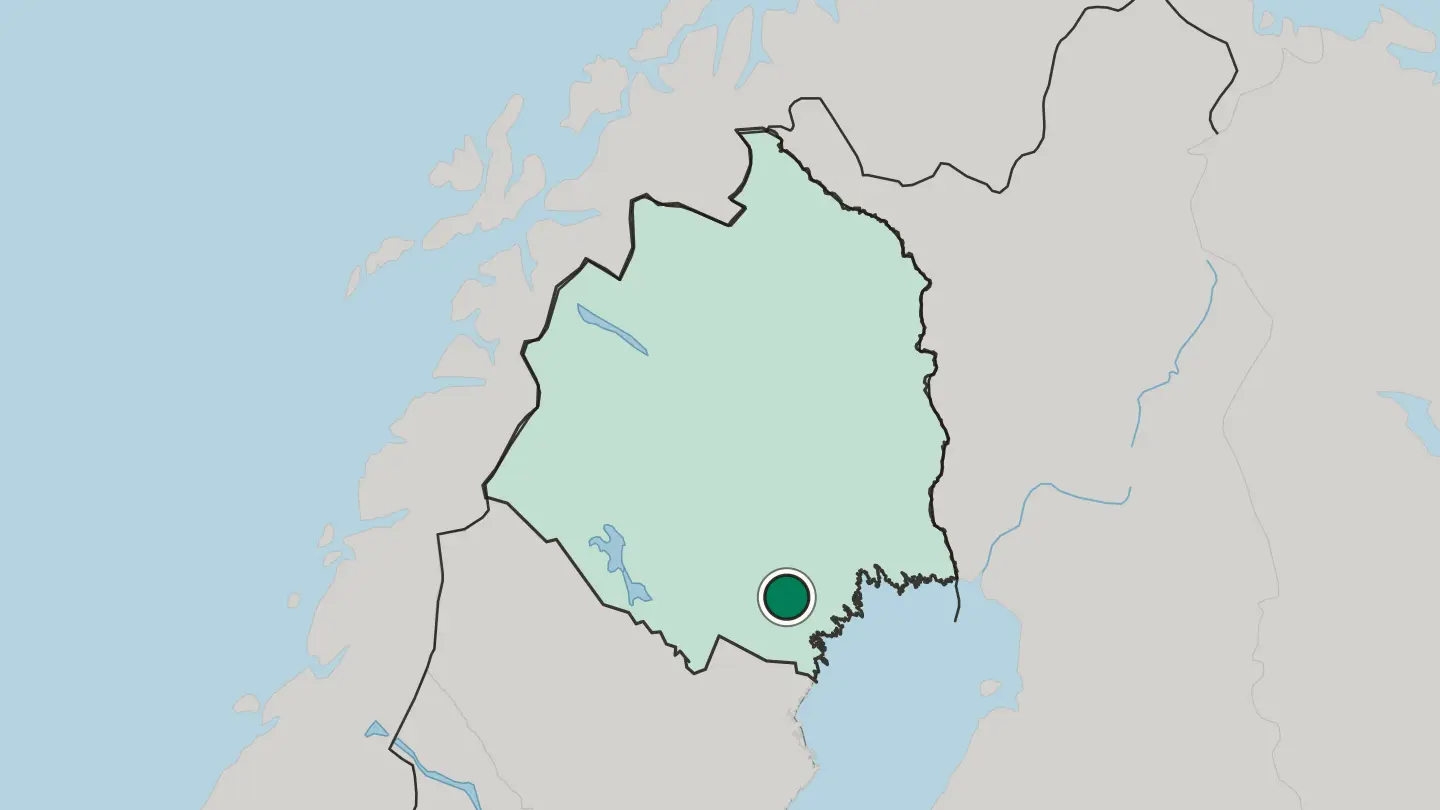
All towns & cities (17)
 Sweden
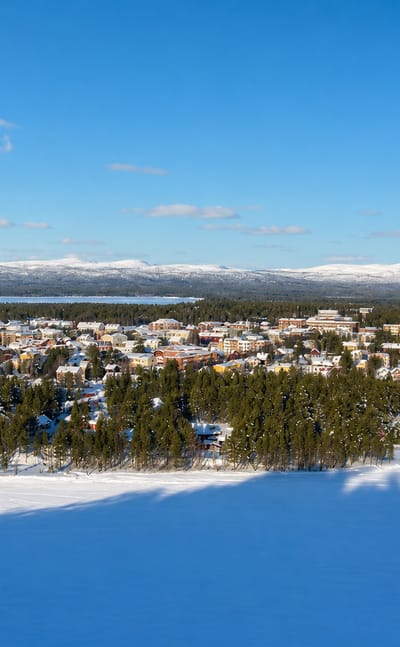
Arvidsjaur
Arvidsjaur is a municipality in Norrbotten County, north-eastern Sweden, an old Sami church town built around the hut village of Lappstaden.Where to stay →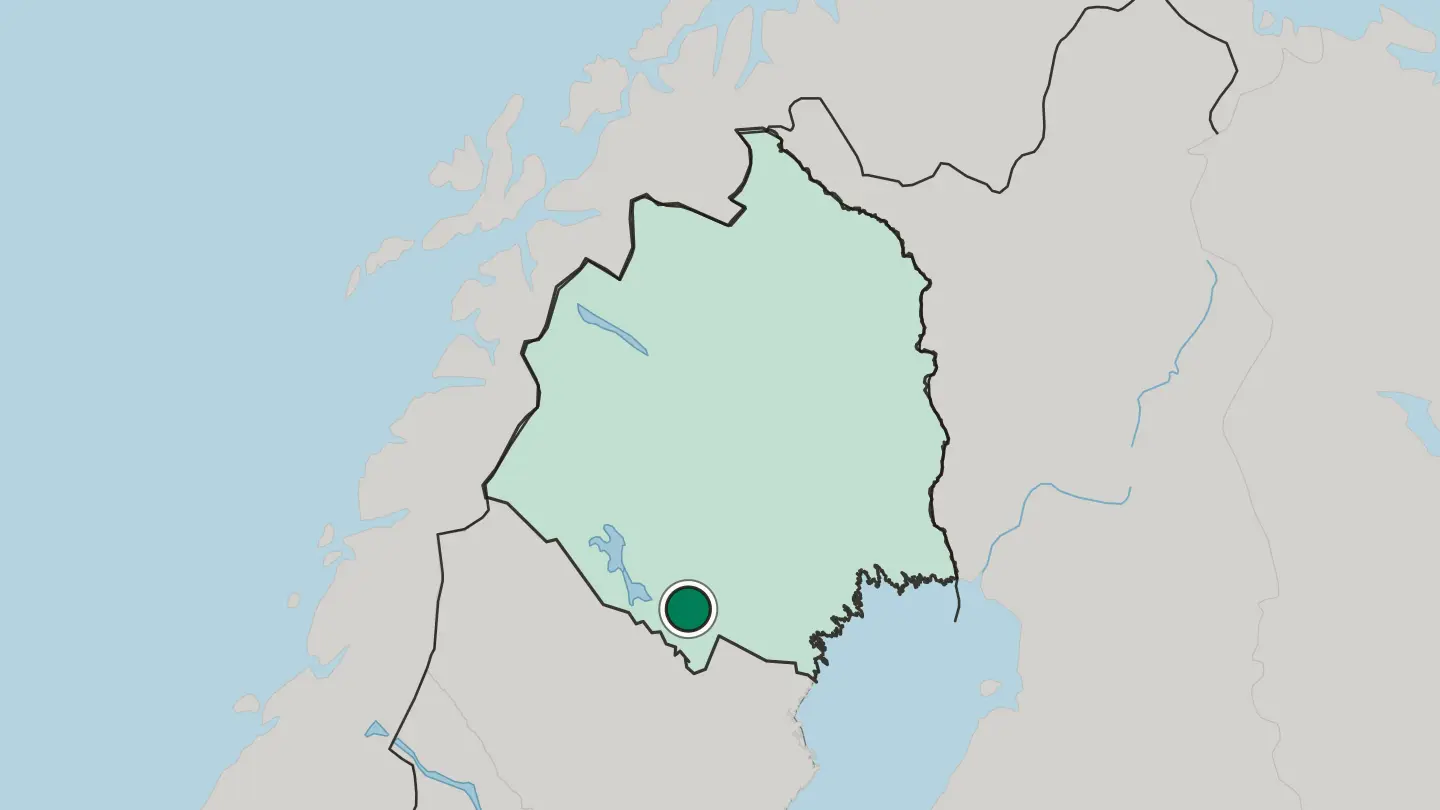
 Sweden
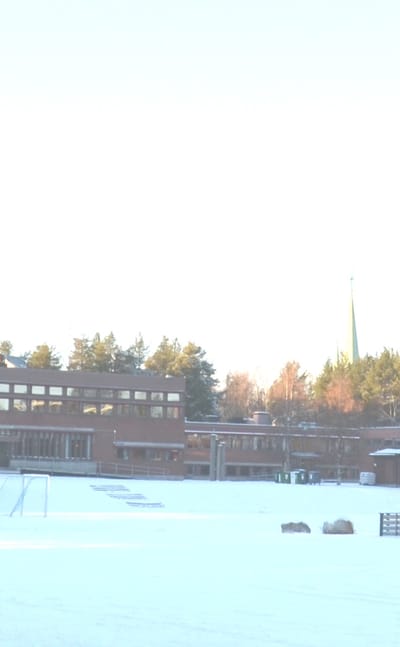
Jokkmokk
Jokkmokk is a municipality in Norrbotten County, north-eastern Sweden, a centre of Sami life and an old market town near the Arctic Circle.Where to stay →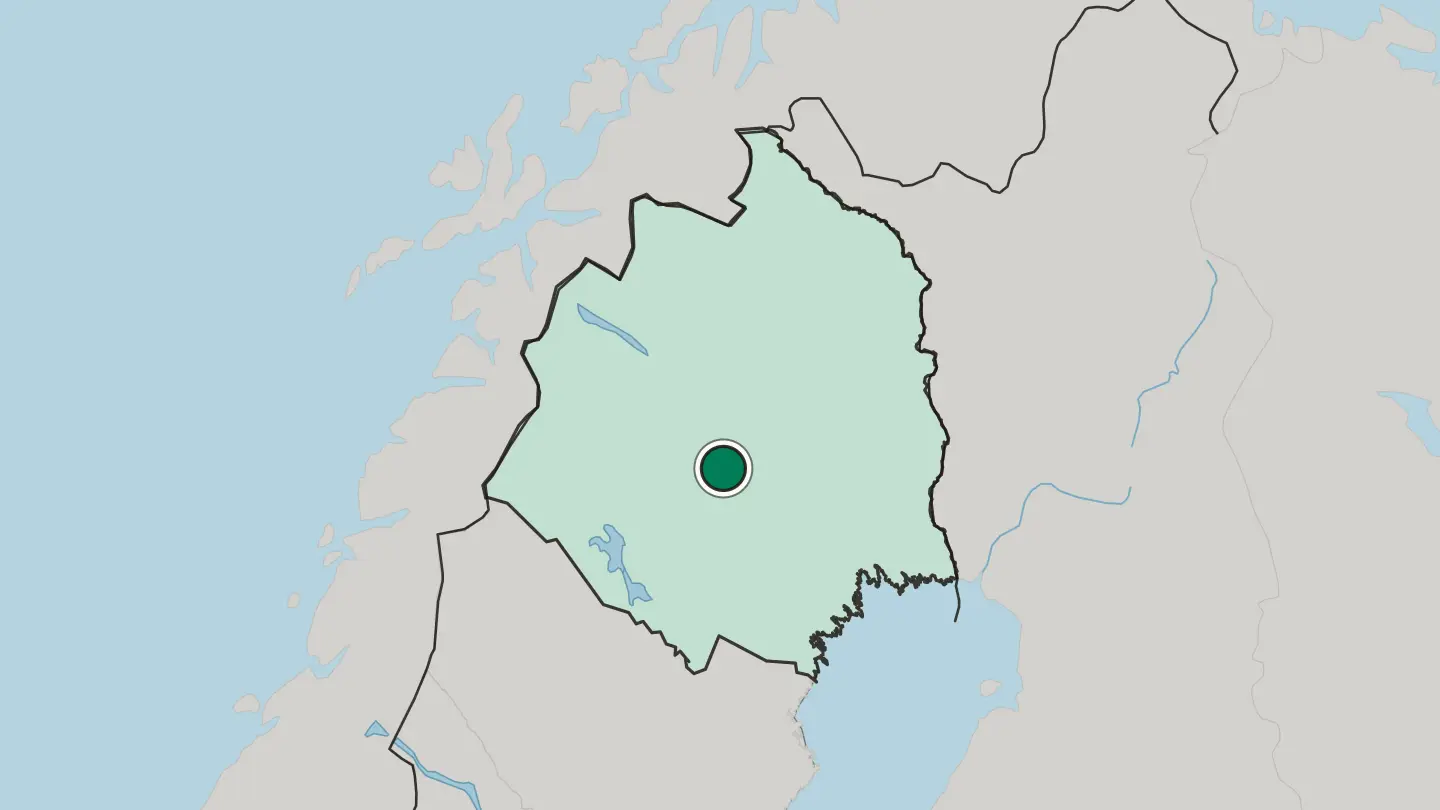
 Sweden
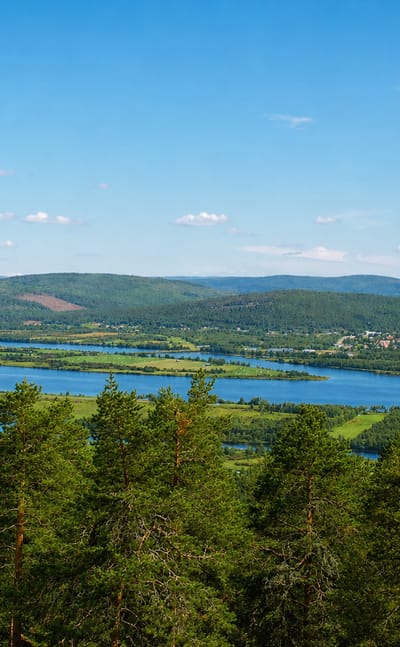
Pajala
Pajala is a municipality in northern Norrbotten on the Torne River, the heart of Tornedalen near the Finnish border.Where to stay →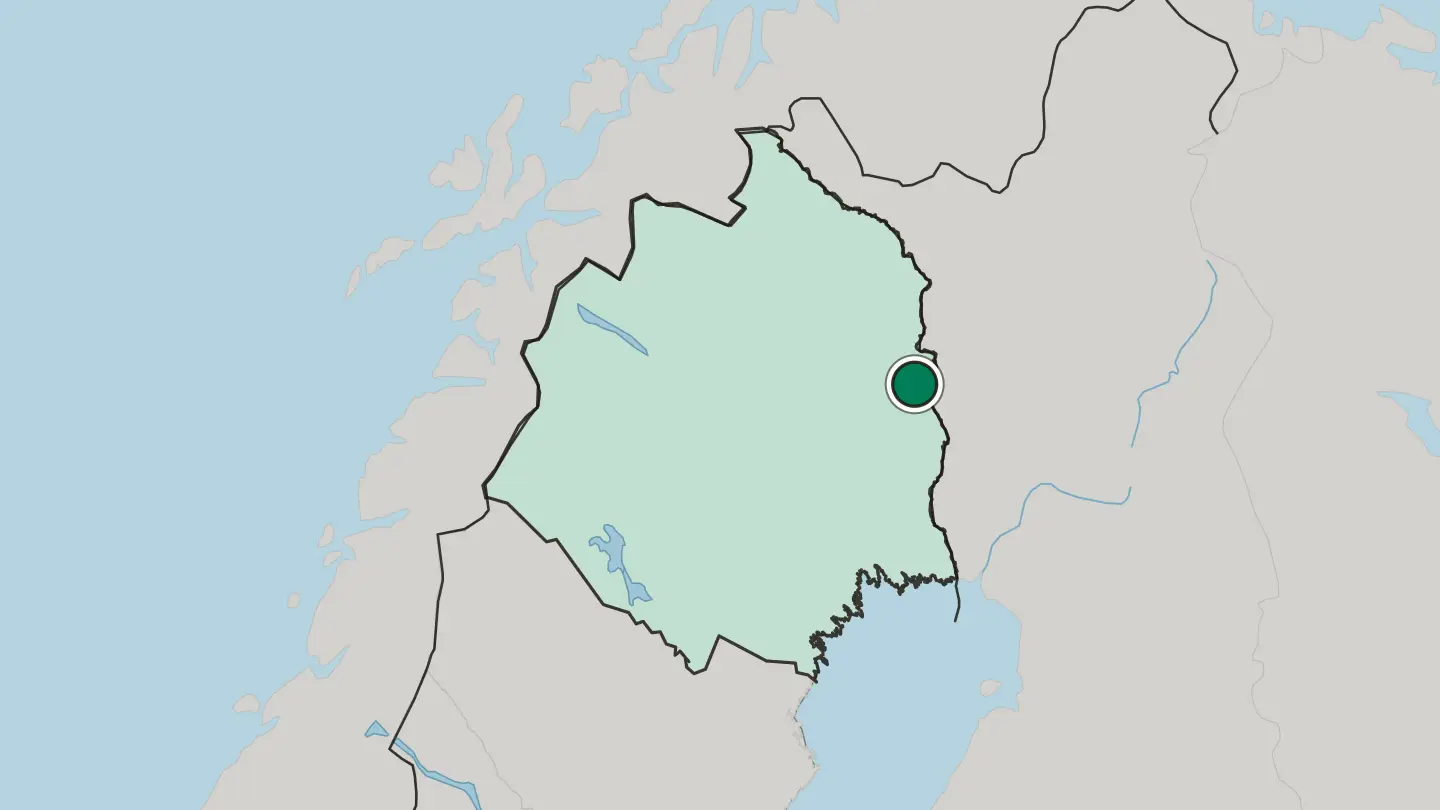
 Sweden
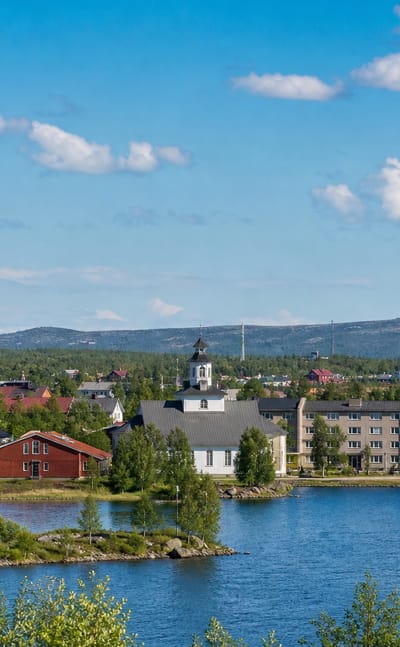
Övertorneå
Övertorneå is a municipality in Norrbotten County, a Tornedalen town on the Torne River facing Finland across the water in Sweden's far north-east.Where to stay →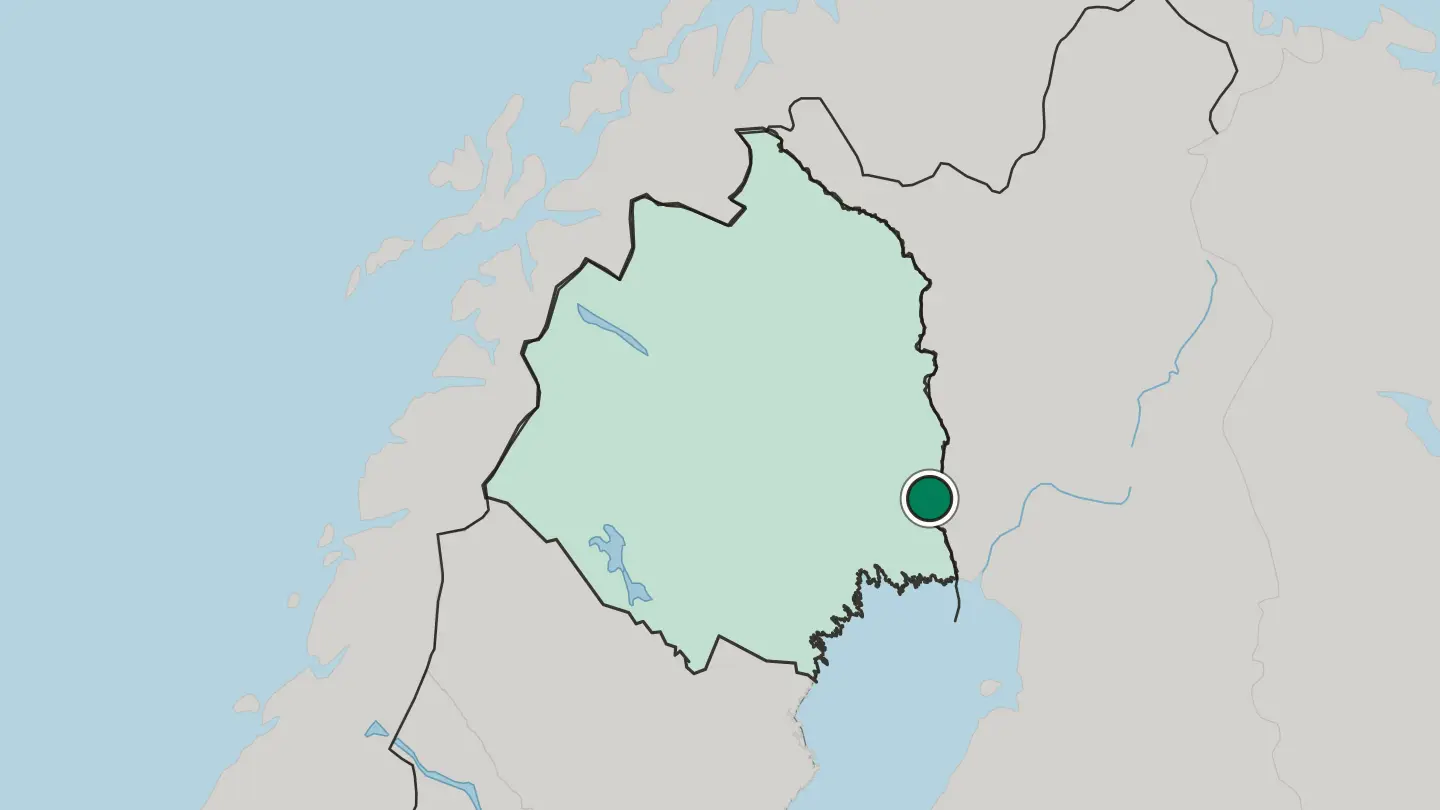
 Sweden
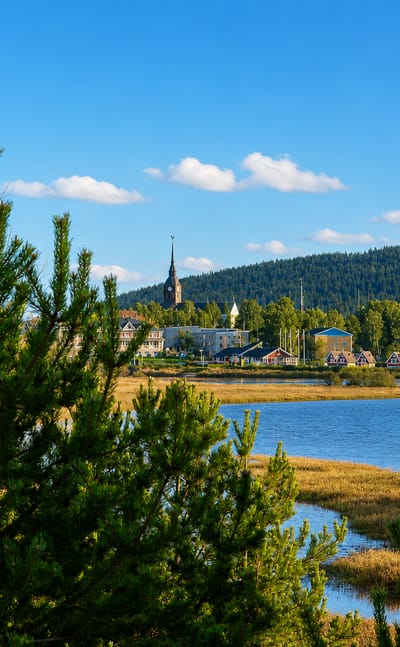
Arjeplog
Arjeplog is a municipality in Norrbotten County, north-eastern Sweden, an old silver and Sami district among the country's deepest lakes.Where to stay →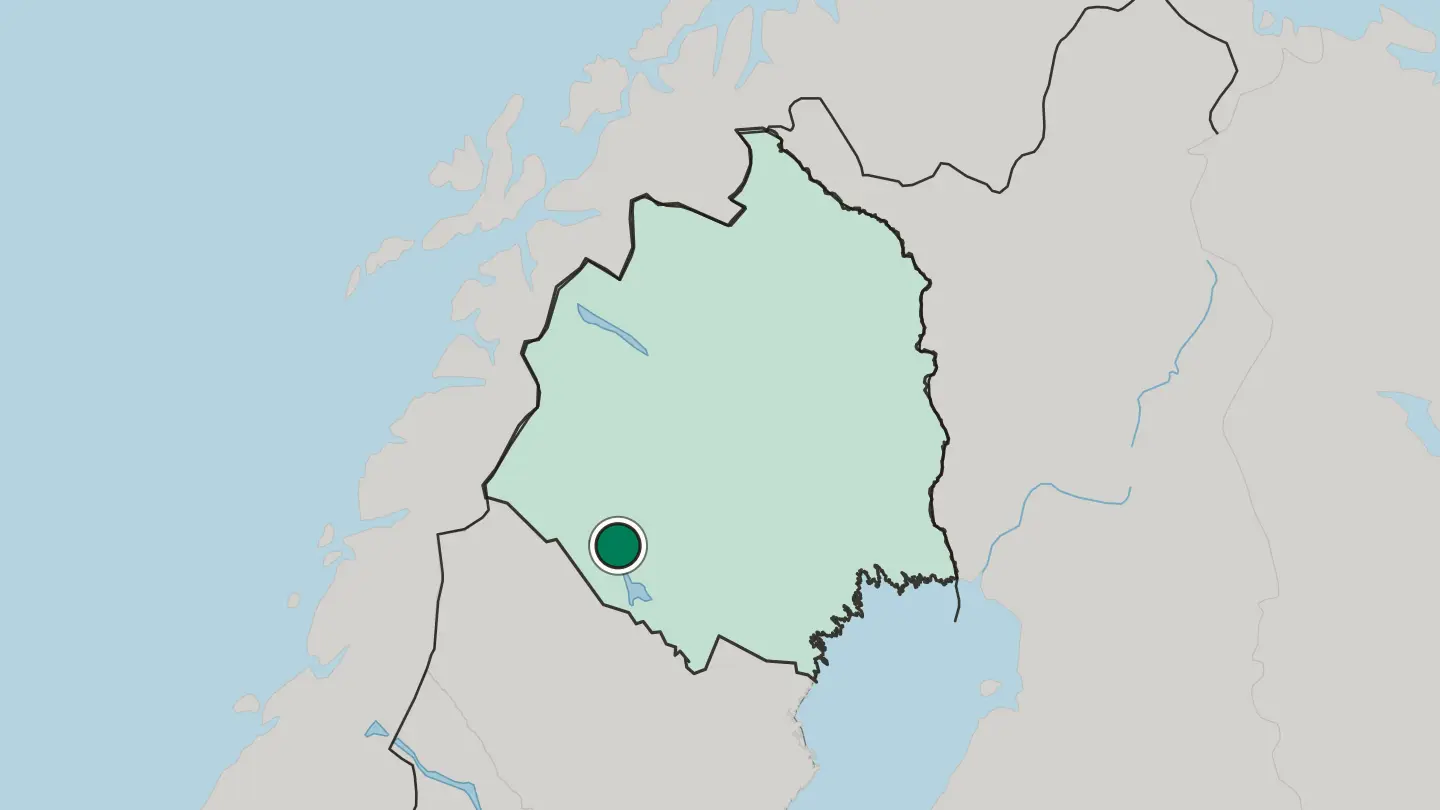
 Sweden
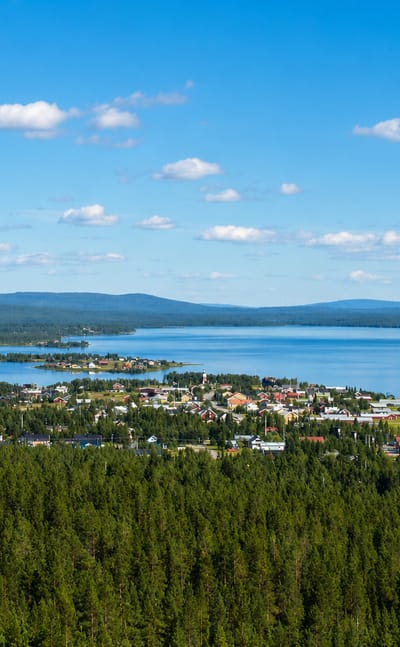
Överkalix
Överkalix is a municipality in Norrbotten County, an inland town set where the Kalix and Ängesån rivers meet in Sweden's far north-east.Where to stay →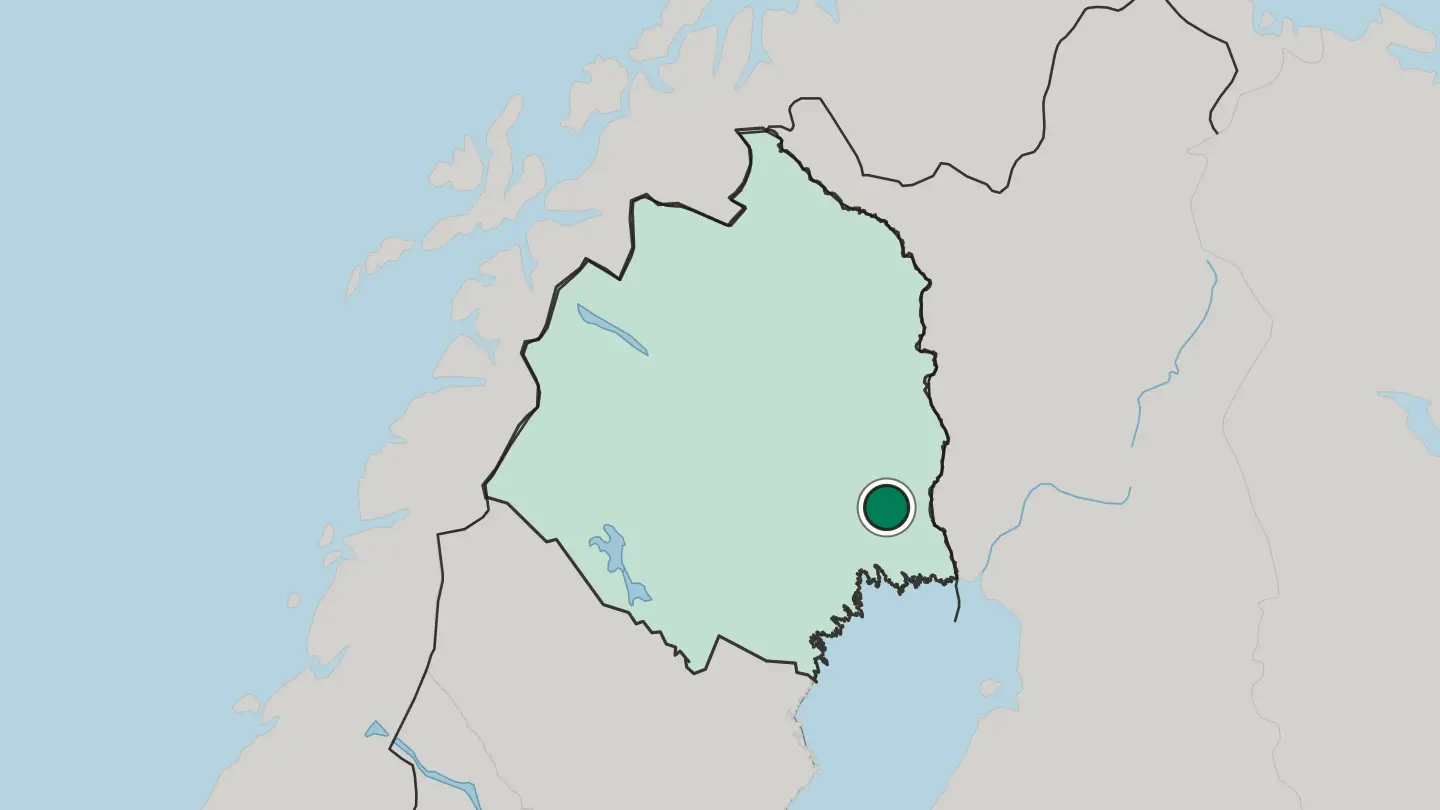
 Sweden
Jukkasjärvi
Ice from the Torne river is carved into a new hotel each winter at Jukkasjärvi, a Sami market village in Norrbotten County east of Kiruna.Where to stay →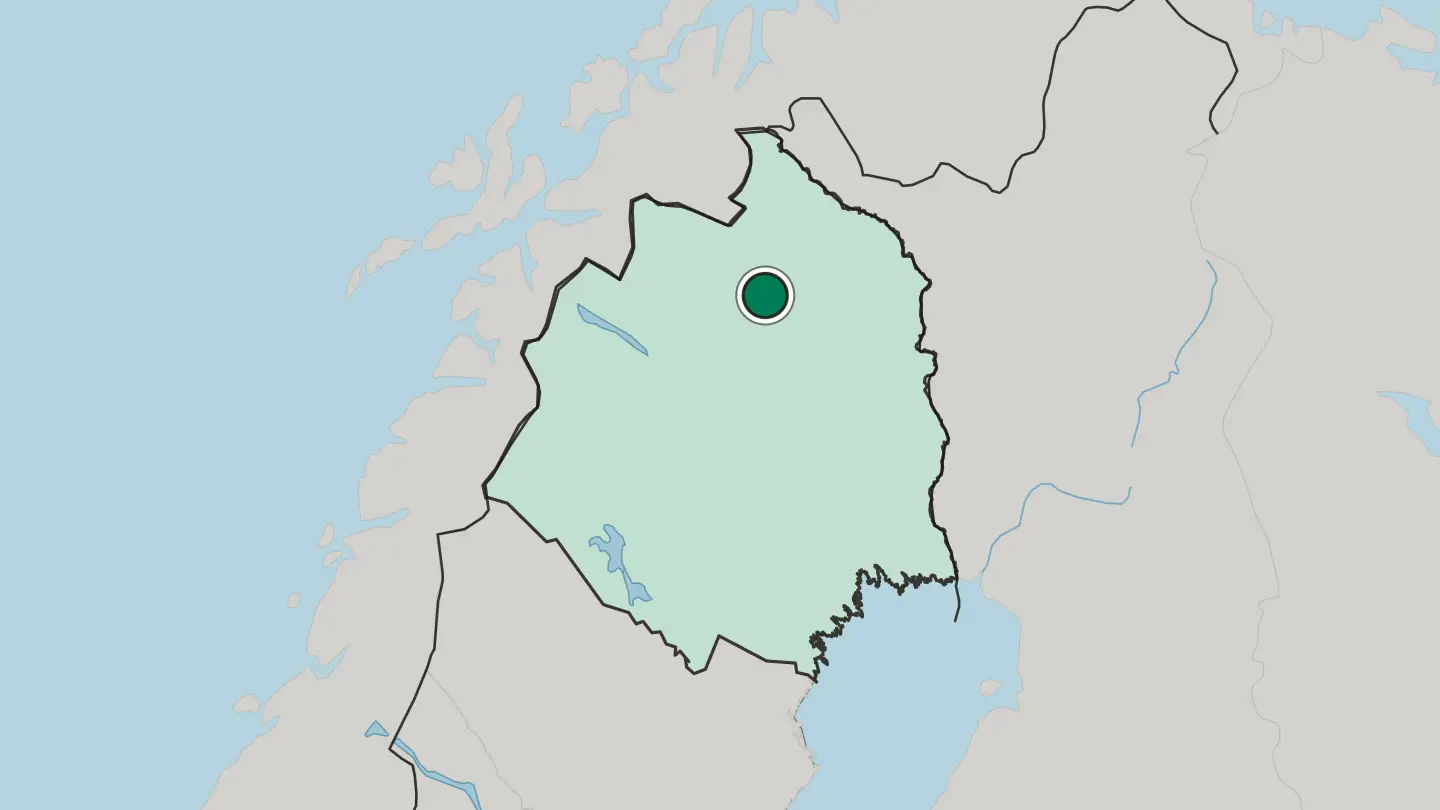
 Sweden
Abisko
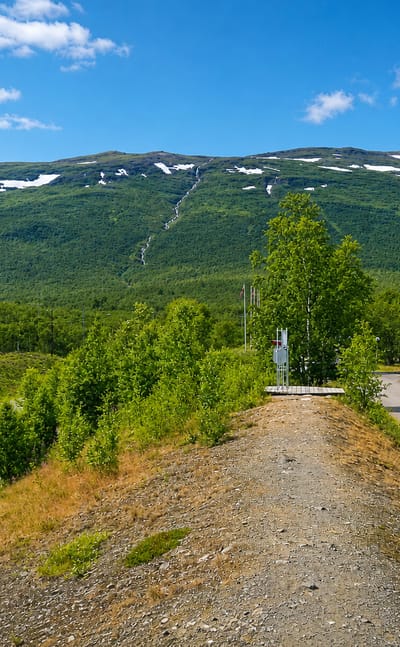
Northern lights draw travellers to Abisko, a village on lake Torneträsk in Norrbotten County, known for its national park and the Kungsleden trail.Where to stay →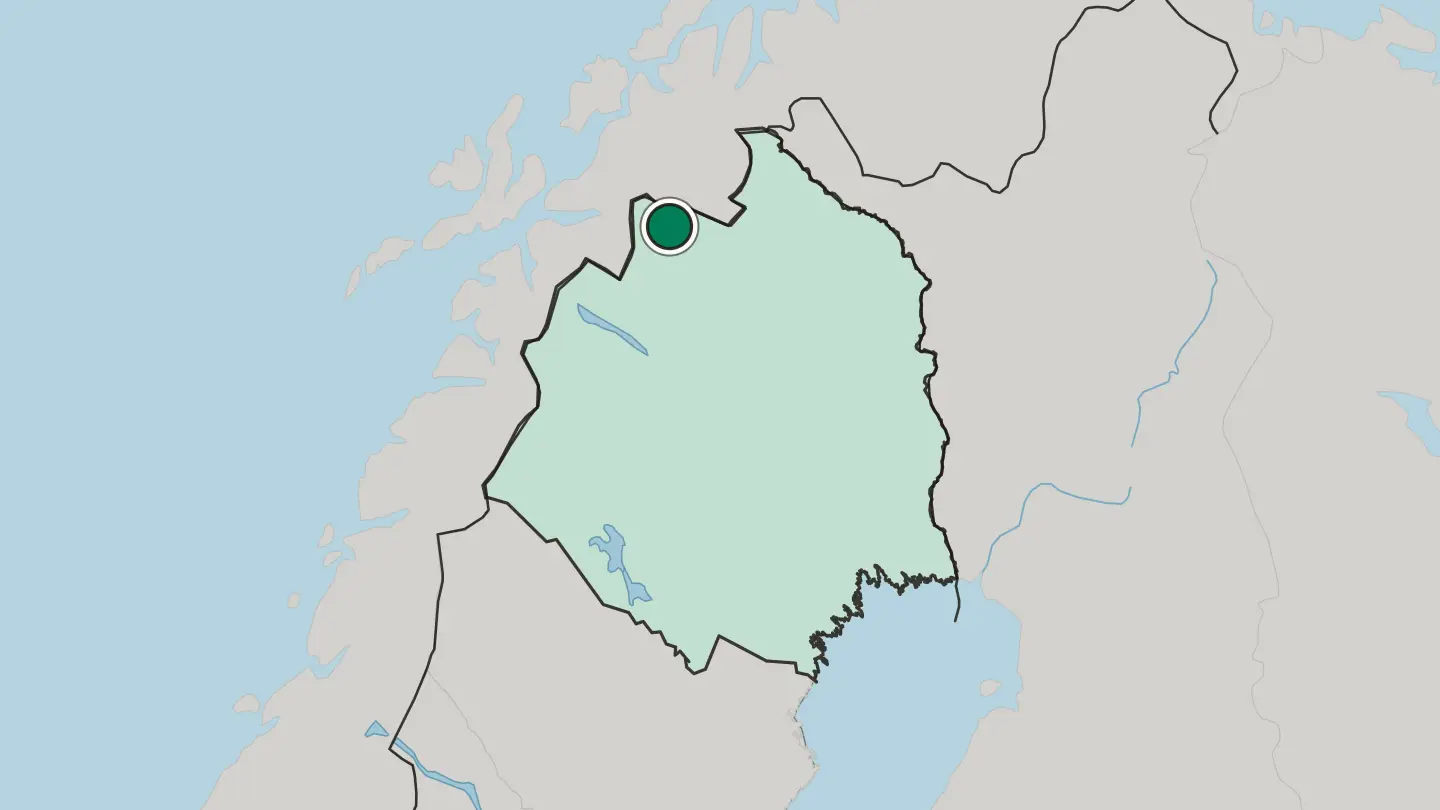
 Sweden
Riksgränsen
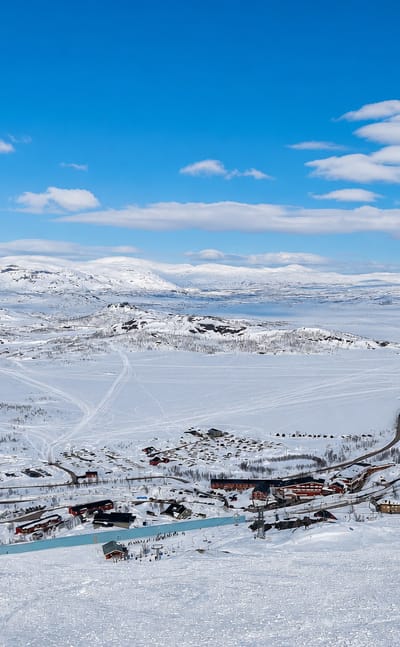
Skiers ride under the midnight sun at Riksgränsen, a border resort in Norrbotten County on the Norwegian frontier, far north of the Arctic Circle.Where to stay →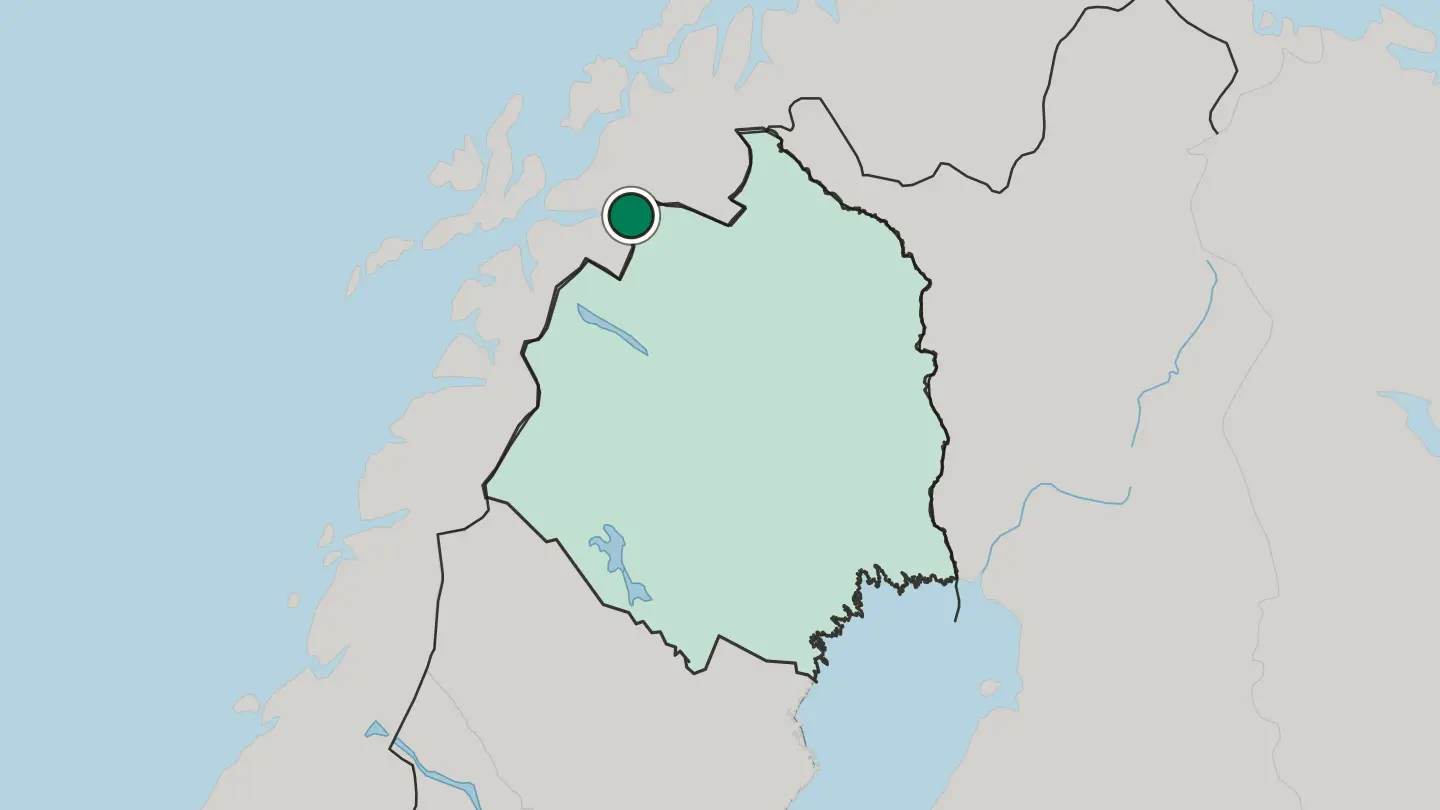
Hotel links are affiliate links: booking through them may earn us a commission, at no extra cost to you. It never affects how places are ranked. How this works
About Norrbotten County
What is Norrbotten County known for?
Norrbotten is known as Sweden's far north. The county holds the great iron-ore mines of Kiruna and Malmberget, the Sami homeland of Sápmi, and a wild belt of forest, river, and mountain that runs west to Norway and gives travellers the midnight sun in summer and the northern lights through the long winter. Lapland fills its interior.
Abisko draws aurora hunters. People know it for ore, wilderness, and Arctic light.
Where is Norrbotten County?
Norrbotten lies in the far north of Sweden, the country's largest county by area, stretching from the low, forested coast of the Gulf of Bothnia in the south-east up to the high mountains that mark the border with Norway in the north-west. Deep coniferous forest, bog, and a web of great rivers cover most of the land, with the open fells and bare peaks rising beyond the last trees and the long Arctic coast lined with the islands of the Luleå archipelago. Rivers shape the county.
The Lule, Kalix, and Torne run east to the sea. These rivers gather their waters in the mountains and run down across the interior toward the Baltic, carving the broad valleys where most of the towns and farms sit. The county shares a long land border with Finland to the east, drawn along the Torne river, and meets Norway among the high peaks of the west.
Far north stands Treriksröset, where Sweden, Finland, and Norway touch. The wild interior holds the largest national parks in the land.
What is Norrbotten County like?
Norrbotten is the heart of Sweden's Sami country. The reindeer-herding Sami have lived across these fells and forests for thousands of years, and their language, handicraft, and yoik song still shape life in the mountain villages, alongside the Tornedalian Finnish culture of the eastern river valleys. Meänkieli is spoken here.
Old ways run deep. The county also carries the mark of a hard industrial past, with the ore mines of Kiruna and Malmberget and the railway and ports that carried their iron drawing workers from across the north. Markets and winter festivals gather the herding communities, and the great Jokkmokk winter market has drawn Sami traders and visitors for centuries.
The Sami parliament sits at Kiruna. Sami food, duodji craft, and the herding calendar carry the old culture forward, while modern art, music, and design give the northern towns a life of their own through the dark season.
What is the history of Norrbotten County?
Norrbotten is old Sami land. The reindeer-herding Sami ranged across these fells and forests long before Swedish and Finnish settlers pushed north up the river valleys to farm and trade. The county took form in the nineteenth century.
Iron ore changed everything when the great mines at Kiruna and Malmberget opened and a railway was driven through the wilderness to carry the ore to the coast and on to Norway. Mining, herding, and the wild land carry that story still.
What is the climate of Norrbotten County?
Norrbotten has a hard subarctic climate. Winters are long, cold, and dark, with deep and lasting snow across the forests and fells and the sun staying below the horizon for weeks in the far north through the heart of the dark season. Summers stay short and bright.
The midnight sun rides the sky for weeks above the Arctic Circle, drawing walkers and travellers out to the mountains and rivers through the brief, green height of summer. The high western fells hold snow longest.
How do you get to Norrbotten County?
Norrbotten is reached by air, rail, and road. Flights run up from Stockholm to Luleå and Kiruna, the quickest way into the far north, while the main line and the iron-ore railway carry trains right across the wild interior toward Narvik on the Norwegian coast beyond the peaks. Roads thread north through the forests to the mountain villages.
The night train runs north. Onward roads cross into Finland along the Torne river.
Common questions
What is the best area to stay in Norrbotten County?
Luleå: first-time visitors and the coast. Kiruna and Jukkasjärvi: aurora and ice-hotel guests. Abisko and the mountains: walkers and skiers.
Good for
More regions in Sweden
Updated September 2026