Sweden · Norrbotten County
Where to Stay in Övertorneå, Norrbotten County
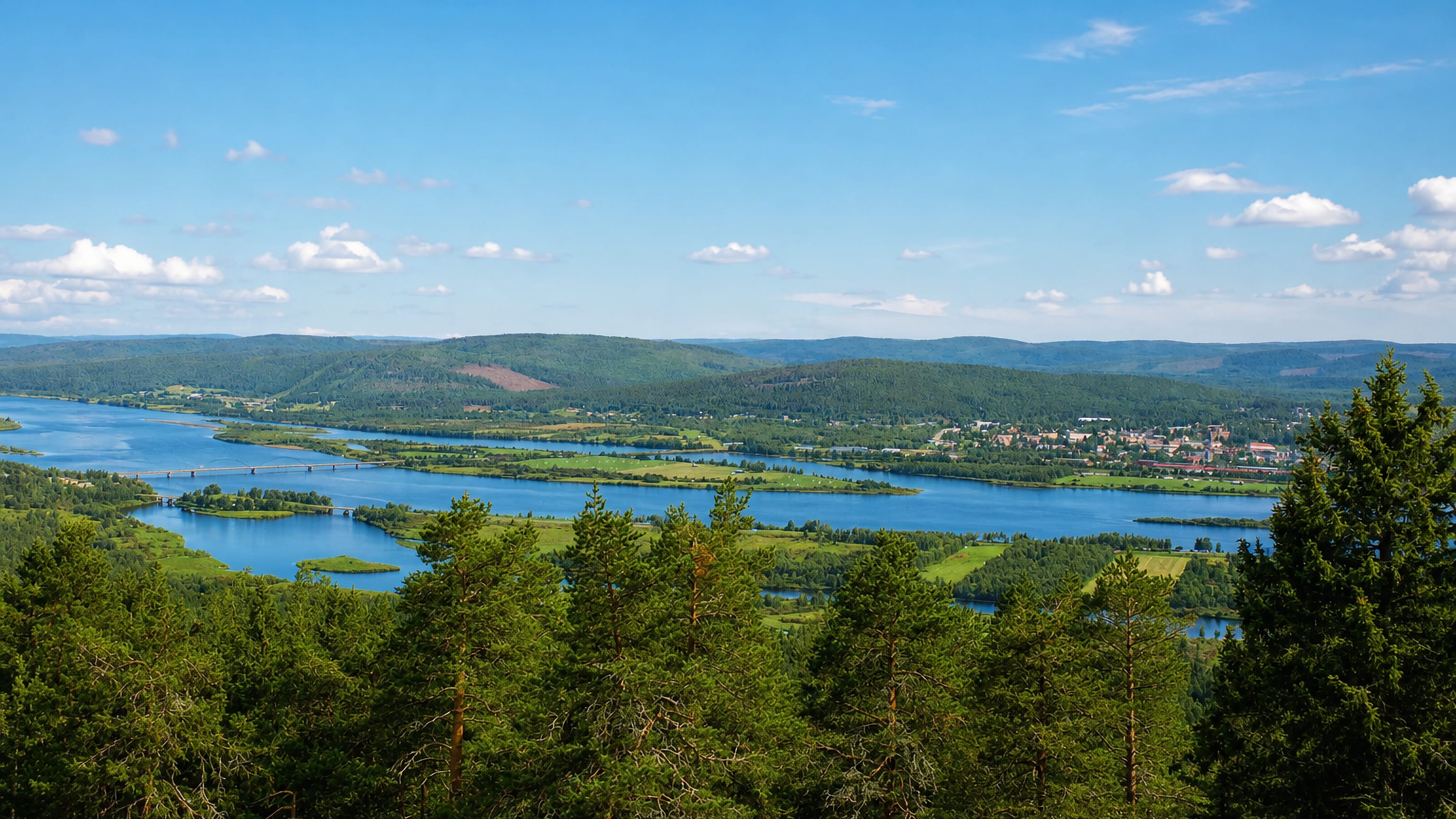
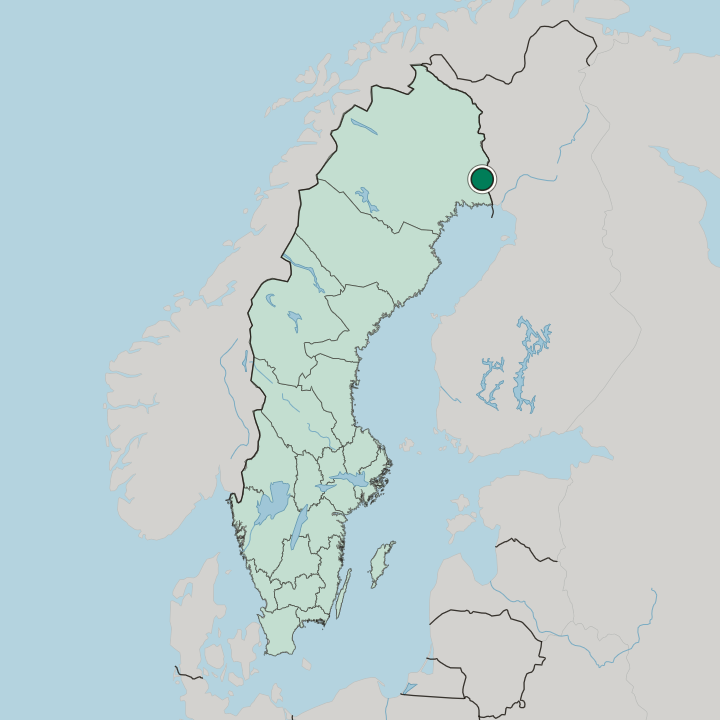
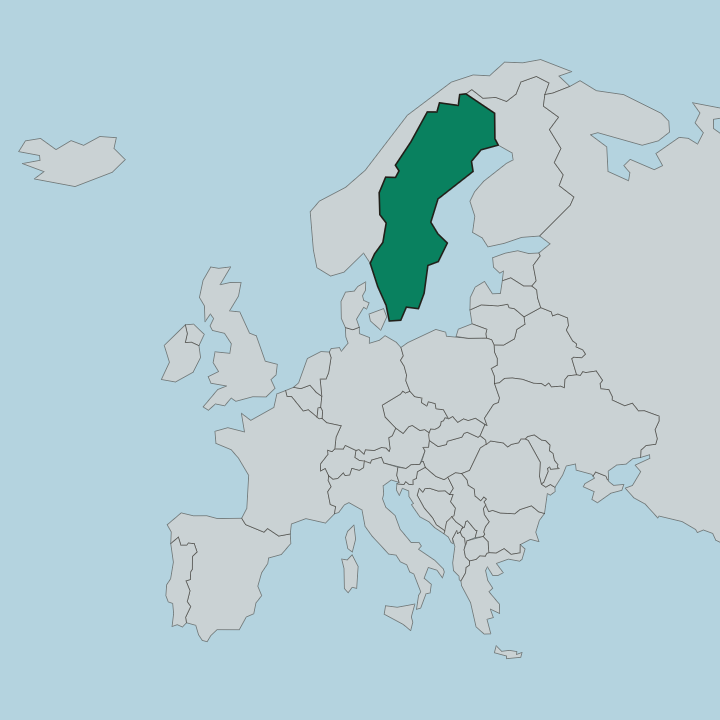
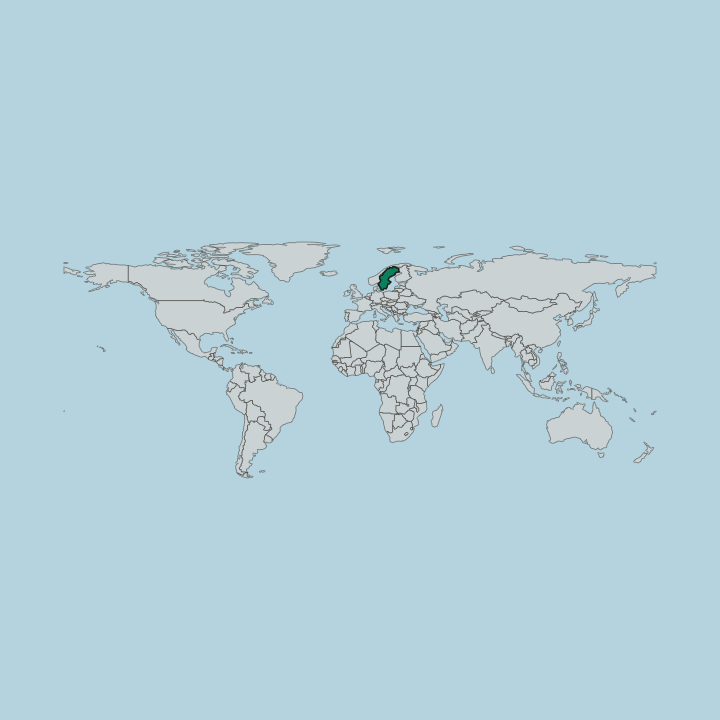
Övertorneå is a municipality in Norrbotten County, a Tornedalen town on the Torne River facing Finland across the water in Sweden's far north-east.
Hotel links are affiliate links: booking through them may earn us a commission, at no extra cost to you. It never affects how places are ranked. How this works


Where to stay in Övertorneå
How the choice of base plays out on the ground.
Övertorneå's lodging gathers in the central village, sometimes called Matarengi, beside the church and the river. Choices are few. A handful of hotels, hostels, and riverside cabins cover most needs, and they fill around midsummer, when sun-watchers and anglers arrive together for the bright nights.
Base yourself in the centre if you want to walk to the river, hire a guide for the Torne, or cross easily into Finland; it suits slow travellers more than those after nightlife. South along the valley the smaller villages of Juoksengi and Hedenäset offer the occasional cabin and a quieter stay closer to the open country, trading shops and services for river views and dark autumn skies. For a wider choice of hotels and an airport, travellers usually base at Haparanda on the coast or at Kiruna and visit on a Tornedalen drive.
Find hotels in Övertorneå
Direct booking searches for these neighbourhoods.
Matarengi
the central village by the church and the riverFind hotels in Matarengiquiet riverside cabinsJuoksengi
a small valley village on the Arctic Circle. Rooms are few around here — worth securing early.Find hotels in Juoksengiopen-country calmHedenäset
a riverside hamlet south of the centre. Beds are limited here, so book early.Find hotels in HedenäsetHotel links are affiliate links: booking through them may earn us a commission, at no extra cost to you. It never affects how places are ranked. How this works
About Övertorneå
Övertorneå sits in the heart of Tornedalen.
What is Övertorneå known for?
Here Swedish and the local Meänkieli have long been spoken side by side. The town is best known for the midnight sun, watched each summer from the hill of Luppioberget above the river, and for a setting that the old border drew straight through one valley culture. Finland lies on the far bank.
What are the main landmarks in Övertorneå?
The Övertorneå kyrka anchors the central village, a northern parish church with the plain strength of the region's timber tradition. Above the river rises Luppioberget, a low hill of boulders and legend where people gather to watch the summer sun stay up through the night. Downstream the Arctic Circle crosses the valley at the village of Juoksengi, marked for travellers.
The sights are few and quiet. Each ties the town to its river and its light.
What is the history of Övertorneå?
Övertorneå is an old parish in upper Tornedalen, settled where the Torne valley widens into good riverside farmland. For centuries it belonged to a single Tornedalen culture that paid little heed to nation, with people, faith, and the Finnish-rooted speech now called Meänkieli shared up and down the water. The river joined the valley together rather than dividing it.
That changed in the early 19th century. When the border between Sweden and the Russian-held east was drawn along the Torne, Övertorneå was split from its sister districts on the eastern bank, and a valley that had been one became two countries overnight. The town stayed Swedish, kept its bilingual life, and went on farming, fishing, and trading across a border that ran through families.
Modern Övertorneå is small and rural. Its story is the long story of Tornedalen, a shared valley, a sudden frontier, and a culture that outlasted the line drawn through it.
Where is Övertorneå?
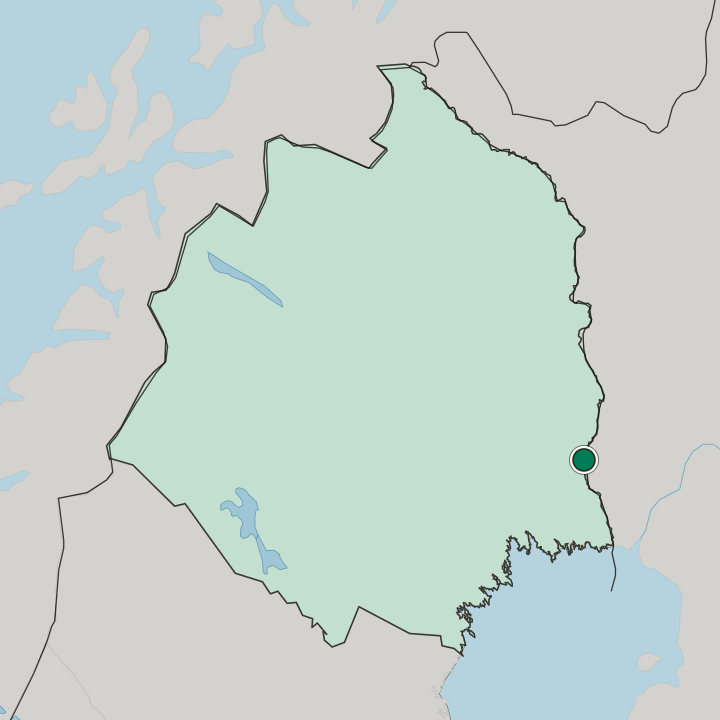
Övertorneå lies along the Torneälven, the river that marks Sweden's border with Finland. Ylitornio faces it from the eastern bank. Within Tornedalen, the valley carved by this waterway, the town sits just below the Arctic Circle, where the midnight sun lingers over forest and water through high summer.
Nearby rises the hill of Aavasaksa, long a vantage point for that light. Meänkieli is heard here alongside Swedish.
What is the climate of Övertorneå?
Övertorneå has a subarctic, strongly continental climate set by its inland river valley. Winters are long and very cold, with reliable deep snow, frozen rivers, and short grey days. The valley does hold a milder pocket than the open fells, and its sheltered terraces have long supported farming and even gardens unusual this far north.
Summers are short, warm, and intensely light, the midsummer sun barely dipping before it climbs again. Then autumn closes in fast.
How do you get to Övertorneå?
Övertorneå is reached by road up the Torne valley. Route 99 runs along the river from Haparanda on the coast, north through the town and on toward Pajala, and a bridge crosses to the Finnish side. The nearest airport and railway lie on the coast around Luleå and Kalix, a couple of hours south.
There is no train here. Most arrive by car or bus along the border road.
Common questions
What is the best area to stay in Övertorneå?
Matarengi: midnight sun and river trips. Juoksengi: quiet riverside cabins. Hedenäset: open-country calm.
Good for
More cities in Norrbotten County
Updated September 2026