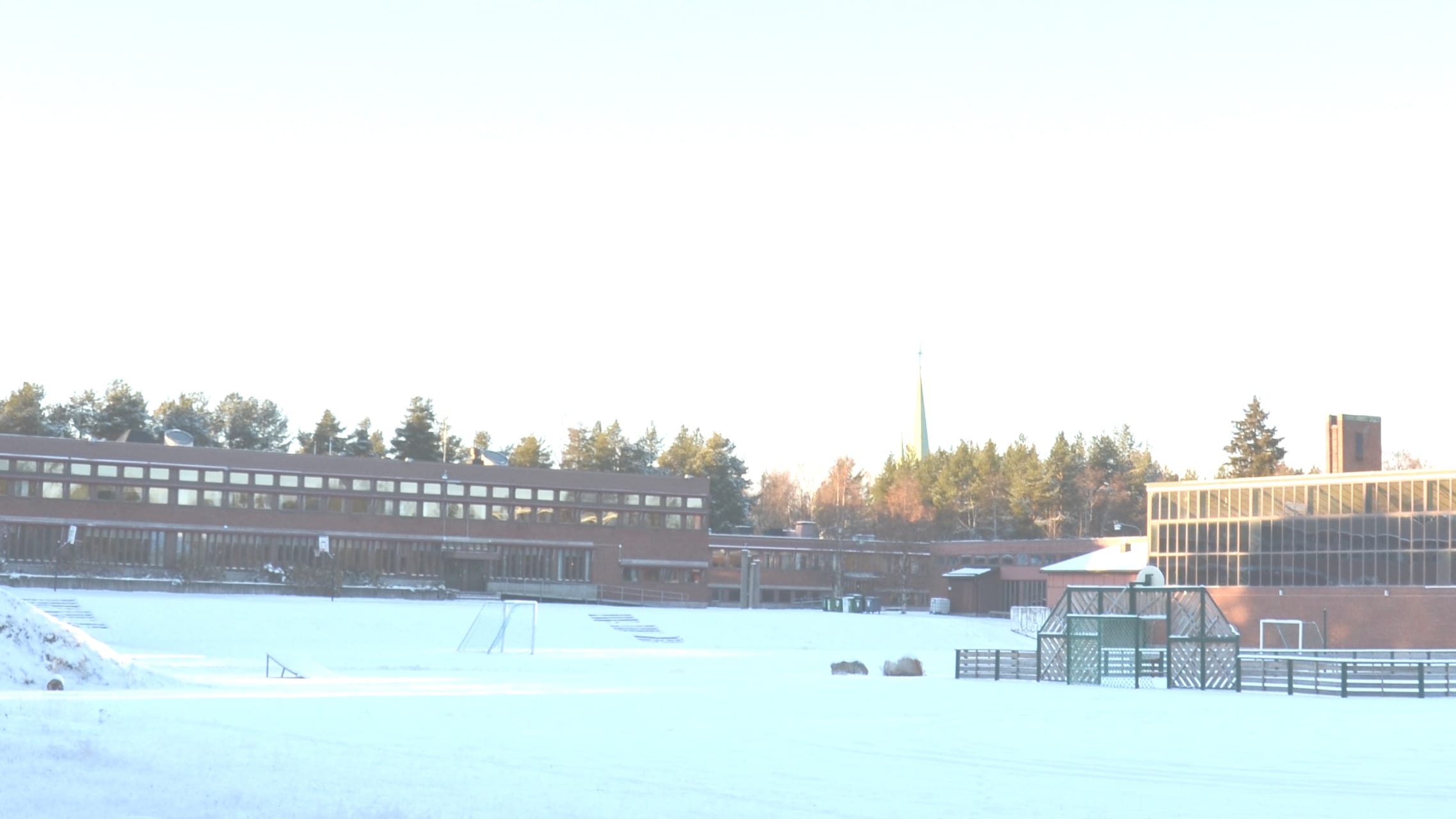
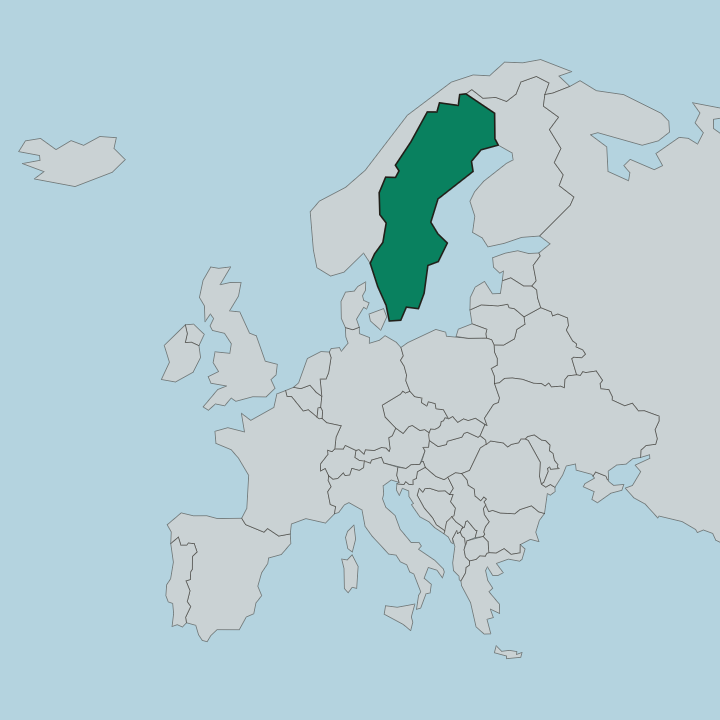
Sweden · Norrbotten County
Where to Stay in Jokkmokk, Norrbotten County
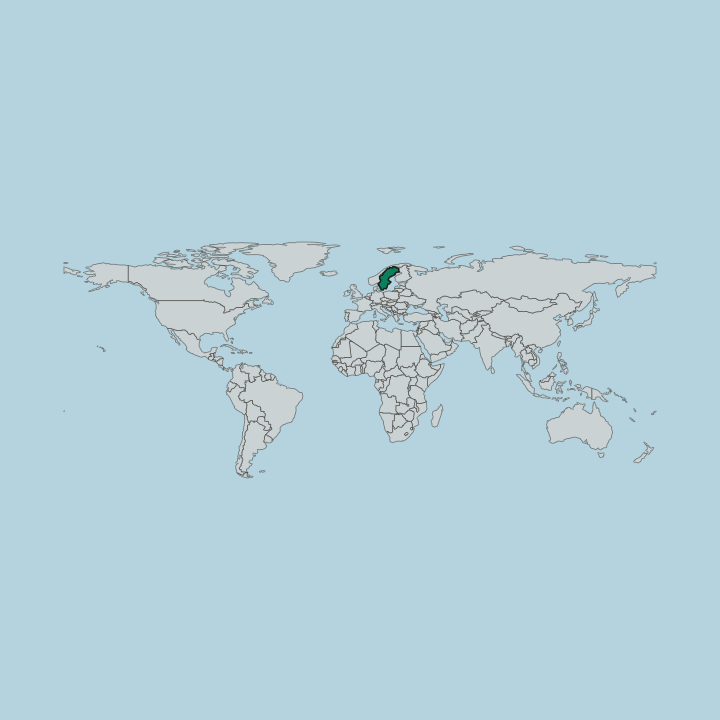
Jokkmokk is a municipality in Norrbotten County, north-eastern Sweden, a centre of Sami life and an old market town near the Arctic Circle.
Hotel links are affiliate links: booking through them may earn us a commission, at no extra cost to you. It never affects how places are ranked. How this works


Where to stay in Jokkmokk
Where visitors usually base themselves, and why.
In Jokkmokk, the right base depends on the season. Most of the year, the centre by Talvatissjön holds enough rooms, a couple of hotels, a hostel and cabins within walking distance of the Ájtte museum and the churches. It suits anyone here for the museum, the Sami institutions or a base for the mountains.
During the February market the town fills completely. Beds are booked a year ahead, and many visitors lodge in private homes or commute in from villages down the valley. For the wilderness, the road runs west to Kvikkjokk.
This small mountain village sits at the edge of the forest below the peaks of Sarek, with a fjällstation and a few cabins at the end of the line. It suits hikers and skiers heading onto the Kungsleden trail or into Laponia, the kind of traveller who wants the trailhead at the door. Beds are few, so plan early.
Between the two, scattered villages such as Vuollerim offer the odd guesthouse along the river. The simplest plan holds. Base in Jokkmokk for culture and comfort, and push on to Kvikkjokk only when the mountains are the point.
Find hotels in Jokkmokk
Direct booking searches for these neighbourhoods.
Central Jokkmokk
hotels and cabins by Talvatissjön near the Ájtte museum; books out far ahead for the February marketFind hotels in Central Jokkmokkhikers heading into Laponia and onto the KungsledenKvikkjokk
remote mountain village with a fjällstation below Sarek; very few beds. Lodging is scarce in this area; reserve in advance.Find hotels in KvikkjokkHotel links are affiliate links: booking through them may earn us a commission, at no extra cost to you. It never affects how places are ranked. How this works
About Jokkmokk
The winter market made its name.
What is Jokkmokk known for?
Held each winter since the early seventeenth century, the Jokkmokks marknad gathers Sami people, traders and visitors onto frozen streets for days of trade, music and reindeer in the heart of the dark season. The town has long been a hub of Sami culture and reindeer husbandry, with a Sami museum, a Sami school and the institutions of a living language. West of it spreads Laponia, a World Heritage wilderness of mountains, marsh and old-growth forest.
What are the main landmarks in Jokkmokk?
Ájtte is the place to begin. The Swedish Mountain and Sami Museum lays out the culture of the north, reindeer herding, the eight Sami seasons, the duodji crafts and the land they belong to. A short way off, Jokkmokks gamla kyrka, a red wooden church rebuilt to its old form, recalls the parish founded alongside the early market, while the newer church serves the present parish.
The lake of Talvatissjön edges the southern side of the centre. Beyond the last streets, the national parks of Laponia, Sarek above all, open into one of Europe's last great roadless wildernesses.
What is the history of Jokkmokk?
Jokkmokk began as a Sami place, its name a Lule Sami word for the river's curve, on ground used for herding and trade long before any town. Around 1605 the Swedish Crown fixed a market and a church here, partly to tax the Sami, partly to convert them, and partly to draw the northern trade to a controlled point. The winter market dates from then.
For centuries the town lived at the meeting of two worlds. Sami herders brought reindeer, hides and handwork to trade; the church and the state pressed their language and faith from the other side, and the annual market became the fixed point where both came together in the snow. Schools and missions followed, some of them harsh, and the long history of that contact still marks the town.
In time Jokkmokk grew into the centre of Sami learning and memory it remains. The museum, the language work and the education college gather here, and the surrounding land, reindeer ground for generation upon generation, became the protected wilderness of Laponia. The market still fills the streets each winter, older than almost anything else in the north.
Where is Jokkmokk?
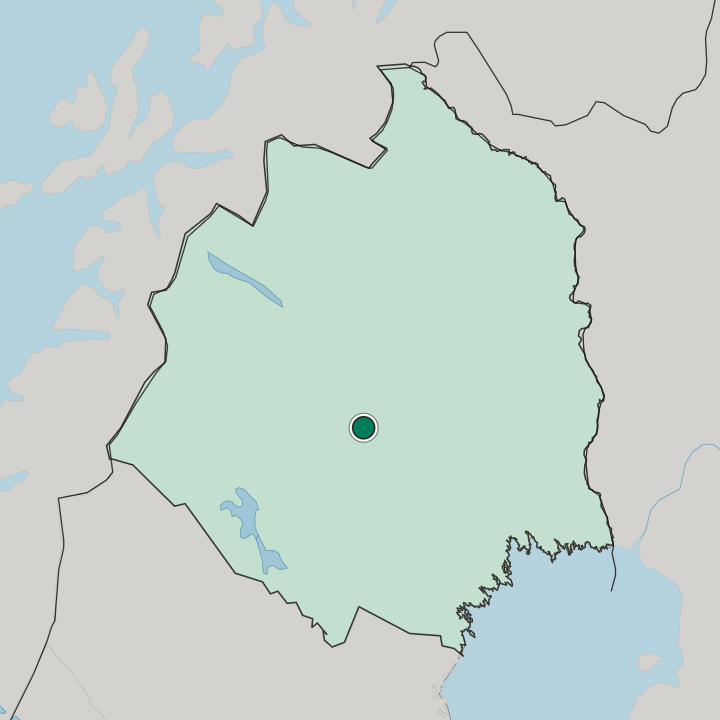
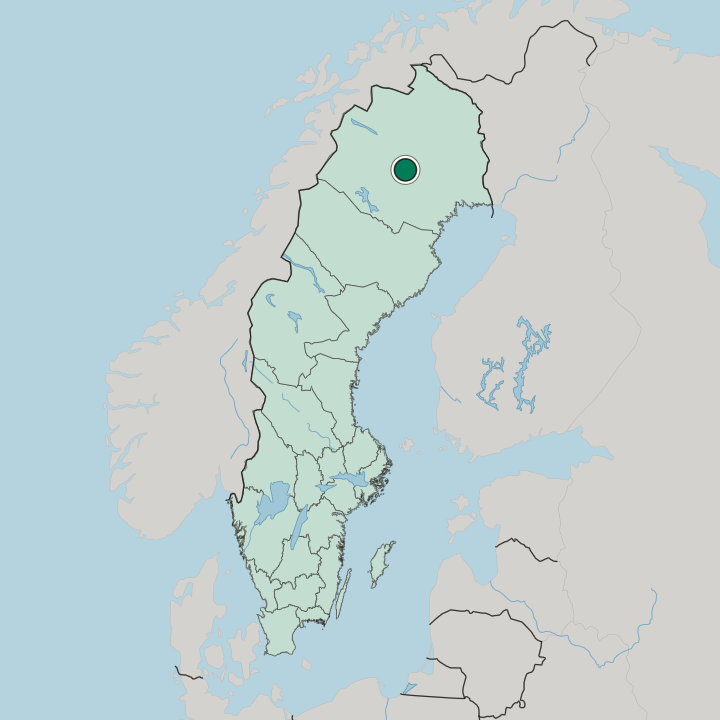
Jokkmokk lies in the southern part of Norrbotten County, just north of the Arctic Circle, in the wide interior of Swedish Lapland. The little Lule River winds past the town, the curve that gave the place its name, and Talvatissjön rests at its southern edge. The municipality is vast and nearly empty.
It runs west from forest and lake country, up through birch and bare fell, to the glaciated peaks of Sarek and the Norwegian border, taking in some of the largest unbroken wild land left in Europe. Few roads cross it.
What is the climate of Jokkmokk?
Jokkmokk has a subarctic climate, sharpened by its position in the interior and just north of the Arctic Circle. Winters are long and severe, with deep snow, hard continental cold and a midwinter when the sun barely rises, the dark, clear nights that bring the aurora. Then the year flips.
Summer is brief but luminous, with the midnight sun keeping the sky light around the clock and the fells turning green almost overnight. Snow can fall in any season on the high ground.
How do you get to Jokkmokk?
For most visitors, the way into Jokkmokk is the highway. The E45, the great inland highway, runs through the town on its way the length of Sweden, and route 97 links east to Boden and the coast while a mountain road climbs west to Kvikkjokk. In summer the Inlandsbanan calls here, a slow heritage railway threading the interior.
There is no everyday passenger train. The nearest airports lie at Gällivare and Luleå, each a drive away, and from either the road runs in across the forest.
Common questions
What is the best area to stay in Jokkmokk?
Central Jokkmokk: market-goers, museums and a Laponia base. Kvikkjokk: hikers heading into Laponia and onto the Kungsleden.
Good for
More cities in Norrbotten County
Updated September 2026