Sweden · Norrbotten County
Where to Stay in Haparanda, Norrbotten County
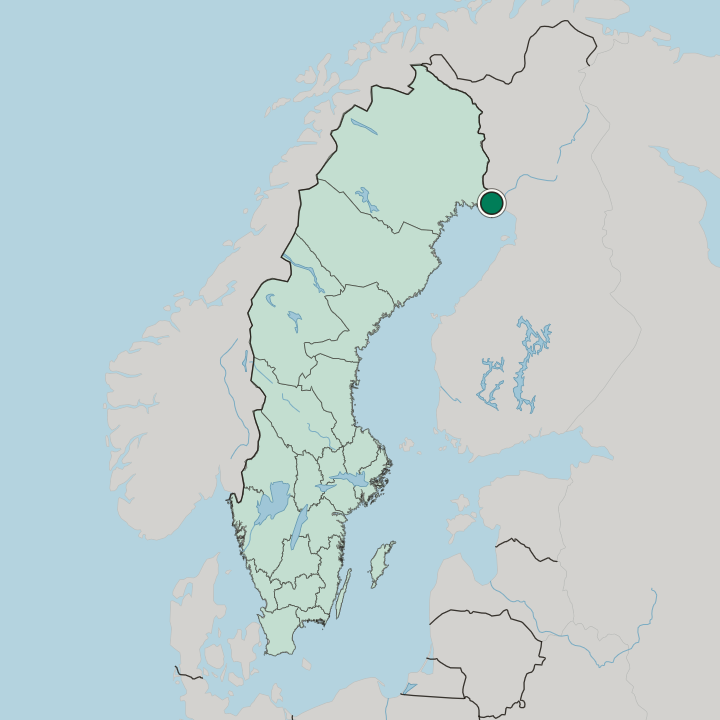
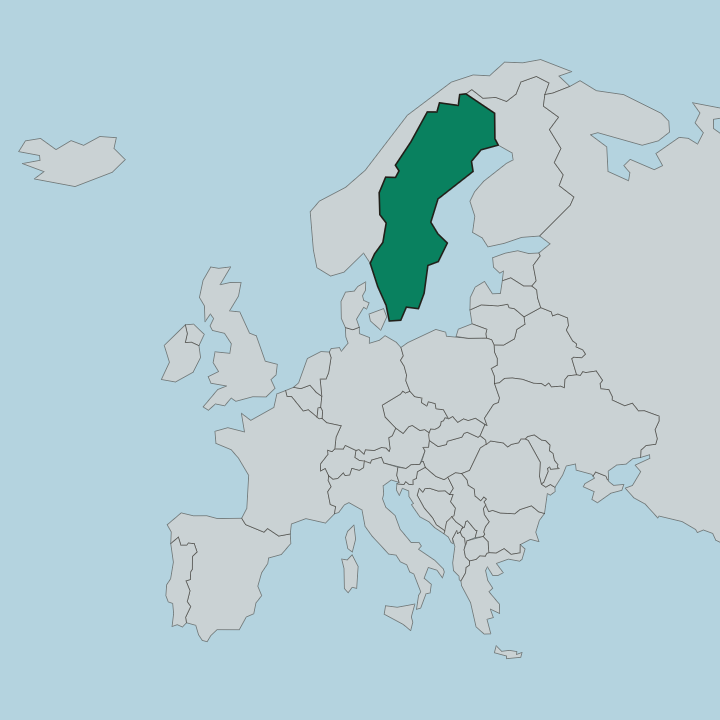
Haparanda is a municipality in Norrbotten County at Sweden's easternmost point, a border town on the Torne River facing Finnish Tornio across the water.
Hotel links are affiliate links: booking through them may earn us a commission, at no extra cost to you. It never affects how places are ranked. How this works


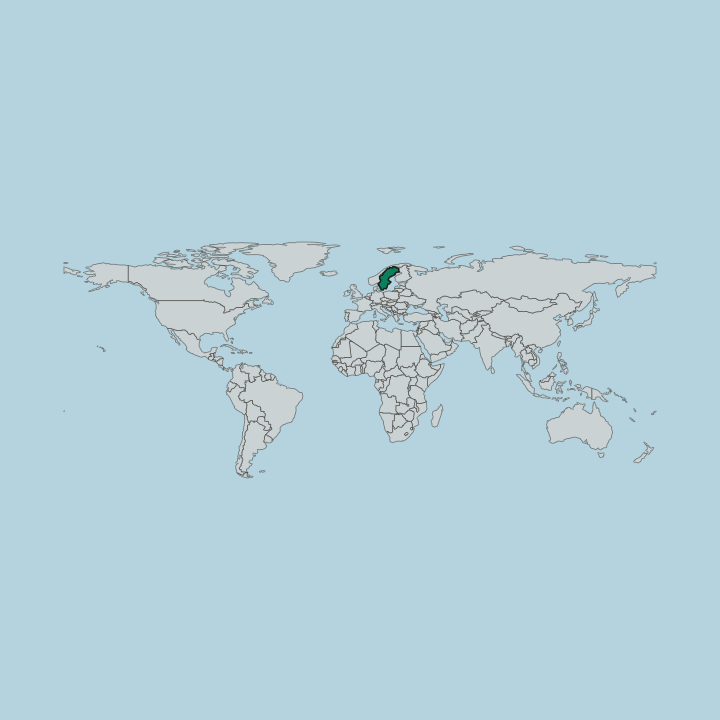
Where to stay in Haparanda
Where the beds are, and what that means for the visit.
Haparanda concentrates its lodging in the town centre by the border, where hotels sit within walking distance of the bridge to Tornio and the shared square. Stay here for the simplest base. The centre suits travellers crossing between the two countries, shopping the border trade, or pausing on the long coastal drive north and east.
Down the coast the village of Nikkala and the island of Seskarö add quieter rooms and cabins close to the sea, a calmer alternative for those who would rather wake by the water than the border. Offshore lies the Haparanda archipelago and its national park, including the remote sands of Sandskär, reached only by boat and without hotels of its own. Travellers wanting an island night sleep in cabins or camp and bring supplies.
For everything else, services, transport, and a choice of beds, the twin-town centre stays the practical place to stay, with Finland a short walk across the river.
Find hotels in Haparanda
Direct booking searches for these neighbourhoods.
Haparanda centrum
hotels by the bridge and the shared square with TornioFind hotels in Haparanda centrumquiet coastal cabinsSeskarö
an island village down the coastFind hotels in Seskaröremote island campingSandskär
national-park sands reached only by boat. Few places to stay nearby — book ahead.Find hotels in SandskärHotel links are affiliate links: booking through them may earn us a commission, at no extra cost to you. It never affects how places are ranked. How this works
About Haparanda
Haparanda is defined by a line on the river.
What is Haparanda known for?
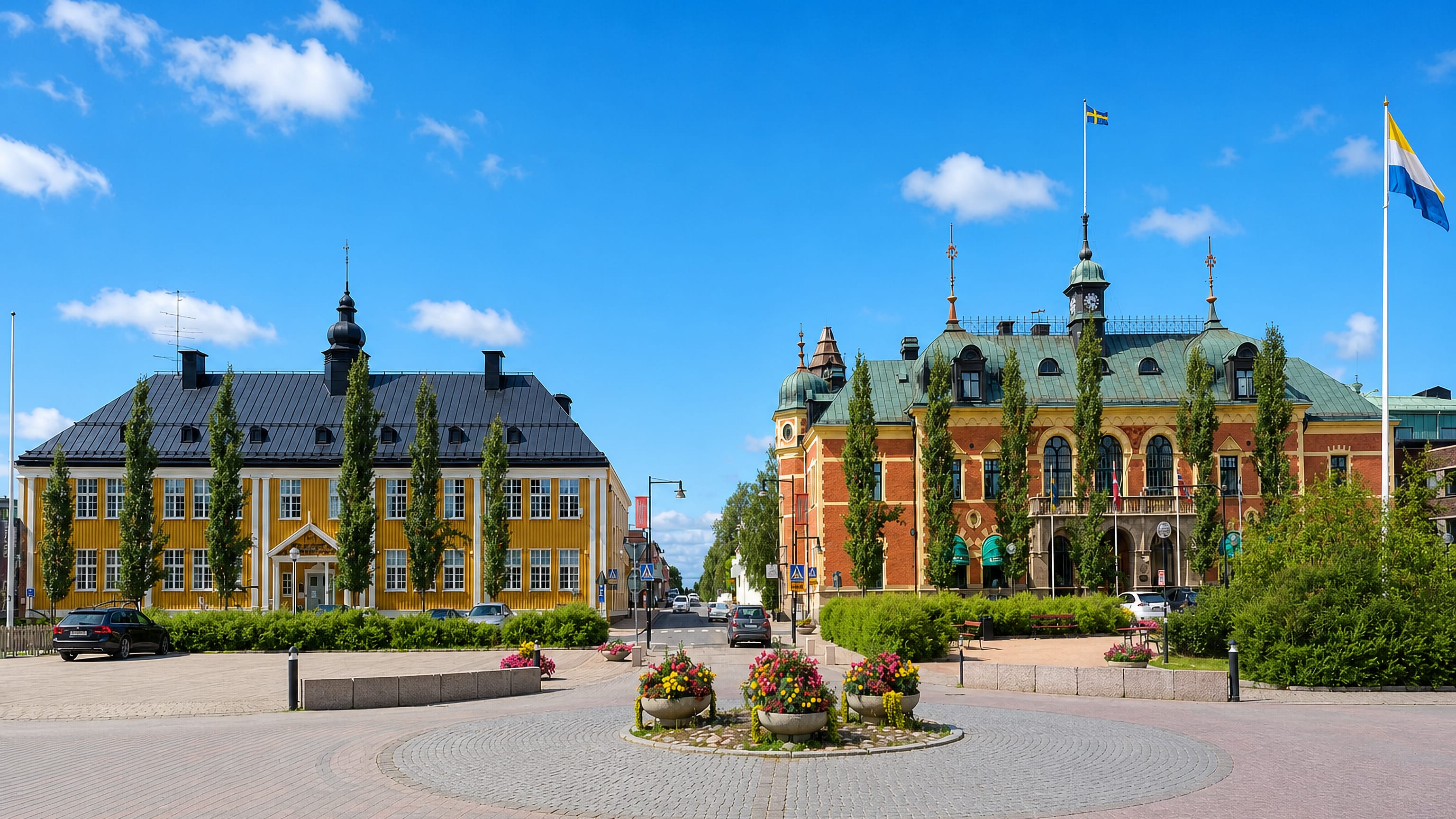
It and the Finnish town of Tornio sit on opposite banks of the Torne, so close that the two function almost as one cross-border city, with a shared central square straddling the frontier. The Swedish town grew up precisely because of that border, founded as a trading post after the old market town across the water was lost to another country. Two nations meet in its streets.
What are the main landmarks in Haparanda?
Haparanda's most striking building is its 20th-century church, a stark concrete Haparanda kyrka unlike any older northern parish house. Nearby, the Haparanda gamla kyrka and the Nedertorneå kyrka keep the borderland's earlier faith, the latter a reminder of the lost market town across the river. The town gathers its art and past in the Aines konstmuseum and the Tornedalens museum.
Two countries, one valley. The collections tell that shared story.
What is the history of Haparanda?
Haparanda owes its existence to a border drawn in war. When Sweden lost Finland and its eastern lands in the early 19th century, the established market town of Tornio fell on the far side of the new frontier, and Sweden was left without a trading seat at the head of the gulf. So a new town was laid out on the Swedish bank, chartered in the 19th century to take Tornio's place.
It grew slowly along the river, a customs and trading point where two states met. The border gave Haparanda an outsized role in hard times. As a neutral crossing during the world wars, the town became a conduit for travellers, goods, and even prisoner exchanges between east and west when other routes closed.
In peace it has lived on cross-border trade, the two towns drawing shoppers each way across the river and, in time, planning together as a single twin city. Haparanda remains small. Its whole history is the history of a frontier, a town invented to stand where one country ends and another begins.
Where is Haparanda?
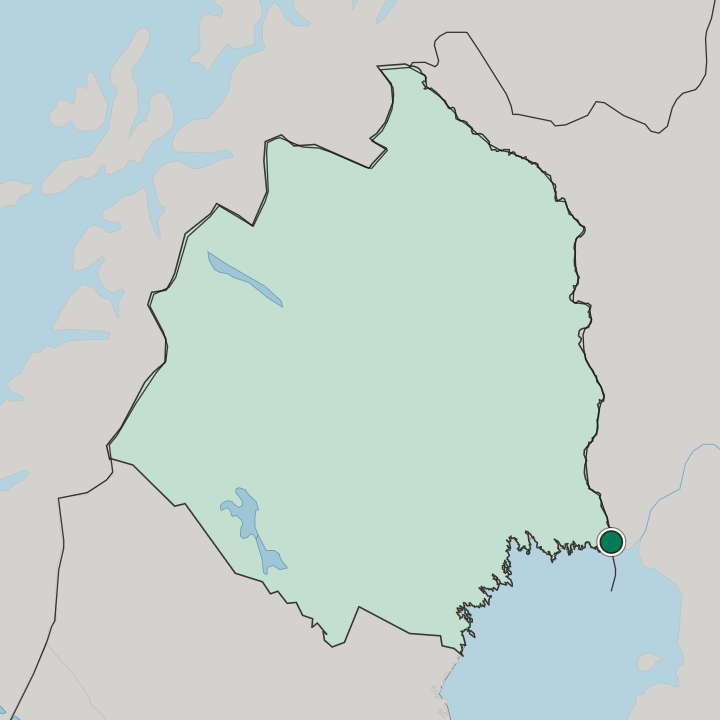
Haparanda lies in the south-eastern part of Norrbotten County, at the head of the Bay of Bothnia and Sweden's easternmost point, where the Torne River reaches the sea and forms the border with Finland. The land is low and flat, the river broad and braided near its mouth, with a scatter of islands offshore in the Haparanda archipelago. Finland begins at the far bank.
Tornio stands directly across, the two towns almost touching over the water.
What is the climate of Haparanda?
Haparanda has a subarctic climate at the very top of the Gulf of Bothnia, where the enclosed sea does little to soften the cold. Winters are long, dark, and severe, with the gulf freezing hard and snow covering the flat coast for months on end. The freeze is deep here.
Summers are short and mild, lit by very long days and the near-endless light of midsummer, the river and sea taking the edge off the warmth before autumn returns the cold. The seasons swing sharply.
How do you get to Haparanda?
Haparanda stands at the end of the Swedish coast road, where the E4 finishes its long run north and meets the Finnish road network across the river to Tornio. Buses follow the coast from Luleå and Kalix. The Haparanda railway reaches the town, carrying mainly freight, while the nearest airports are at Luleå on the Swedish side and across the border in Finland.
Many visitors simply walk across the border. By road, it is the corner of the country.
Common questions
What is the best area to stay in Haparanda?
Haparanda centrum: cross-border trips and shopping. Seskarö: quiet coastal cabins. Sandskär: remote island camping.
Good for
More cities in Norrbotten County
Updated September 2026