Sweden · Norrbotten County
Where to Stay in Älvsbyn, Norrbotten County
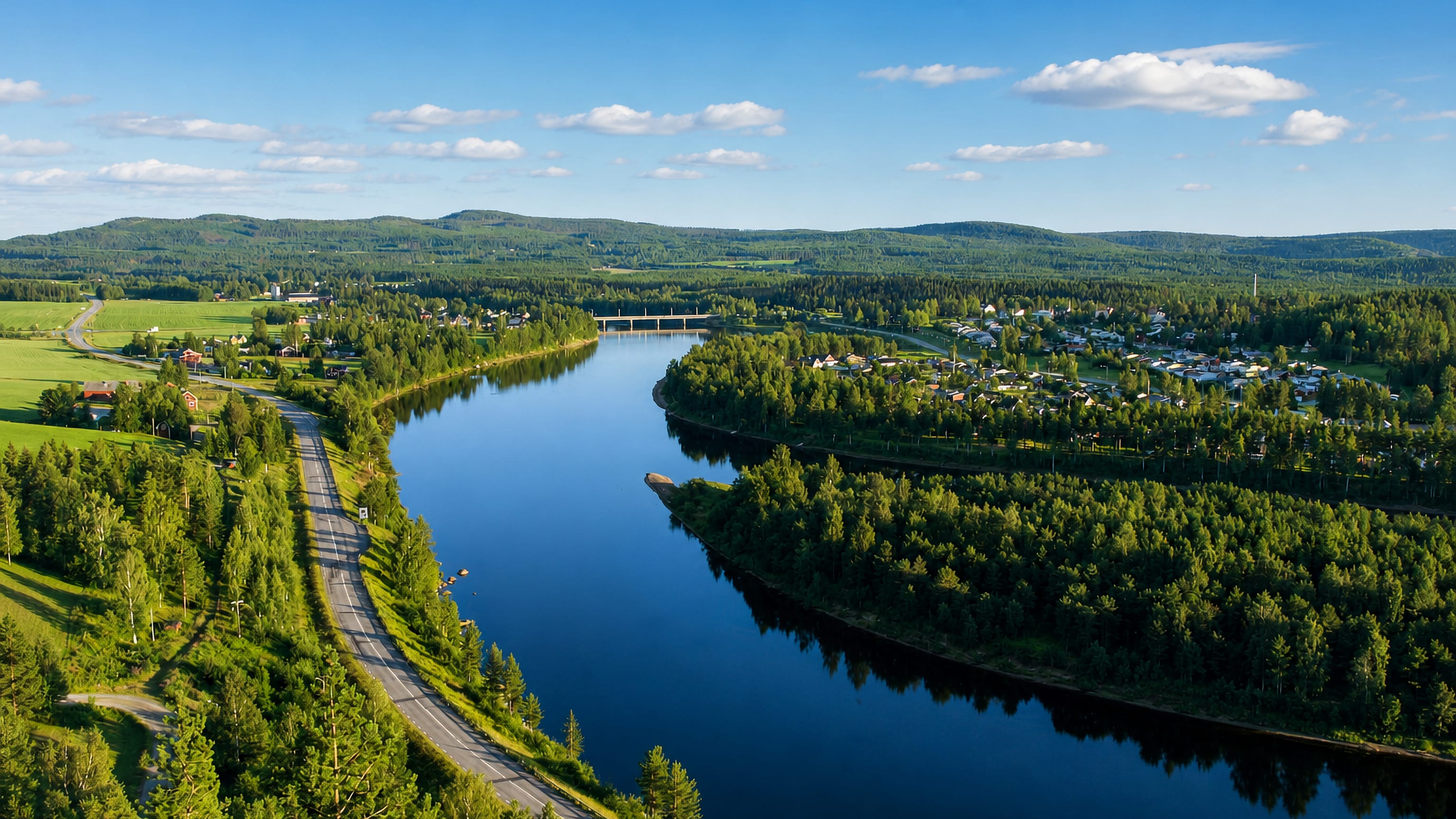
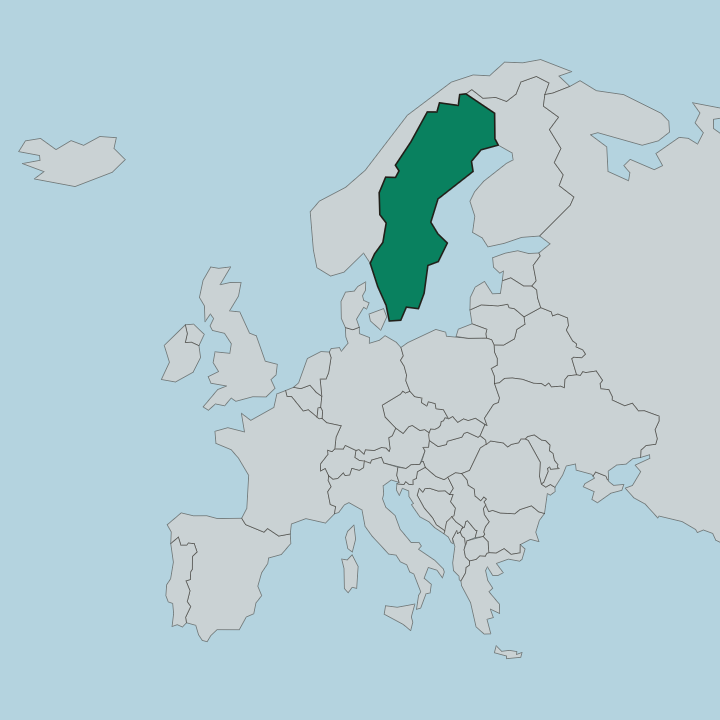
Älvsbyn is a municipality in Norrbotten County, north-eastern Sweden, nicknamed the Pearl of Norrbotten, where forest and the Pite River set the tone.
Hotel links are affiliate links: booking through them may earn us a commission, at no extra cost to you. It never affects how places are ranked. How this works


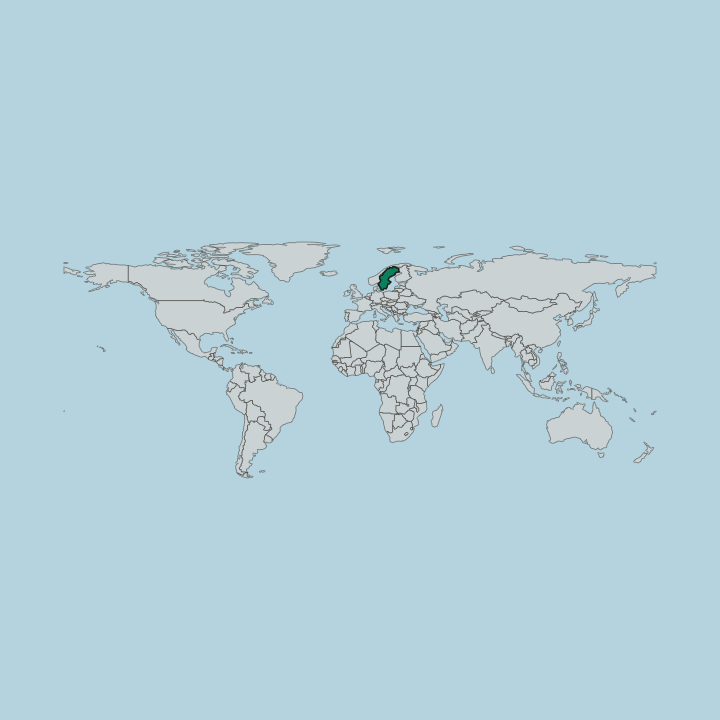
Where to stay in Älvsbyn
Where the beds are, and what that means for the visit.
Älvsbyn keeps things simple. Most beds sit in the small centre, near the station and Älvsby kyrka, an easy base for anyone breaking a rail journey or heading out to the rapids by day. The town is walkable end to end.
Rooms here are practical, geared to passing travellers and to people in for work. Out at the falls, a riverside hotel and a cluster of cabins stand close to Storforsen, where the reserve and its boardwalks begin. This suits travellers who want the rapids on the doorstep, the roar of the water at dawn, trails into the forest, the long northern evenings over the river.
Book ahead in the bright months, when the falls are busiest. Beyond these, accommodation thins into scattered village guesthouses and self-catering cabins along the valley. For most visitors the choice comes down to two ideas.
Stay central for the trains and the town, or stay by Storforsen for the water and the woods. Distances between them are short by northern standards, and a car bridges the gap with ease.
Find hotels in Älvsbyn
Direct booking searches for these neighbourhoods.
Central Älvsbyn
walkable centre by the station and Älvsby kyrkaFind hotels in Central Älvsbynnature and waterfall visitorsStorforsen
riverside hotel and cabins beside the rapids and the nature reserveFind hotels in StorforsenHotel links are affiliate links: booking through them may earn us a commission, at no extra cost to you. It never affects how places are ranked. How this works
About Älvsbyn
The river is the draw.
What is Älvsbyn known for?
A short way up the Pite River, the water tips over Storforsen, a long stair of rapids that drops through bare rock, among the largest stretches of unregulated whitewater in Europe. Below the falls the valley settles into forest, farmland and the small grid of the town. Älvsbyn has long lived by timber and the railway that hauls it, and the rapids pull walkers out to the riverside reserve through the light months. The nickname was earned here.
What are the main landmarks in Älvsbyn?
One landmark towers over the rest. Storforsen is a national draw, a long rush of rapids and a nature reserve laced with boardwalks, where an old dry channel called the Döda Fallet marks where the river once ran before the floods cut a new path. Beside it, a small forestry museum recalls the log-driving crews who once steered timber down these waters.
In the town, Älvsby kyrka holds the centre with its bell tower and churchyard. The contrast frames the place, wild water on one side, a quiet parish on the other.
What is the history of Älvsbyn?
People settled this stretch of the Pite valley for its land and its water. Farms took hold on the river terraces, and the parish around Älvsby kyrka grew slowly through the centuries on a mix of farming, fishing and the forest at its back. The river was both road and livelihood.
Timber changed the pace. As the great northern forests were opened to the saw, the Pite River became a highway for floating logs down to the coast, and Storforsen, too violent to drive timber through, forced the crews to build channels and chutes around it. When the main line of the railway reached Älvsbyn toward the end of the nineteenth century, the village gained a station, a sorting yard and a reason to grow into a proper town.
Sawmills, workshops and the rail trade drew families in from the countryside. The forest still sets the rhythm. Älvsbyn lives by timber, by the line that carries it and by the steady draw of the rapids, and the old nickname, the Pearl of Norrbotten, has stuck to it. Much of the municipality remains forest and water, thinly settled, quiet for long stretches between the villages.
Where is Älvsbyn?
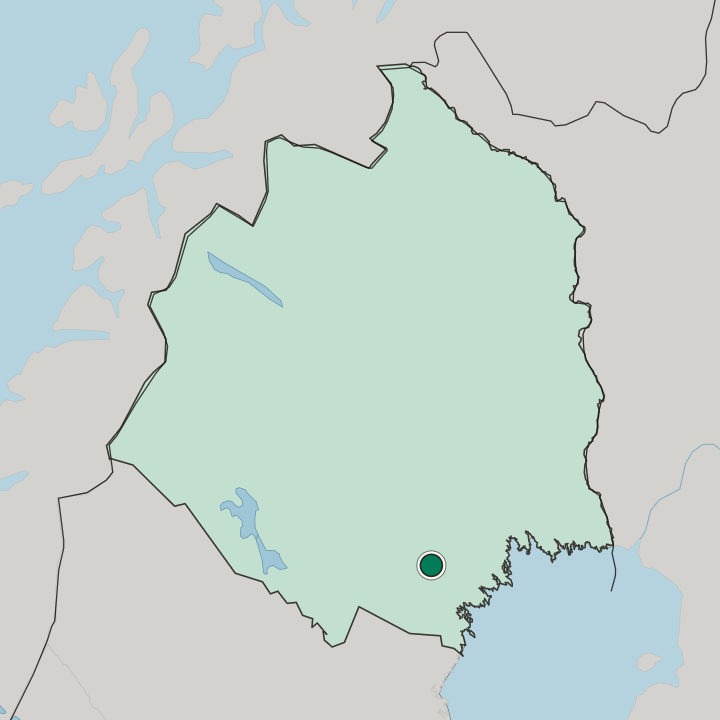
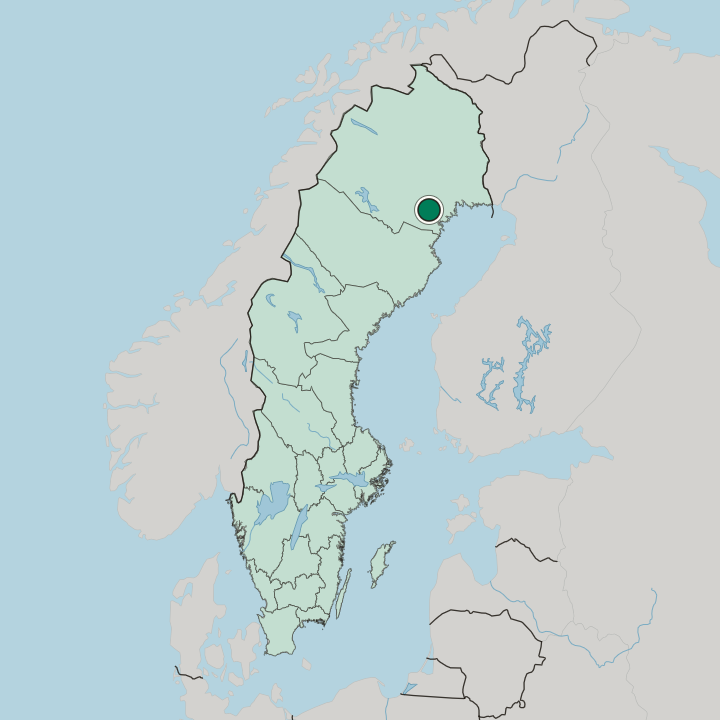
Älvsbyn lies in the south-eastern part of Norrbotten County, inland from the Gulf of Bothnia and south of the Arctic Circle. The town stands where the Pite River runs broad through a valley of forest and low farmland, with the rapids of Storforsen upstream and the coast a good way downstream to the south-east. Forest covers most of the municipality.
Lakes, bogs and the winding river fill the rest, and the land rises gently westward toward the interior, far short of the high mountains that mark the county's western edge. It is river country, shaped by water.
What is the climate of Älvsbyn?
Älvsbyn has a subarctic climate, with long, snowbound winters and short, intense summers. Cold settles in early and stays, freezing the river and packing the forest with snow that lasts well into spring. Summers are short.
They bring warm days, light that stretches deep into the night, and the brief green rush that follows the thaw, the season when the rapids run fullest with meltwater. Autumn turns fast toward frost.
How do you get to Älvsbyn?
Älvsbyn sits on the main railway up through northern Sweden, so the long-distance trains between the south and the far north call at its station, the night trains among them. Everything else comes in by road. Route 94 runs west from here toward Arvidsjaur and the mountains, while route 374 drops south-east toward the coast and the E4.
The nearest airport lies at Luleå, within reach by road. From the platform, the centre is a short walk.
Common questions
What is the best area to stay in Älvsbyn?
Central Älvsbyn: rail travellers and short stops. Storforsen: nature and waterfall visitors.
Good for
More cities in Norrbotten County
Updated September 2026