Sweden · Norrbotten County
Where to Stay in Kiruna, Norrbotten County
Kiruna is a municipality in Norrbotten County and Sweden's northernmost city, an iron-mining town high above the Arctic Circle in Lapland.
Hotel links are affiliate links: booking through them may earn us a commission, at no extra cost to you. It never affects how places are ranked. How this works


Where to stay in Kiruna
Where the beds are, and what that means for the visit.
Kiruna's hotels cluster in the town centre, though the centre itself is shifting east as the mine undermines the old grid. Book a central room for the easiest base, close to the church, the museums, and transport, and within reach of mine tours. It suits travellers using the city as a hub before heading out to the fells or the northern lights.
A short way east at Jukkasjärvi, the village on the Torne River draws winter visitors to its ice lodging and dog-sledding, a destination in its own right. Further up the mountain railway, Abisko, Björkliden, and Riksgränsen offer mountain lodges and ski stations beside the national park, prime ground for hiking, skiing, and aurora-watching under famously clear skies. Beds in these mountain spots are limited and seasonal, filling fast in winter, so travellers without a booking are wiser to base in Kiruna town and ride the train out for the day.
Distances are large up here. Plan the nights before you arrive.
Find hotels in Kiruna
Direct booking searches for these neighbourhoods.
Kiruna centrum
central rooms near the church, museums and transportFind hotels in Kiruna centrumice lodging and dog-sleddingJukkasjärvi
a Torne River village that is a destination itselfFind hotels in Jukkasjärvihiking and aurora under clear skiesAbisko
a mountain lodge beside the national park. Few places to stay nearby — book ahead.Find hotels in Abiskolate-season skiingRiksgränsen
a railway ski station on the Norwegian border. Lodging is scarce in this area; reserve in advance.Find hotels in RiksgränsenHotel links are affiliate links: booking through them may earn us a commission, at no extra cost to you. It never affects how places are ranked. How this works
Things to do in Kiruna
Ranked by global recognition; descriptions from Wikidata (CC0).
Museums & Galleries
2- Kin Museum of Contemporary Art
- LKAB:s besöksgruva working life museum
Churches & Religious Sites
2- Kiruna Church Heritage Swedish church building
- Tuolluvaara Church Heritage
Stadiums & Sports
1- Matojärvi ishall indoor ice hockey rink
worth knowingacross 3 categories in Kiruna
About Kiruna
Kiruna exists because of iron.
What is Kiruna known for?
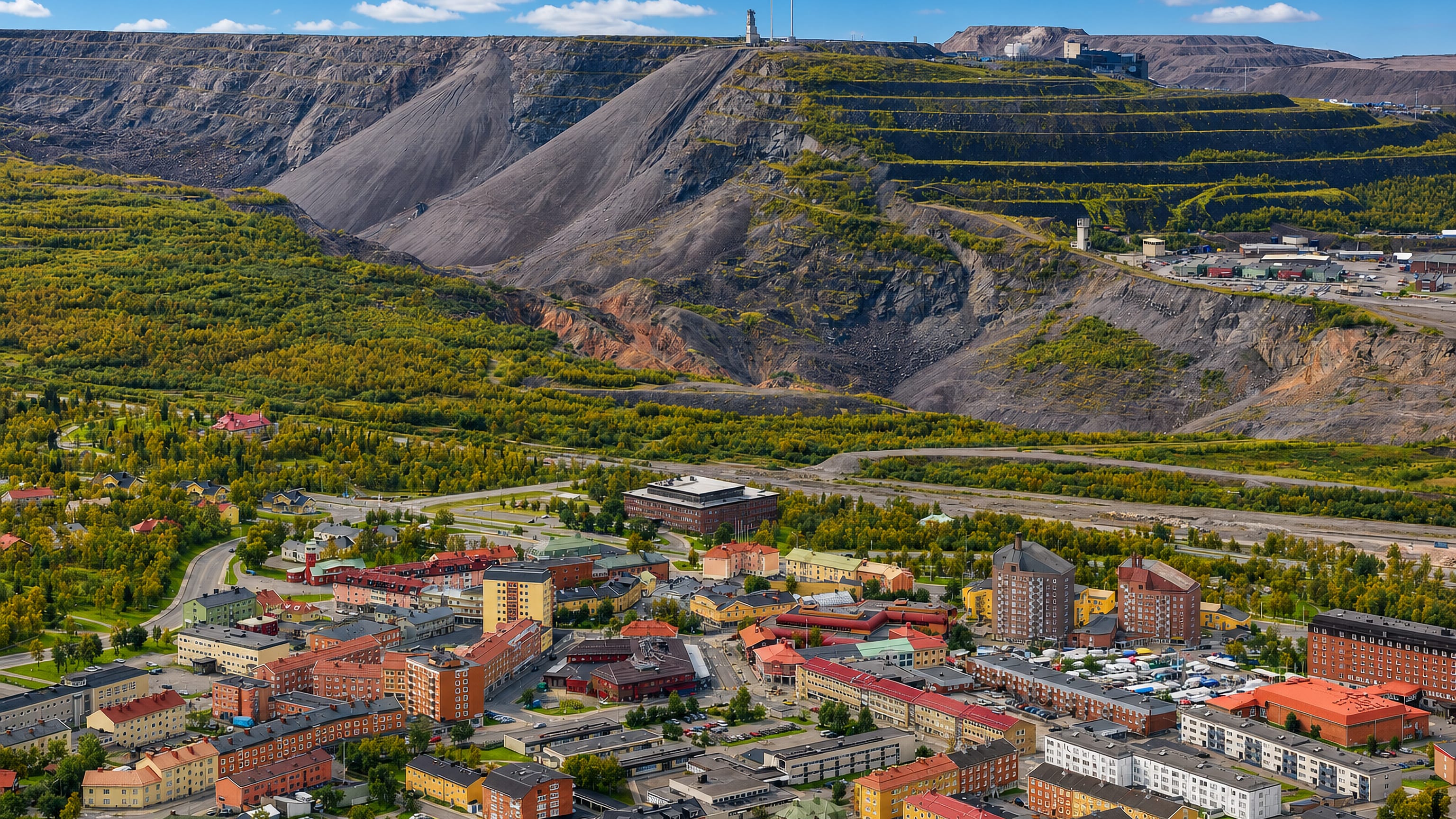
The mine in the mountain of Kiirunavaara is among the largest underground iron-ore operations on earth, and digging beneath the city has forced an extraordinary response: the town is being moved, building by building, to firmer ground east of the old centre. Beyond the mine, Kiruna is the base for Sweden's high mountains, for Sami reindeer-herding country, and for a wooden parish church long admired as one of the nation's finest. The fells begin at its edge.
What are the main landmarks in Kiruna?
The Kiruna kyrka is the city's pride, a broad dark-timber church shaped like a Sami hut and long voted among Sweden's most admired buildings, itself now being relocated whole as the town moves. Above everything looms Kiirunavaara, the ore mountain, its terraces and headframes the reason the city exists. For art there is the Kin museum för samtidskonst, and older Tuolluvaara keeps its own small church.
The mine sets the skyline. Everything else gathers beneath it.
What is the history of Kiruna?
Kiruna grew from iron. The settlement took shape around 1900, when mining of the ore body inside Kiirunavaara mountain drew workers north into Lapland. Hjalmar Lundbohm, the first managing director of LKAB, shaped the early town as a planned community rather than a rough mining camp, commissioning housing and the timber Kiruna Church that still anchors local life.
The Malmbanan railway, threaded across the fells to the Norwegian port of Narvik, carried the ore that gave the place its reason to exist. The name comes from the Northern Sámi word Giron, meaning ptarmigan. Long before the mine, this was Sápmi.
Sámi communities herded reindeer across the tundra, and that herding continues beside the industrial town. Kebnekaise, the highest mountain in Sweden, rises to the west, while Abisko and the waters of Torneträsk lie along the railway toward Norway. Then the ground began to shift.
Decades of underground extraction at Kiirunavaara have fractured the bedrock beneath the original centre, forcing a rare wholesale move of the town: the heart of Kiruna is shifting a few kilometres east, building by building, with the old church among the structures hauled intact to new ground. Around the town, the Esrange Space Center sends research rockets and balloons into the Arctic sky. Through the long polar night, the aurora burns overhead.
Where is Kiruna?
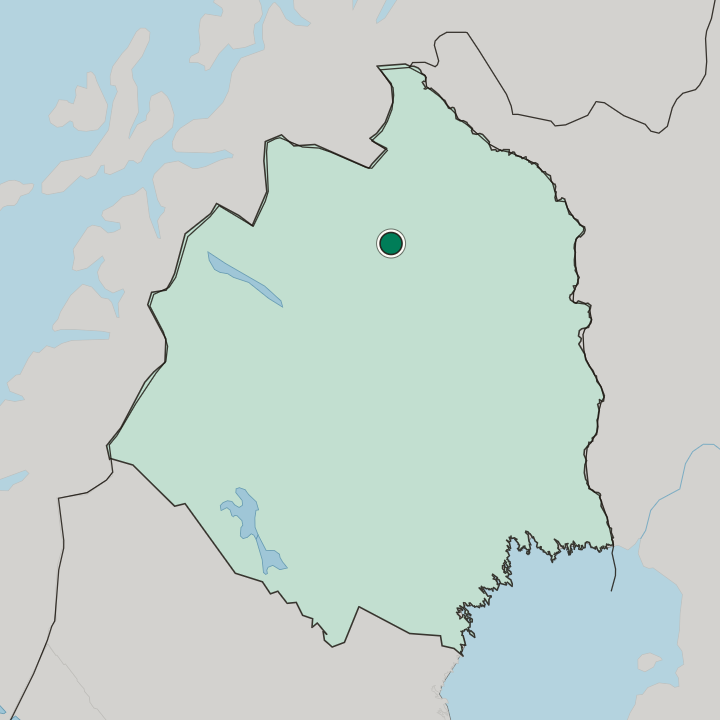
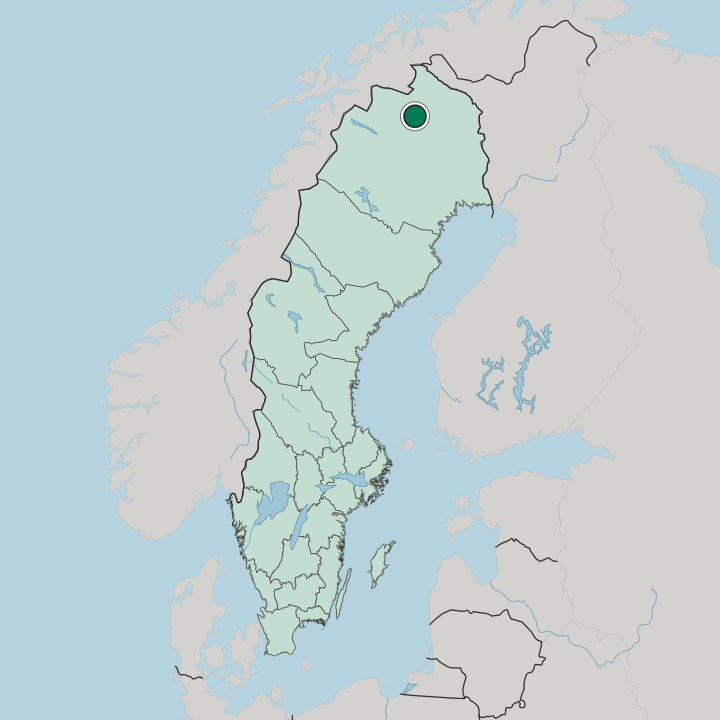
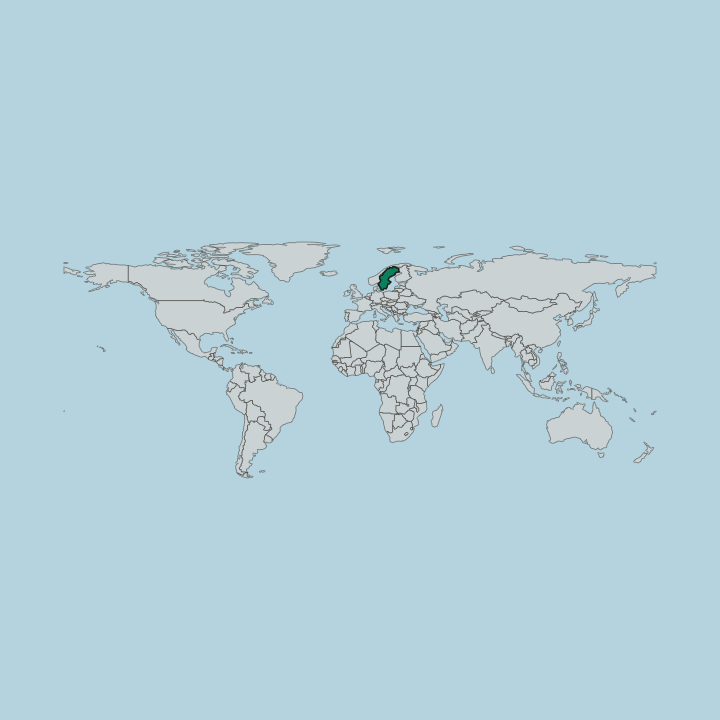
Kiruna lies in the northern part of Norrbotten County, far inland and well above the Arctic Circle, on a high plateau between two ore mountains. This is Sweden's mountain north: fells, wide lakes, and birch forest giving way to bare tundra, with Kebnekaise, the country's highest peak, rising to the west. The city sits among low hills near the lake of Luossajärvi, with the mine on its doorstep.
Winters here are polar dark. Summers hold the midnight sun for weeks.
What is the climate of Kiruna?
Kiruna has a subarctic climate at the cold extreme of inhabited Sweden, shading toward tundra on the surrounding fells. Winters are very long, very dark, and bitterly cold, with the sun gone below the horizon for weeks of polar night and snow on the ground far into spring. The cold defines the year.
Summers are brief and cool, lit around the clock by a midnight sun that never sets for a long stretch, coaxing a fast green flush from the tundra before frost returns. Snow can fall in any month.
How do you get to Kiruna?
Most travellers arrive in Kiruna by air. Kiruna flygplats lies a short way east of the town, with daily connections down to Stockholm Arlanda and the national air network. The railway matters more here: Malmbanan, the Iron Ore Line, runs west over the fells to Narvik on the Norwegian coast and south through Luleå toward the rest of Sweden, and the overnight train from the south is the classic slow approach.
By road, European route E10 carries traffic up from the Bothnian coast and on to the border. As the mine swallows the old grid, the station and centre are shifting east, so check the timetables before you travel.
Common questions
What is the best area to stay in Kiruna?
Kiruna centrum: a city hub and mine tours. Jukkasjärvi: ice lodging and dog-sledding. Abisko: hiking and aurora under clear skies. Riksgränsen: late-season skiing.
Good for
More cities in Norrbotten County
Updated October 2026