Sweden · Stockholm County
Where to Stay in Ekerö, Stockholm County
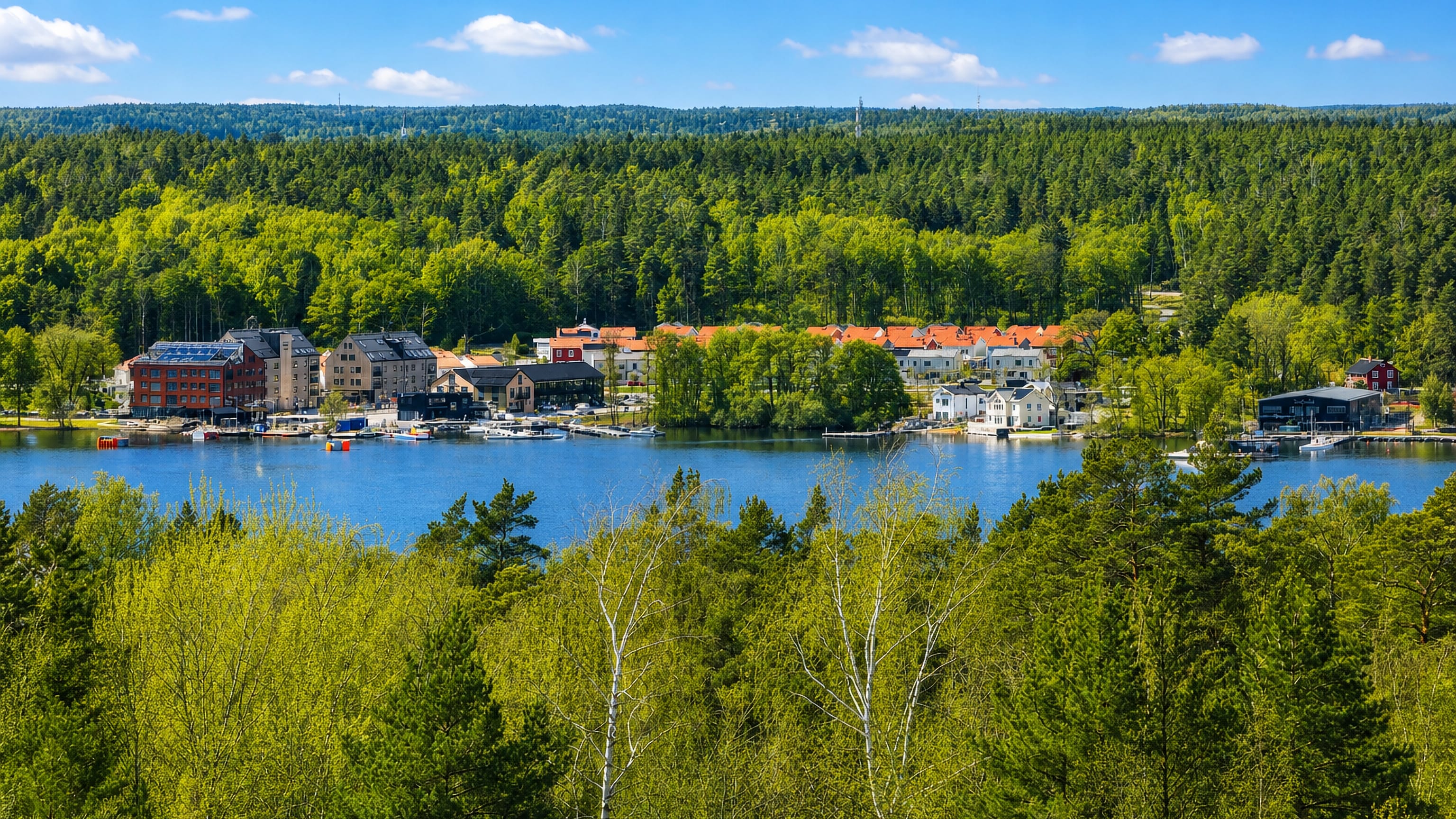
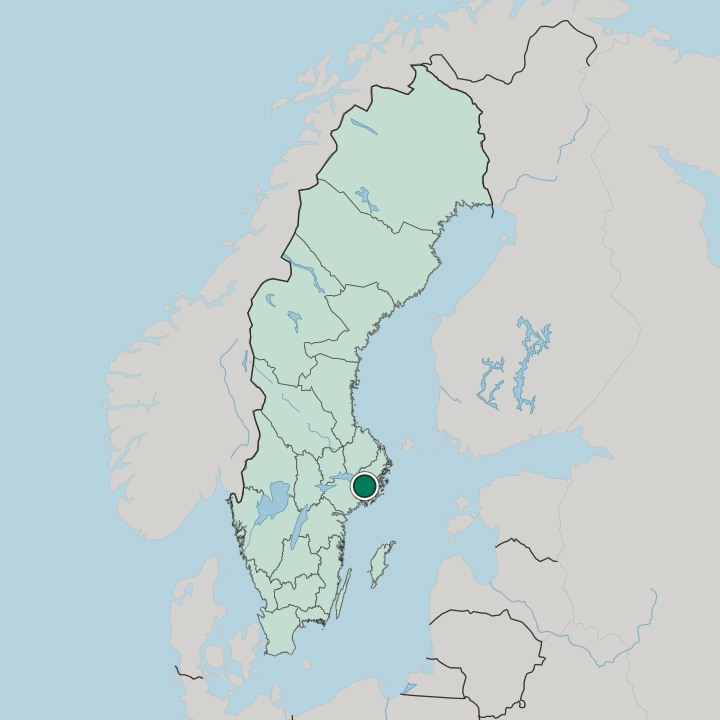
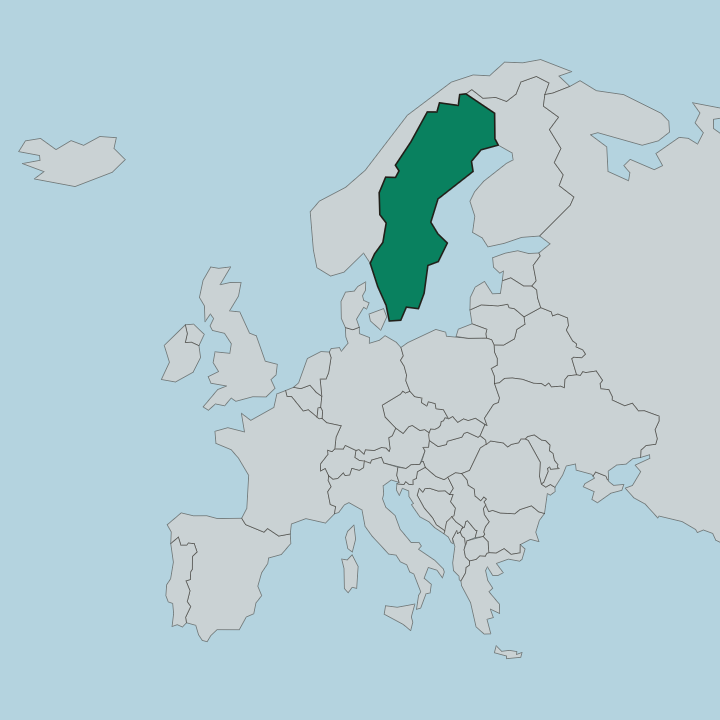
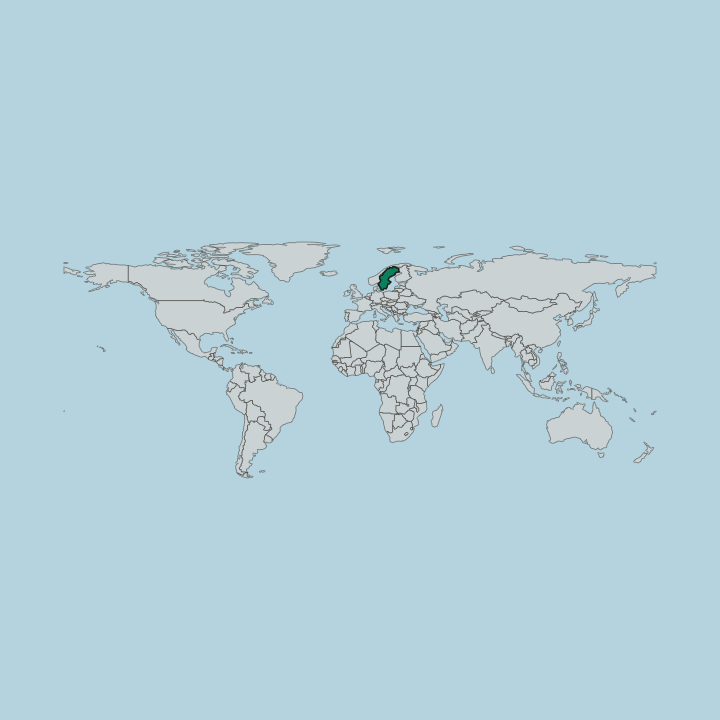
Ekerö is a town in the western part of Stockholm County, in eastern Sweden, the seat of an island municipality on Lake Mälaren.
Hotel links are affiliate links: booking through them may earn us a commission, at no extra cost to you. It never affects how places are ranked. How this works


Where to stay in Ekerö
Where visitors usually base themselves, and why.
Most beds sit near the town centre on the main island, within easy reach of the ferries, the bridge road in from Stockholm, and the shore of Lake Mälaren. The centre suits travellers who want a quiet island base and an easy run to the capital and the palaces. Hotel rooms are few.
Out across the islands, holiday cabins, farm stays, and self-catering houses open through the warmer months for the families, cyclists, and boaters who come for the water, the manor parks, and the Viking sites, and these fill quickly across the high weeks of summer when day-trippers crowd the ferries to Drottningholm and Birka. The outer islands and the shore hold further cottages among the fields and woods. Reserve the island cabins early for high summer.
Central Stockholm lies a short way to the east, and many visitors choose its wide range of hotels and cross to Ekerö by road or boat.
Find hotels in Ekerö
Direct booking searches for these neighbourhoods.
Town centre
beds near the ferries and the bridge road. Lodging is scarce in this area; reserve in advance.Find hotels in Town centresummer families and boatersAcross the islands
cabins and farm stays by the water and the manor parks. Few places to stay nearby — book ahead.Find hotels in Across the islandsthose touring the Viking sitesOuter islands and shore
cottages among the fields and woods near Birka. Few places to stay nearby — book ahead.Find hotels in Outer islands and shoreHotel links are affiliate links: booking through them may earn us a commission, at no extra cost to you. It never affects how places are ranked. How this works
About Ekerö
Ekerö is an island municipality.
What is Ekerö known for?
It spreads across a cluster of islands in Lake Mälaren, west of Stockholm, where farmland, forest, and shore meet the broad inland water. The islands hold great history. Drottningholm Palace, the royal residence and a World Heritage Site, stands on one of them, and the Viking-age trading town of Birka lies on another, while Ekerö kyrka and Ekebyhovs slott anchor the older settlements at the centre of the municipality.
What are the main landmarks in Ekerö?
Drottningholm Palace is the great sight, the royal residence and World Heritage Site set in formal gardens on one of the islands. Birka lies on another. The Viking-age trading town and its burial fields draw visitors to the lake by ferry through the warm months, a window on the early Baltic trade.
Ekebyhovs slott and Ekebyhovskyrkan stand among the parks of the main island, and Ekerö kyrka marks the old parish at the centre of the municipality. The shores and the broad waters of Mälaren frame them all.
What is the history of Ekerö?
The islands are old ground. People settled the shores of Lake Mälaren here in the Viking age and earlier, and on the island of Björkö the trading town of Birka rose into one of the great markets of the early north, drawing ships and goods from across the Baltic. The medieval age brought churches.
Stone parish churches such as Ekerö kyrka were raised among the farms, and manors and estates spread across the islands as the land was worked and held. The crown reached the lake. Drottningholm Palace was built on one of the islands as a royal residence, with its gardens, theatre, and Chinese pavilion, and the estate drew the court out from Stockholm along the water.
The islands kept their farms. Folded together into the municipality of Ekerö, the scattered island parishes held their fields, manors, and shores, and the modern bridge and ferries tied them to the growing capital while the palaces and the Viking sites turned the lake into a draw for visitors.
Where is Ekerö?
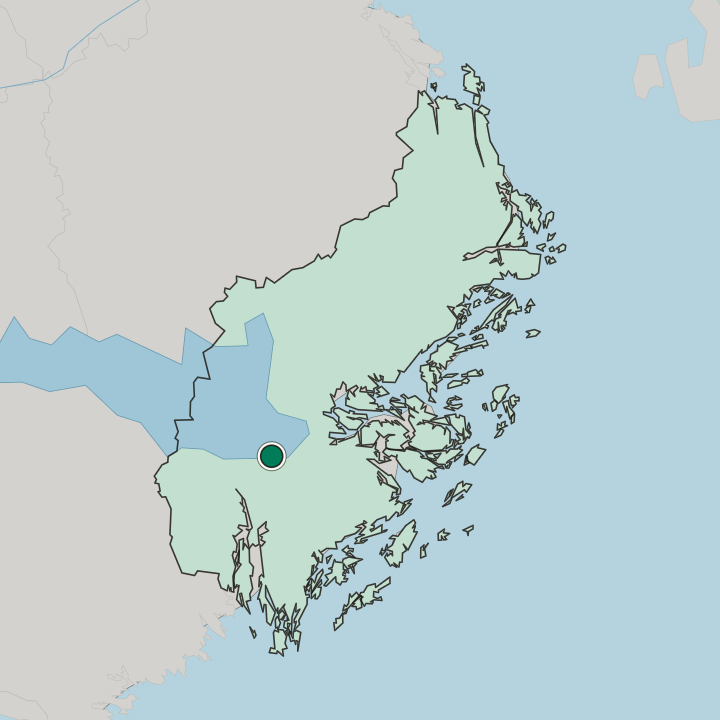
Ekerö lies in the western part of Stockholm County, on a cluster of islands in the broad inland waters of Lake Mälaren. The municipality spreads across farmland, forest, and shore, with channels and bays threading between the islands, the open lake reaching west toward the wider Mälar country, and the suburbs of Stockholm lying close to the east. The setting is rural and watery.
A bridge and ferries tie the islands to the capital, while quiet roads thread the fields, woods, and manor parks that fill the land between the shores.
What is the climate of Ekerö?
Ekerö has a cool temperate climate, like the rest of the Stockholm region. Winters bring frost, snow, and short dark days through the heart of the season, though the broad waters of Lake Mälaren around the islands temper the deepest cold that grips the country further inland and to the north. Summers stay mild and bright.
The lake, the manor parks, and the Viking sites draw their fullest crowds in the long, light weeks of high summer, when the evenings stretch far into the night. Cloud and rain are common in spring and autumn.
How do you get to Ekerö?
Ekerö sits west of central Stockholm, reached by a bridge road and by ferries across Lake Mälaren. Drivers come on the road from the capital and the western suburbs. Boats serve the islands and the palaces.
The nearest large airport and the main rail hubs lie in and around Stockholm to the east, which serve as the gateway, while local roads, bridges, and ferries tie the islands of the municipality to one another and to the city.
Common questions
What is the best area to stay in Ekerö?
Town centre: travellers wanting an island base near the capital. Across the islands: summer families and boaters. Outer islands and shore: those touring the Viking sites.
Good for
More cities in Stockholm County
Updated October 2026