Sweden · Stockholm County
Where to Stay in Gustavsberg, Stockholm County
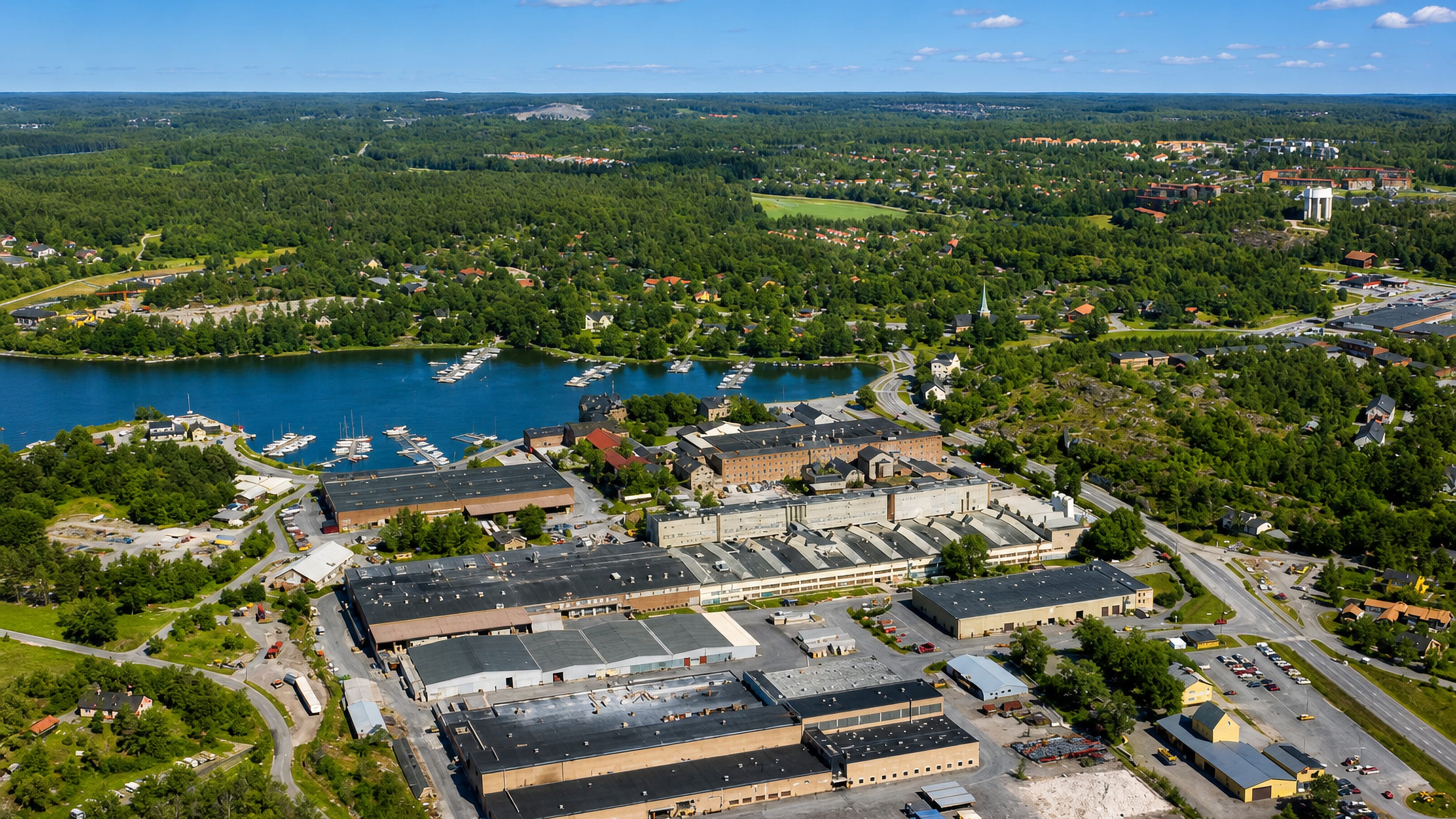
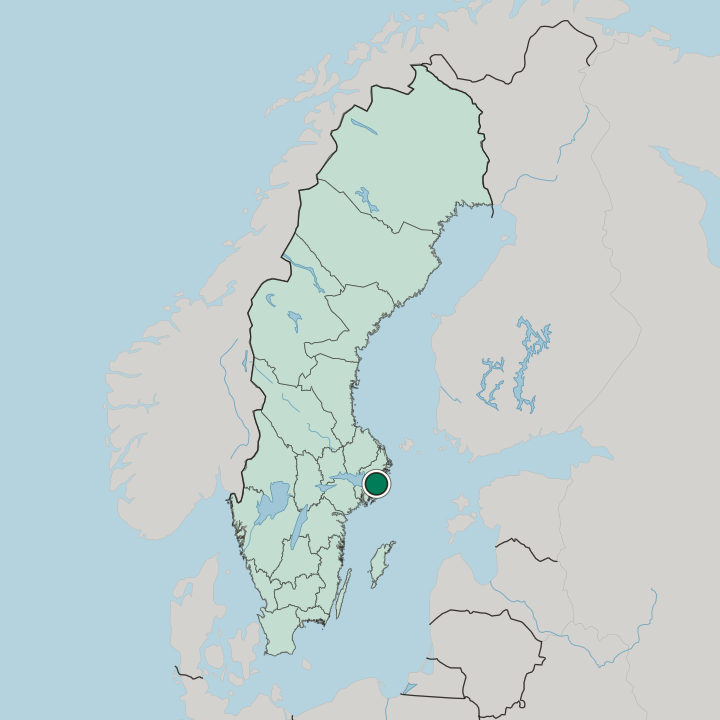
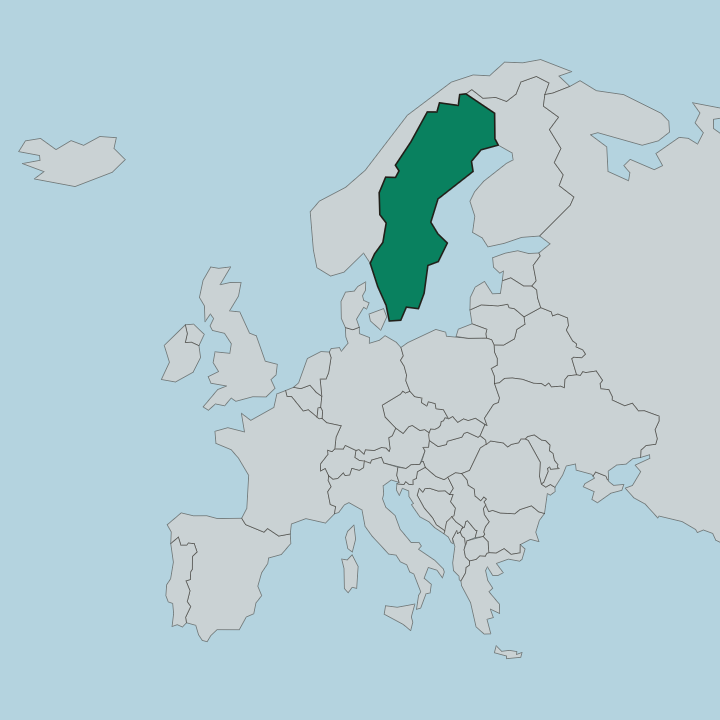
Gustavsberg is a town in the eastern part of Stockholm County, in eastern Sweden, an old porcelain works on the archipelago in Värmdö.
Hotel links are affiliate links: booking through them may earn us a commission, at no extra cost to you. It never affects how places are ranked. How this works


Where to stay in Gustavsberg
Where visitors usually base themselves, and why.
Most beds sit near the old factory district and the harbour, within easy reach of the porcelain works, the shops, and the boats out into the archipelago. The centre suits travellers who want the ceramics heritage close at hand and an easy run to the capital and the islands. Gustavsberg itself keeps only a handful of hotel rooms.
Out along the inlets and the wooded shore, holiday cabins, guest rooms, and self-catering houses open through the warmer months for the families, sailors, and walkers who come for the water, the skerries, and the studios, and these fill quickly across the high weeks of summer when archipelago traffic is at its peak. The neighbouring districts of Värmdö hold further rooms among the woods and bays. Reserve well before the summer rush.
Central Stockholm lies a short way to the west, and many visitors choose its wide range of hotels and travel out to Gustavsberg by road or boat.
Find hotels in Gustavsberg
Direct booking searches for these neighbourhoods.
Factory district and harbour
beds near the porcelain works and the boats. Lodging is scarce in this area; reserve in advance.Find hotels in Factory district and harboursummer families and sailors on FarstavikenInlets and wooded shore
cabins and houses by the water and the skerries. Rooms are few around here — worth securing early.Find hotels in Inlets and wooded shorethose touring the archipelagoWider Värmdö
rooms among the woods and bays of the neighbouring districts. Few places to stay nearby — book ahead.Find hotels in Wider VärmdöHotel links are affiliate links: booking through them may earn us a commission, at no extra cost to you. It never affects how places are ranked. How this works
About Gustavsberg
Gustavsberg is a porcelain town.
What is Gustavsberg known for?
It grew around the great ceramics works on the Farstaviken inlet east of Stockholm, and its name is bound up with the tableware and tiles that the factory sent out across Sweden for generations. The old Gustavsbergs porslinsfabrik is the draw. Visitors come for the porcelain museum, the studios, and the harbour, while Gustavsbergs kyrka and Graninge kyrka mark the older settlements among the woods and water of the surrounding archipelago.
What are the main landmarks in Gustavsberg?
The old porcelain works is the great sight, its kilns, studios, and museum tracing the tableware and tiles made here for generations. The harbour draws the eye. Boats run from the quay out into the archipelago, and the factory district along the inlet keeps the look of an old industrial town by the water.
Gustavsbergs kyrka stands above the works, and Graninge kyrka lies among the woods of the surrounding country. The manor of Farsta slott stands close by, looking out over the Farstaviken inlet from its parkland on the wooded shore. Skerries frame the whole town.
What is the history of Gustavsberg?
It began with clay and water. The sheltered inlet east of Stockholm offered a harbour and a site for industry, and in 1825 a porcelain factory was founded on the shore, drawing workers to a new settlement around its kilns. The works grew large.
Through the following century the factory turned out tableware, sanitary ware, and tiles that spread across Sweden, and the town swelled with workers' housing, schools, and the church that rose above the industrial district. The factory made the place. Gustavsberg lived and breathed by its porcelain, gathering a tight community of potters and workers along the inlet, and the studios drew designers such as Wilhelm Kåge and Stig Lindberg, whose work shaped Swedish ceramics for generations.
The shore changed its use. As heavy production wound down, the old works turned toward studios, a museum, and shops, and the town, folded into Värmdö Municipality, leaned on its heritage and its archipelago setting to draw the visitors who now come by road and boat.
Where is Gustavsberg?
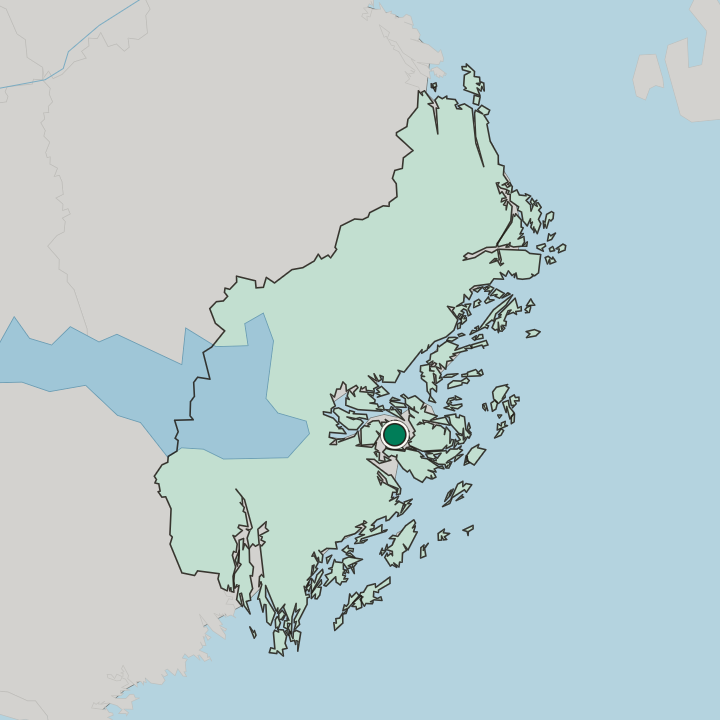
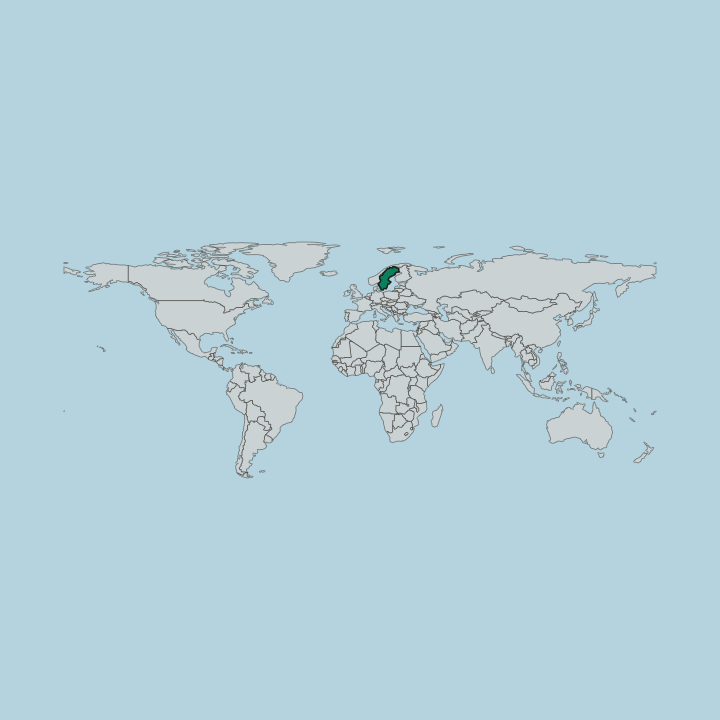
Gustavsberg lies in the eastern part of Stockholm County, on a sheltered inlet of the inner archipelago east of the capital. The town sits among woods, water, and low ridges, with the inlet curling in from the bays and channels of the archipelago, the open Baltic skerries reaching away to the east, and the suburbs of Stockholm lying close to the west. The setting is coastal and wooded.
Roads and boats tie the town to the capital and the islands, while forest, shore, and the old factory harbour fill the land along the inlet.
What is the climate of Gustavsberg?
Gustavsberg has a cool temperate climate, like the rest of the Stockholm archipelago. Winters are cold, with frost, snow, and short dark days through the heart of the season, though the surrounding inlets and the nearness of the sea soften the deepest cold that grips the country further inland and to the north. The warm months keep gentle and full of light.
The harbour, the studios, and the skerries draw their fullest crowds in the long, light weeks of high summer, when the evenings stretch far into the night. Autumn and spring bring cloud and rain.
How do you get to Gustavsberg?
Gustavsberg sits east of central Stockholm, linked to the city by main road and frequent buses. Drivers reach it easily from the capital and the eastern suburbs. Boats serve the harbour and the islands.
The nearest large airport and the main rail hubs lie in and around Stockholm to the west, which serve as the gateway, while local roads, buses, and archipelago boats tie the town to Värmdö and the islands of the inner archipelago around it.
Common questions
What is the best area to stay in Gustavsberg?
Factory district and harbour: travellers drawn by the ceramics heritage. Inlets and wooded shore: summer families and sailors on Farstaviken. Wider Värmdö: those touring the archipelago.
Good for
More cities in Stockholm County
Updated October 2026