Sweden · Stockholm County
Where to Stay in Kungsängen, Stockholm County
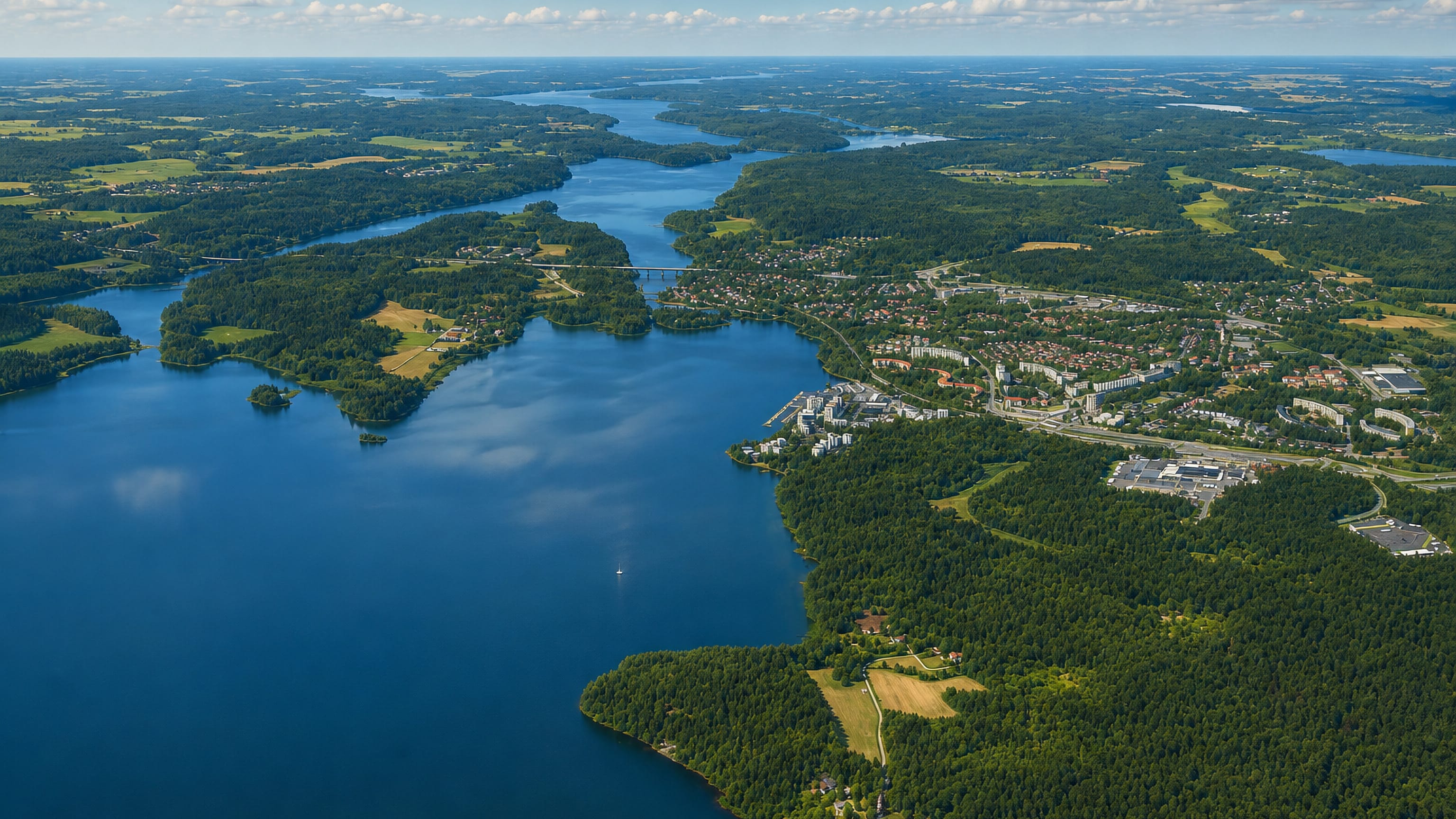
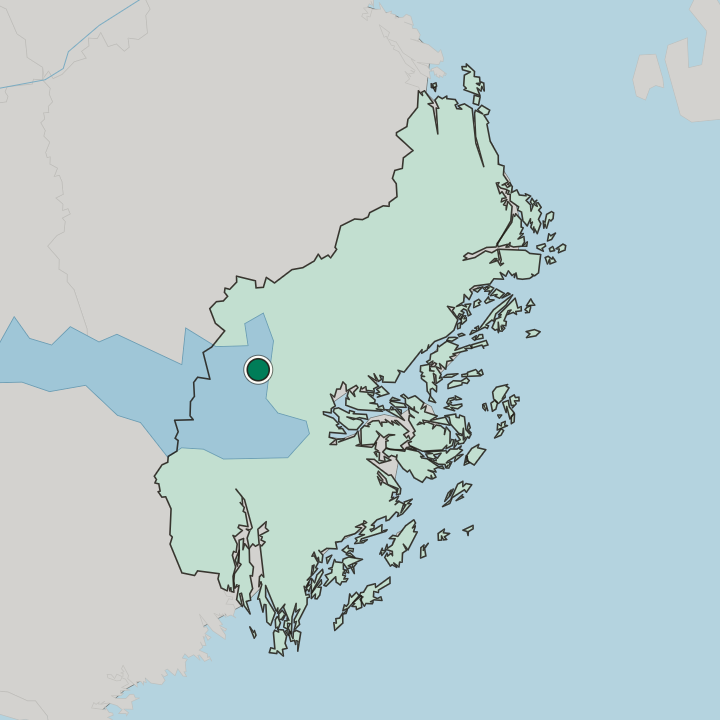
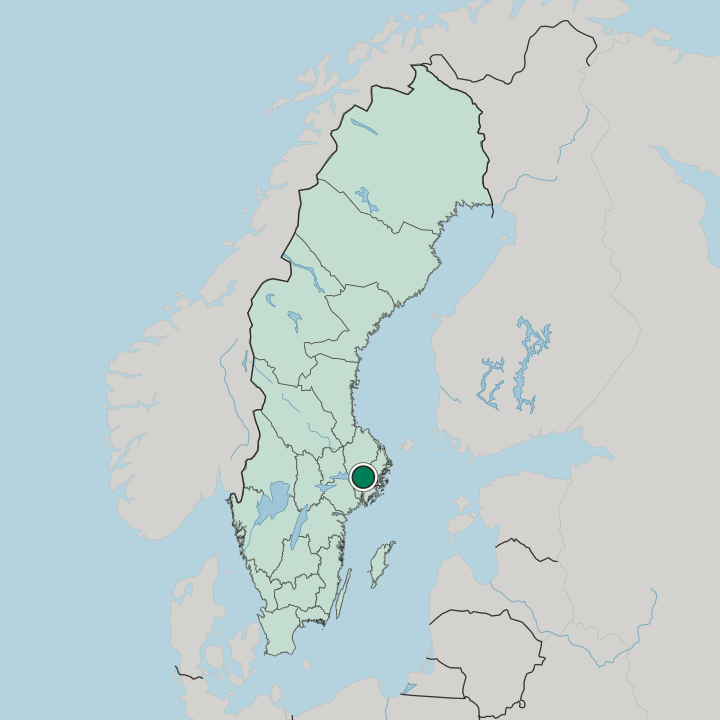
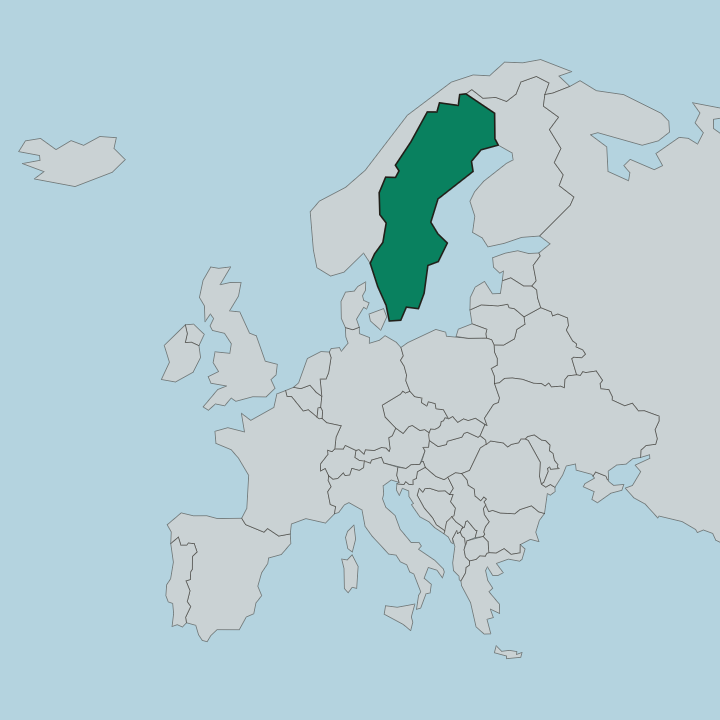
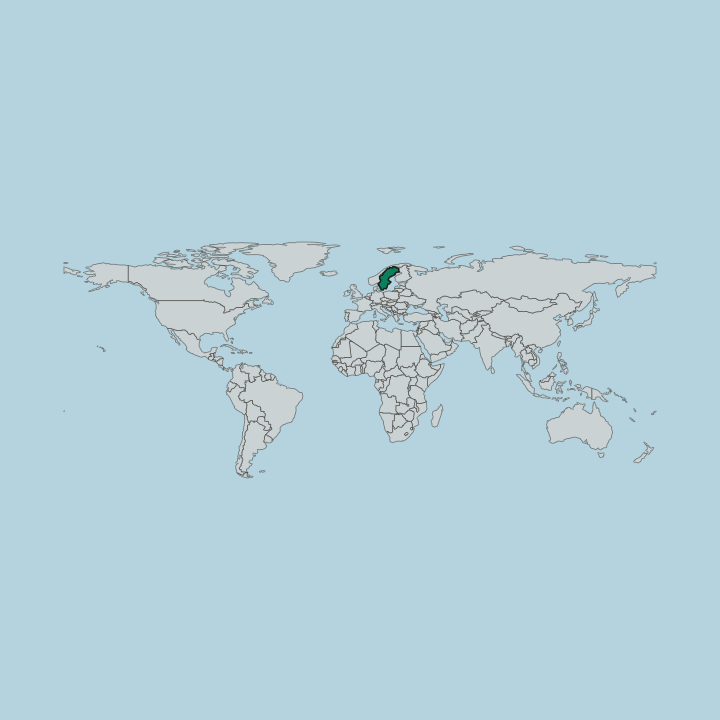
Kungsängen is a town in the north-western part of Stockholm County, in eastern Sweden, and the administrative seat of Upplands-Bro Municipality.
Hotel links are affiliate links: booking through them may earn us a commission, at no extra cost to you. It never affects how places are ranked. How this works


Where to stay in Kungsängen
The practical side of choosing where to sleep.
Most visitors stay near the station, where a handful of rooms and serviced flats sit within an easy walk of the commuter platforms, the small centre, and the buses that reach across Upplands-Bro. The centre suits you if you want a quick train into Stockholm and a base near the daily shops. Rooms near the station are few.
Out along the lake, manor hotels and country guesthouses open among the fields and the wooded shores of Mälaren, and these calmer addresses draw drivers and conference guests who come for the water and the quiet. Closer to the woods, cabins and farm stays welcome walkers in the warm season. Reserve a lakeside room early in summer.
The pull of the shoreline, the castle ruin, and the manor estates keeps the limited supply of beds tight whenever the bright Nordic months bring travellers to the lake.
Find hotels in Kungsängen
Direct booking searches for these neighbourhoods.
Around the station
a few rooms and serviced flats beside the platforms and the small centre. Lodging is scarce in this area; reserve in advance.Find hotels in Around the stationdrivers and conference guestsAlong Mälaren
manor hotels and country houses among the fields by the lake. Lodging is scarce in this area; reserve in advance.Find hotels in Along Mälarenwalkers and quiet staysToward the woods
cabins and farm stays in the forest away from the town. Few places to stay nearby — book ahead.Find hotels in Toward the woodsHotel links are affiliate links: booking through them may earn us a commission, at no extra cost to you. It never affects how places are ranked. How this works
About Kungsängen
What is Kungsängen known for?
Kungsängen is the seat and commercial centre of Upplands-Bro, a municipality of farmland, forest, and lakeshore north-west of Stockholm. It is a commuter town. The Stockholm pendeltåg line links it to the capital, and around the station sit shops, municipal offices, and the housing that grew up beside the platforms.
The land around carries deep history, from a medieval castle ruin to old manors along Mälaren. That blend of busy station and quiet lakeside countryside sets the town apart within its corner of the county.
What are the main landmarks in Kungsängen?
Two very different monuments mark the district. Kungsängens kyrka, the parish church, stands above the town with roots reaching back to the Middle Ages, its tower a landmark over the surrounding fields. By the narrow Stäket sound lie the ruins of Almare-Stäkets borg, a fortified episcopal castle that once guarded the water route toward Uppsala before it was razed in the turbulent sixteenth century.
Little remains above ground. Yet the site still commands the strait it was built to control.
What is the history of Kungsängen?
Kungsängen rests on very old ground. Long before any town, this stretch of shore guarded a strategic narrows, and by the Middle Ages the bishops of Uppsala had raised the castle of Almare-Stäket to command the water route through Mälaren toward their see. The castle fell in 1517.
Its destruction, ordered amid the bitter quarrels that preceded the Reformation in Sweden, left only ruins above the sound, while the surrounding parish carried on as farmland and manor estate for centuries. The railway brought the modern town. When the western line reached this part of the county, a station settlement grew at Kungsängen, and the farms slowly gave way to streets and houses.
Upplands-Bro was formed as a municipality in the early 1950s by joining two older parishes, and Kungsängen became its seat. Offices, schools, and a small centre gathered by the platforms, turning a rural halt into the working heart of a lakeside district that still keeps its castle ruin, its medieval church, and its manors among the fields.
Where is Kungsängen?
Kungsängen lies in the north-western part of Stockholm County, on ground that meets the northern bays of Mälaren. The land is gentle. Open farmland and low wooded ridges roll between the inlets, and the great lake reaches deep into the parish through narrow sounds and reed-lined coves, among them the Stäket narrows that gave the old castle its purpose.
To the south and west the water broadens toward the heart of Mälaren, while inland the country rises into the forest belt that runs north toward Uppland.
What is the climate of Kungsängen?
Kungsängen has a humid continental climate tempered by the surrounding waters of Mälaren. Summers stay mild along Mälaren. Long northern light draws out the warm months into bright evenings, and July is comfortable enough to fill the lake shores and the trails, while rainfall stays moderate across the year.
Winters are cold and dim, with snow that often lingers for weeks and short days that close in early. Spring comes late to the fields. Autumn turns the lakeside birch and pine to gold before the bays begin their slow slide toward the winter freeze.
How do you get to Kungsängen?
Kungsängen sits on the Stockholm commuter rail network, and regular pendeltåg trains run south-east to the city centre in around half an hour. Rail is easiest. From the station, local buses fan out across Upplands-Bro toward the lakeside villages and the manor estates, while the E18 motorway passes close by for drivers travelling between Stockholm and Enköping.
Arlanda Airport lies to the east, reached by road or by a change to the regional trains. Service into the capital runs throughout the day.
Common questions
What is the best area to stay in Kungsängen?
Around the station: rail commuters near Mälaren. Along Mälaren: drivers and conference guests. Toward the woods: walkers and quiet stays.
Good for
More cities in Stockholm County
Updated September 2026