Sweden · Stockholm County
Where to Stay in Nacka, Stockholm County
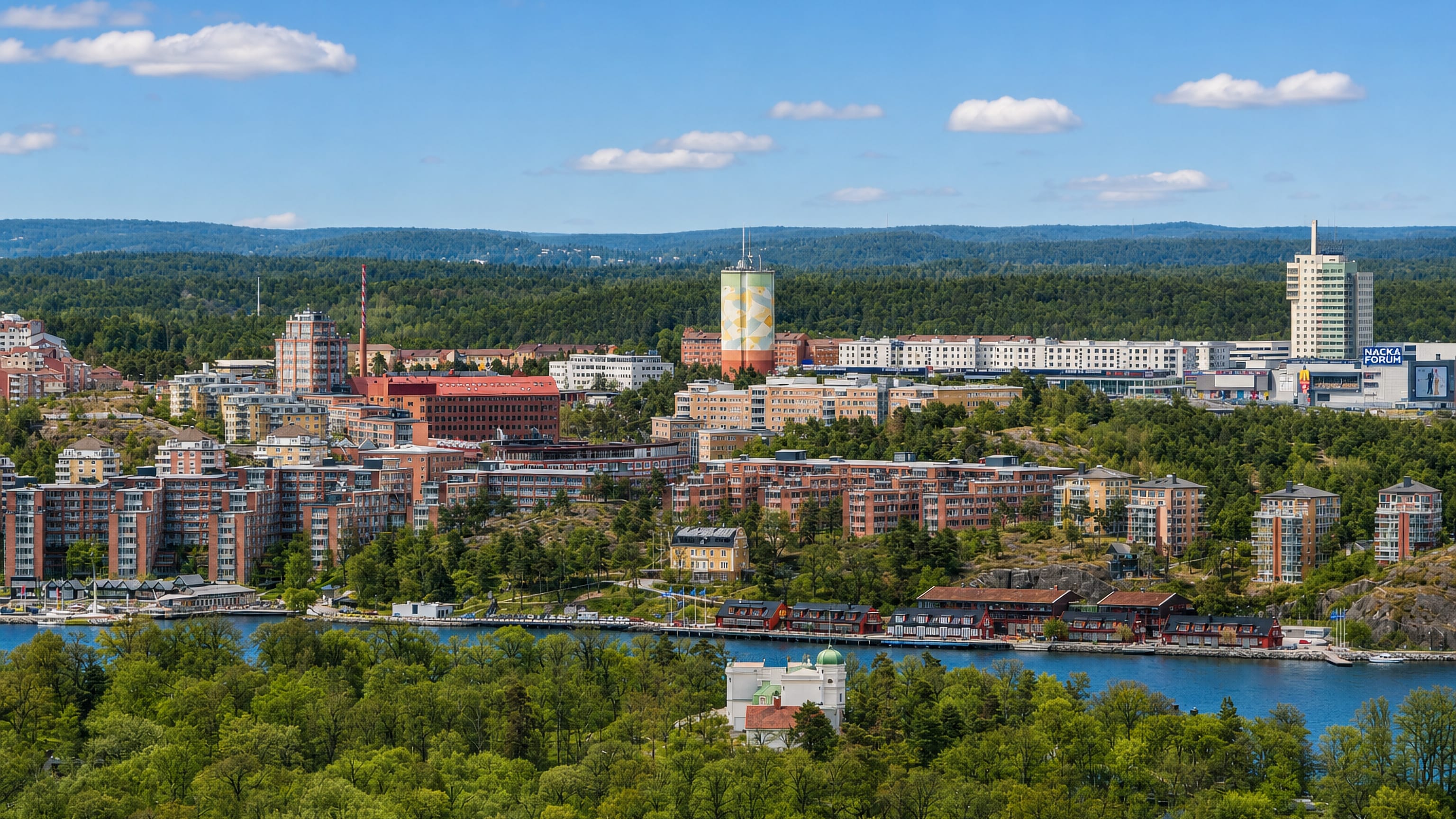
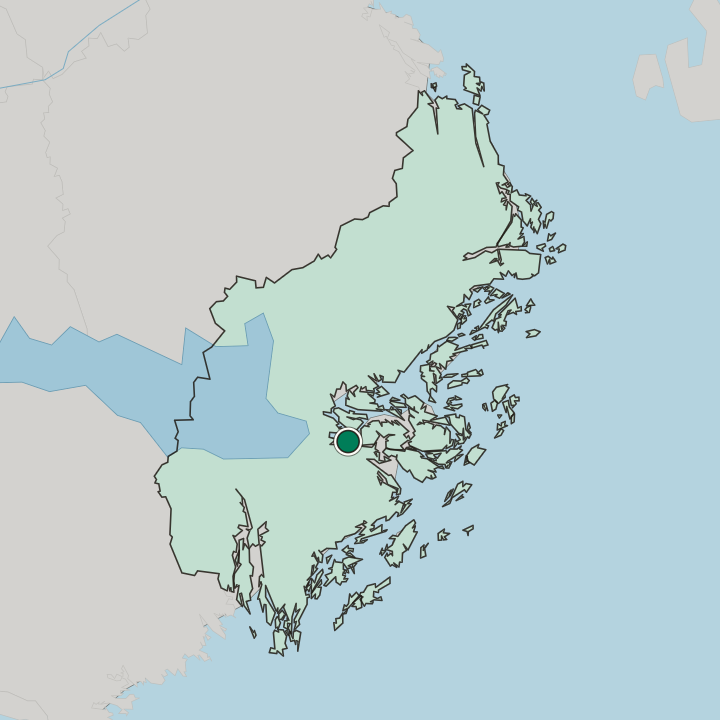
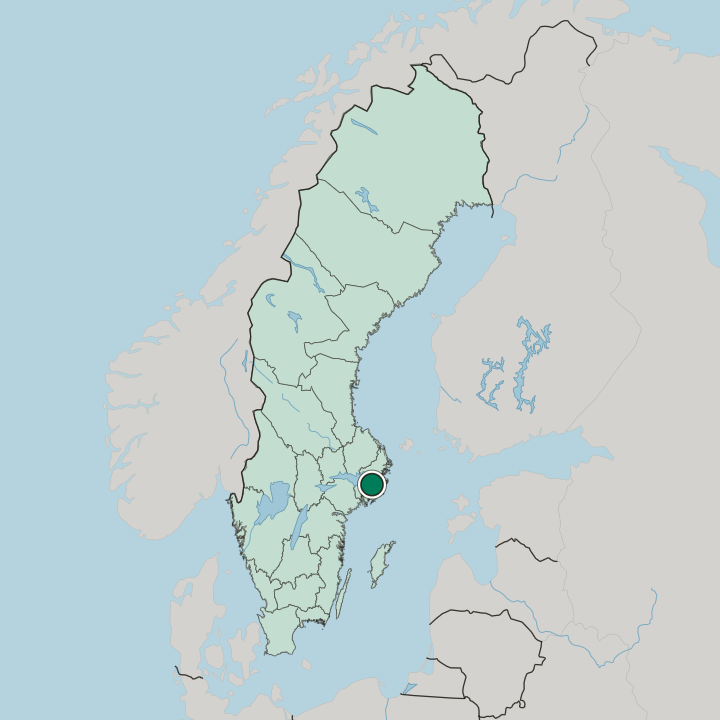
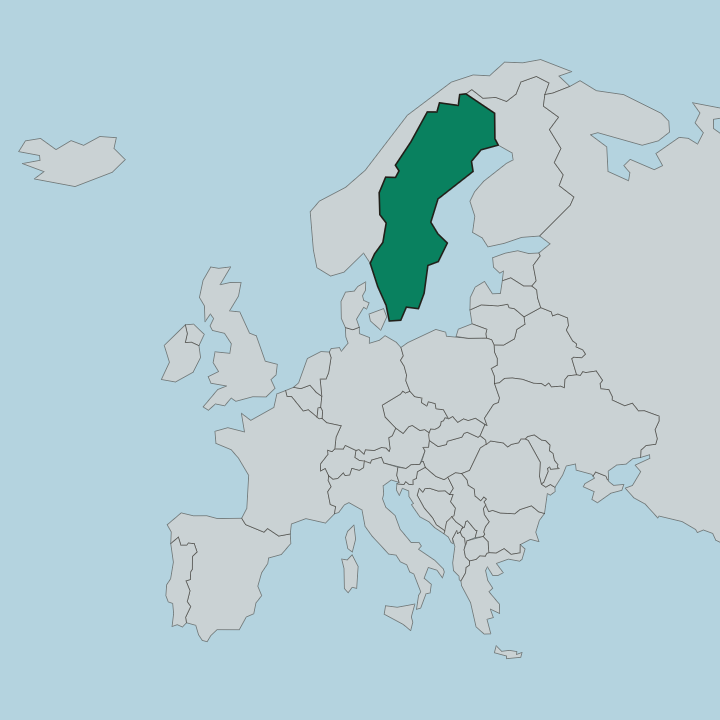
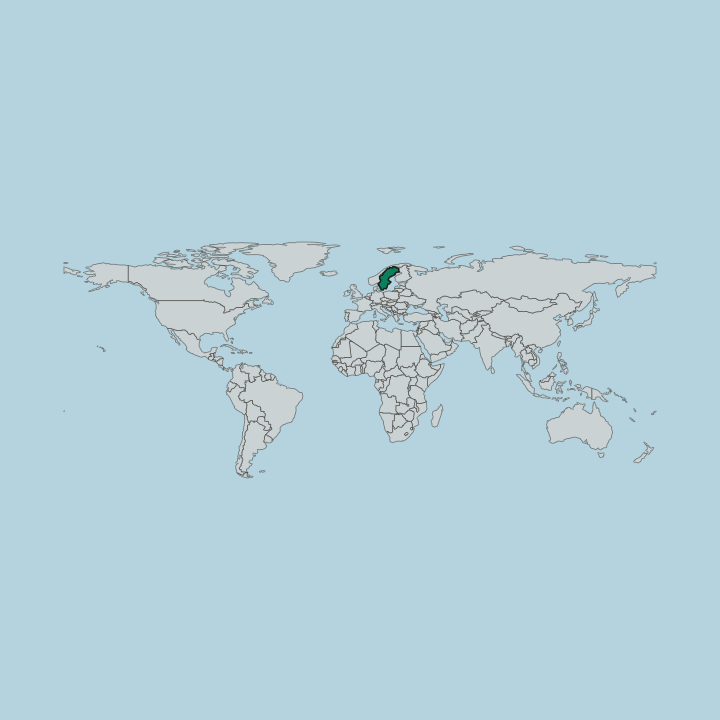
Nacka is a town in the eastern part of Stockholm County, on the Baltic coast of eastern Sweden, and the seat of Nacka Municipality.
Hotel links are affiliate links: booking through them may earn us a commission, at no extra cost to you. It never affects how places are ranked. How this works


Where to stay in Nacka
One neighbourhood here has its own guide — here's what it is best for.
 NackaSweden
Boo
Boo is a large residential district in eastern Nacka, in eastern Sweden, part of Nacka kommun.Where to stay →Hotel links are affiliate links: booking through them may earn us a commission, at no extra cost to you. It never affects how places are ranked. How this works
Find hotels in Nacka
Direct booking searches for these neighbourhoods.
Nacka strand
hotels on the sound with boat and bus links to central Stockholm. Lodging is scarce in this area; reserve in advance.Find hotels in Nacka strandbusiness and city-bound guestsSickla and the rail stations
hotels and flats near the shopping districts and the Saltsjöbanan lineFind hotels in Sickla and the rail stationswalkers heading for the Nyckelviken reserveEastern peninsulas
guesthouses and cabins among the pines and the coastal reserves. Few places to stay nearby — book ahead.Find hotels in Eastern peninsulasHotel links are affiliate links: booking through them may earn us a commission, at no extra cost to you. It never affects how places are ranked. How this works
About Nacka
What is Nacka known for?
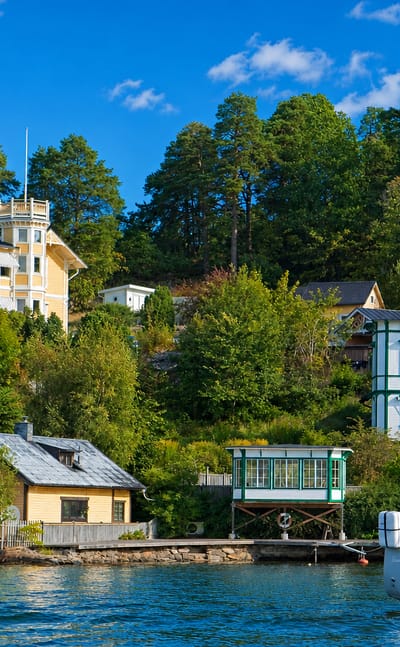
Nacka is the suburban municipality that spreads east of central Stockholm toward the inner archipelago. It hugs the water. Bays, sounds, and wooded peninsulas thread between its districts, from the offices and apartments of Nacka strand and Sickla to the older villa quarters and the green expanse of the Nyckelviken nature reserve.
The Saltsjöbanan railway and a web of buses tie it tightly to the capital. Most people know Nacka as a leafy, water-laced extension of Stockholm where commuter living meets the first skerries of the Baltic.
What are the main landmarks in Nacka?
Nacka keeps few grand monuments, but its setting is the draw. The Nyckelviken nature reserve preserves an old manor and parkland above the sea, its avenues and meadows open to walkers within sight of the city. At Saltsjöbaden the early railway resort still gathers around its grand waterfront hotel and the marina that made it a fashionable retreat.
Old industry lingers too. Sickla, where the engineer Gustaf de Laval once ran his works, has turned its factory halls into shops and a museum quarter.
What is the history of Nacka?
The name Nacka reaches back to early industry. In the sixteenth century the Crown set up a works at the Nacka farmstead, where the fall of water between lake and sea gave good power for mills, and the spot lent its name to the wider district. The seat moved over time.
Confusingly, the modern centre grew not on that old industrial ground but on land that once belonged to the Järla farmstead, across Lake Järla on the other side of the valley. Through later centuries the area drew manufacturers and mill-owners, and by the late nineteenth century the engineer Gustaf de Laval had founded works at Sickla that drew workers and housing east of the city. The railways then opened the shore.
The Saltsjöbanan line carried Stockholmers out to a new seaside resort at Saltsjöbaden, and villa suburbs spread along the bays. Nacka was organised as a municipality in its modern form during the twentieth century, gathering these scattered mill villages, resorts, and farmsteads into a single coastal town that still carries the name of the old works by the water.
Where is Nacka?
Nacka lies in the eastern part of Stockholm County, where the city fabric breaks apart into bays, sounds, and wooded peninsulas along the Baltic. Bays and lakes surround it. The brackish Baltic reaches in from the east through narrow straits, lakes lie cupped among the ridges, and forested headlands of glacial rock divide one district from the next.
To the west the land joins central Stockholm across the Skurusundet and Danvikstull crossings, while eastward it dissolves into the first islands and skerries of the Stockholm archipelago.
What is the climate of Nacka?
Nacka has a humid continental climate strongly moderated by the surrounding Baltic. The warm season stays mild. Long northern daylight stretches the warm season into bright evenings, and July is comfortable enough to fill the shores and the reserves, while the nearby sea evens out the swings in temperature through the year.
Winters are cold and grey, though the water keeps the worst of the chill at bay, and snow comes and goes across the short, dim days. The surrounding Baltic keeps Nacka's spring slow to arrive. Autumn lights the coastal birch and pine in copper before the bays start their drift toward winter.
How do you get to Nacka?
Nacka adjoins central Stockholm, and frequent buses run across the Saltsjö crossings into the city in minutes. Transit is easy. The Saltsjöbanan railway carries passengers out from Slussen toward Saltsjöbaden, while commuter boats link the waterfront districts to the inner harbour and the archipelago.
Drivers reach the town on road 222, the main route east from the city toward Värmdö. Arlanda and the regional airports lie north of Stockholm, a transfer by coach or train away across the centre.
Common questions
What is the best area to stay in Nacka?
Nacka strand: waterfront stays and ferry travellers. Sickla and the rail stations: business and city-bound guests. Eastern peninsulas: walkers heading for the Nyckelviken reserve.
Good for
More cities in Stockholm County
Updated October 2026