Sweden · Stockholm County
Where to Stay in Norrtälje, Stockholm County
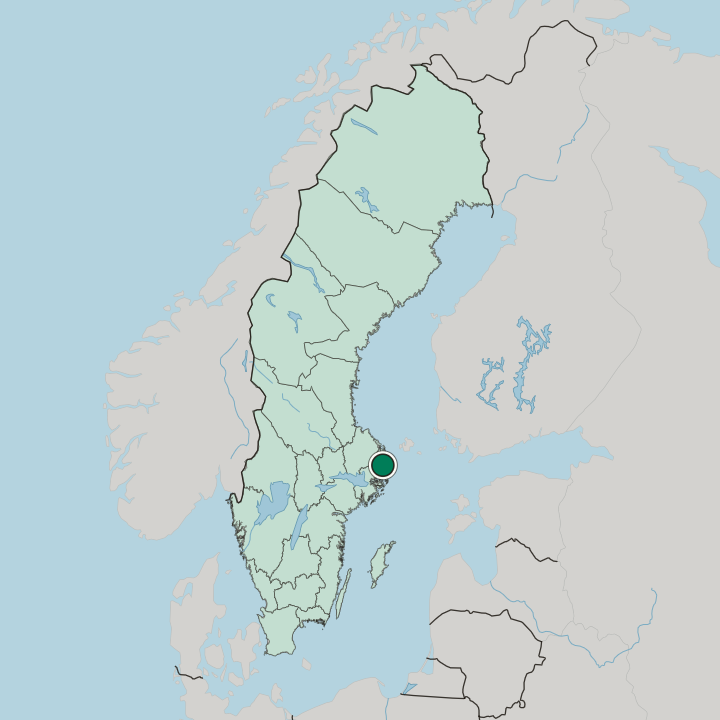
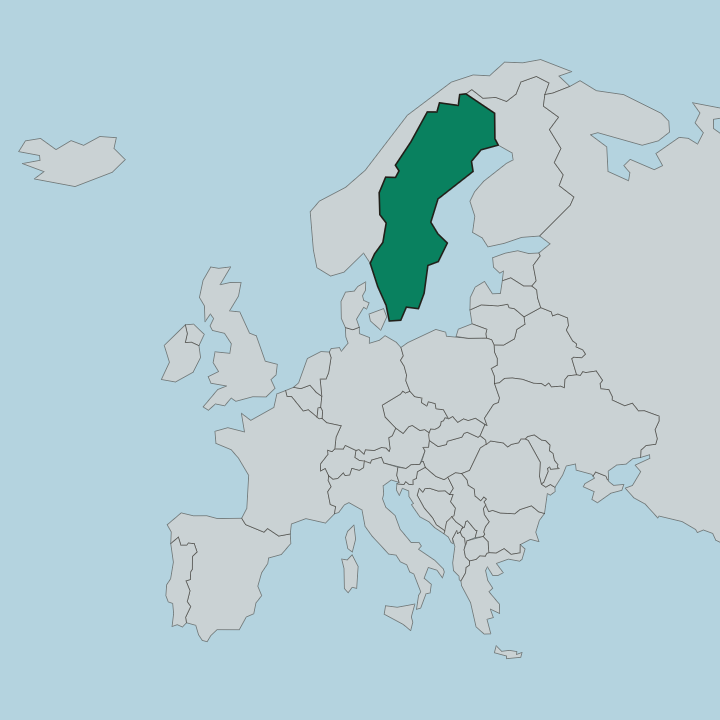
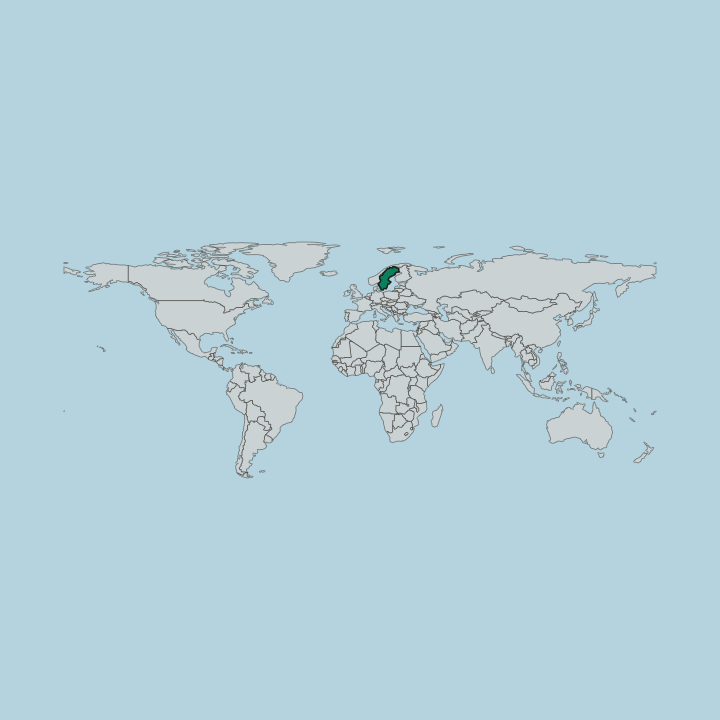
Norrtälje is a coastal town in the north-eastern part of Stockholm County, on the Baltic shore of eastern Sweden, and the seat of Norrtälje Municipality.
Hotel links are affiliate links: booking through them may earn us a commission, at no extra cost to you. It never affects how places are ranked. How this works


Where to stay in Norrtälje
Where visitors usually base themselves, and why.
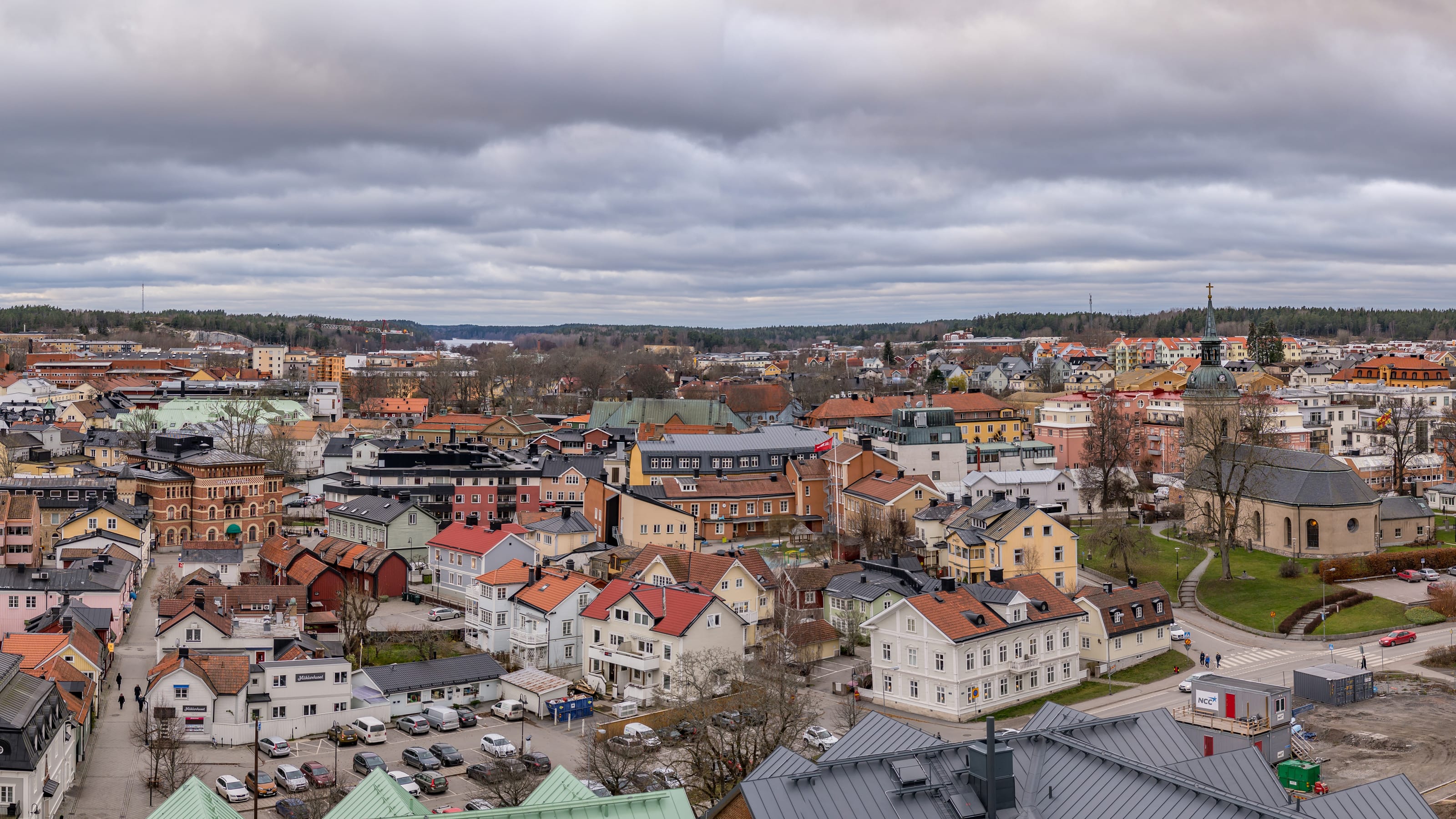
Most visitors stay in the old centre, where hotels and guesthouses line the streets near the harbour, the church, and the river that runs down to the bay. The centre suits you if you want the waterfront, the shops, and the boats close at hand. Centre rooms book up fast in summer.
Along the surrounding coast, campsites, cabins, and holiday cottages open through the warm months near the skerries and the ferry ports of Kapellskär and Grisslehamn, drawing sailors and families who come for the water and the islands. Inland across Roslagen, manor stays and farm guesthouses welcome drivers touring the countryside. Book early through the peak weeks.
The summer crowds, the archipelago boats, and the cross-Baltic ferries together press hard on rooms throughout the warmest, brightest weeks of the northern year.
Find hotels in Norrtälje
Direct booking searches for these neighbourhoods.
Old centre and harbour
hotels and guesthouses near the quay, the church, and the shops. Lodging is scarce in this area; reserve in advance.Find hotels in Old centre and harboursailors and summer familiesCoast and ferry ports
campsites and cottages near the skerries and the crossings at Kapellskär and Grisslehamn. Beds are limited here, so book early.Find hotels in Coast and ferry portsdrivers touring inlandRoslagen countryside
manor stays and farm houses among the fields and woods. Lodging is scarce in this area; reserve in advance.Find hotels in Roslagen countrysideHotel links are affiliate links: booking through them may earn us a commission, at no extra cost to you. It never affects how places are ranked. How this works
Things to do in Norrtälje
Ranked by global recognition; descriptions from Wikidata (CC0).
Museums & Galleries
3- S/S Norrtelje Heritage working life museum
- Pythagoras Mechanical Workshop Museum Heritage
- Norrtälje luftvärnsmuseum
Churches & Religious Sites
2- Norrtälje Church Heritage
- Malsta Church Heritage
Stadiums & Sports
1- Norrtälje Sportcentrum football stadium
worth knowingacross 3 categories in Norrtälje
About Norrtälje
What is Norrtälje known for?
Norrtälje is the chief town of Roslagen, the old coastal country that fringes the northern archipelago. It opens onto the sea. From its harbour and the nearby ports of Kapellskär and Grisslehamn, ferries cross the Baltic to Åland and Finland, while the town itself draws summer visitors with its low wooden streets, its waterfront, and the boats heading out among the skerries.
It is one of the larger towns of the region. People come for the archipelago, the old centre, and the long bright evenings of the northern coast.
What are the main landmarks in Norrtälje?
Norrtälje kyrka rises at the heart of the old town, a baroque church rebuilt after fire swept the place in the early eighteenth century. Beyond it, the streets keep their low wooden houses and the riverside walks that give the centre its character. Art and sport mark the town too.
Norrtälje konsthall mounts changing exhibitions, the small Elimkapellet recalls the free-church revival, and the Norrtälje Sportcentrum gathers the district for games and ice through the long northern seasons. Out among the fields stands Malsta kyrka, a medieval country church older than the town itself.
What is the history of Norrtälje?
Norrtälje rose out of the sea trade. The surrounding country of Roslagen had long sent its men out as sailors and oarsmen, and a trading settlement gathered where the river met the bay, on a coast where the land was still rising slowly out of the Baltic. The town won its charter in 1622.
King Gustav II Adolf granted it town rights to anchor royal control over this stretch of shore, and a small port of wooden houses took shape around the harbour and the church. War scarred it badly. During the Russian raids of 1719, near the close of the Great Northern War, the town was burned almost to the ground, and much of what now stands dates from the rebuilding that followed.
Through later centuries Norrtälje lived from fishing, shipping, and a spa that drew visitors to its waters. The ferries and the summer trade then remade it again. As Roslagen's main town it became the hub of a wide coastal municipality, its harbour busy with archipelago boats and cross-Baltic crossings to Åland and Finland.
Where is Norrtälje?
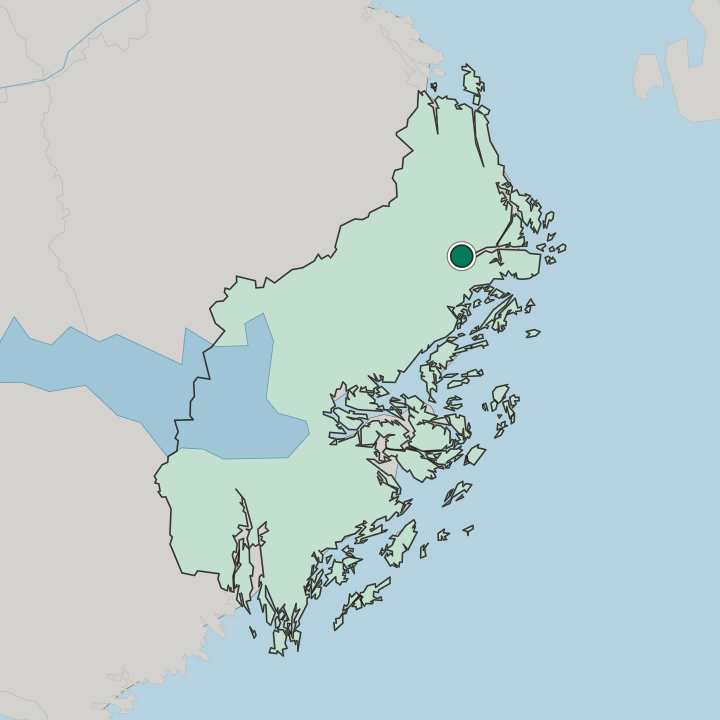
Norrtälje lies in the north-eastern part of Stockholm County, where the river Norrtäljeån runs down through the town into a sheltered bay of the Baltic. The coast is intricate. Wooded peninsulas, sounds, and a scatter of low rocky islands break the shoreline into countless inlets, and the land here is still rising slowly from the sea, leaving old harbours stranded above the present water.
Inland the country of Roslagen rolls in farmland, forest, and lake toward the heart of Uppland, while eastward the skerries thin out into the open Baltic and the northern reaches of the Stockholm archipelago.
What is the climate of Norrtälje?
Norrtälje has a humid continental climate moderated by the Baltic that wraps its coast. The summer season stays mild. Long northern daylight stretches the warm season into bright evenings, and July is comfortable enough to fill the harbour and the archipelago boats, while the sea steadies the temperature through the year.
Winters are cold and dim, though the water tempers the worst of the chill, and snow comes and goes across the short days. Spring arrives late along the shore. Autumn turns the coastal birch and pine to copper before the bays edge slowly toward the winter freeze.
How do you get to Norrtälje?
No railway reaches the town. Coaches run frequently from Stockholm up the E18 and road 76, reaching the centre in around an hour and a quarter, so the bus is the simplest way in. From the harbour, ferries cross the Baltic from the nearby ports of Kapellskär and Grisslehamn to Åland and Finland, while local boats serve the surrounding archipelago through the season.
Drivers find it an easy run north. Arlanda Airport lies to the south-west, a road transfer away across Roslagen.
Common questions
What is the best area to stay in Norrtälje?
Old centre and harbour: first visits and waterfront stays. Coast and ferry ports: sailors and summer families. Roslagen countryside: drivers touring inland.
Good for
More cities in Stockholm County
Updated October 2026