Sweden · Stockholm County
Where to Stay in Rönninge, Stockholm County
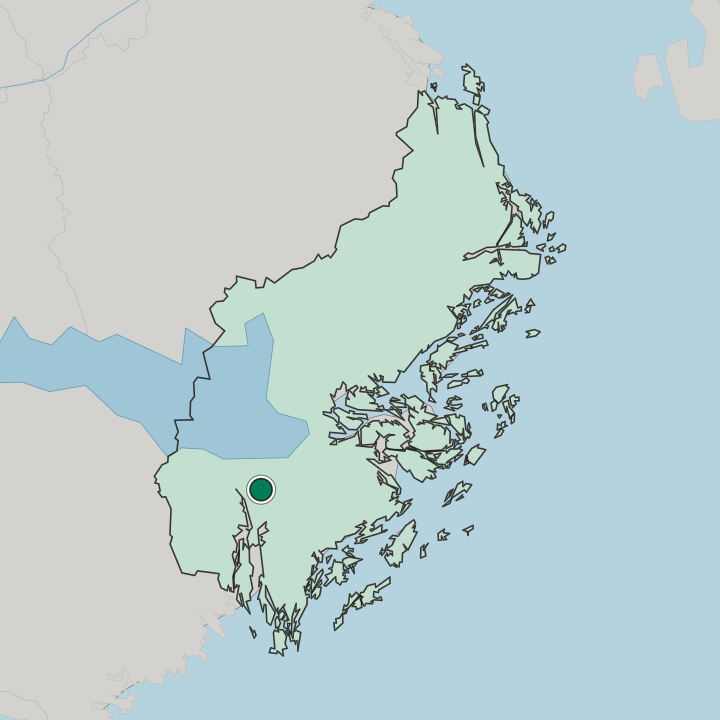
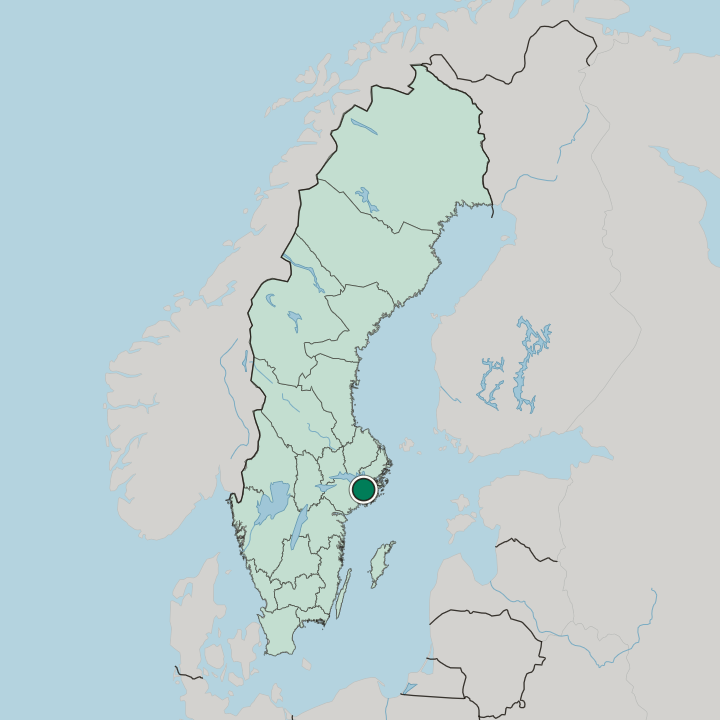
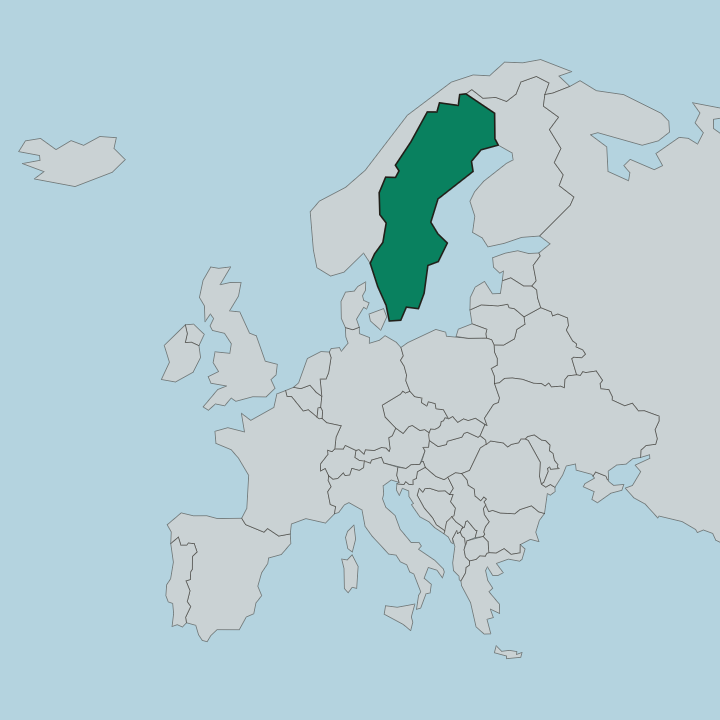
Rönninge is a residential town in Salem Municipality, in the south-western part of Stockholm County in eastern Sweden.
Hotel links are affiliate links: booking through them may earn us a commission, at no extra cost to you. It never affects how places are ranked. How this works


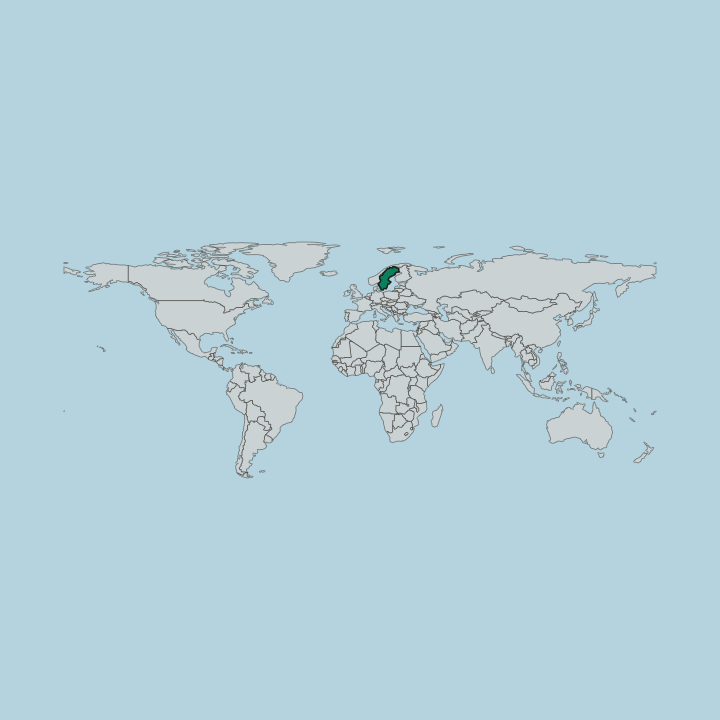
Where to stay in Rönninge
How the choice of base plays out on the ground.
Rönninge is a residential district rather than a visitor town, so beds are few and scattered, with the area itself given over to villas, gardens, and the quiet streets that spread back from the railway station and the shore of Lake Flaten. It suits travellers who want a calm suburban base and quick commuter trains into Stockholm and out to Södertälje. Hotels here are sparse.
The station and the lake anchor the centre of the district. For a wider choice of rooms, the larger neighbouring centres serve better, since Tumba and Södertälje lie close along the same rail and road corridor and carry the hotels and guesthouses that Rönninge lacks. Beds gather there instead.
Choose those hubs for selection. Rönninge rewards those who want green, quiet streets near the trains.
Find hotels in Rönninge
Direct booking searches for these neighbourhoods.
Rönninge centre
villas and the railway station near Lake Flaten. Lodging is scarce in this area; reserve in advance.Find hotels in Rönninge centrethose wanting more roomsTumba and Södertälje
larger neighbouring hubs along the same rail lineFind hotels in Tumba and SödertäljeHotel links are affiliate links: booking through them may earn us a commission, at no extra cost to you. It never affects how places are ranked. How this works
About Rönninge
Rönninge is known as a commuter suburb.
What is Rönninge known for?
It grew as a leafy residential district of villas and gardens beside the railway south-west of Stockholm, part of the built-up belt that runs out from the city through Salem and Tumba toward Södertälje. The town joins a wider urban area. Salems kyrka stands nearby in the parish.
People know it mainly as a quiet place to live within reach of the capital.
What are the main landmarks in Rönninge?
Salems kyrka stands in the old parish near Rönninge, a medieval stone church whose tower marks the older settlement that the railway suburb later grew beside. Säby kyrka, a second parish church in the district, adds another mark of the country before the villas spread. The lakeshore at Flaten draws walkers to the water.
Villa gardens and parkland fill the streets. Forest and farmland still ring the edge of the built-up area.
What is the history of Rönninge?
Rönninge began as farmland and forest. The old Salem parish gathered around its medieval church for centuries, a country of farms and crofts on the wooded ground south-west of Stockholm, until the railway from the city reached the district and changed it for good. The line opened the area.
Villas rose along the new tracks. From the late nineteenth century, well-to-do Stockholmers built summer houses and then year-round homes among the pines and lakes, and Rönninge grew into a settled commuter suburb of gardens and quiet streets. The villas filled the slopes above Lake Flaten.
The district joined the spreading built-up belt around the capital and now forms part of a wider urban area. Salem Municipality administers it still.
Where is Rönninge?
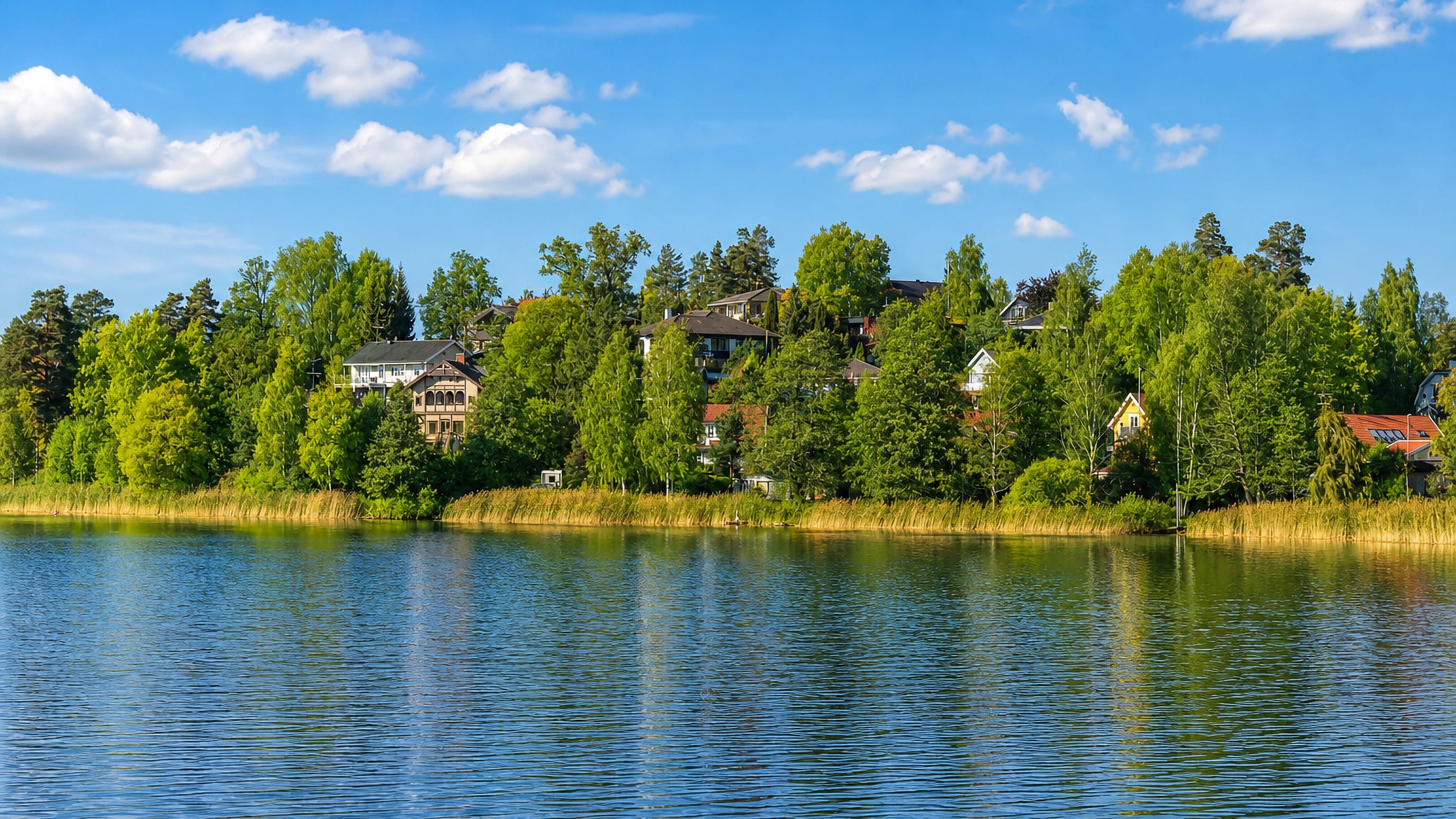
Rönninge lies in the south-western part of Stockholm County in eastern Sweden, on the wooded ground between Stockholm and Södertälje, beside the small Lake Flaten. Pine forest, low ridges, and lakes spread around the villa streets, with the long inlet of Mälaren and the farmland of Salem close on the western side. Stockholm sits to the north-east.
Tumba lies just alongside. The built-up area runs on toward Södertälje to the south-west.
What is the climate of Rönninge?
Rönninge has a cool temperate climate typical of the Stockholm region. Winters are cold and often snowy, with frost settling over the lakes and the wooded slopes through the short, dark days of the coldest part of the year. The warm months turn mild and leafy.
Long northern evenings carry the daylight late around midsummer, drawing people out to the lakeshore and the garden streets through the warm weeks of the year. Rain falls across the seasons.
How do you get to Rönninge?
Rönninge sits on the commuter rail line between Stockholm and Södertälje, with frequent trains stopping at its station on the way through the south-western suburbs. The railway is its main link. Roads thread the area from the city and from Södertälje, joining the main routes that cross Stockholm County.
Buses serve the streets from the station. Stockholm Arlanda is the nearest major airport, well to the north.
Common questions
What is the best area to stay in Rönninge?
Rönninge centre: quiet suburban stays. Tumba and Södertälje: those wanting more rooms.
Good for
More cities in Stockholm County
Updated September 2026