Sweden · Stockholm County
Where to Stay in Sigtuna, Stockholm County
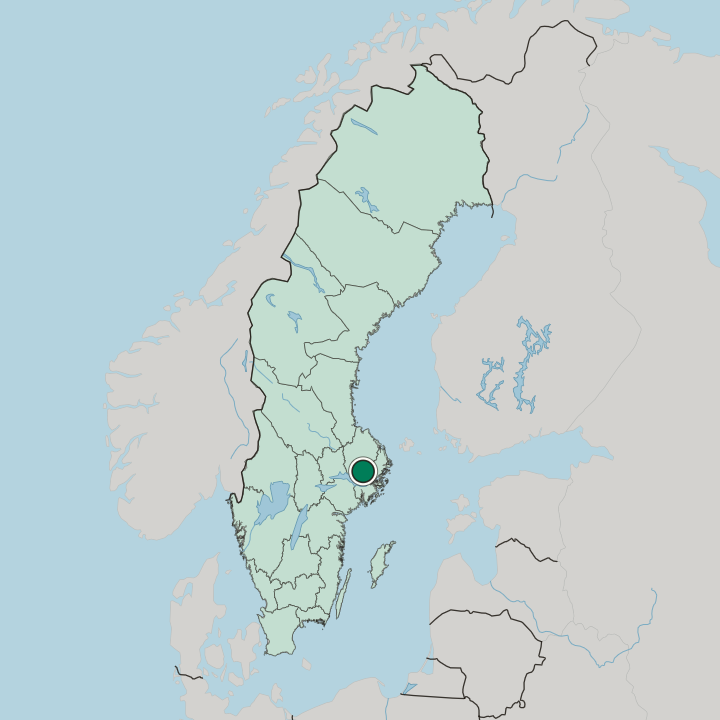
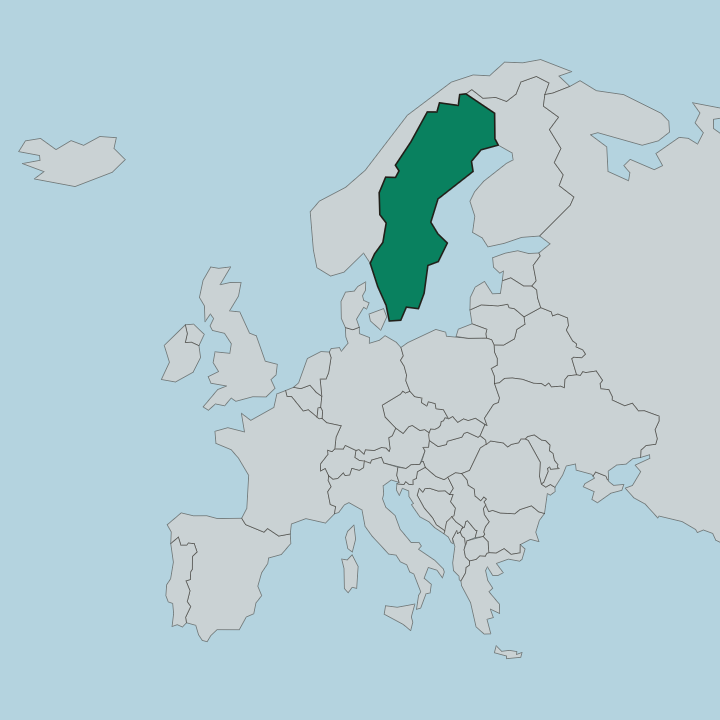
Sigtuna is a small lakeside town in the north-western part of Stockholm County in eastern Sweden, counted among the oldest towns in the country.
Hotel links are affiliate links: booking through them may earn us a commission, at no extra cost to you. It never affects how places are ranked. How this works


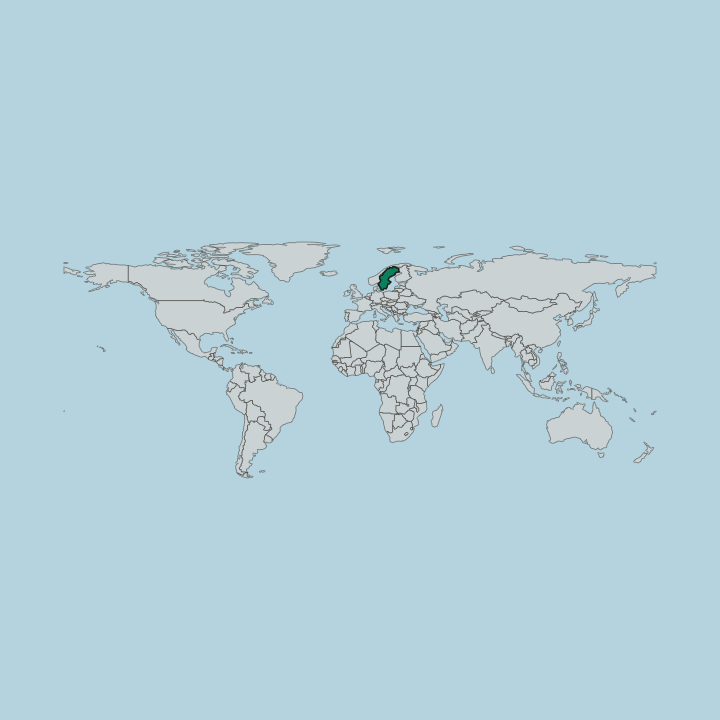
Where to stay in Sigtuna
Where the beds are, and what that means for the visit.
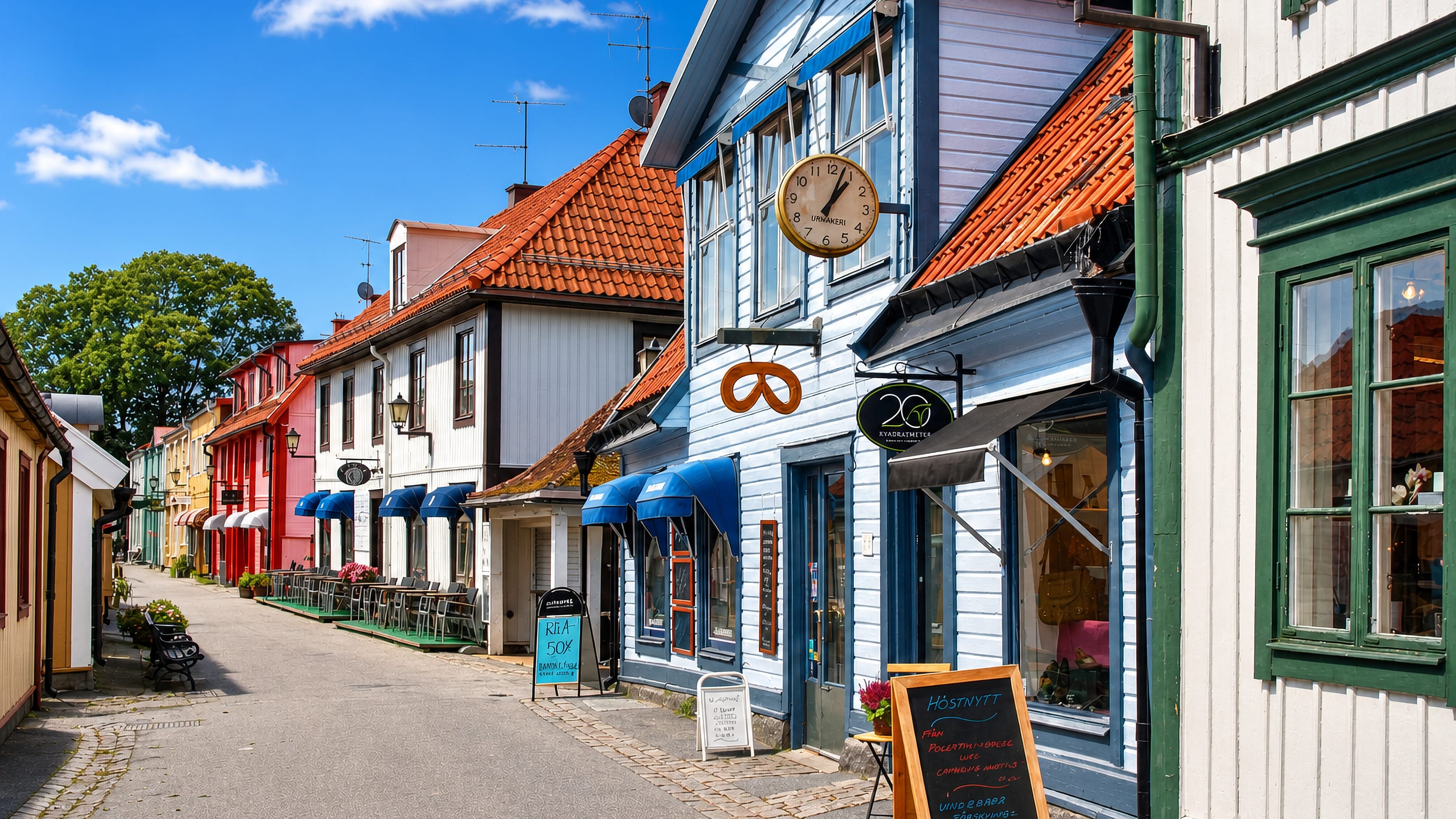
Most beds gather in the old town of Sigtuna, the low wooden core along Stora gatan and the lakeshore where a handful of small hotels and inns stand within an easy walk of the church, the museum, the ruins, and the quay on Mälaren. It suits travellers who want the medieval streets and the water at the doorstep. Rooms here are few and book early.
The old town is quiet and walkable. Out around the municipality, conference hotels, manor estates, and lodgings near the airport suit travellers with a car or an early flight, since the wider district spreads across farmland and lake toward Märsta and Arlanda. These lie apart from the old core.
Choose the old town first for atmosphere. The outer hotels reward those who need road and air links close.
Find hotels in Sigtuna
Direct booking searches for these neighbourhoods.
Old town
small inns along Stora gatan near the church and lake. Lodging is scarce in this area; reserve in advance.Find hotels in Old towndrivers and flyersMärsta and Arlanda
conference and airport hotels across the municipalityFind hotels in Märsta and ArlandaHotel links are affiliate links: booking through them may earn us a commission, at no extra cost to you. It never affects how places are ranked. How this works
Things to do in Sigtuna
Ranked by global recognition; descriptions from Wikidata (CC0).
Museums & Galleries
2- Sigtuna museum
- Lottas Garverimuseum
Churches & Religious Sites
3- St. Mary's Church Heritage Church of Sweden church building
- Olov Hartmans studiokyrka Heritage
- S:t Olofs kyrkoruin Heritage
worth knowingacross 2 categories in Sigtuna
About Sigtuna
What is Sigtuna known for?
Sigtuna is known as one of Sweden's oldest towns. Founded near the close of the tenth century on the shore of Mälaren, it keeps a low wooden townscape, rune stones, church ruins, and the short main street that locals call the oldest in the land. Mariakyrkan dominates the old core.
Sankt Olofs kyrkoruin stands roofless nearby. Visitors come for the medieval streets and the lake.
What are the main landmarks in Sigtuna?
Mariakyrkan is the great brick church of the old town, a Dominican priory church from the thirteenth century that towers over the low wooden houses around it. Nearby rise the roofless walls of Sankt Olofs kyrkoruin, one of several ruined stone churches from the town's earliest Christian centuries. Sigtuna museum keeps the finds and the story.
Rune stones stand along the streets. Stora gatan runs through the heart of the old core.
What is the history of Sigtuna?
Sigtuna is among the oldest towns in Sweden. It was founded near the close of the tenth century on a bay of Mälaren, a royal and trading place where the early kings struck the country's first coins and where the new faith took an early hold along the lake. Coins were minted here.
Churches soon rose in stone. Through the medieval centuries the town held several stone churches, a Dominican priory, and a busy lake trade, before its role faded as Stockholm grew and took the commerce of the inland sea. Fire and decline reduced it to a quiet country town.
The ruins, the rune stones, and the wooden streets kept its long past visible. Sigtuna is still called a stad for historical reasons, and remains a town in its municipality.
Where is Sigtuna?
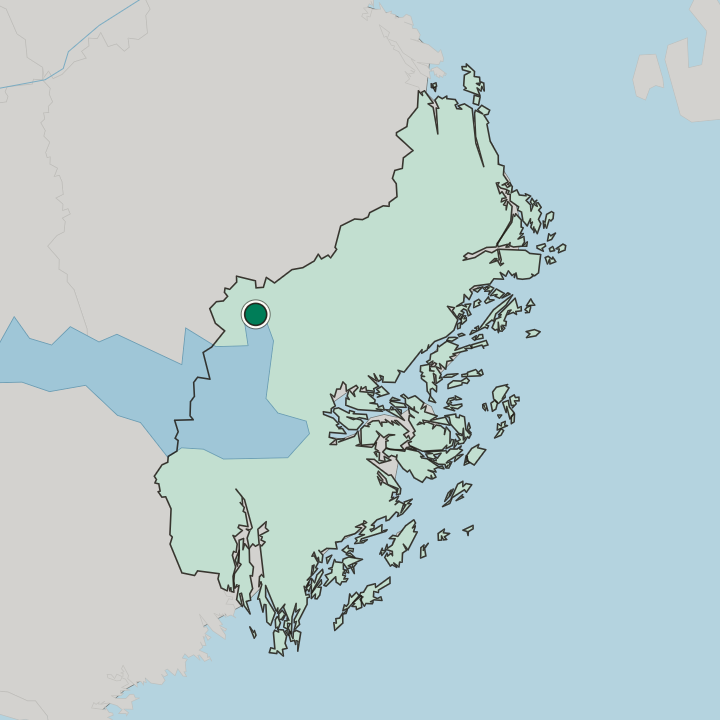
Sigtuna lies in the north-western part of Stockholm County in eastern Sweden, on a sheltered bay of Mälaren, the great lake that reaches inland from the capital. Low wooded ridges, farmland, and the water of the lake spread around the town, with bays, inlets, and small islands breaking the shoreline to the south and west. Stockholm sits to the south-east.
The cathedral city of Uppsala lies a short way to the north, and the runways of Stockholm Arlanda spread across the flat country close to the east.
What is the climate of Sigtuna?
Sigtuna has a cool temperate climate shaped by Mälaren and the inland location. Winters are cold and often snowy, with the lake freezing along its bays and frost holding over the old town through the short, dark days of the coldest part of the year. The summer stays mild and full of light.
Long northern evenings carry the daylight late around midsummer, drawing people to the quay and the lakeside streets through the warm weeks of the year. Rain comes across the seasons.
How do you get to Sigtuna?
Sigtuna lies close to Stockholm Arlanda, the country's main airport, just to the east across the farmland. The airport is the nearest major gateway. Roads link the old town to Märsta, Stockholm, and Uppsala, joining the main routes that cross the region, while buses run in from the rail hub at Märsta on the main line.
Trains reach Märsta, not the old town itself. In summer, lake boats call at the quay on Mälaren.
Common questions
What is the best area to stay in Sigtuna?
Old town: first-timers. Märsta and Arlanda: drivers and flyers.
Good for
More cities in Stockholm County
Updated October 2026