Sweden · Stockholm County
Where to Stay in Vallentuna, Stockholm County
Vallentuna is a municipality in Stockholm County, set among lakes and old farmland in the northern part of the region.
Hotel links are affiliate links: booking through them may earn us a commission, at no extra cost to you. It never affects how places are ranked. How this works


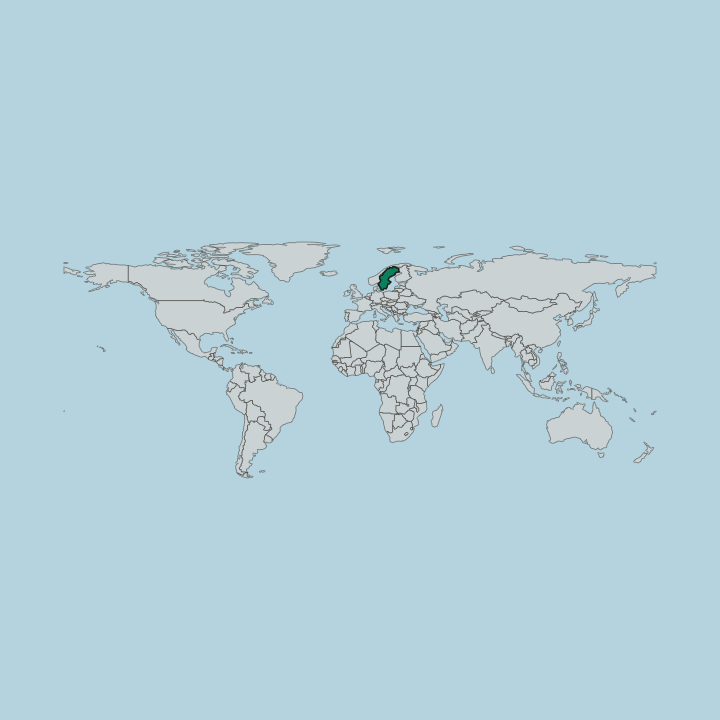
Where to stay in Vallentuna
Where visitors usually base themselves, and why.
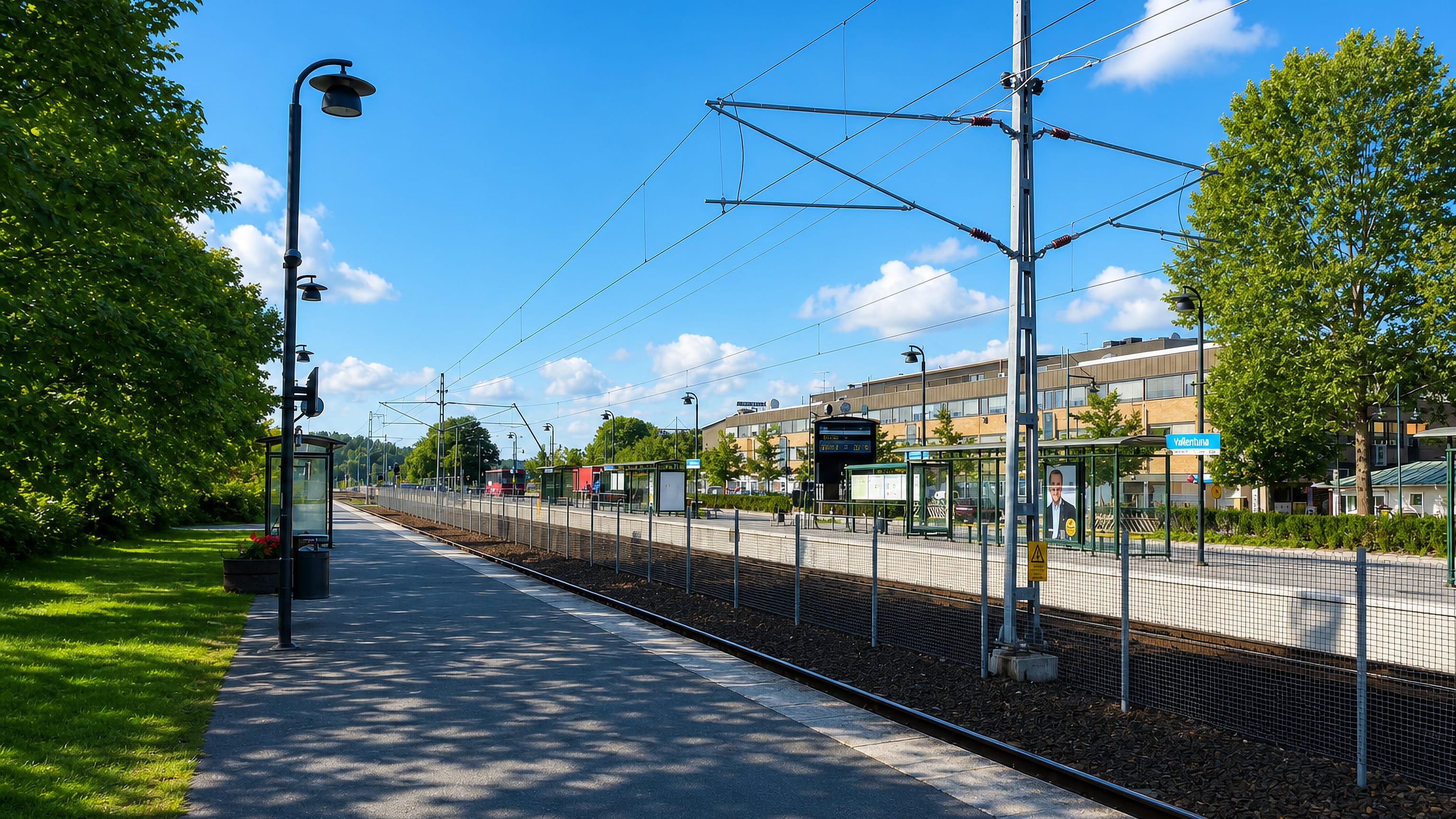
Vallentuna sits north of Stockholm, strung along the western shore of Vallentunasjön in the Uppland countryside. The Roslagsbanan narrow-gauge railway threads through the centre, so lodging near the station keeps the capital within easy reach while open farmland stays close behind. The Roslagsbanan keeps a frequent timetable.
A car stays optional in the town itself, though it earns its keep on the lanes out toward the eastern parishes. Most visitors base themselves in the compact centre, where a handful of guesthouses and hotels cluster along the line. It stays quiet after dark.
The town suits anyone using it as a base. Families and slower travellers tend toward lakeside stays near Vallentunasjön, where walking paths and swimming spots sit minutes from the door. Vallentuna holds one of Sweden's densest concentrations of runestones, and if you want to walk among them, including the Jarlabanke causeway, choose lodging along the country roads east of the lake.
Self-catering cottages dominate that hinterland, and many sit within sight of a grave field or a standing stone. Travellers chasing the wetland birdlife at Angarnssjöängen find the rural east, around Markim and Orkesta, a calmer alternative within a short drive. Those connecting through Arlanda value how close the airport sits.
About Vallentuna
Vallentuna is known for the depth of its past.
What is Vallentuna known for?
Its cultural landscape is unusually well preserved, and traces of human life here reach all the way back to the Stone Age, with a settlement excavated near Lilla Gävsjö in the south of the parish. Burial mounds and rune stones still stand in the fields between the modern houses. The land remembers a very long time.
What are the main landmarks in Vallentuna?
The real monuments of Vallentuna stand in the open. Burial mounds, raised stones, and rune carvings from the Viking age are scattered through the fields and along the old roads, the marks of the chieftains and farmers who worked this land a thousand years ago. The medieval Vallentuna kyrka holds the parish core, its stone tower a fixed point above the lake.
By the water, the excavated Stone Age site near Lilla Gävsjö pushes the story back further still. History here is written on the ground.
What is the history of Vallentuna?
Few places near the capital have been lived in as long as Vallentuna. Excavations in the south of the parish, near Lilla Gävsjö, have uncovered the remains of a Stone Age settlement, and the centuries since have left an unbroken record across the land. In the Viking age the district was prosperous and densely settled, raising the burial mounds and rune stones that still stand in the fields, and a medieval church followed at its heart.
For most of recorded history this was farming country, a well-kept agricultural landscape of manors, churches, and lakeside hamlets north of Stockholm. The narrow-gauge railway opened it to commuters in the modern era, and in the twentieth century housing gathered around the station to form the present town. Yet the old pattern survives in the open ground between.
Mounds and stones share the view with new streets. The fields keep the older map.
Where is Vallentuna?
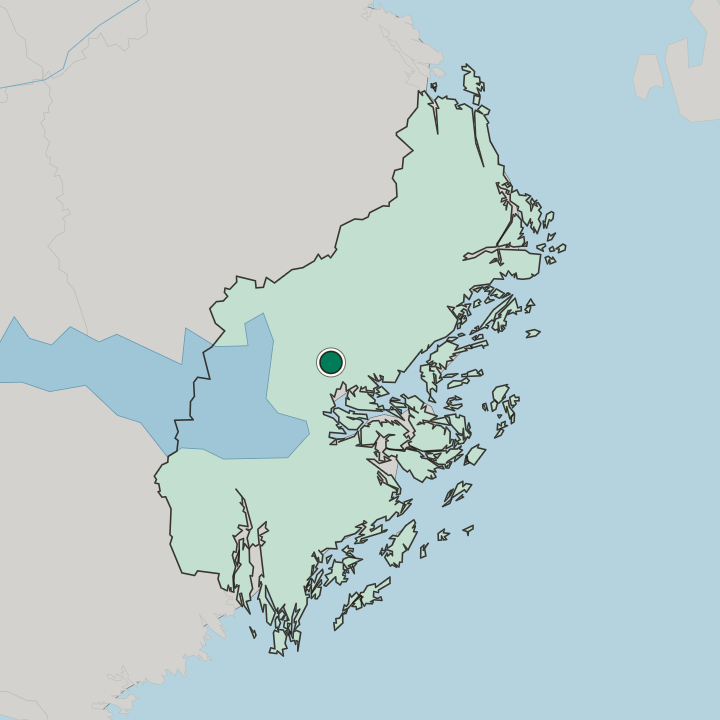
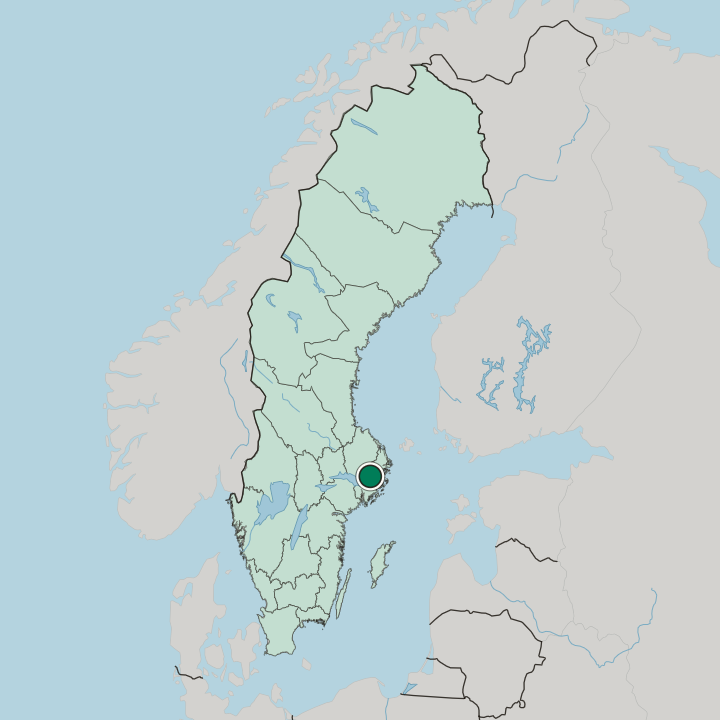
Vallentuna lies in the northern part of Stockholm County, on the south-eastern side of the country, inland from the coast at the edge of the Roslagen country. The long lake of Vallentunasjön runs through the middle of the municipality, with farmland and low wooded ridges spreading away on either side toward smaller lakes and streams. The land is gentle and open, more rural than most of the county.
Fields dominate the view. Forest fringes the higher ground.
What is the climate of Vallentuna?
Vallentuna has a humid continental climate, a touch more pronounced here than on the coast because the town sits inland. Winters are cold and frequently snowy, with the lake freezing over and the daylight short, while summers are mild and green, the long northern evenings drawing people out onto the water and the fields. The thaw is slow to arrive inland.
Autumn settles in grey and damp across the farmland.
How do you get to Vallentuna?
Most visitors arrive by rail. From central Stockholm, the narrow-gauge Roslagsbanan threads north through the suburbs and reaches Vallentuna in well under an hour, with frequent departures from the Stockholm Östra terminus. Drivers follow the E18 motorway and turn off toward the town.
Stockholm Arlanda Airport lies a short drive to the north-west.
Good for
More cities in Stockholm County
Updated September 2026