Syria
Aleppo Governorate, Syria — Towns & Travel Guide
Aleppo Governorate spreads across the plateau of northern Syria, built around Aleppo, one of the oldest inhabited cities on earth.
Find your area →


Towns & cities in Aleppo Governorate
Pick a town or city — each links to where to stay.
 Syria
Syria
Aleppo
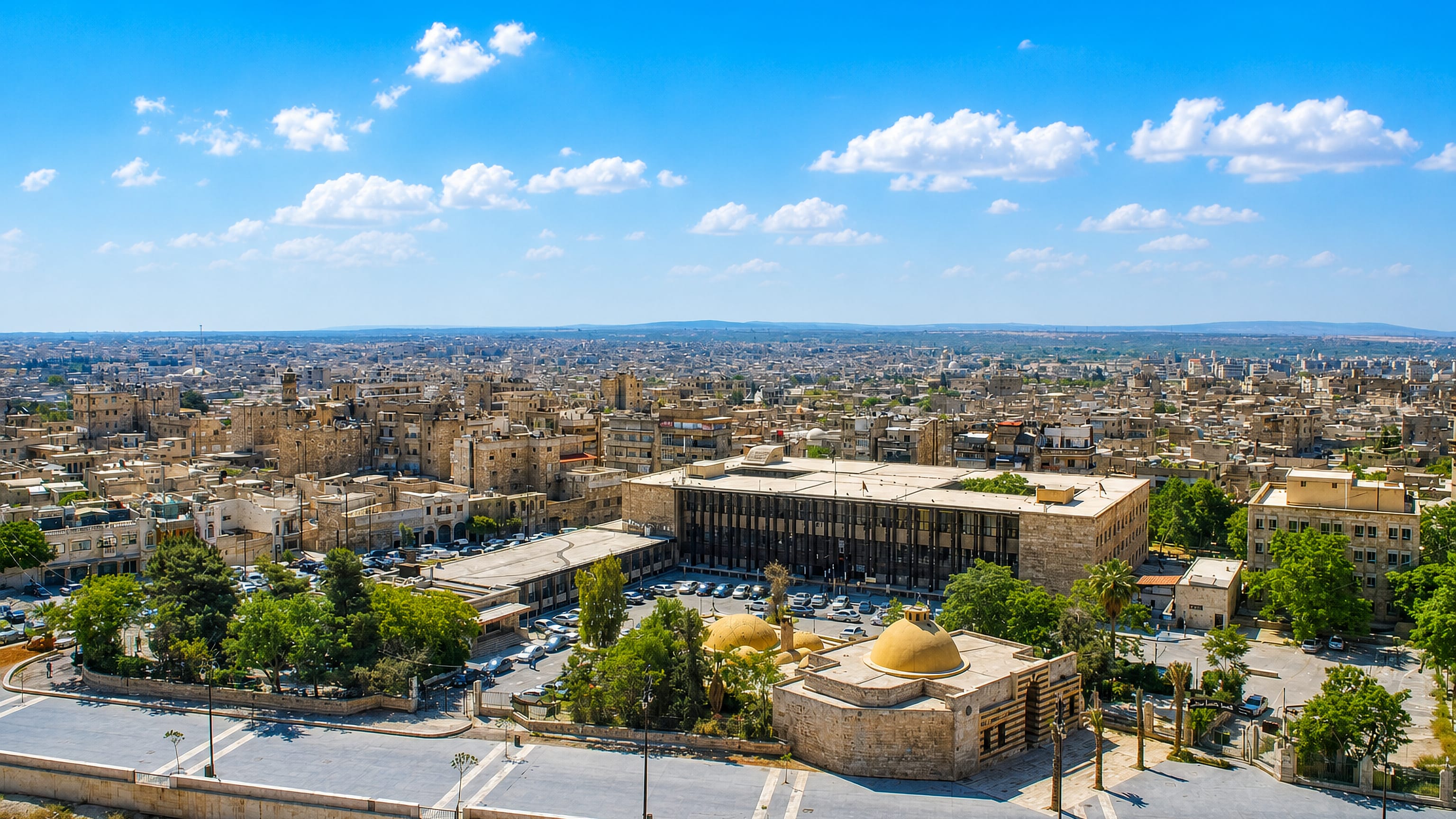
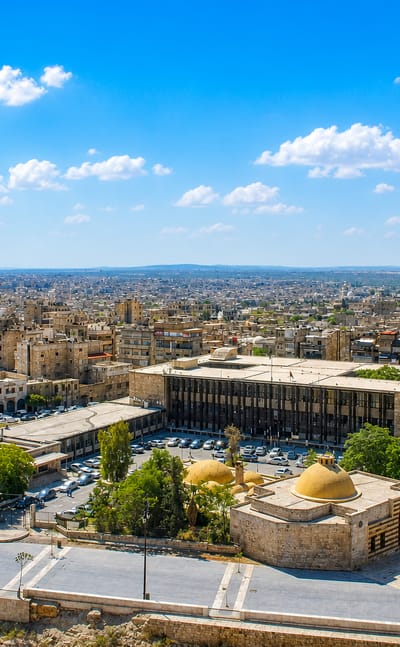
The Citadel of Aleppo crowns the old city, capital of the Aleppo Governorate in northern Syria and one of the oldest continuously inhabited cities.Where to stay →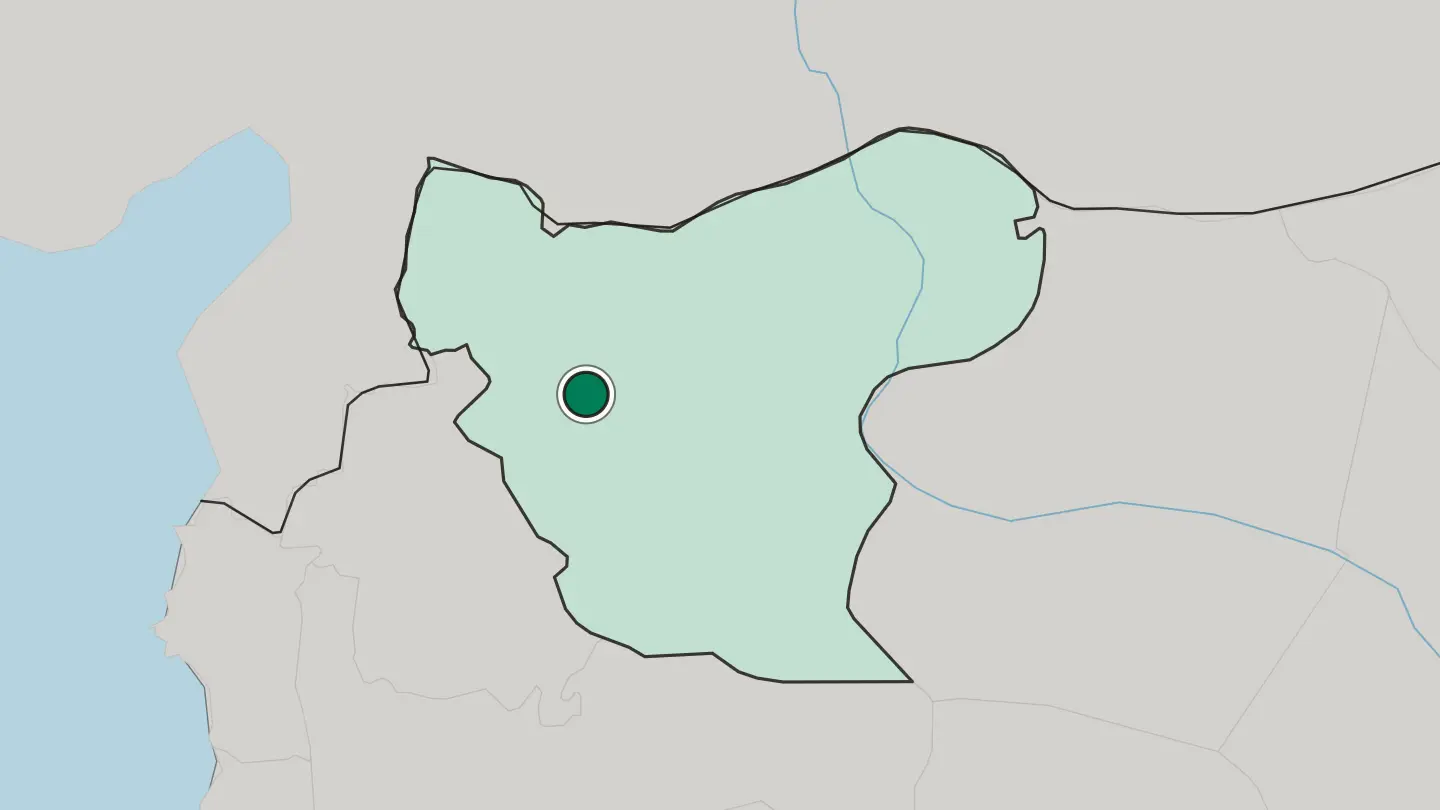 Syria
Syria
Manbij
Manbij is an ancient city of Aleppo Governorate in Syria, standing some thirty kilometres west of the Euphrates.Where to stay →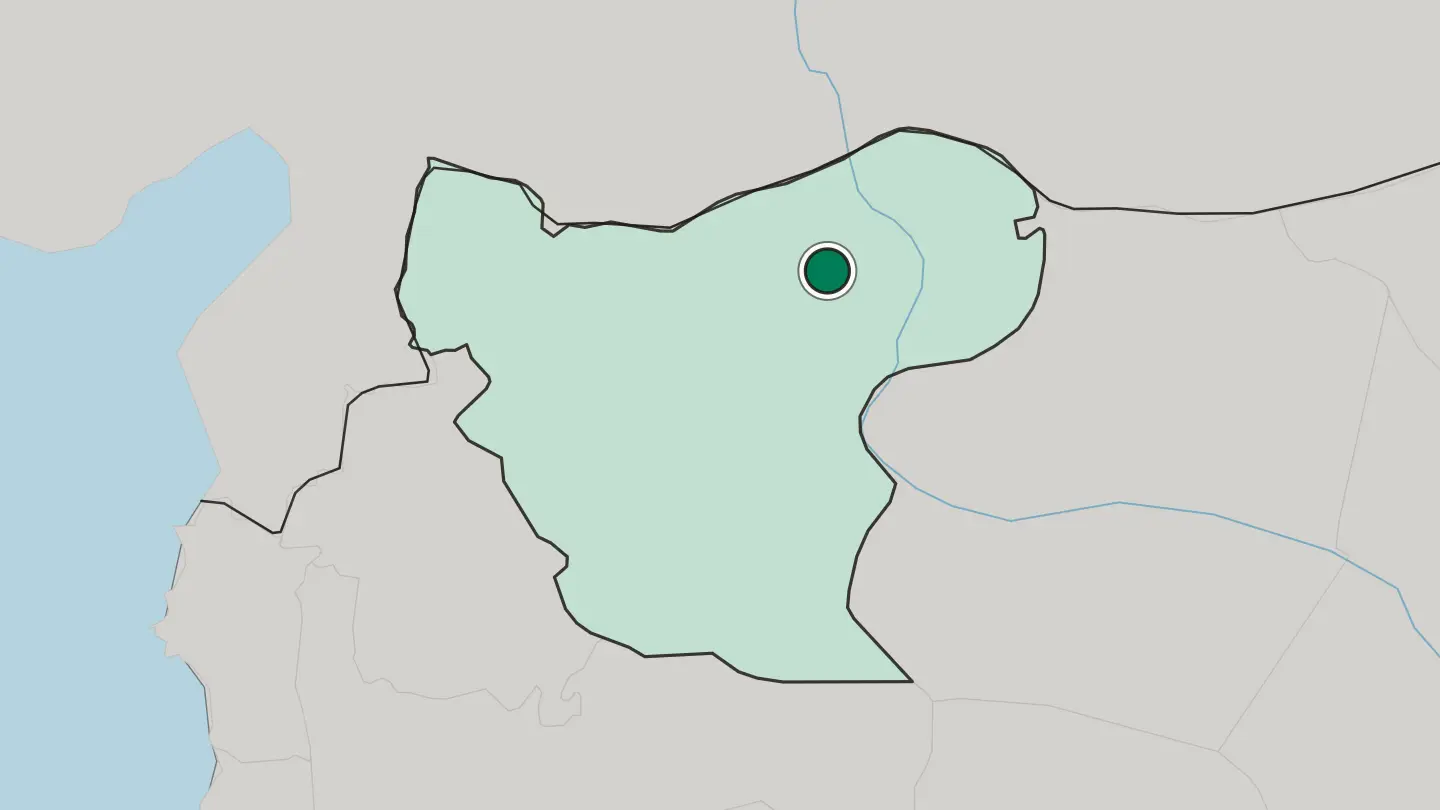 Syria
Syria
I‘zāz
I'zāz, also written Azaz, is a town of Aleppo Governorate in Syria, standing about twenty miles north-northwest of Aleppo itself.Where to stay →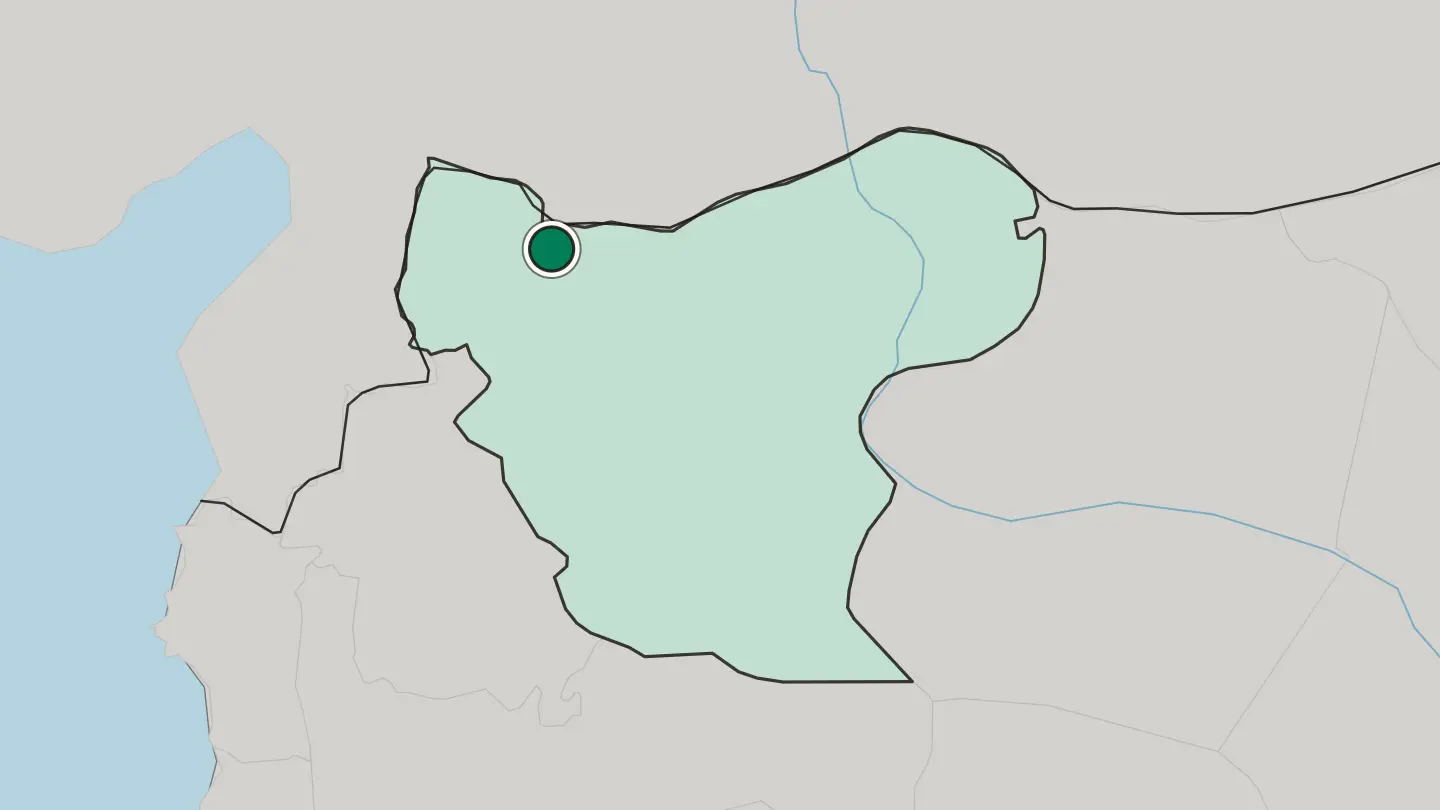 Syria
Syria
‘Ayn al ‘Arab
'Ayn al 'Arab, known as Kobanî, is a Kurdish-majority city of Aleppo Governorate lying just south of the Syria-Turkey border.Where to stay →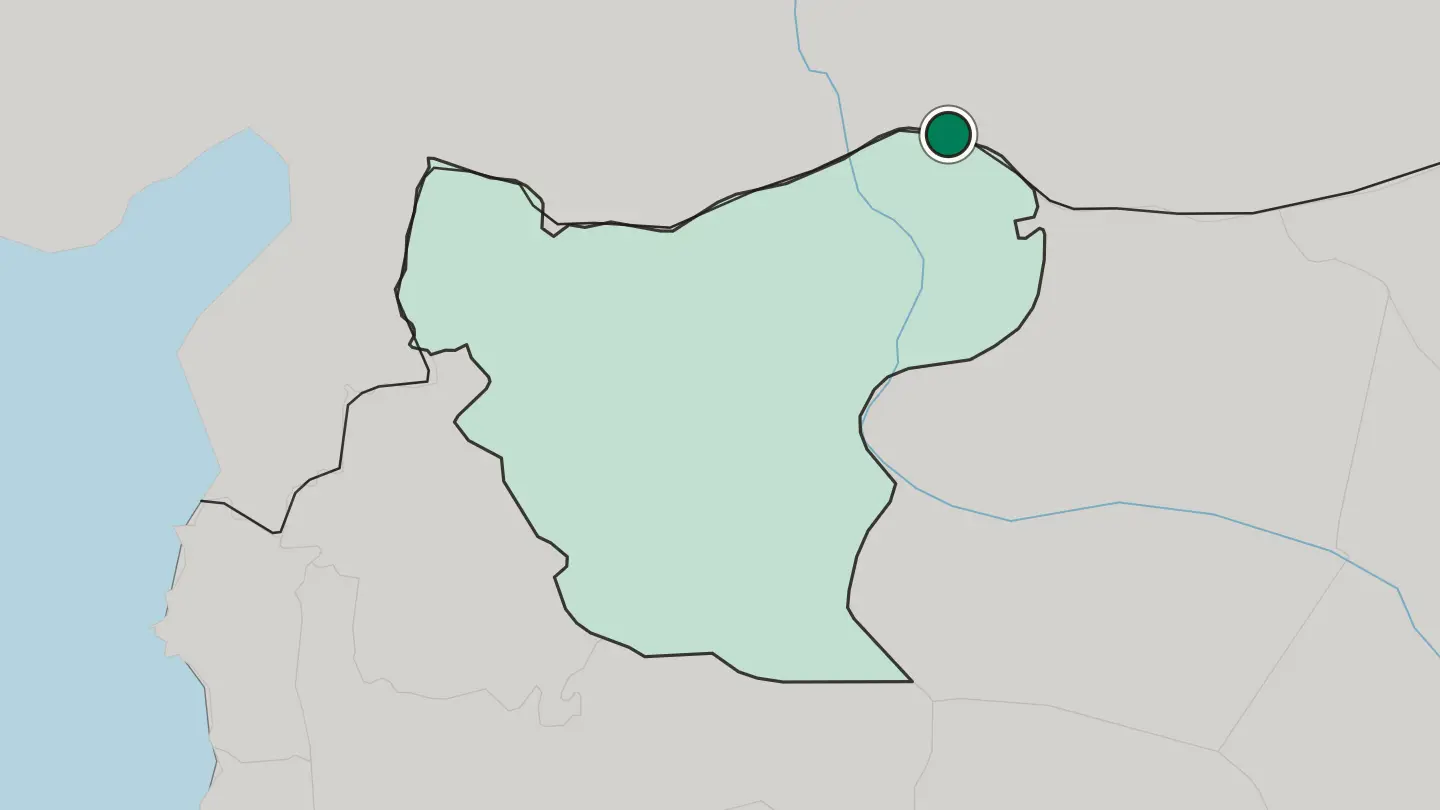
About Aleppo Governorate
One city defines the whole region.
What is Aleppo Governorate known for?
Aleppo grew rich on the caravan trade that once linked the Mediterranean to the Euphrates and, beyond it, to China, and that long commerce left behind the Citadel of Aleppo on its hill and the vaulted lanes of the Ancient City of Aleppo below. Its covered market ran for kilometres of stone-roofed alleys. Aleppo soap, boiled from local olive oil and coastal laurel, still carries the region's name across the world.
The plateau around the city grows olives, pistachios and cereals.
Where is Aleppo Governorate?
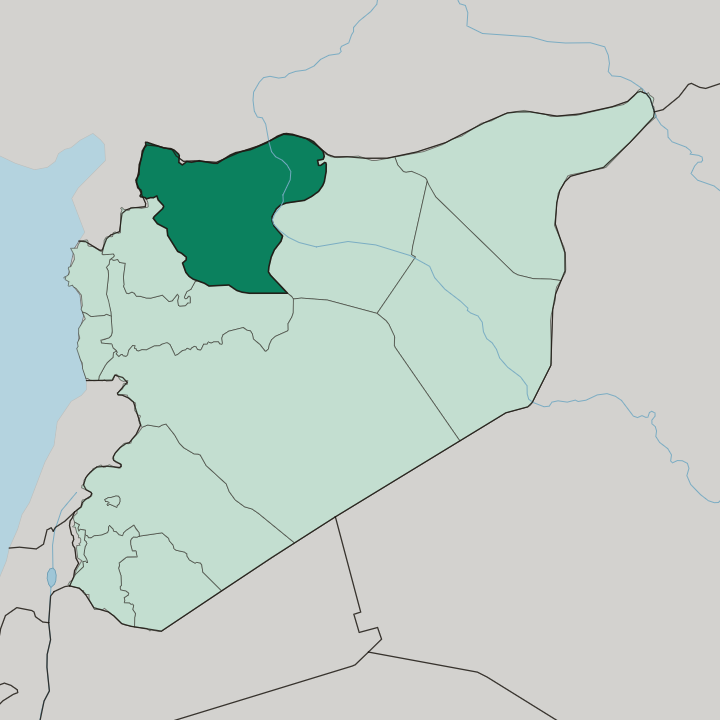
Aleppo Governorate fills the north-west corner of Syria, spread across the tableland geographers call the Aleppo plateau. Turkey lies along its whole northern edge. That frontier runs for 221 kilometres against the Turkish provinces of Kilis, Gaziantep and Şanlıurfa, and it cuts the region off from what were once its natural hinterlands to the north. Idlib Governorate borders it to the west and Hama Governorate to the south. Raqqa Governorate lies to the east, out past the Euphrates.
The land is high open steppe rather than mountain, dry and rolling, tilting gently down toward the river valleys. Water comes from the north. The Quwayq, the Afrin, the Sajur and the Euphrates all rise inside Turkey and flow south into the governorate, so the plateau depends on rivers it does not control.
The north-eastern districts drop off the Aleppo plateau into the Euphrates valley and the edge of the Jazira beyond. This is the western flank of the Fertile Crescent. That crescent is the arc of watered land where the earliest farming took hold, and Aleppo sits near the centre of it, on the Quwayq, roughly halfway between the Mediterranean coast and the great river.
What is Aleppo Governorate like?
Aleppo has always been a merchant's city, and trade shaped its culture as much as any dynasty did. Arabic is the common tongue of the governorate. Around it live communities that give the region its layered character: Kurds concentrated in Afrin and in the northern hills, Armenians long settled in the city, Turkmen along the Turkish border, and Syriac Christians whose liturgy is older than Arabic here.
The city's Aleppo dialect is famous across the Levant. Food and craft carry the region's identity as clearly as language. Aleppo cuisine is a benchmark for the whole eastern Mediterranean, built on cherry-glazed kebabs, on pomegranate and hot pepper, and on the pistachios grown out on the plateau.
Aleppo soap is the older craft. Cauldrons of olive oil and laurel oil are boiled through the winter months, poured out to set, then cut and stamped by hand and left to cure for the better part of a year. That green bar carries the city's name to markets far beyond Syria.
Music matters too. Aleppo's singers kept the classical Arab song tradition alive for generations, and its concerts of muwashshah were known well past the region.
What is the history of Aleppo Governorate?
Few places have been lived in longer. Aleppo may have been settled since the sixth millennium BC, and its citadel hill held a temple to the storm-god Hadad in the third millennium BC, when the city was a seat of the kingdom of Yamhad. Hittites, Assyrians, Greeks, Arabs, Mongols, Mamluks and Ottomans each ruled it in turn, drawn by its place on the caravan roads between the Mediterranean and the Euphrates.
The Ancient City of Aleppo was named a UNESCO World Heritage Site in 1986. Modern boundaries made the surrounding plateau a single governorate under the Syrian state.
What is the climate of Aleppo Governorate?
The plateau has a dry, continental feel. Summers on the Aleppo plateau are long, hot and almost rainless, with the steppe baked pale by August. Winters turn cold and damp, and frost is common on the open ground away from the city.
Average temperatures across the governorate sit around 15 to 20 degrees. What rain there is falls in the cooler half of the year, thinning out sharply toward the drier east near the Euphrates. It is a farming climate wrung from a hard land.
How do you get to Aleppo Governorate?
Aleppo is the way in. The city's international airport is the region's air gateway, and the old highways fan out from it south toward Hama Governorate and Damascus and east across the plateau toward the Euphrates and Raqqa Governorate. The long northern frontier with Turkey carries several land crossings, at Azaz and elsewhere along the 221-kilometre border.
Rail once linked Aleppo north into Anatolia and south to the capital. Most travellers reach the district towns by road from Aleppo itself.
Common questions
What is the best area to stay in Aleppo Governorate?
Aleppo: the Citadel and the old souq. Manbij: the Euphrates approaches in the east.
Good for
More regions in Syria
Updated September 2026