Thailand
Phuket Province, Thailand — Towns & Travel Guide
Phuket is Thailand's largest island, a mountainous province ringed by beaches on the Andaman Sea and linked to the mainland by bridge.
Hotel links are affiliate links: booking through them may earn us a commission, at no extra cost to you. It never affects how places are ranked. How this works


Towns & cities in Phuket Province
One town here has its own guide — it links to where to stay.

 Thailand
Phuket
Phuket is an island city of southern Thailand in the Andaman Sea, an old tin port of Sino-Portuguese streets anchoring the country's biggest beach resort.Where to stay →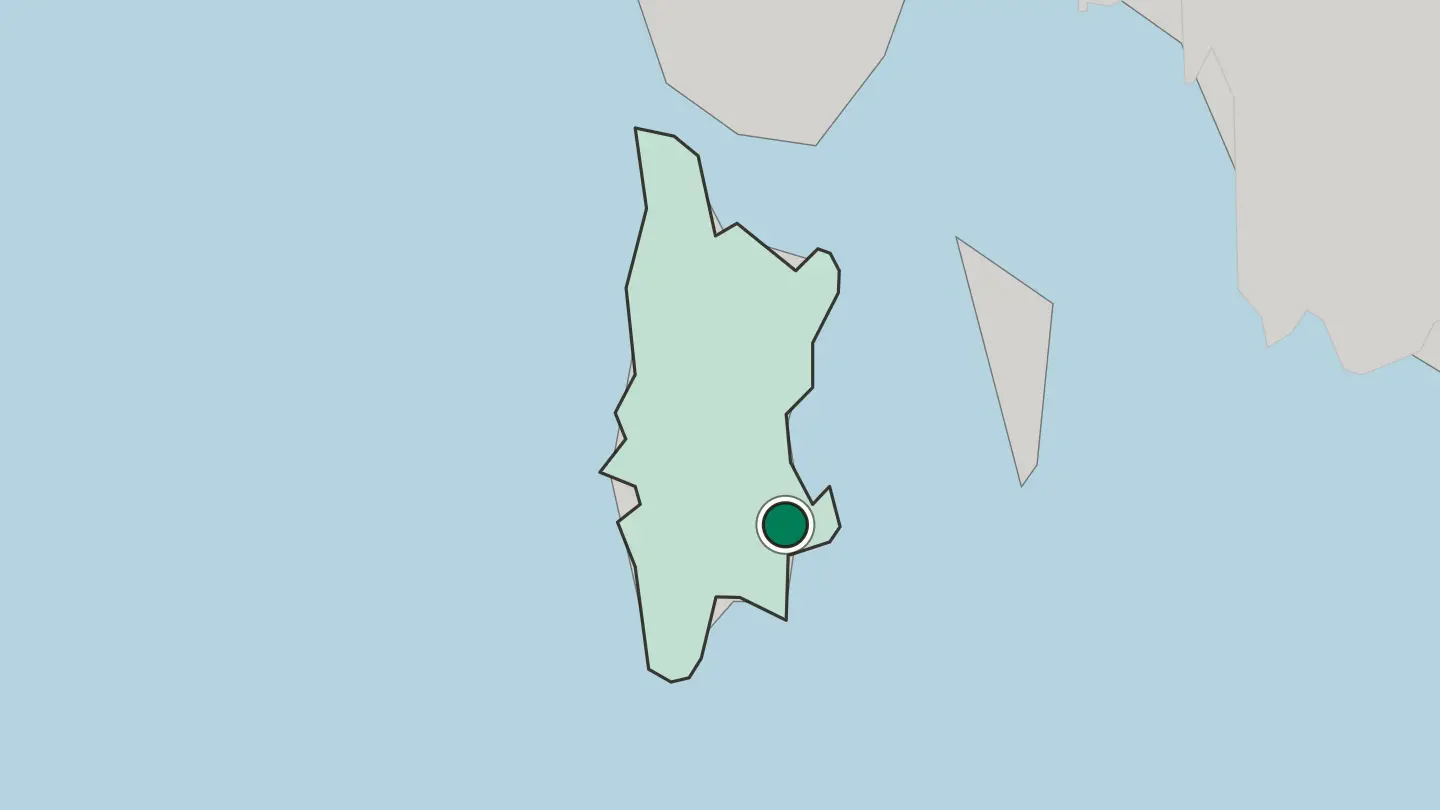
Hotel links are affiliate links: booking through them may earn us a commission, at no extra cost to you. It never affects how places are ranked. How this works
About Phuket Province
Beaches make the name.
What is Phuket Province known for?
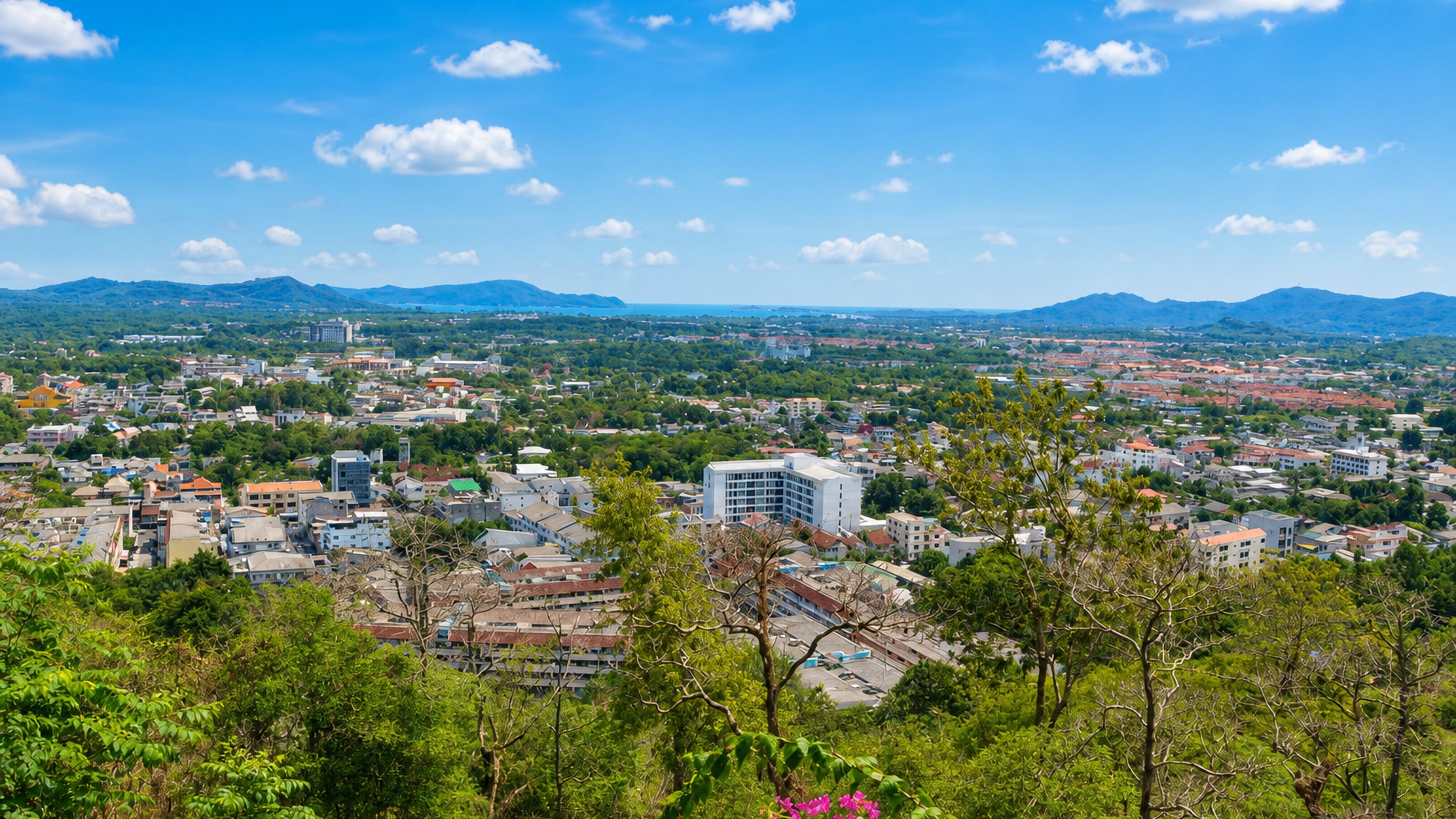
The west coast faces the Andaman Sea with a run of sandy bays, from the noise of Patong to the long curve of Karon, while the sheltered east side stays quieter and more working. Inland the ground climbs into forested hills that cover most of the island. Phuket Town holds the other half of the story, its old quarter lined with Sino-Portuguese shophouses left by the tin-trade merchants.
Divers and island-hoppers use the province as a base for the limestone islands scattered north into Phang Nga Province.
Where is Phuket Province?
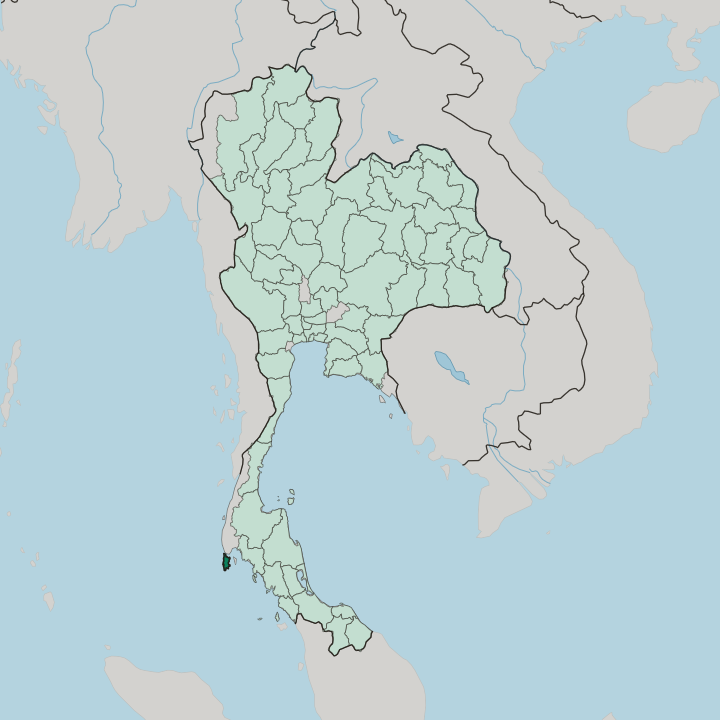
Phuket is Thailand's largest island, set in the Andaman Sea off the country's west coast. It is small for a province. Only one Thai province covers less ground, yet the island still stretches far enough that a spine of forested hills runs down its western side while flatter, more settled land spreads across the centre and east.
The Malay Peninsula lies just across the water to the east, and a narrow strait divides the two. That gap is bridged. The Sarasin Bridge and its newer twin carry the road over to Phang Nga Province, the island's only crossing to the mainland.
The two coasts could not be less alike. West-facing beaches take the open Andaman Sea head-on, which is why the sand and the resorts gather there, from Patong down to the southern capes. The eastern shore turns muddy and tidal, given over to piers, fishing and the boats that run out to the islands.
And there are many islands. Another thirty-two of them belong to the province, flung across the water toward the limestone stacks of Phang Nga Province. Deep inside, the hills stay green and thinly built, so most of the island's life keeps to the ring of coast and the lowland around Phuket Town.
What is Phuket Province like?
Two Phukets share the island. The older one grew inland at Phuket Town, where Chinese migrants came for the tin and stayed, marrying local Malay and Thai women. Their descendants are the Peranakan, the Baba community whose shophouses, shrines and kitchens still set the tone of the old quarter.
That heritage runs deep. It shows in the arched five-foot walkways of the Sino-Portuguese streets, in Hokkien words that survive in the local speech, and in an October festival when devotees of the Nine Emperor Gods parade in white and keep a strict vegetarian fast. Thai is the everyday language, but the culture underneath it is a blend the mainland does not quite share.
The other Phuket faces the sea. Along the west coast the culture is newer and built for visitors, a run of beach resorts, dive shops and night markets that answer to a different rhythm than the shrines of the old town. Buddhism still frames daily life across both.
Temples, spirit houses and the giant marble Buddha above Chalong sit alongside the Chinese shrines, and the calendar keeps their festivals. Food carries the mix best. Hokkien noodle dishes, Malay-spiced curries and fresh Andaman seafood turn up side by side on the same street stall.
What is the history of Phuket Province?
Tin made Phuket. Long known to foreign traders as Junk Ceylon, the island grew rich on the ore dug from its hills, and by the tin boom of the nineteenth century boatloads of Hokkien Chinese labourers and merchants had arrived to work it. Their wealth built the shophouses of Phuket Town.
An earlier chapter is remembered at Thalang, where in 1785 two local women rallied the defence and turned back a Burmese siege, an act the island still honours with a monument. When the tin ran down, rubber and then tourism took its place.
What is the climate of Phuket Province?
Phuket runs hot the year round, and its calendar turns on the monsoon rather than on temperature. The dry months come with the northeast monsoon, roughly November into April, when the Andaman Sea flattens and the west-coast beaches see calm water and clear skies. Then the wind swings.
From May the southwest monsoon drives rain and heavy surf straight onto that same exposed coast, and warning flags go up as the swell builds through September. Rain falls hardest here because the Andaman side takes the wet winds head-on.
How do you get to Phuket Province?
For most travellers, Phuket begins at the airport. Phuket International Airport sits at the island's northern end and takes direct flights from across Asia, which spares almost everyone the long road south. Overland arrivals cross the strait from Phang Nga Province, where the highway runs onto the island beside the old Sarasin Bridge.
Boats matter too. Ferries and speedboats run in from Krabi, the Phi Phi islands and the rest of the Andaman coast. From the airport a single main road threads down the length of the island to Phuket Town and the western beaches.
Common questions
What is the best area to stay in Phuket Province?
Patong: nightlife within stumbling distance of the sand. Karon: an easy first-visit beach without the late-night noise. Bang Tao: self-contained resort comfort close to the airport. Phuket Town: heritage streets and markets over beach sand.
Good for
More regions in Thailand
Updated September 2026