Turkey
Eskişehir, Turkey — Towns & Travel Guide
Eskişehir is a province of west-central Turkey where the Porsuk River threads a young student city across the Central Anatolian steppe.
Hotel links are affiliate links: booking through them may earn us a commission, at no extra cost to you. It never affects how places are ranked. How this works


Towns & cities in Eskişehir
One town here has its own guide — it links to where to stay.

 Turkey
Eskişehir
Painted timber houses climb the Odunpazarı quarter of Eskişehir, a student city of Western Anatolia, Turkey, known for its museums and meerschaum craft.Where to stay →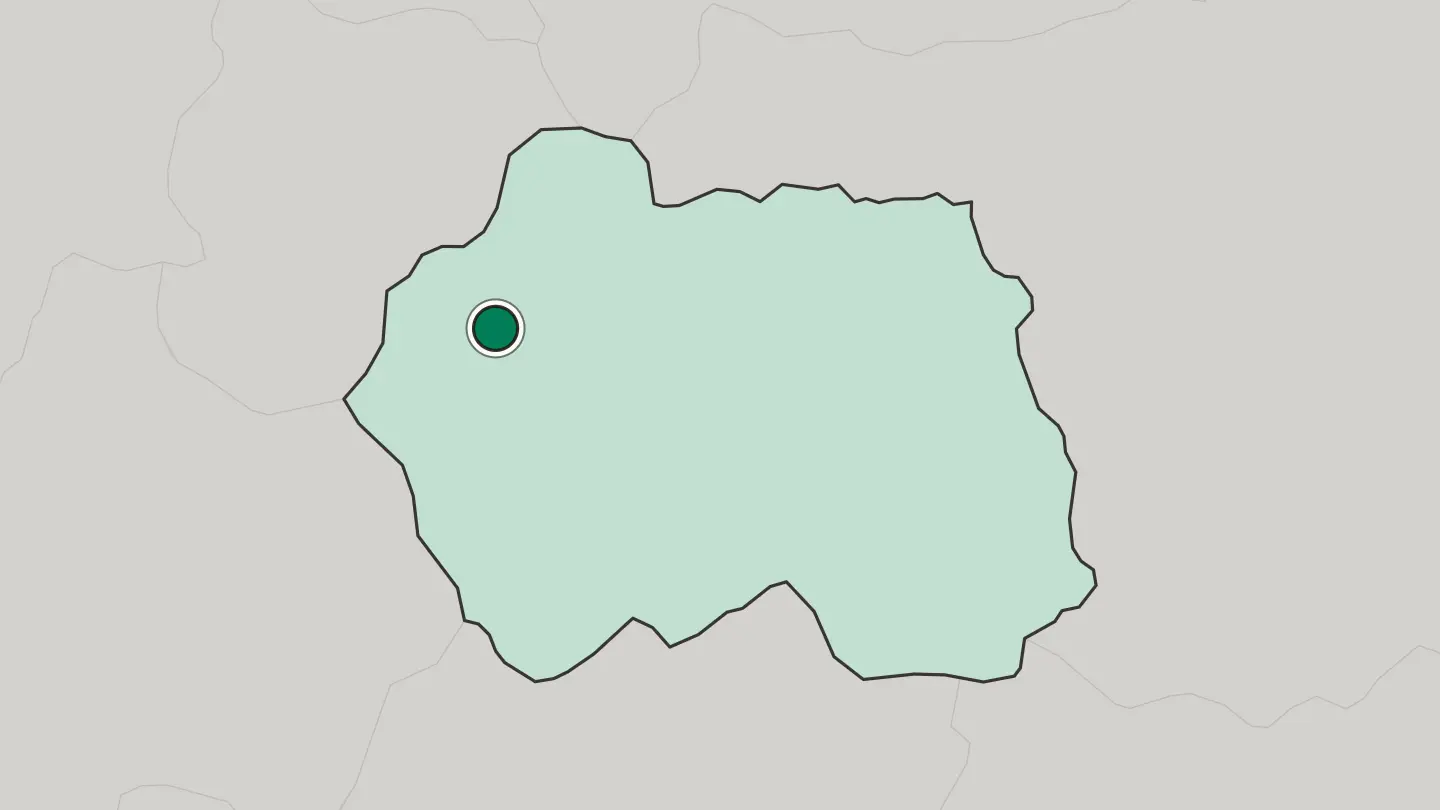
Hotel links are affiliate links: booking through them may earn us a commission, at no extra cost to you. It never affects how places are ranked. How this works
About Eskişehir
Two things define Eskişehir: meerschaum and students.
What is Eskişehir known for?
The soft white stone that carvers call lületaşı is mined in these hills and almost nowhere else on earth, and workshops still turn it into pipes. Anadolu University packs the centre with a young crowd. Along the Porsuk River, landscaped banks and gondolas have earned the place comparisons with Venice.
Odunpazarı climbs the slope above, a quarter of restored timber Ottoman houses painted ochre, blue and green. Behind the city spreads the old Phrygian country.
Where is Eskişehir?
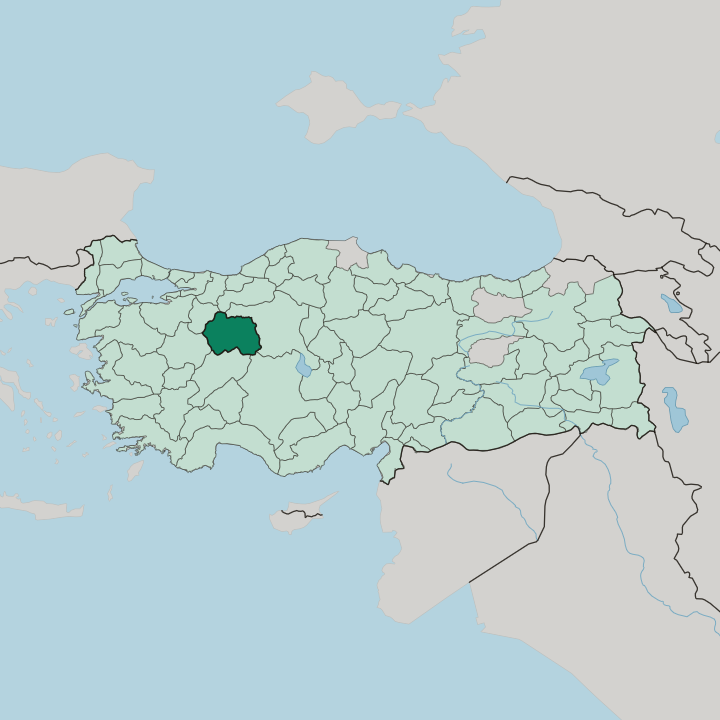
Eskişehir sits in north-western Central Anatolia, on the high plateau that fills the middle of Turkey. The land rests around eight hundred metres up. Its heart is a broad, flat plain, floored with soft alluvium laid down by two rivers over the ages.
The Porsuk is the important one. This stream is the longest tributary of the Sakarya River, and it runs clean across the Eskişehir plain from west to east before joining the larger river near the old Phrygian capital of Gordion. Steppe grass and low hills rise away from the water on either side.
Further north, the Sakarya itself carves through wooded hills, a cooler, greener seam above the open plain. Land borders ring the province on every side, since it touches no sea. Kütahya lies to the west and Afyonkarahisar to the south-west, while Ankara stands to the east across the steppe and Bilecik closes the north-western corner. Konya reaches up from the south, and Bolu lies to the north. The provincial capital, the city that shares the name Eskişehir, was built on the banks of the Porsuk where the plain opens toward the old Phrygian country.
That river, more than any ridge or border, organises the whole province.
What is Eskişehir like?
Eskişehir feels much younger than its history. Tens of thousands of students at Anadolu University set the tone, and the city answers them with cafés, live music and a dense calendar of festivals. Contemporary art has found a permanent home too.
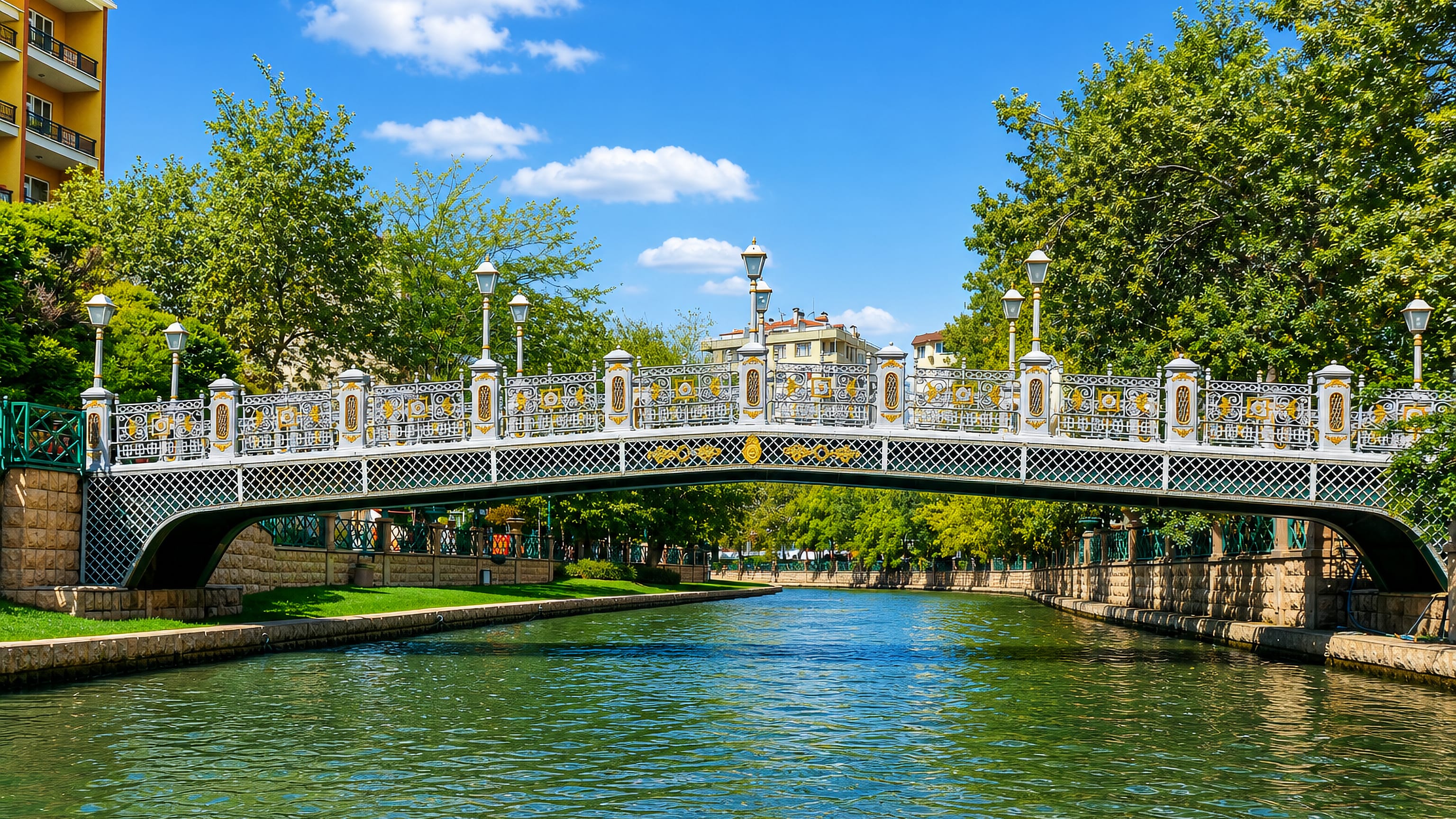
The Odunpazarı Modern Museum, a stack of timber beams by the architect Kengo Kuma, rises among the old houses whose wood market once gave the quarter its name. Down on the Porsuk, couples drift past in painted gondolas while buskers work the riverside promenade. The province also carries the memory of long overland journeys.
Waves of Crimean Tatar and Balkan settlers made their home on this plain, and their kitchens shaped the local table. The dish everyone names is çibörek, a thin fried half-moon of dough stuffed with spiced minced beef, carried here from the Crimea generations back. Handwork carries an equally old lineage in Eskişehir.
Carvers still coax soldiers, sailing ships and faces out of blocks of soft white meerschaum, a stone the ground gives up almost nowhere else. Turkish is the everyday language, threaded through with words those migrants carried with them.
What is the history of Eskişehir?
The name says it plainly: Eskişehir means 'old city' in Turkish. The Phrygians settled this plain first, and their town of Dorylaeum stood close to the modern centre. Crusaders broke a Seljuk army here in 1097, a victory that opened their long road across Anatolia.
The Seljuks later took the town and renamed it Sultanönü. After the Seljuks came the Ottomans. The city's modern fortune arrived with the Anatolian Railway, whose junction and locomotive works turned a quiet market into an industrial hub.
What is the climate of Eskişehir?
Eskişehir keeps the dry, continental weather of the high Anatolian plateau. Winters are properly cold. Snow settles over the Porsuk plain, and hard frosts are normal from December into March.
Summers turn hot but stay dry, and the thin plateau air sheds the day's heat once the sun drops, so the nights cool off fast. Rain is sparse and spread thin across the year, which leaves the surrounding steppe pale and parched by late summer.
How do you get to Eskişehir?
The train does the work here. Eskişehir sits on the high-speed line that links Ankara with Istanbul, so frequent YHT services reach it from both directions in a couple of hours. The city has been a rail junction since the Anatolian Railway first came through, and trains still shape how people arrive.
Drivers reach it easily off the main roads between Ankara and the Aegean coast. Most air travellers land at Ankara or Istanbul and finish the trip by rail.
Common questions
What is the best area to stay in Eskişehir?
Eskişehir city centre: a first base beside the Porsuk. Odunpazarı: boutique stays in Ottoman timber houses. The Phrygian highlands: rock-cut Phrygian monuments and the Midas Monument.
More regions in Turkey
Updated October 2026