Ukraine
Chernivtsi Oblast, Ukraine — Towns & Travel Guide
Chernivtsi Oblast is Ukraine's smallest region, a slice of historical Bukovina wedged between the Carpathians and the Dniester.
Hotel links are affiliate links: booking through them may earn us a commission, at no extra cost to you. It never affects how places are ranked. How this works


Towns & cities in Chernivtsi Oblast
One town here has its own guide — it links to where to stay.
 Ukraine
Chernivtsi
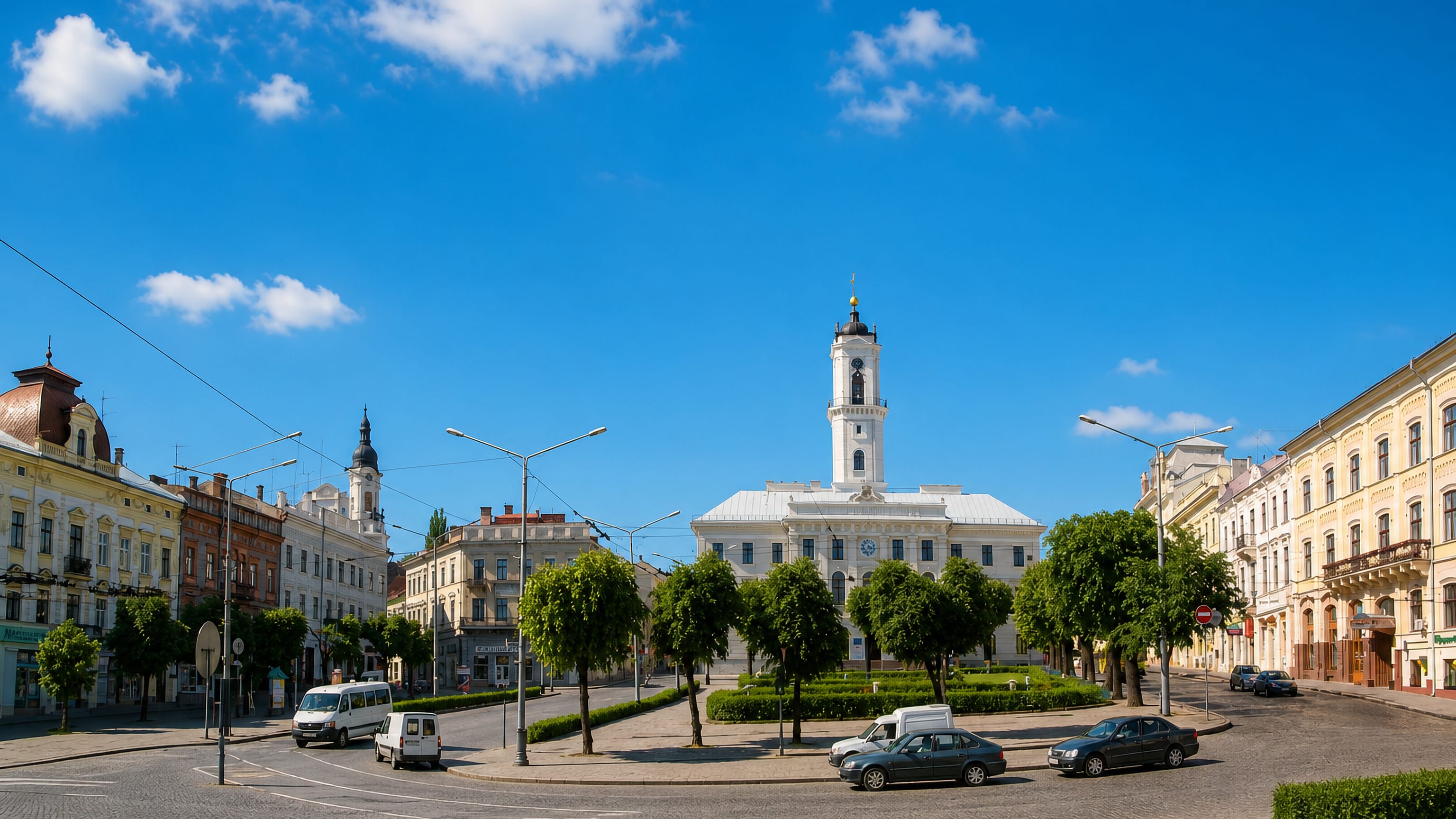
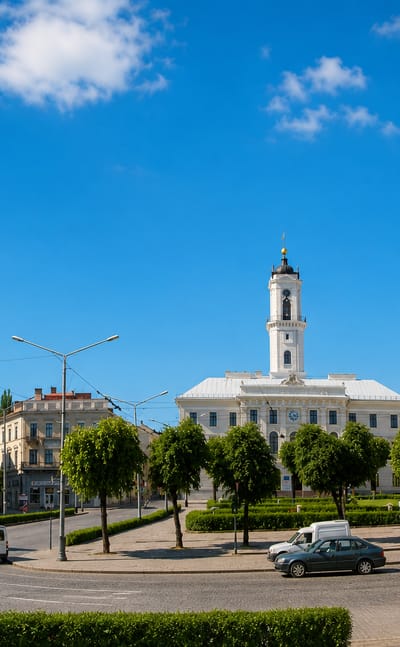
The Prut runs below Chernivtsi, the old capital of Bukovina in southwestern Ukraine, known for St. Nicholas Cathedral and its hillside old town.Where to stay →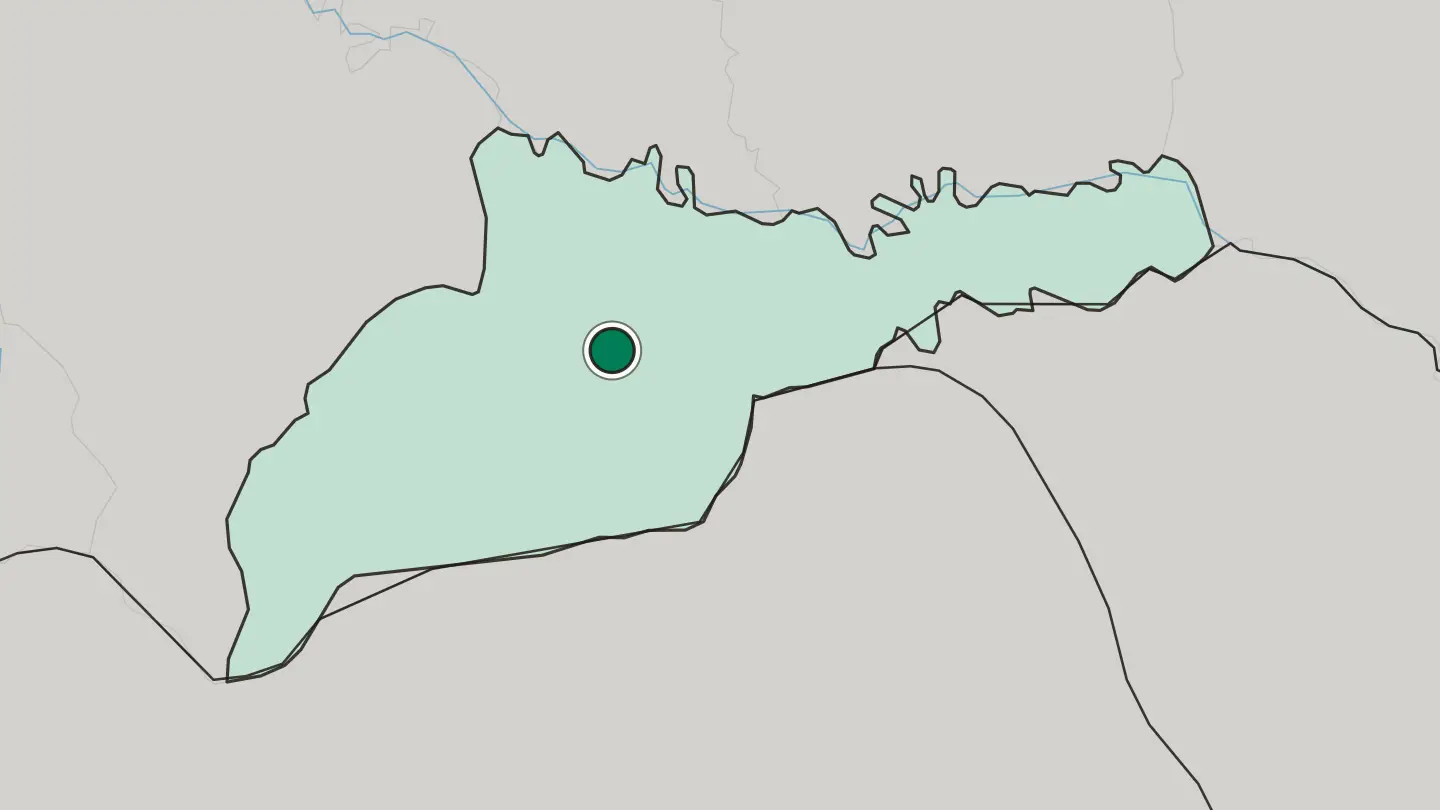
Hotel links are affiliate links: booking through them may earn us a commission, at no extra cost to you. It never affects how places are ranked. How this works
About Chernivtsi Oblast
This is Bukovina.
What is Chernivtsi Oblast known for?
The region built its name on a single building: the domed brick-and-tile Residence of the Bukovinian and Dalmatian Metropolitans in Chernivtsi, a UNESCO-listed campus that now houses the university. Chernivtsi itself earned the nickname Little Vienna under Habsburg rule, and the old town still wears that Central European face. South and west the land climbs into the Bukovinian Carpathians, threaded by the Prut and the Siret, while the Khotyn Fortress guards the Dniester in the far east.
Where is Chernivtsi Oblast?
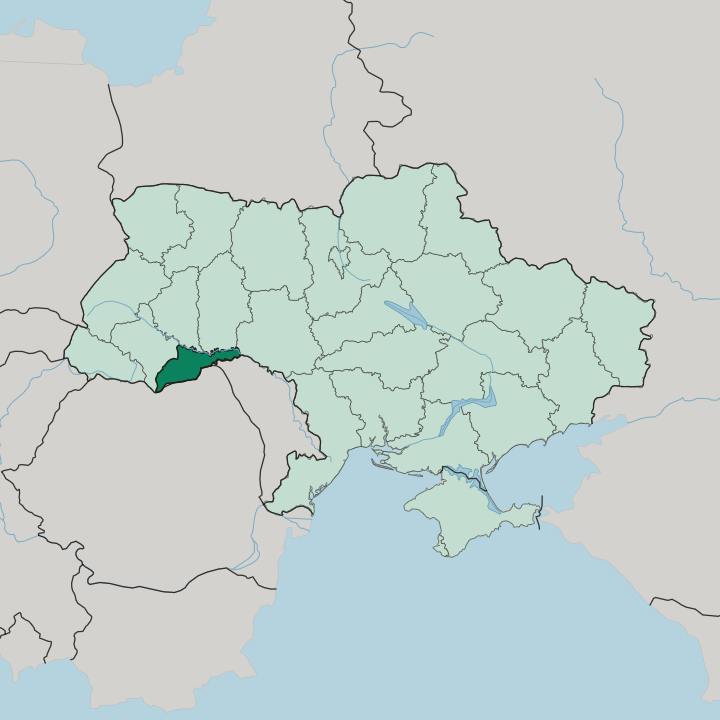
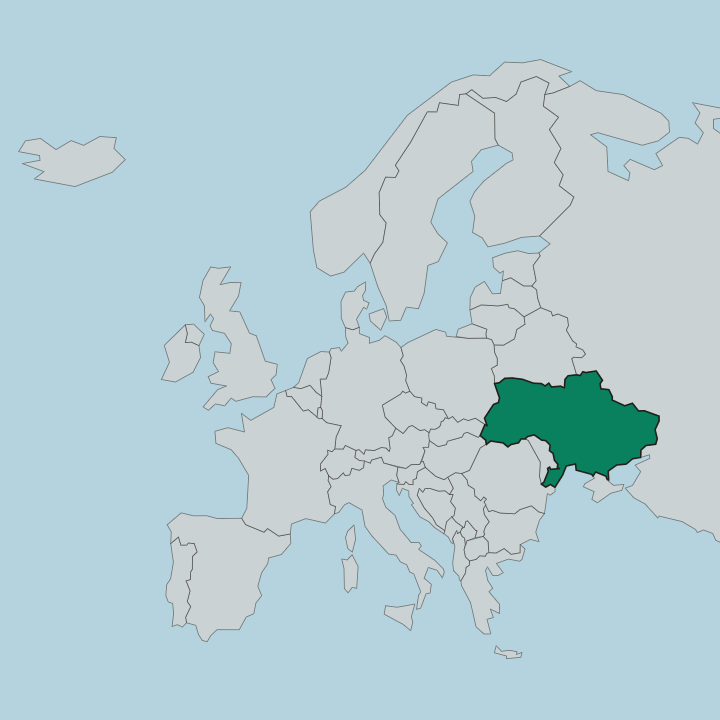
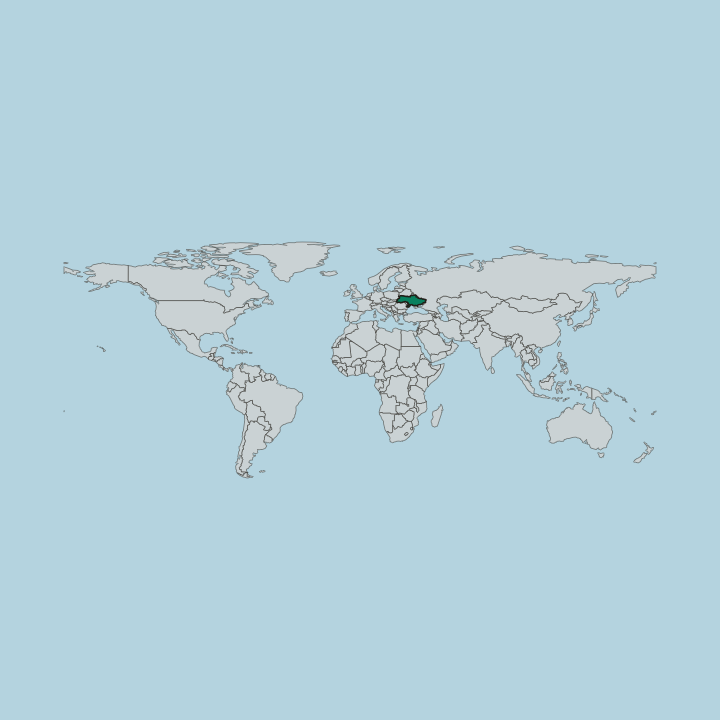
Chernivtsi Oblast fills the far south-west corner of Ukraine, the smallest of the country's regions by area. It borders Romania to the south and Moldova to the east, and no other oblast touches so much foreign frontier for its size. Two historical lands meet inside it.
The larger share is northern Bukovina; a strip east of the Dniester belongs to old Bessarabia. The land is not uniform. In the north-east it opens into a forest-steppe plain rolling between the Dniester and the Prut, good farming country dotted with orchards.
Move south-west and it tilts upward, first into rounded foothills and then into the Bukovinian Carpathians, the region's mountain edge against Romania. Three rivers organize everything. The Dniester runs along the northern boundary and carries the Khotyn Fortress on its bank.
Cutting through the middle past Chernivtsi itself is the Prut. Down south the Siret drains the hills toward Romania. Between them the oblast packs plain, foothill, and mountain into a territory you can cross in a single day's drive, which is part of why so much of Bukovina's variety survives in such a small space.
What is Chernivtsi Oblast like?
Bukovina was always a border of peoples, and the region carries that inheritance in its streets and its speech. Under the Habsburgs, Chernivtsi grew into a crossroads where Ukrainians, Romanians, Germans, Jews, and Poles lived side by side, and the city traded in German as its common tongue. Locals called it Little Vienna.
The German-language university, the coffee-house culture, the ornate apartment blocks along Kobylianska Street all date from those decades. War and border changes thinned the old communities, yet the built inheritance stayed put. The region is Ukrainian-speaking in its core, with a large Romanian-speaking minority in the villages near the southern border, a living echo of the frontier.
Bukovinian folk culture runs strong in the hills. Embroidered shirts, wooden churches, and Hutsul craft traditions survive in the Carpathian settlements around Putyla and Vyzhnytsia. The plainland and the mountains keep different rhythms.
One looks to Chernivtsi and its Central European past, the other to the forest and the pasture, and the oblast holds both without dissolving the difference between them.
What is the history of Chernivtsi Oblast?
The land's modern shape was set by empires. In 1775 the Habsburg monarchy annexed the two Moldavian counties that became known as Bukovina, and in 1849 raised it to the Duchy of Bukovina, an Austrian crown land with Chernivtsi as its capital. Austria-Hungary collapsed in 1918.
Bukovina then passed to the Kingdom of Romania. Soviet forces took the northern half in 1940, and the present oblast was created that year from northern Bukovina and a strip of Bessarabia. Borders moved again and again; the mix of peoples they left behind did not simply move with them.
What is the climate of Chernivtsi Oblast?
The oblast has a moderately continental climate, milder than most of Ukraine thanks to the sheltering Carpathians. Seasons are distinct. Winters are cold and snowy, summers warm and green, with rain spread evenly through the year.
The plains between the Dniester and the Prut stay drier and warmer; the Bukovinian Carpathians in the south-west catch more cloud and more rainfall, and hold snow later into spring. Late spring and early autumn are the kindest windows.
How do you get to Chernivtsi Oblast?
Chernivtsi is the way in. Most travellers reach the region overland through the capital, though the city keeps its own airport, Chernivtsi International Airport, on the outskirts. The rail line is the classic approach: trains run down from Lviv in the north over a branch first opened in 1866.
The Romanian and Moldovan borders lie close to the south and east, so road crossings feed in from both. Once you are in Chernivtsi, buses and marshrutkas fan out to Khotyn, Vyzhnytsia, and the Carpathian villages within a couple of hours.
Common questions
What is the best area to stay in Chernivtsi Oblast?
Chernivtsi: the Little Vienna old town. Khotyn and the Dniester: a fortress day trip east. Vyzhnytsia and the Bukovinian Carpathians: beech forests and Carpathian air.
Good for
More regions in Ukraine
Updated September 2026