United States
Hawaii, United States — Towns & Travel Guide
Hawaii is the only U.S. state made entirely of islands, a volcanic archipelago in the central Pacific Ocean far from the mainland.
Hotel links are affiliate links: booking through them may earn us a commission, at no extra cost to you. It never affects how places are ranked. How this works


Towns & cities in Hawaii
One town here has its own guide — it links to where to stay.
 United States
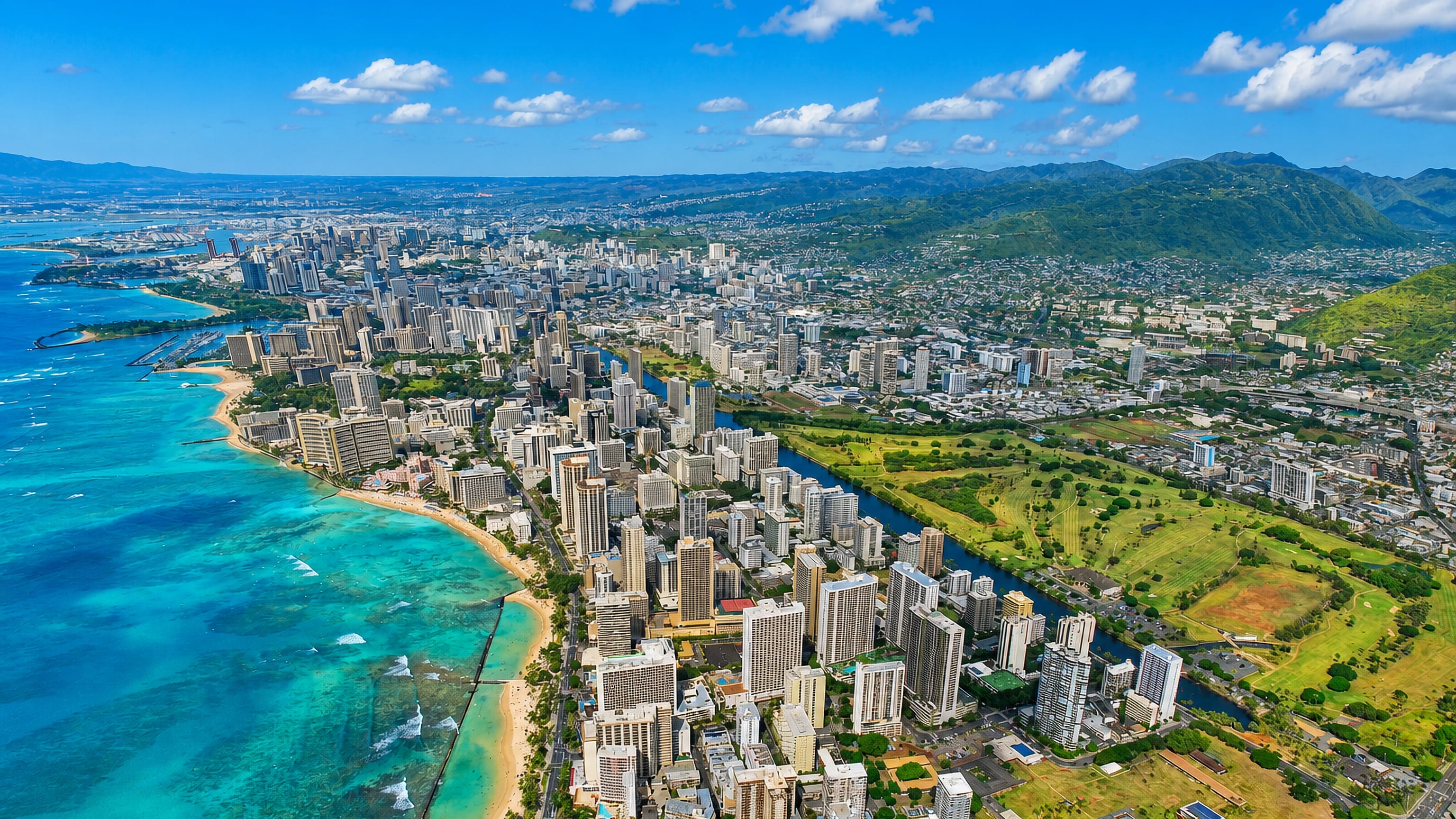
Honolulu
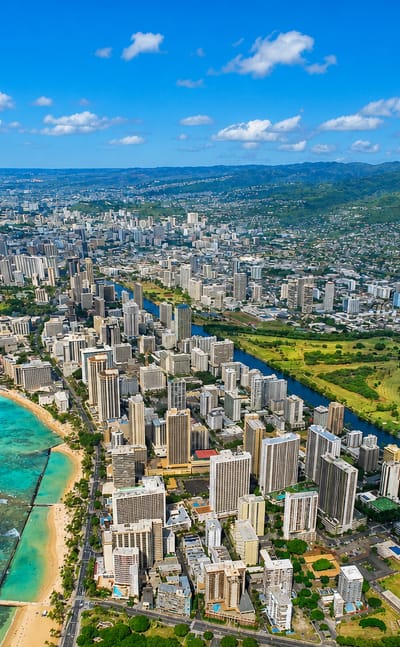
Honolulu is the capital of Hawaii on the southern shore of Oʻahu, a Pacific port city known for Waikiki Beach, the Aloha Tower, and Kawaiahaʻo Church.Where to stay →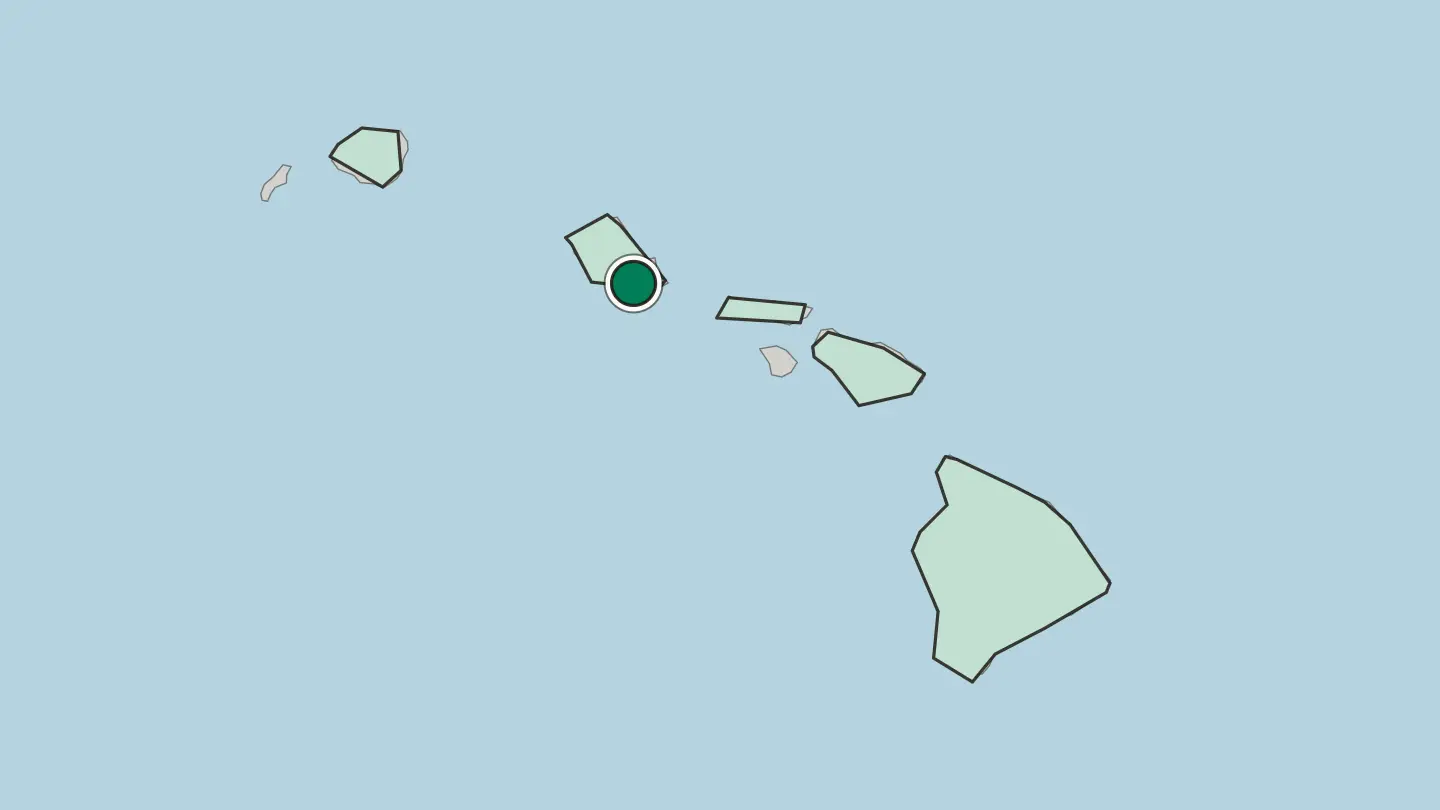
Hotel links are affiliate links: booking through them may earn us a commission, at no extra cost to you. It never affects how places are ranked. How this works
About Hawaii
Islands are the whole story here.
What is Hawaii known for?
Most first trips land on Oʻahu, where the capital Honolulu and the gentle surf break off Waikīkī pull in the bulk of arriving visitors and fix the postcard image of the whole chain. The archipelago gave the world modern surfing and the word aloha. Its largest island, Hawaiʻi, carries the ever-active volcano Kīlauea and the tall astronomy summit of Mauna Kea.
Beaches and reefs fill in the rest.
Where is Hawaii?
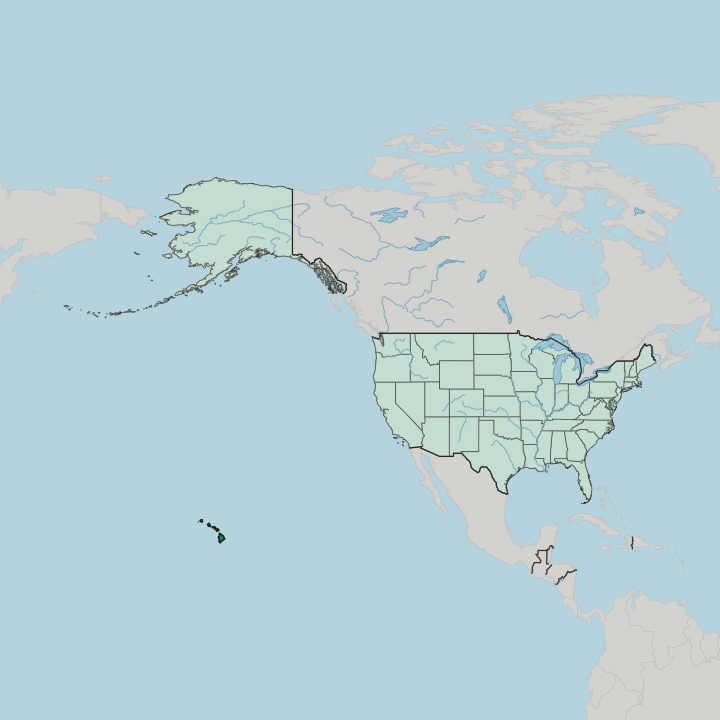
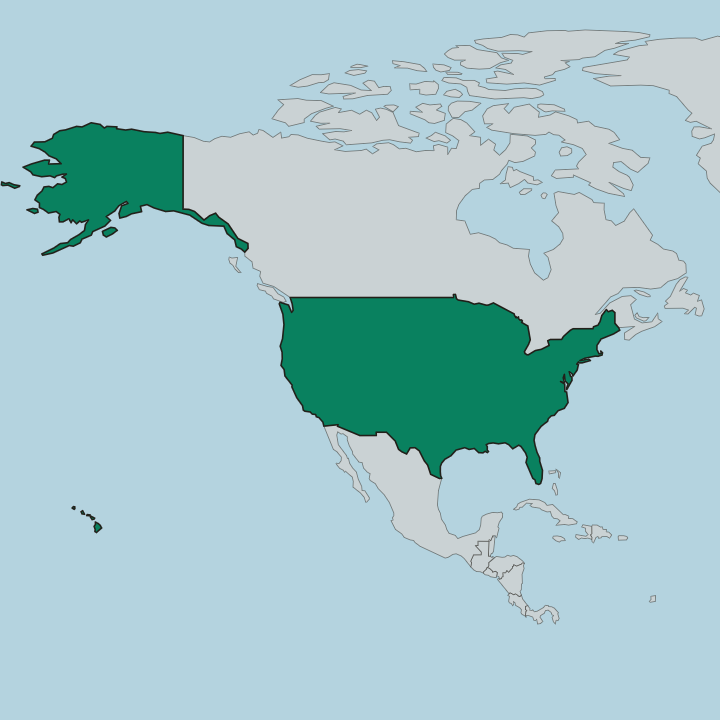
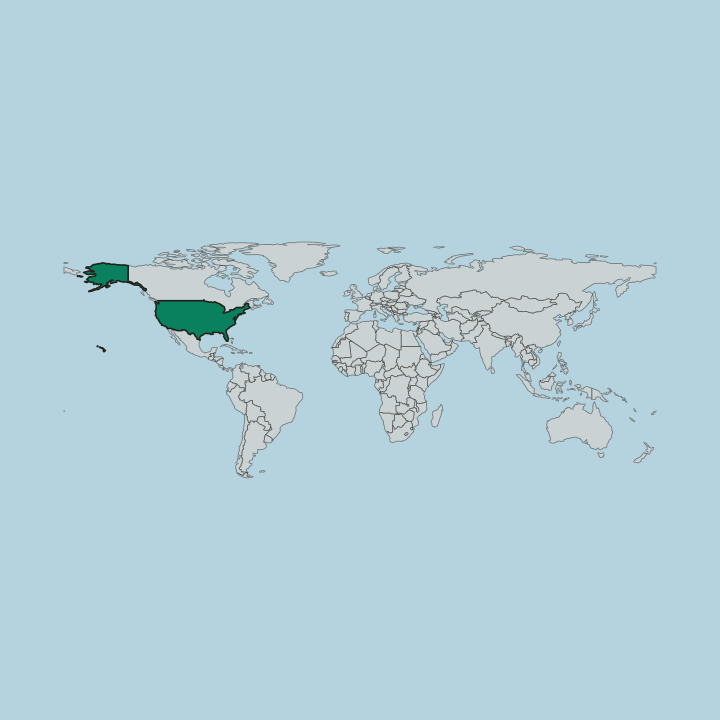
Hawaii sits alone in the middle of the North Pacific Ocean, roughly two thousand miles southwest of the North American mainland and among the most isolated island groups on Earth. Nothing else is close. The chain runs from northwest to southeast, and the eight main islands cluster at its southeastern end.
From west to east they are Niʻihau, Kauaʻi, Oʻahu, Molokaʻi, Lānaʻi, Kahoʻolawe, Maui, and the island of Hawaiʻi. That last one is bigger than all the rest combined. Every island is the tip of a volcano built up from the deep seabed, and the archipelago traces a hotspot in the ocean floor over which the Pacific plate slowly drifts.
The older islands lie to the northwest, worn down and reef-fringed; the younger ones sit to the southeast, where Mauna Loa and Kīlauea still add fresh rock to the island of Hawaiʻi. Honolulu, on Oʻahu, is the capital and the main hub for the whole state. Deep ocean separates each island from the next, so travel between them is almost always by air.
Hilo faces the wet windward east, while the Kona coast keeps to the dry leeward west. The sea is never out of sight.
What is Hawaii like?
Hawaiian culture grows from Polynesian roots. The first voyagers reached the islands from the Marquesas by open canoe, navigating by stars, swells, and seabirds, and they carried a language, ʻŌlelo Hawaiʻi, that had no written form for centuries. That oral tradition lived in chant and in hula, the dance that recorded genealogy, myth, and history before anyone wrote it down.
Hula was banned under missionary influence, then revived by King Kalākaua, and the Merrie Monarch Festival in Hilo crowns the finest hula dancers each spring. Aloha is the word people know. It carries greeting, farewell, love, and a whole ethic of generosity that still shapes daily life.
The lei of flowers, the lūʻau feast, and the slack-key guitar all belong to the same living culture. Later waves changed the mix. Plantation labourers came from Japan, China, the Philippines, Portugal, and Korea, and their food and speech blended into an island culture unlike anywhere else in the country, held together by a local pidgin.
Surfing began here as the sport of Hawaiian chiefs long before the world took it up. A cultural revival since the twentieth century has brought the Hawaiian language back into schools. The past is not kept behind glass.
What is the history of Hawaii?
Polynesian voyagers settled these islands more than a thousand years ago. British ships under James Cook made European contact in 1778. Kamehameha I then conquered and united the islands, founding the Kingdom of Hawaii and completing its rule by 1810.
The kingdom lasted through the century until American businessmen overthrew Queen Liliʻuokalani in 1893, and the United States annexed the islands in 1898. The attack on Pearl Harbor in 1941 pulled the country into a world war. Hawaii became the fiftieth state in 1959.
What is the climate of Hawaii?
Hawaii has a mild tropical climate ruled by the northeast trade winds. Those winds set the basic pattern: windward, northeastern shores catch heavy rain and stay green, while the leeward, southwestern sides sit dry and sunny in the mountains' rain shadow. Kauaʻi's Mount Waiʻaleʻale ranks among the wettest places on Earth, yet a dry Kona beach may see almost none of that rain.
Temperatures barely swing through the year. The tall summits break the rule, and snow settles on Mauna Kea while the coast stays warm below.
How do you get to Hawaii?
Reaching Hawaii means flying. Most arrivals land at Honolulu on Oʻahu, the state's busiest gateway by far, though Maui, Kauaʻi, and the island of Hawaiʻi also take direct flights from the mainland and across the Pacific from Asia. Open ocean rules out any other route.
Short island-hopping flights then link the airports, because deep water makes a bridge or road between the islands impossible. Cruise ships call at the harbours as well.
Common questions
What is the best area to stay in Hawaii?
Oʻahu: a first trip that mixes city and surf. Maui: resort beaches and a crater-rim sunrise. Kauaʻi: canyon hikes and a slower pace. Island of Hawaiʻi: active volcanoes and summit stargazing.
Good for
More regions in United States
Updated September 2026