Vietnam
Bac Ninh, Vietnam — Towns & Travel Guide
Bắc Ninh is the old Kinh Bắc heartland northeast of Hanoi, homeland of the Lý kings, of Quan họ song and Đông Hồ folk prints.
Hotel links are affiliate links: booking through them may earn us a commission, at no extra cost to you. It never affects how places are ranked. How this works


Towns & cities in Bac Ninh
Pick a town or city — each links to where to stay.
 Vietnam
Bắc Giang
Bắc Giang, a name meaning north of the river, sits 50 km north of Hanoi on the route toward Lạng Sơn City and the Đồng Đăng border gate.Where to stay →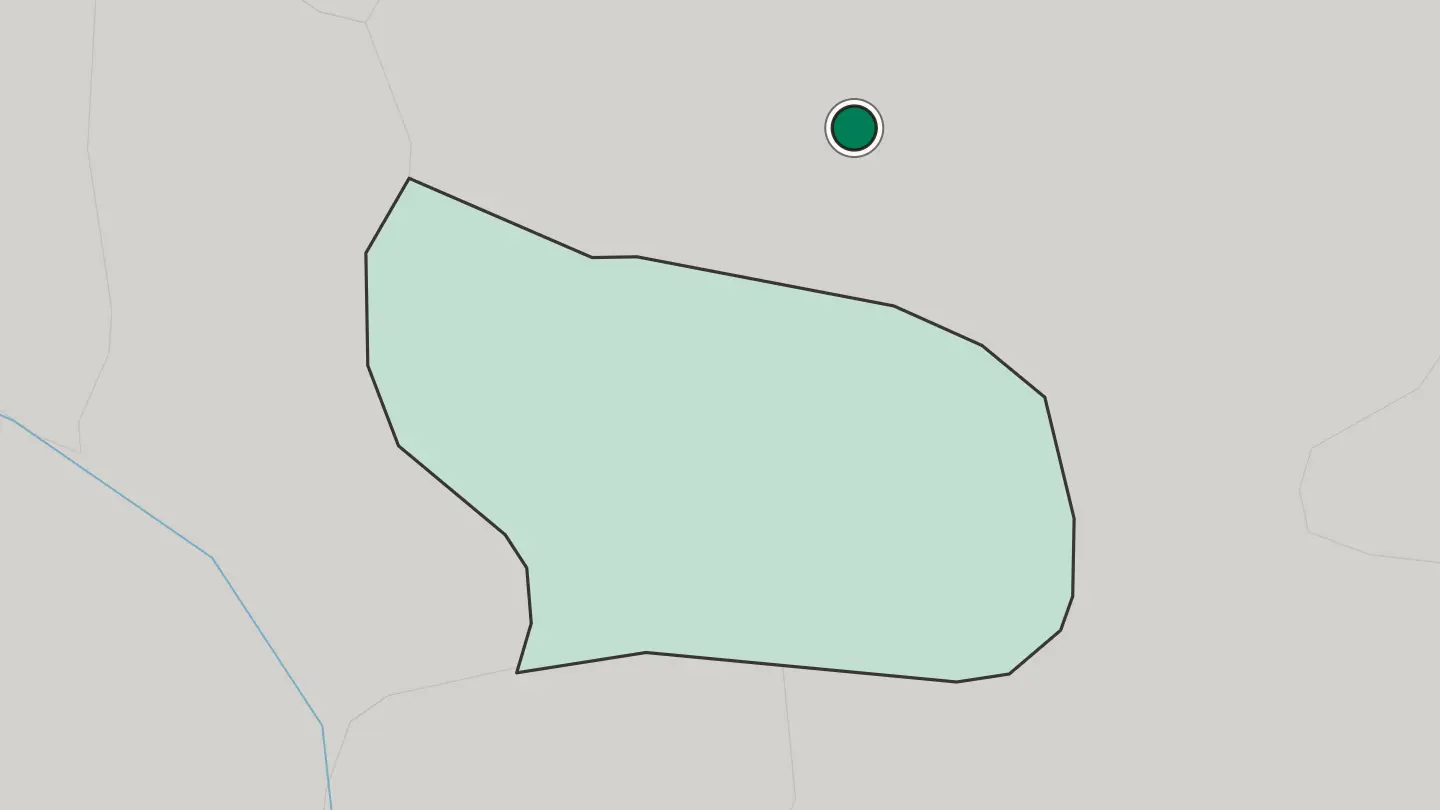
 Vietnam
Bắc Ninh
Bắc Ninh is a city of northern Vietnam in the Red River delta near Hanoi, cradle of the quan họ folk songs and a land of ancient pagodas and dynasties.Where to stay →
Hotel links are affiliate links: booking through them may earn us a commission, at no extra cost to you. It never affects how places are ranked. How this works
About Bac Ninh
Two folk arts define the province.
What is Bac Ninh known for?
Quan họ is a call-and-response folk singing, traded verse for verse between the women of one village and the men of another, and UNESCO ranks it among the intangible heritage of humanity. Đông Hồ woodblock prints come from one village on the Đuống River, their pigments ground from seashell, charcoal and indigo leaf. Both grew out of Kinh Bắc, the old villages northeast of Hanoi. This land raised the Lý dynasty.
Temples, communal houses and craft workshops still fill the delta plain.
Where is Bac Ninh?
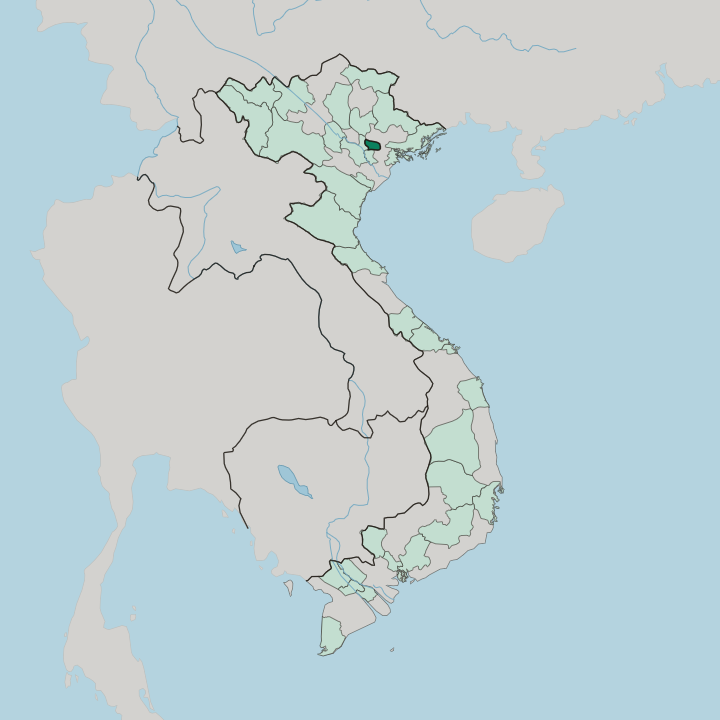
Bắc Ninh spreads across the northern edge of the Red River Delta, just to the northeast of Hanoi. The delta plain here is flat rice country, cut by slow brown water. In the south the land barely lifts above the paddy.
Two rivers do the work. The Đuống River branches off the Red River and runs east through the province toward the Thái Bình, while the Cầu River curves along the northern side, the water the Quan họ singers take to at festival time. The old province was a dense square of villages packed onto the plain.
That old core joins the ground north of the Cầu, so the province climbs up out of the delta into low midland hills. Together the two halves revive the historic Kinh Bắc, the country north of the old royal capital at Thăng Long. Hanoi lies to the southwest.
The province runs up toward Lạng Sơn and Thái Nguyên in the north and touches Hải Phòng to the east and Hưng Yên to the south. Craft villages and factory towns crowd the roads between the temples. No corner sits far from water.
What is Bac Ninh like?
The province sings. Quan họ is its signature: unaccompanied call-and-response, the women of one village trading verses with the men of another, songs of longing and parting that custom forbids the partners ever to marry. The singing belongs to spring, when the villages meet on the dykes and the boats push out onto the Cầu River. Đông Hồ carries the visual half.
Its woodblock prints, pressed for the lunar new year, take their colours from the land itself: seashell white, charcoal black, and the green of the indigo leaf. Bắc Ninh also claims the oldest Buddhist ground in the country. At Luy Lâu, monks and merchants gathered on the Đuống plain in the early centuries, and the Dâu and Bút Tháp pagodas still stand from that long devotion.
The Lý kings, born at Đình Bảng, carried this faith to the throne. Their shrine at Đền Đô honours eight rulers of the line. Beyond the temples, the communal houses of Đình Bảng and the potters and print-cutters of the delta villages keep older hands at work.
Vietnamese carries all of it. One village festival follows another straight through the spring.
What is the history of Bac Ninh?
People settled the banks of the Cầu and the Đuống very early. Under Chinese rule the citadel of Luy Lâu grew into a seat of administration and one of the earliest places Buddhism took root in the country. Yet its real claim is dynastic.
Lý Công Uẩn was born at Đình Bảng, took the throne in 1009, and the year after moved his capital to Thăng Long, the city that grew into Hanoi. The Lý line he founded ruled until 1225. Ever since, Bắc Ninh has claimed the cradle of that royal house.
What is the climate of Bac Ninh?
Bắc Ninh runs on the monsoon. Summers, from May into September, are hot and wet, and the season's storms drop the greater part of the year's rain across the low delta plain. Winters turn cool and much drier, with grey drizzle and the odd cold push down from the north.
Spring and autumn are the kinder stretches between. Damp air never really leaves. The Cầu and the Đuống and their paddies keep the air damp whatever the month.
How do you get to Bac Ninh?
Bắc Ninh has no airport of its own. Nearly everyone comes through Hanoi, whose Nội Bài airport lies a short drive to the west, and the expressway toward Lạng Sơn reaches the province in well under an hour. The rails serve as well.
The railway running northeast out of Hanoi toward the Chinese border stops at Bắc Ninh. City buses grind out from Long Biên past Đền Đô. Inside the province the temples sit close together across the flat plain.
Common questions
What is the best area to stay in Bac Ninh?
Bắc Ninh city: the Quan họ singing houses. Từ Sơn: the Lý dynasty temples. Thuận Thành: Đông Hồ prints and the old pagodas. Hanoi: a day-trip base.
More regions in Vietnam
Updated October 2026