Vietnam
Dong Thap, Vietnam — Towns & Travel Guide
Đồng Tháp spreads across the Mekong Delta of southern Vietnam, a low wetland of lotus ponds and reed marsh laced by the Tiền River.
Hotel links are affiliate links: booking through them may earn us a commission, at no extra cost to you. It never affects how places are ranked. How this works


Towns & cities in Dong Thap
One town here has its own guide — it links to where to stay.
 Vietnam
Mỹ Tho
Mỹ Tho is the first Mekong Delta city on the run down from Ho Chi Minh City, a river town known for hủ tiếu Mỹ Tho.Where to stay →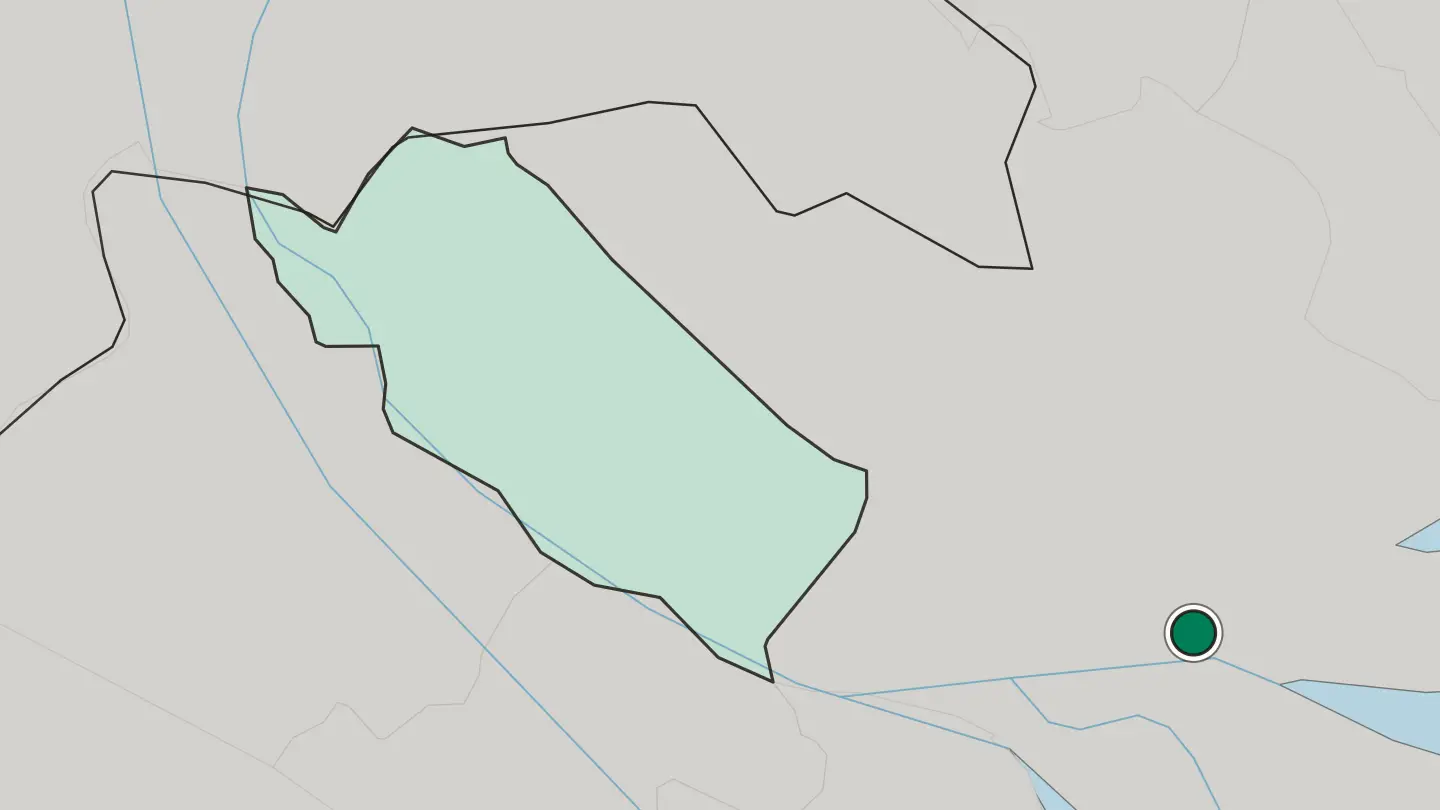
Hotel links are affiliate links: booking through them may earn us a commission, at no extra cost to you. It never affects how places are ranked. How this works
About Dong Thap
What is Dong Thap known for?
Lotus is the emblem of Đồng Tháp, and its pink flowers stand over flooded fields across the province. Two names draw most travellers. Tràm Chim National Park protects a slice of the Plain of Reeds, a Ramsar wetland where sarus cranes feed in the dry months.
Sa Đéc, a flower town on the Tiền River, has grown ornamental blooms and bonsai for over a century. Beyond the gardens, the land works hard at rice and at pangasius catfish raised in the river. Gò Tháp adds ancient depth.
Where is Dong Thap?
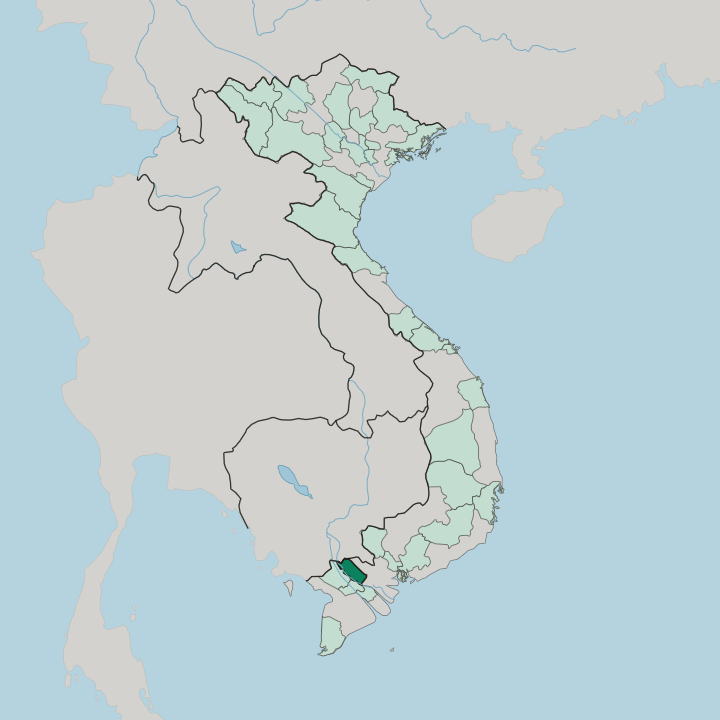
Đồng Tháp lies in the Mekong Delta, the flat, water-threaded plain where the Mekong breaks into arms and finishes its long run to the sea in southern Vietnam. The province follows the Tiền River, the northern arm of the Mekong below the Cambodian border. Water sets the terms.
Rice fields, orchards, and fish ponds spread between a mesh of rivers and hand-dug canals, and almost no ground climbs far above the yearly flood line. Its northern edge meets Cambodia, with river crossings into Prey Veng. An Giang sits to the west, Vĩnh Long to the south, Cần Thơ to the south-west. Eastward the delta widens past Mỹ Tho, brushes Hồ Chí Minh City, and reaches the East Sea.
The province's northern half is the Đồng Tháp Mười, the Plain of Reeds. This marsh of sedge and melaleuca floods a muddy brown each wet season and drains down again through the dry one, a rhythm the whole delta lives by. The Hậu River, the Mekong's southern arm, runs along the far side.
Reeds once ruled here. Tràm Chim keeps a patch of that old wetland whole, while paddy and canal have taken the rest over three centuries of settlement.
What is Dong Thap like?
Lotus runs through everything here, from temple carvings to the kitchen. Its seeds, stems, and young leaves turn up in delta soups and salads, and the pink flower stands as the emblem of Đồng Tháp. Life bends to the water.
Villages string along riverbanks and canal dykes, boats do the work of roads, and fish ponds sit behind the houses where pangasius catfish are raised for market. Vietnamese is the language of the delta, carried in the soft southern accent of the Mekong. Đờn ca tài tử, the region's amateur chamber music, drifts from courtyards on festival nights. Sa Đéc gives the province its gentlest fame.
Its flower gardens have shipped blooms and bonsai up to Hồ Chí Minh City for generations, and its old riverfront shophouses hold the Huỳnh Thủy Lê house, where the French writer Marguerite Duras set the childhood romance of The Lover. Cao Lãnh carries a graver memory. The garden and tomb of Nguyễn Sinh Sắc, father of Hồ Chí Minh, draw pilgrims to the delta city.
Together they sketch a place of flowers, water, and quiet devotion.
What is the history of Dong Thap?
Long before the Vietnamese came, this delta belonged to Funan. Its mounds at Gò Tháp still hold brick shrines and votive tablets of the Óc Eo culture, some fifteen centuries old. Khmer traders worked these waterways first.
The name Sa Đéc itself comes from a Khmer market. Vietnamese settlers pushed into the swamp in the 17th and 18th centuries under the Nguyễn lords, draining and diking as they went. Đồng Tháp took its modern shape in 1976, when Kiến Phong and Sa Đéc provinces were joined and the seat first sat at Sa Đéc.
What is the climate of Dong Thap?
Đồng Tháp keeps a tropical monsoon climate, hot the year round. Two seasons split the calendar. The wet monsoon runs from May into November and drops nearly all the rain, swelling the Mekong until the Plain of Reeds spills over into its floating season.
The dry months from December to April draw the water back and firm the paddy. That drawdown pulls the sarus cranes into Tràm Chim to feed. Heat, not cold, sets the year.
How do you get to Dong Thap?
The province has no airport of its own. Most travellers land at Tân Sơn Nhất International Airport in Hồ Chí Minh City, then drive south-west across the delta on the expressway and river bridges. Mỹ Tho sits closest, a short run from the city.
Cần Thơ International Airport is the other way in, opening the delta from the south. From either side the last stretch is pure Mekong country, roads shadowing the Tiền River past ferries and canal bridges. Boats still carry travellers too.
Common questions
What is the best area to stay in Dong Thap?
Cao Lãnh: cranes at Tràm Chim and the lotus plain. Sa Đéc: flower nurseries and riverside shophouses. Tràm Chim: birding deep in the Plain of Reeds.
More regions in Vietnam
Updated September 2026