
Vietnam
Hanoi, Vietnam — Towns & Travel Guide
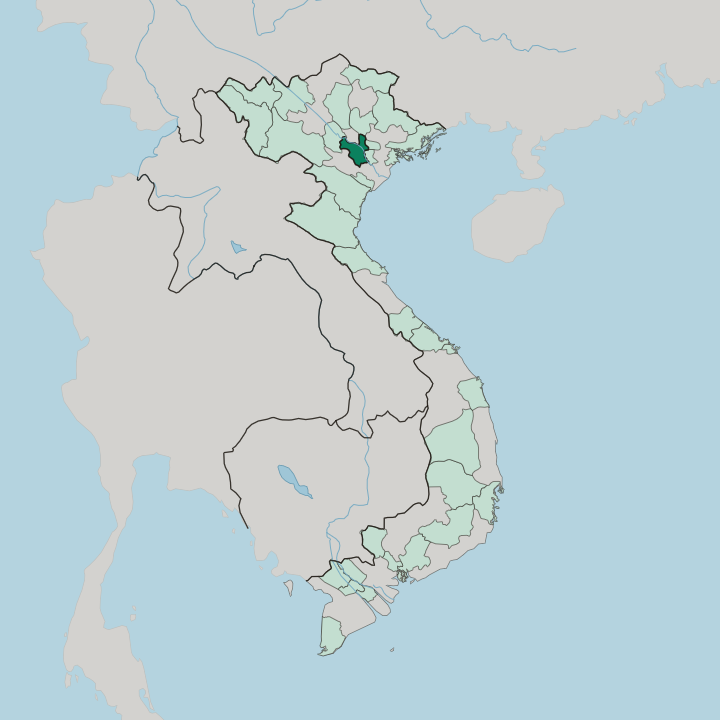
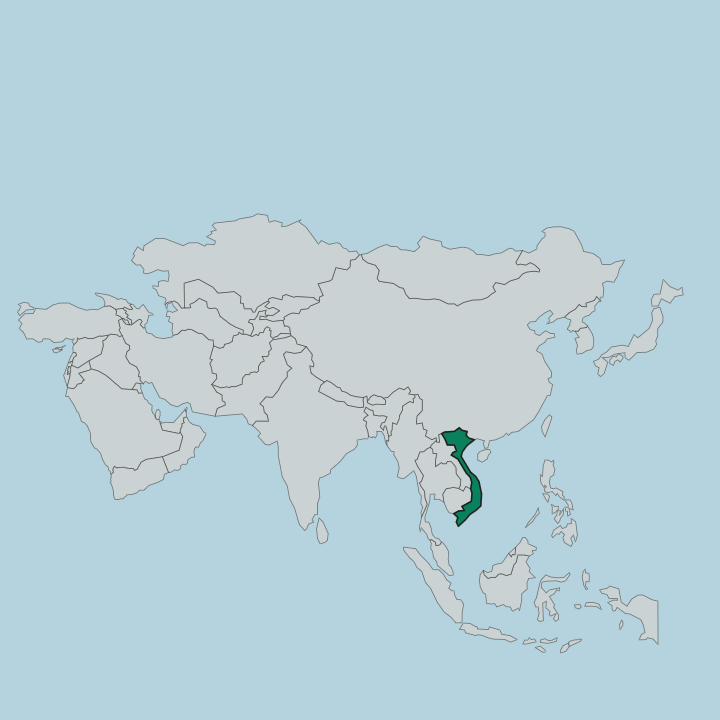
Hanoi is the capital region of Vietnam, the municipality wrapped around the capital city, gathered on the shores of Hoàn Kiếm Lake and West Lake.
Hotel links are affiliate links: booking through them may earn us a commission, at no extra cost to you. It never affects how places are ranked. How this works


Towns & cities in Hanoi
One town here has its own guide — it links to where to stay.
 Vietnam
Hanoi
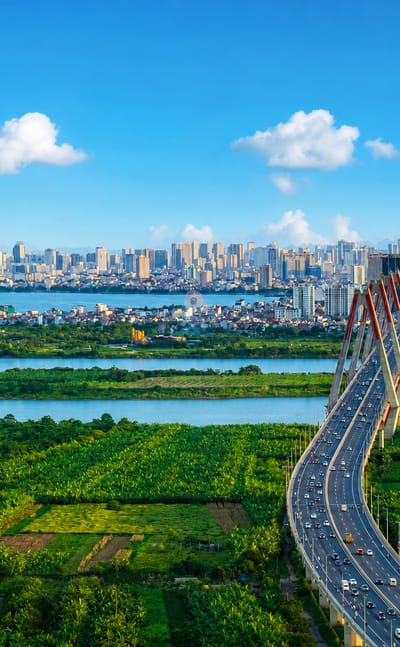
Hanoi is the capital of Vietnam, a city of lakes and old quarters more than a thousand years old, gathered around Hoàn Kiếm Lake.Where to stay →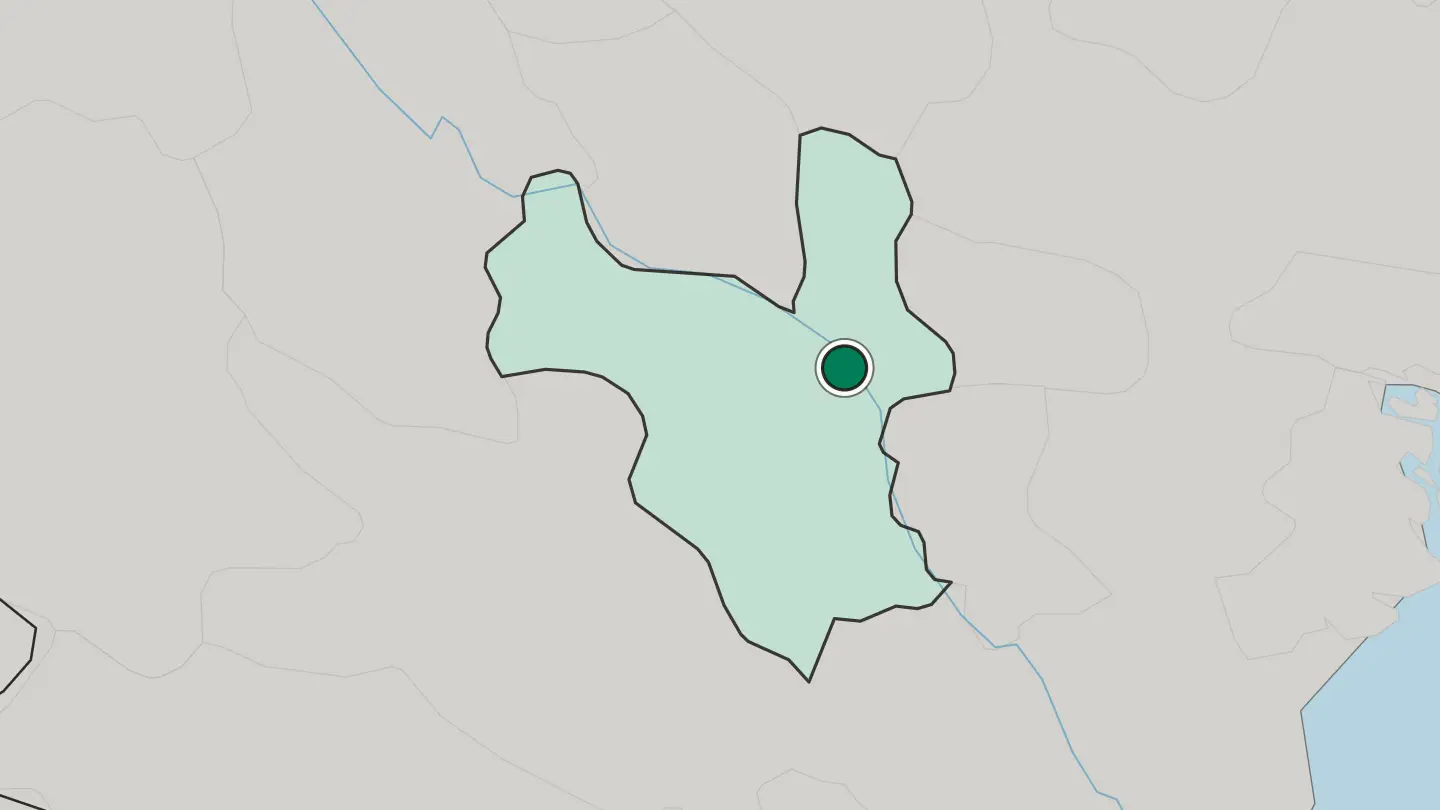
Hotel links are affiliate links: booking through them may earn us a commission, at no extra cost to you. It never affects how places are ranked. How this works
About Hanoi
What is Hanoi known for?
Hanoi is known first as the capital of Vietnam and the country's second-largest city. Its centre gathers around Hoàn Kiếm Lake, with the broad sheet of West Lake to one side and the old Imperial Citadel of Thăng Long close by. The Ho Chi Minh Mausoleum stands among its civic landmarks.
Beyond the built-up core the region reaches out to Ba Vì National Park on its edge, so lakes, monuments, and green hills all sit within a single capital region. It blends East and West.
Where is Hanoi?
Hanoi is the capital region of Vietnam, a compact administrative area built around the capital city and the ground immediately beyond it. Water defines much of it. Hoàn Kiếm Lake sits at the historic heart, the small mirror at the centre of the old city, while the broad sheet of West Lake spreads across the edge of the built-up area, so lakes give the region much of its shape and its character.
Away from the centre the land opens out. The region runs to its outskirts at Ba Vì National Park, where wooded hills rise well beyond the reach of the streets, and a single capital region ends up holding both dense urban quarters and open country. At its core stand the monuments of a capital, the Imperial Citadel of Thăng Long and the Ho Chi Minh Mausoleum among them.
As the second-largest city in Vietnam, Hanoi anchors the whole area, and the region takes its identity almost entirely from the city within it. Lake, citadel, and hillside mark its bounds.
What is Hanoi like?
The culture of the Hanoi region is the culture of Vietnam's capital, layered by centuries of outside contact. It reads as a blend of East and West. Long stretches of Chinese influence and a later French colonial past both left their mark, and the two show plainly in the streets, where French colonial architecture stands beside older forms and narrow tube houses that grew up as the city expanded.
Monuments hold the civic side of that culture. The Imperial Citadel of Thăng Long recalls the old seat of power, while the Ho Chi Minh Mausoleum anchors the modern national story, and the region's museums fill in the rest. Everyday life still turns around the lakes.
Families and vendors gather at Hoàn Kiếm Lake and along West Lake much as they always have, which makes the water part of the city's social fabric. All of this has made Hanoi a rising cultural centre within Southeast Asia, a capital region where old ceremony and new energy share the same streets. Culture here wears its history openly.
What is the history of Hanoi?
The story of the Hanoi region is the story of the capital at its centre. Centuries of Chinese influence shaped its early life, and the Imperial Citadel of Thăng Long survives from its long spell as a seat of power. A French colonial period followed, leaving avenues and architecture still standing.
The mid-century decades passed without the heavy rebuilding seen in many cities, so much of the older fabric endured, and the region has since entered a stretch of rapid change. History sits close to the surface here.
What is the climate of Hanoi?
The Hanoi region has a tropical climate, warm for much of the year and marked by a clear wet season. Its lakes shape the local feel. Hoàn Kiếm Lake and West Lake hold moisture close to the centre, while the wooded heights around Ba Vì National Park sit a little cooler than the crowded streets below.
Rain arrives in a distinct season rather than falling steadily year-round, so the calendar splits between wetter and drier spells across the capital region. Warm, wet, and green.
How do you get to Hanoi?
Nearly everyone reaches the Hanoi region through the capital itself. As the capital and the second-largest city in Vietnam, Hanoi is the natural point of arrival, and onward trips to spots like Ba Vì National Park begin from there. Hanoi's core is small enough to cross on foot.
Once in the city, the landmarks around Hoàn Kiếm Lake sit within easy reach of one another, and the rest of the region opens up by road from the same base. Arrive in the capital, then fan out.
Good for
More regions in Vietnam
Updated September 2026