Cyprus · Nicosia District · Nicosia
Ayioi Omoloyites, Nicosia — Area Guide & Where to Stay
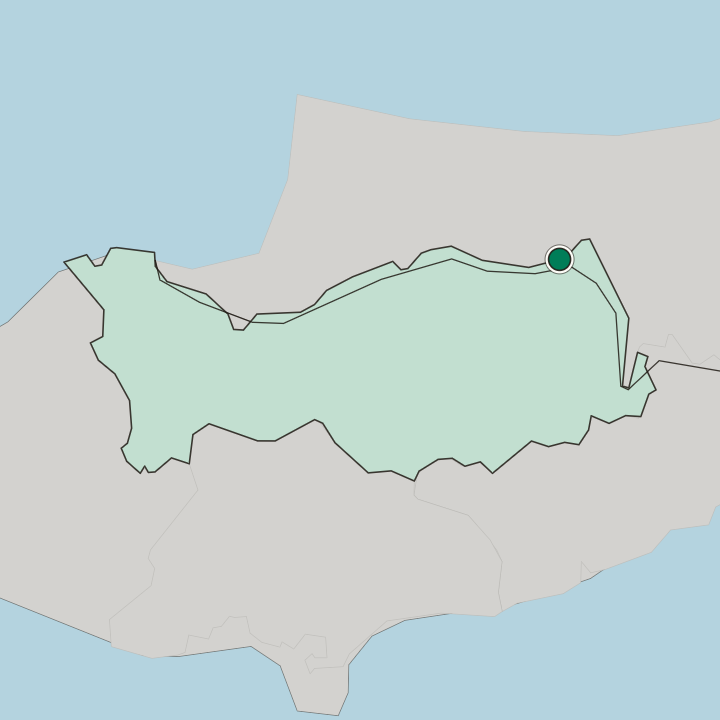
Agioi Omologites grew from a village around a church of 1674 and lies south of Nicosia's walled city, along the Pedieos.
Hotel links are affiliate links: booking through them may earn us a commission, at no extra cost to you. It never affects how places are ranked. How this works


Where to stay in Ayioi Omoloyites
Where visitors usually base themselves, and why.
Agioi Omologites is where modern Nicosia does its business. Kyriakou Matsi Avenue, Griva Diyeni Avenue and part of Arch. Makarios III Avenue run through it, the Presidential Palace stands within it, and the walled city is a short way north for anyone who wants the old streets instead.
The Pedieos marks the west. It holds a hundred and fifty-three streets.
Things to do in and around Nicosia
Ranked by global recognition; descriptions from Wikidata (CC0).
Museums & Galleries
3- Cyprus Museum
- Leventio Museum
- Leventis Gallery
Churches & Religious Sites
3- Saint Sophia Cathedral
- Haydar Pasha Mosque
- Notre Dame de Tyre
Castles & Historic Sites
3- Liberty Monument
- Archbishop's Palace
- Juri Gagarin Statue in Nicosia Municipal Gardens
worth knowingacross 3 categories in and around Nicosia
About Ayioi Omoloyites
What are the main landmarks in Ayioi Omoloyites?
The church was built in 1674. It was much repaired and altered in 1894, it holds an icon of the Holy Confessors dated 1663, and the shrine beneath it was a Roman tomb before it was anything else. The Presidential Palace was Government House.
The English Cemetery lies on the road toward it.
What is the history of Ayioi Omoloyites?
It was a village first. The settlement grew around the church of the Holy Confessors outside the walls, kept its own name, and was annexed to the municipality of Nicosia in 1944. Kaimakli and Omorfita are the neighbours. The name means Holy Confessors.
Where is Ayioi Omoloyites?
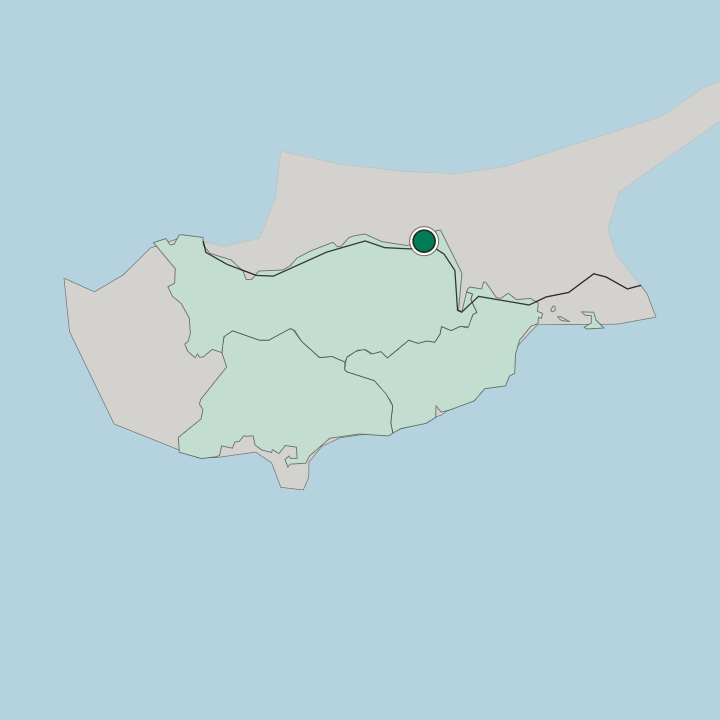
Agioi Omologites lies south of Nicosia's walled city, with the Pedieos along its western edge, bordering Kaimakli and Omorfita.
Good for
More areas in Nicosia
Updated October 2026