Germany · Free and Hanseatic City of Hamburg
Where to Stay in Hamburg, Free and Hanseatic City of Hamburg
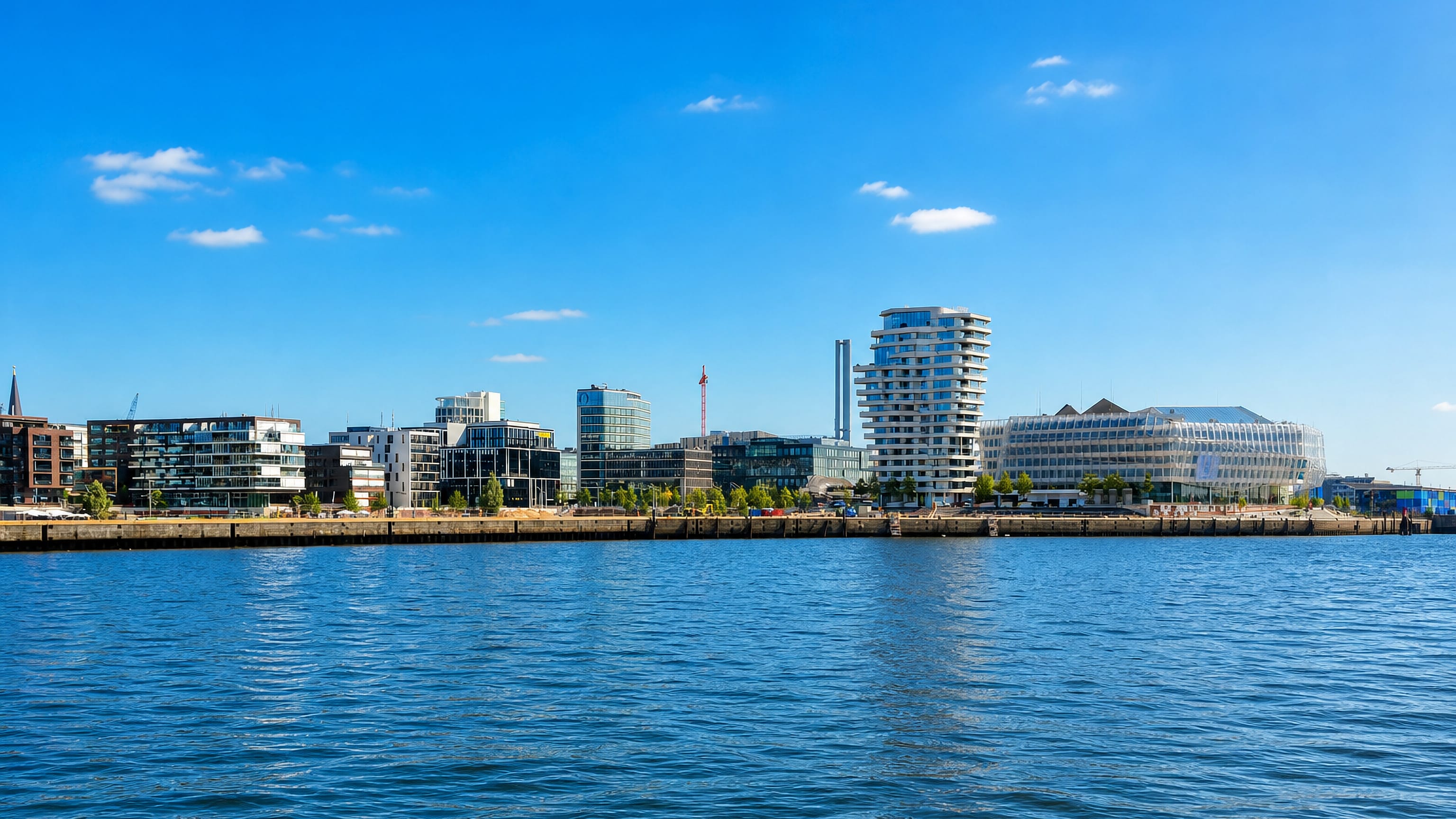
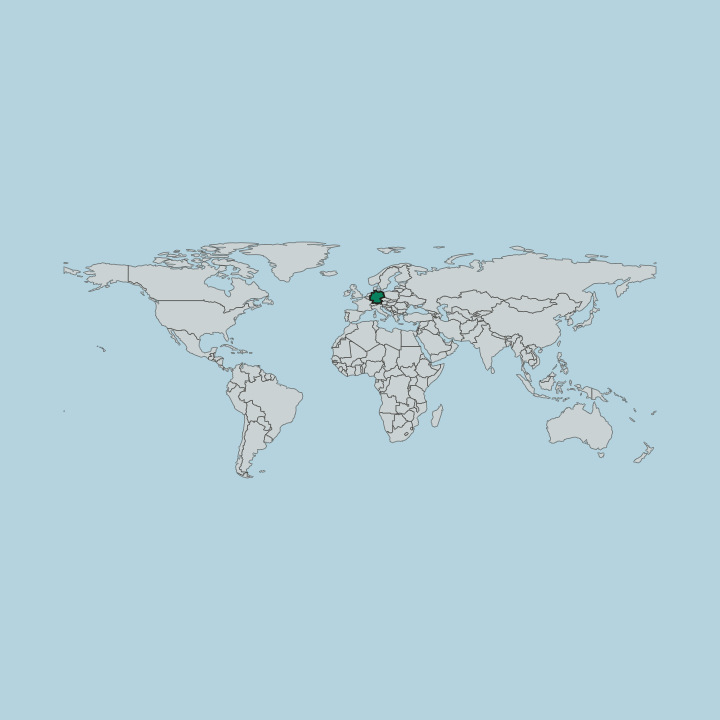
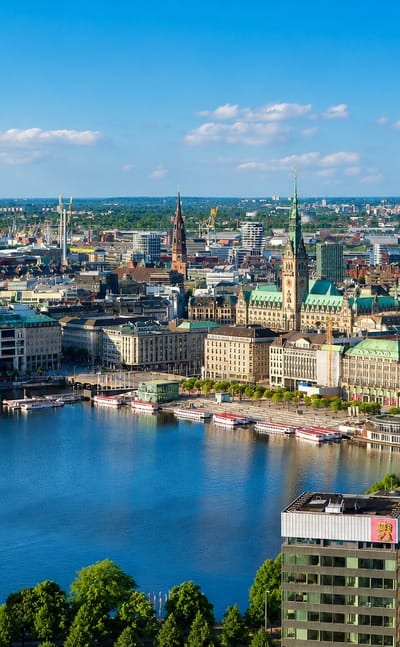
Hamburg spreads along the River Elbe around the Alster lakes and Germany's largest port, a Hanseatic city-state near the North Sea.
Hotel links are affiliate links: booking through them may earn us a commission, at no extra cost to you. It never affects how places are ranked. How this works


Where to stay in Hamburg
Where you base yourself shapes the visit — here's the character of each area.
 HamburgGermany
Hamburg-Mitte
Hamburg-Mitte is the central district of Hamburg, where the old town and the Hamburger Kunsthalle gather at the city's core.Where to stay →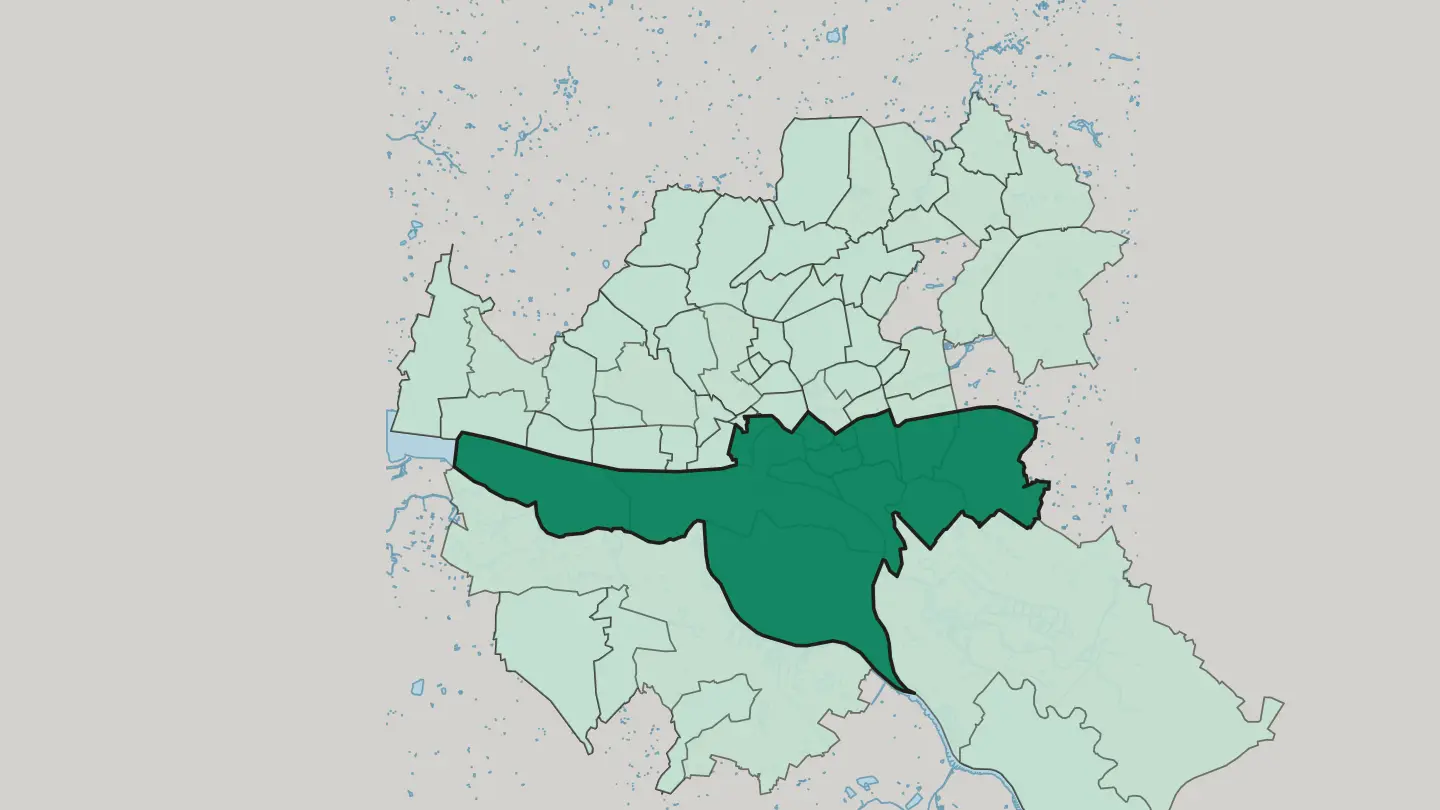
 HamburgGermany
Neustadt
Neustadt is an inner-city district of Hamburg, where the KomponistenQuartier gathers house-museums to Bach, Hasse, Mahler and the Mendelssohns.Where to stay →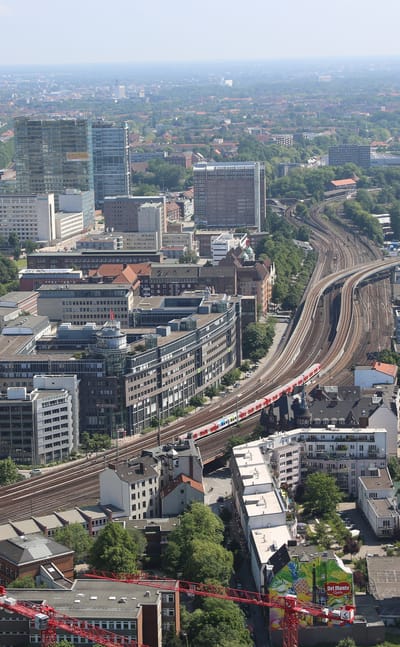 HamburgGermany
St. Georg
St. Georg is a central quarter of Hamburg, Germany, set along the Außenalster beside the Hamburger Kunsthalle in the borough of Hamburg-Mitte.Where to stay →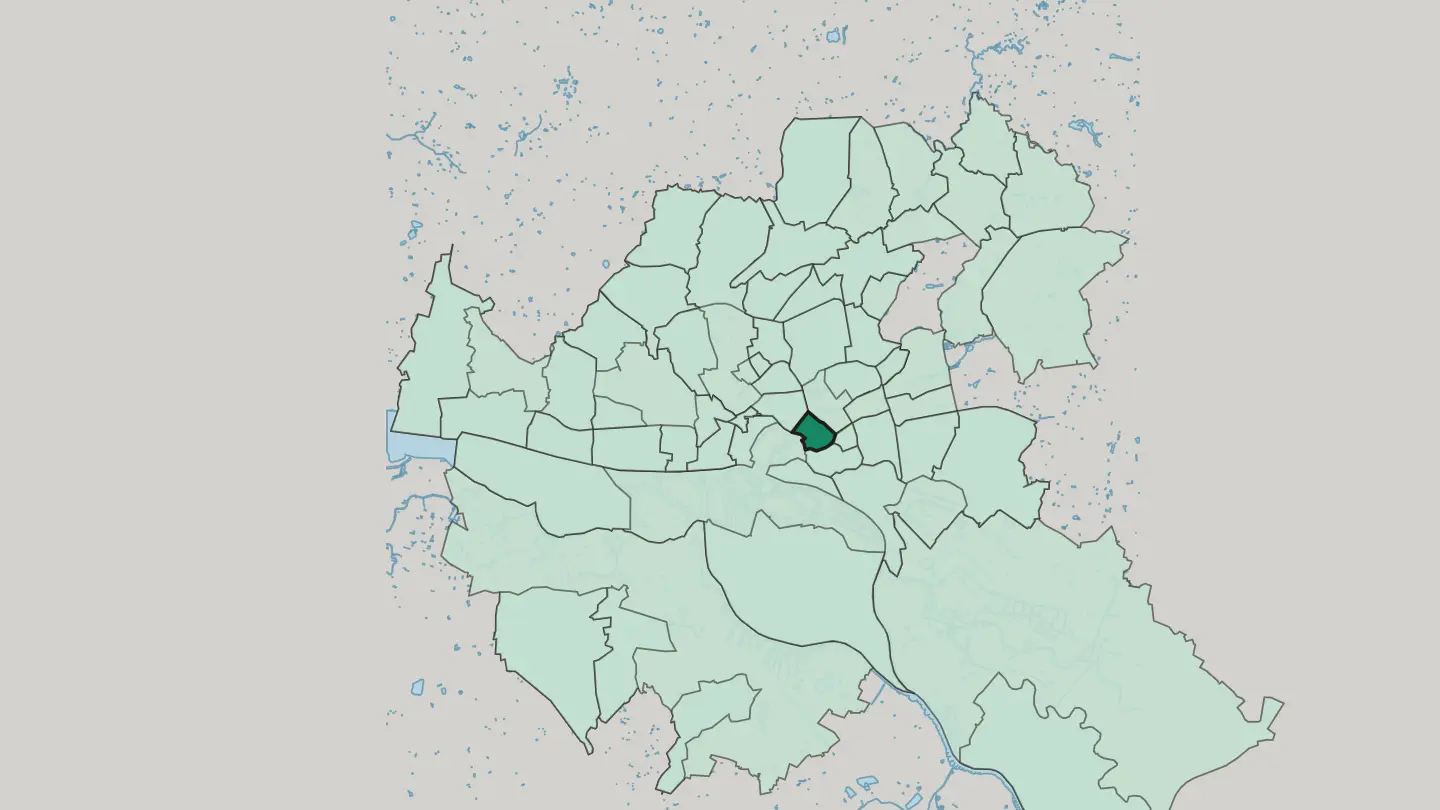
 HamburgGermany
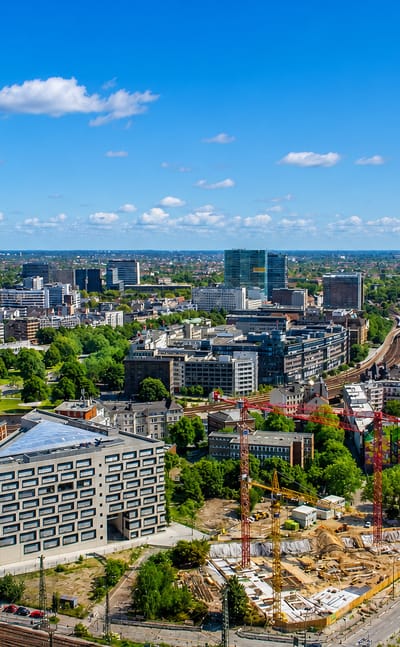
HafenCity
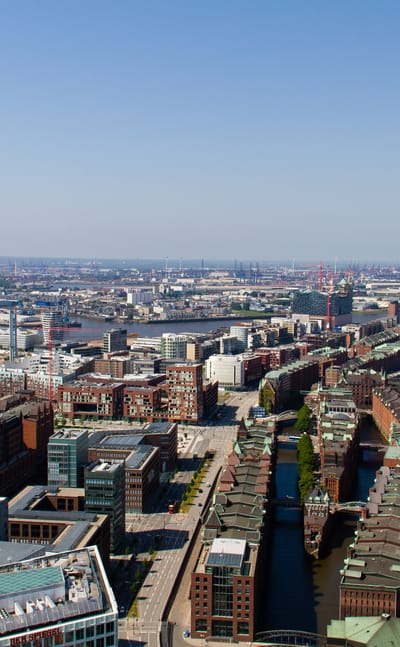
HafenCity rises from the Elbe on Hamburg's old port ground, a waterfront quarter crowned by the Elbphilharmonie concert hall.Where to stay →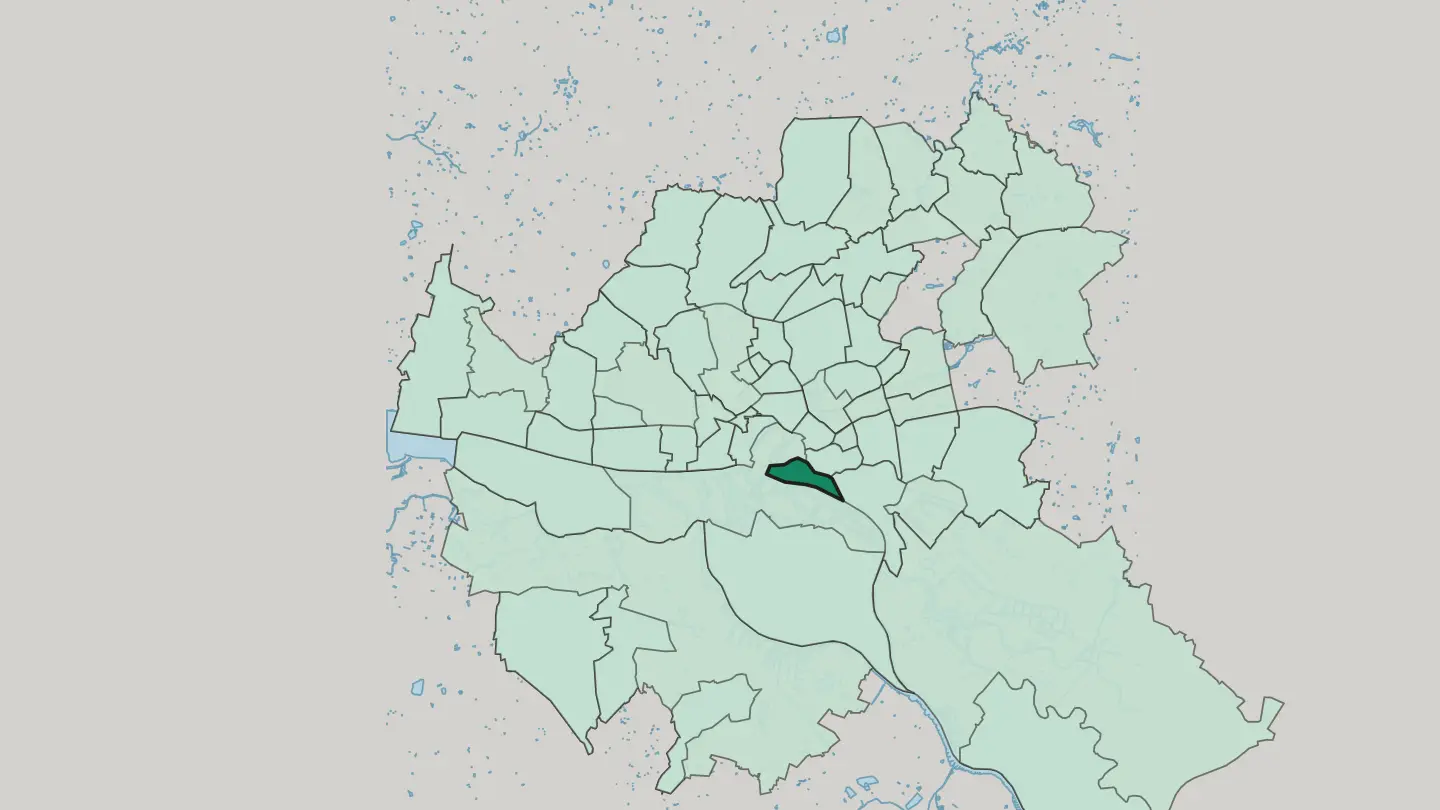
 HamburgGermany
Hammerbrook
Hammerbrook is a quarter of Hamburg, Germany, marked by the German Food Additives Museum and the WasserForum.Where to stay →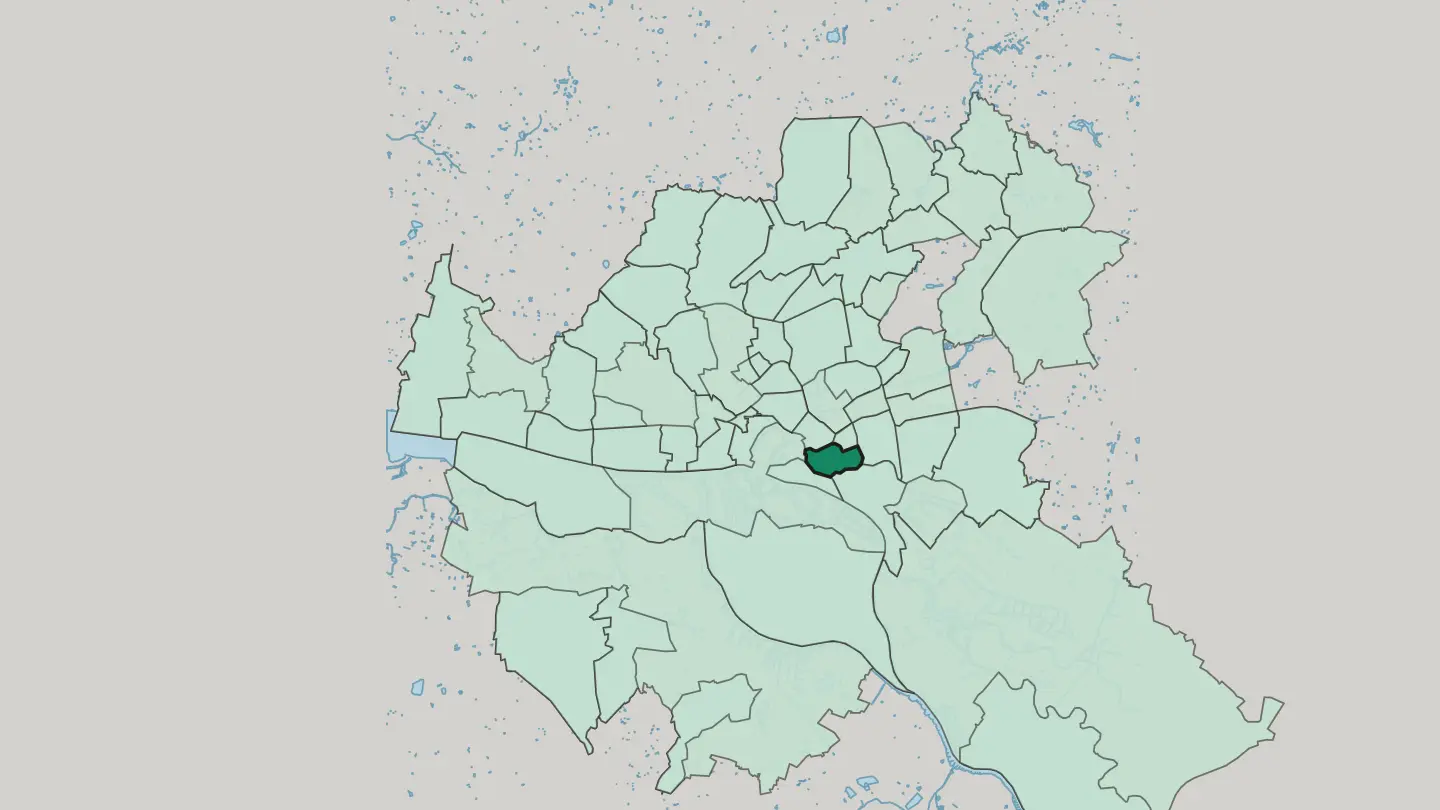
 HamburgGermany
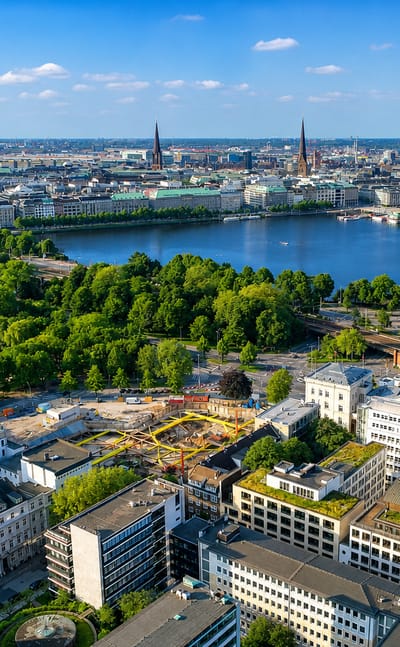
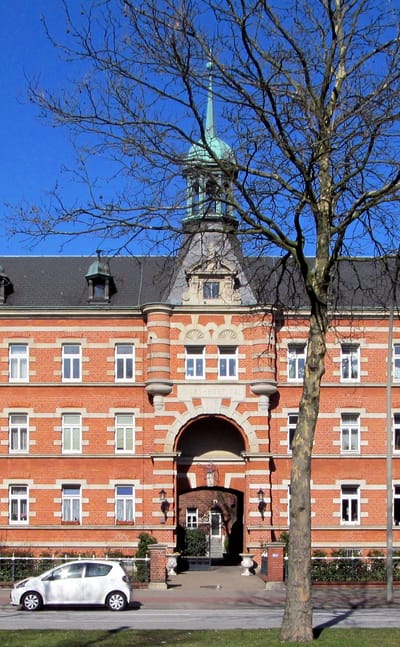
Rotherbaum
Rotherbaum is a genteel university quarter of Hamburg in the Eimsbüttel borough, set between the Außenalster and the streets of the Grindelberg.Where to stay →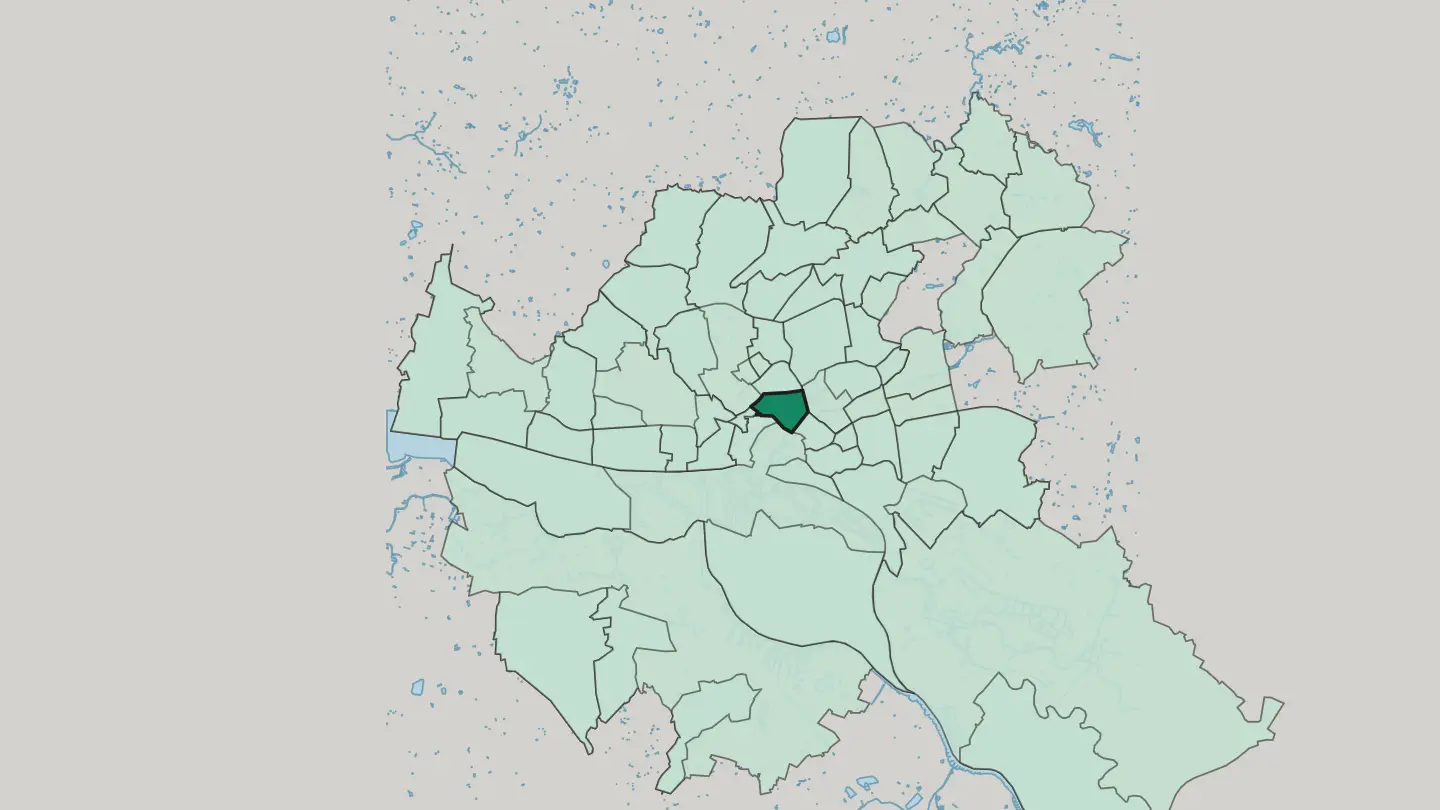
 HamburgGermany
Borgfelde
The Erlöserkirche rises over Borgfelde, a small, densely built quarter of Hamburg in Germany in the Hamburg-Mitte borough.Where to stay →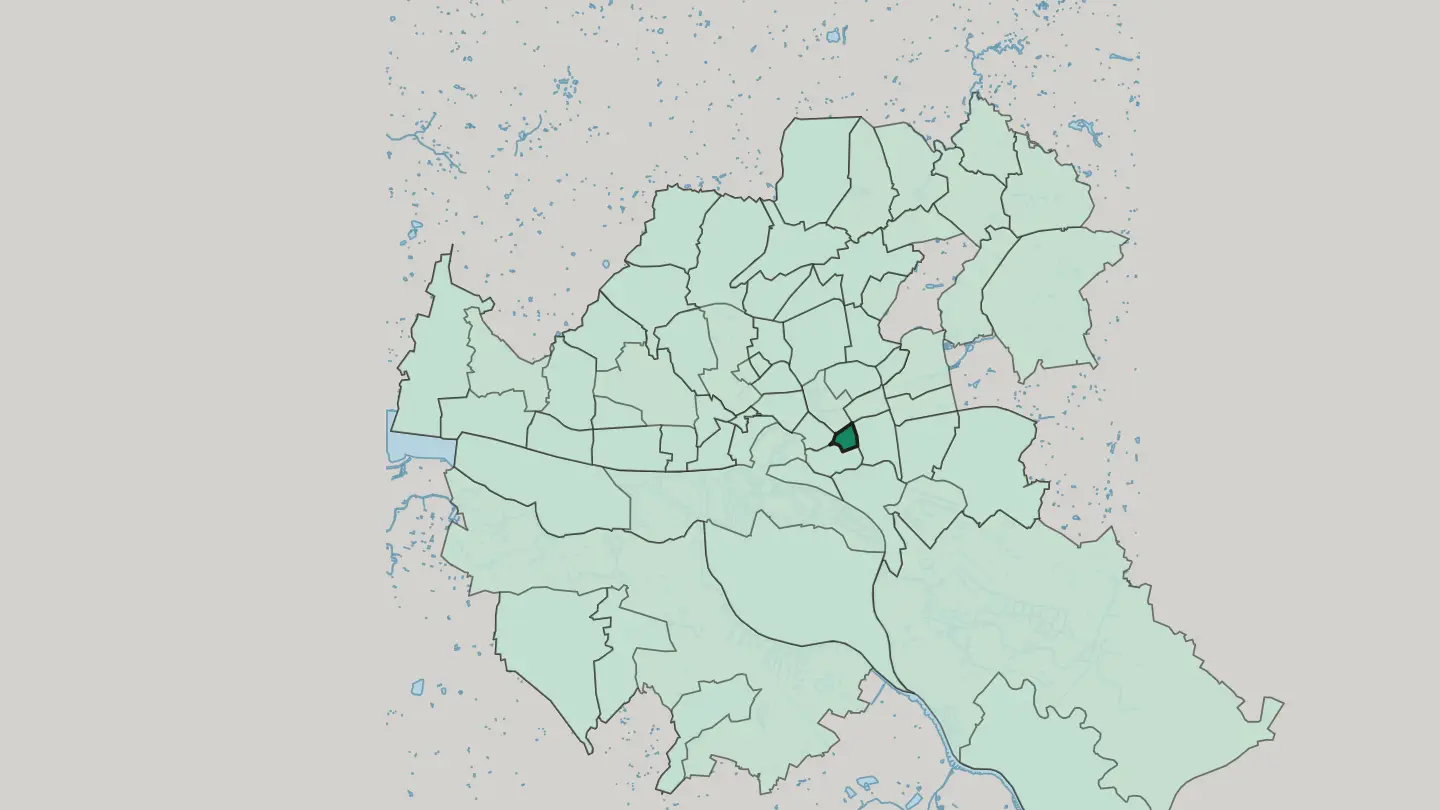
 HamburgGermany
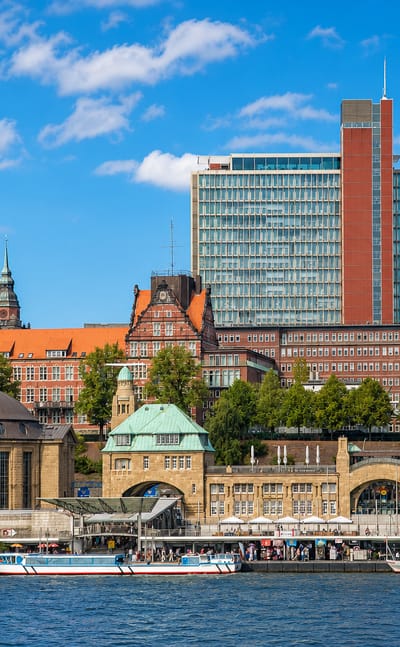
St. Pauli
St. Pauli is a harbour-front quarter of Hamburg, Germany, holding the Panoptikum Hamburg and the museum ship Rickmer Rickmers.Where to stay →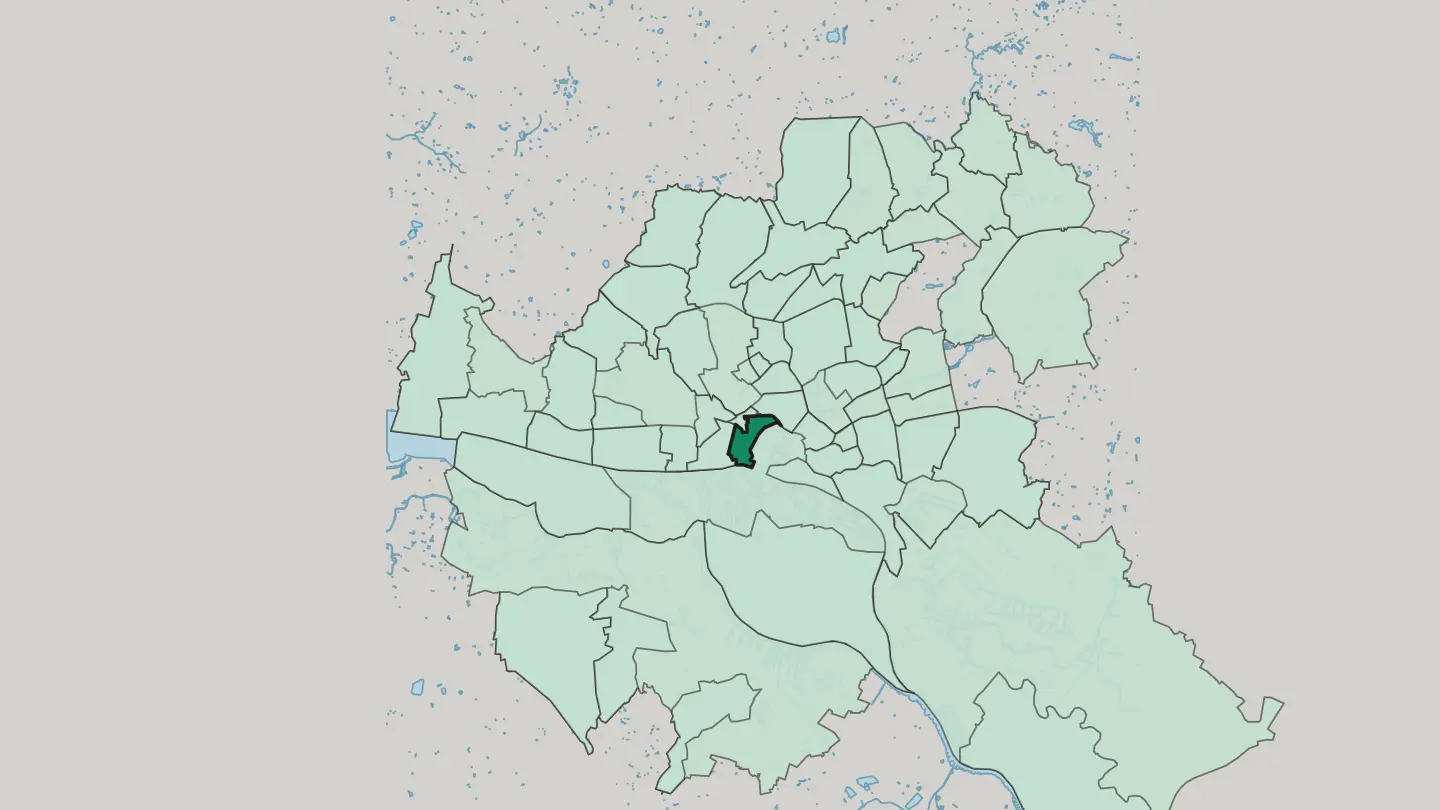
 HamburgGermany
Uhlenhorst
Uhlenhorst is a quarter of Hamburg in the Hamburg-Nord borough, two square kilometres carrying the Jazz-Museum Bix Eiben and little else.Where to stay → HamburgGermany
Sternschanze
Sternschanze is a small quarter of Hamburg, Germany, formed in 2008 around the Schanzenturm from parts of St. Pauli and Eimsbüttel.Where to stay →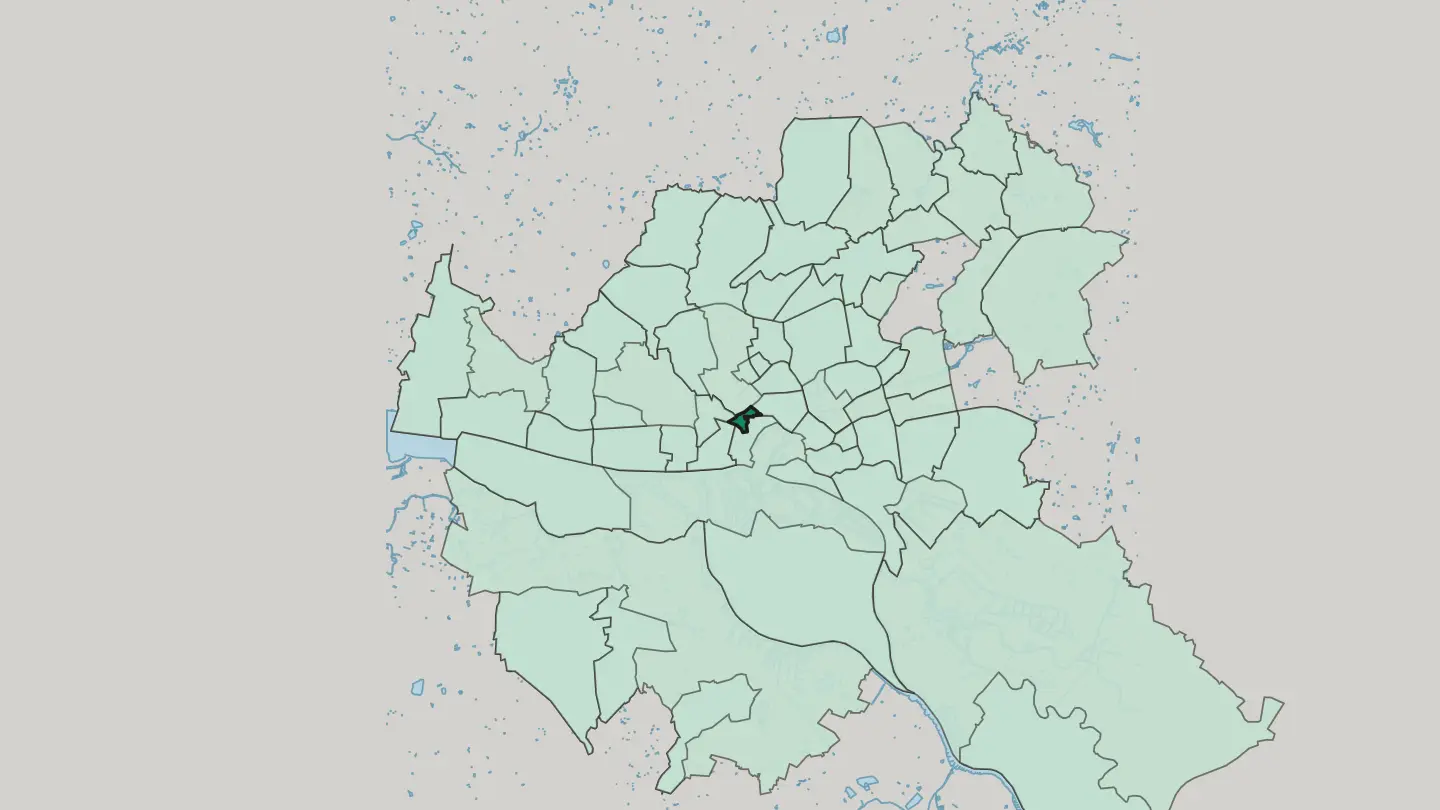
 HamburgGermany
Harvestehude
Harvestehude is a Stadtteil of Hamburg in the Eimsbüttel borough, on a Geest ridge west of the Außenalster, with a Gründerzeit quarter at its core.Where to stay →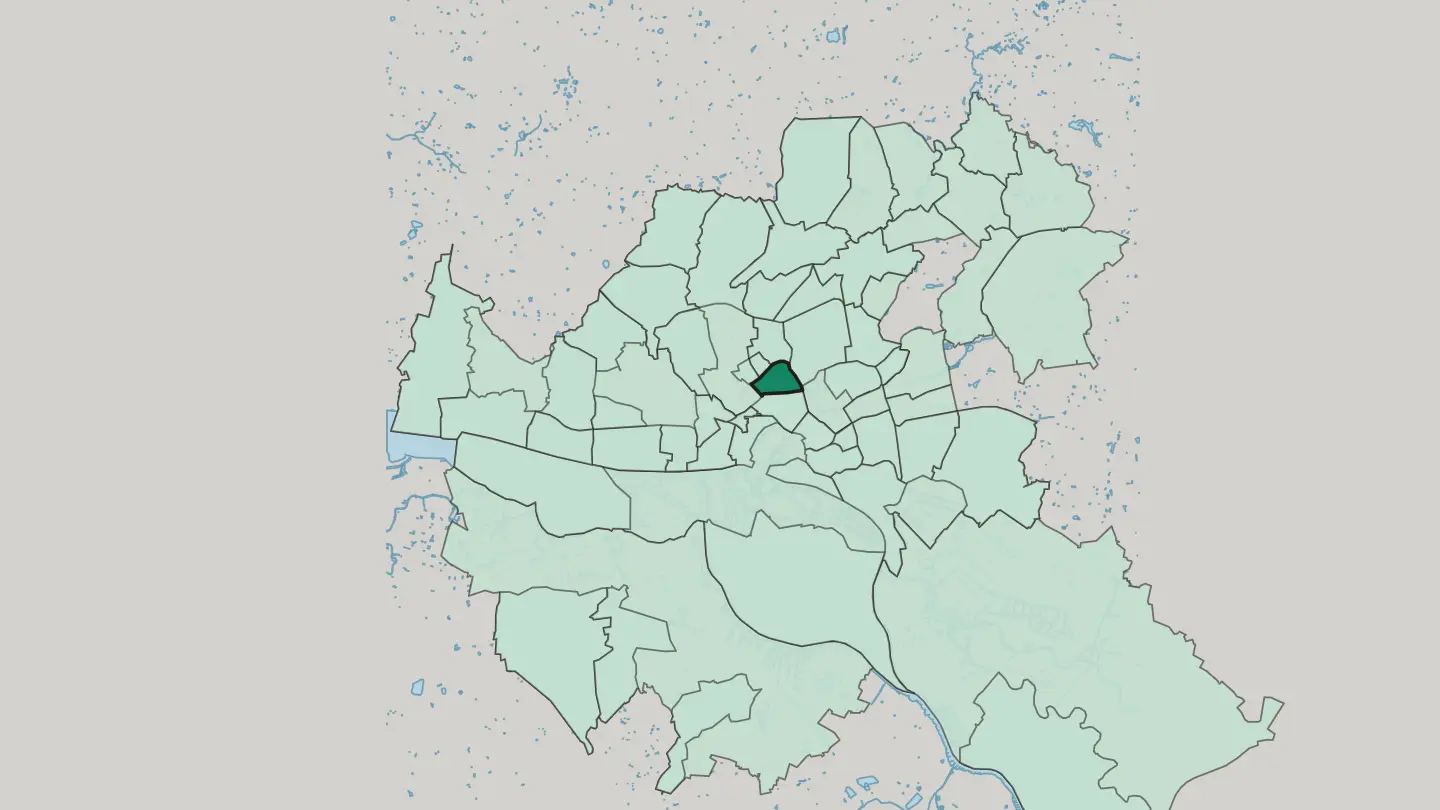
 HamburgGermany
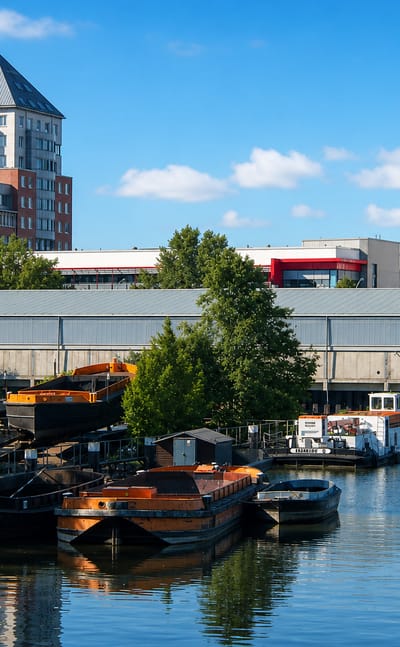
Rothenburgsort
Rothenburgsort is a small quarter of Hamburg, marked by an old water tower and by the memorials that stand along the Bullenhuser Damm.Where to stay →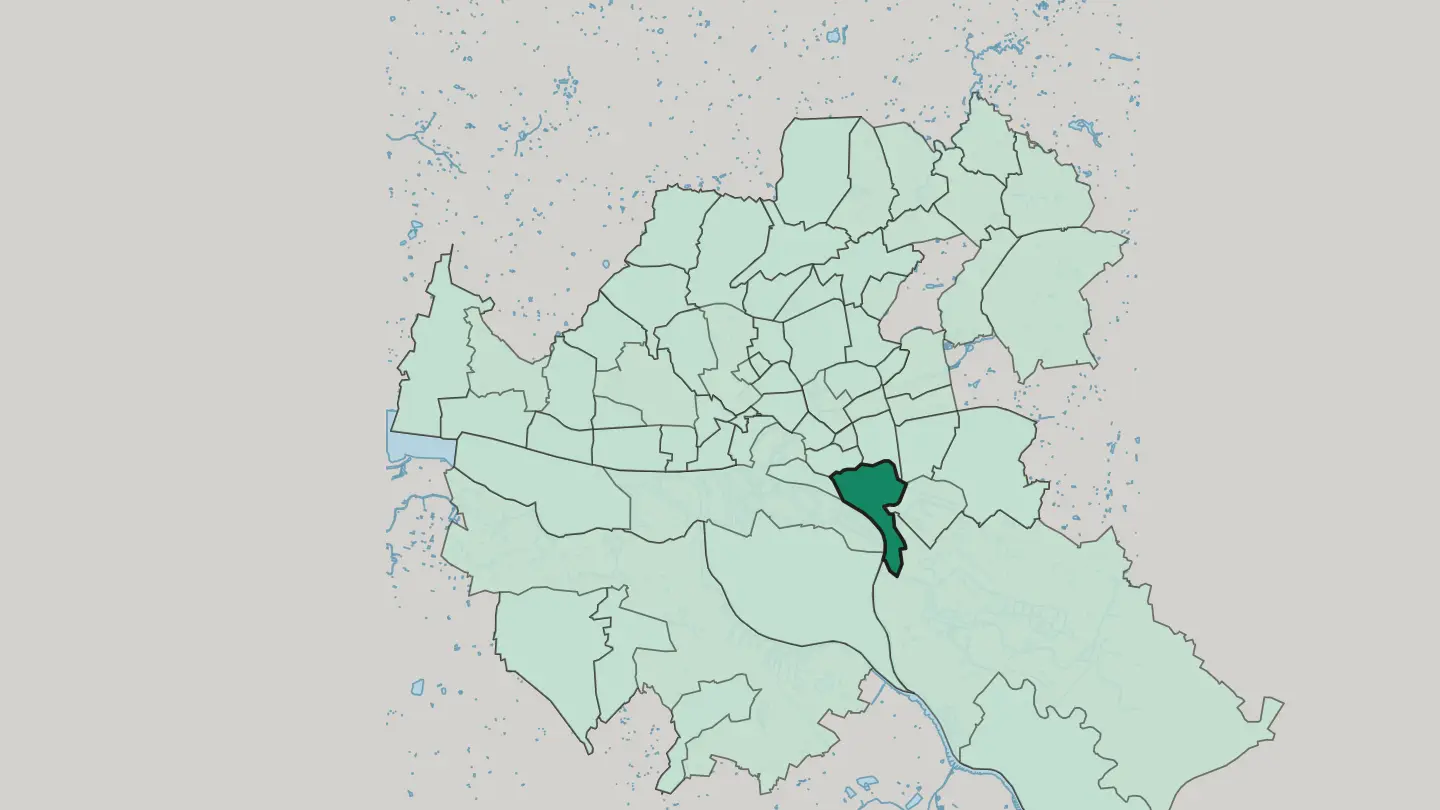
All neighbourhoods (67)
 HamburgGermany
Steinwerder
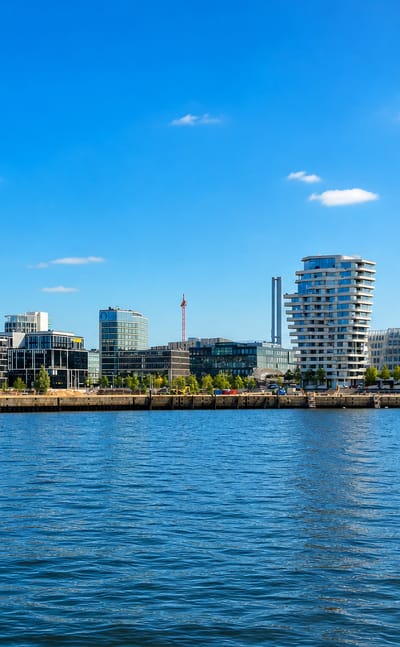
Steinwerder is a maritime industrial quarter of Hamburg, Germany, on the southern bank of the Elbe inside the borough of Hamburg-Mitte.Where to stay →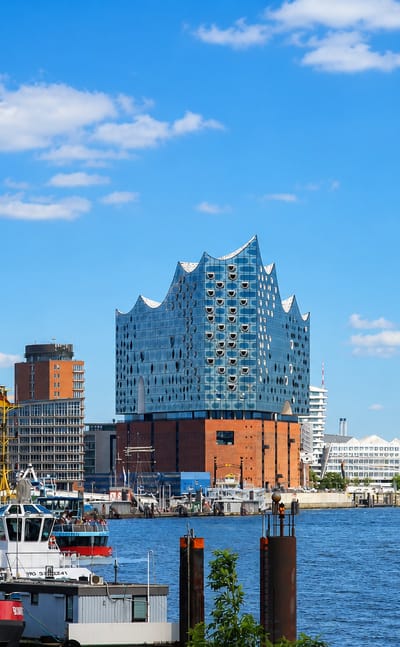 HamburgGermany
Altona-Altstadt
Altona-Altstadt is the old heart of former Altona, a Hamburg quarter around the Altonaer Fischmarkt and the Altonaer Museum.Where to stay →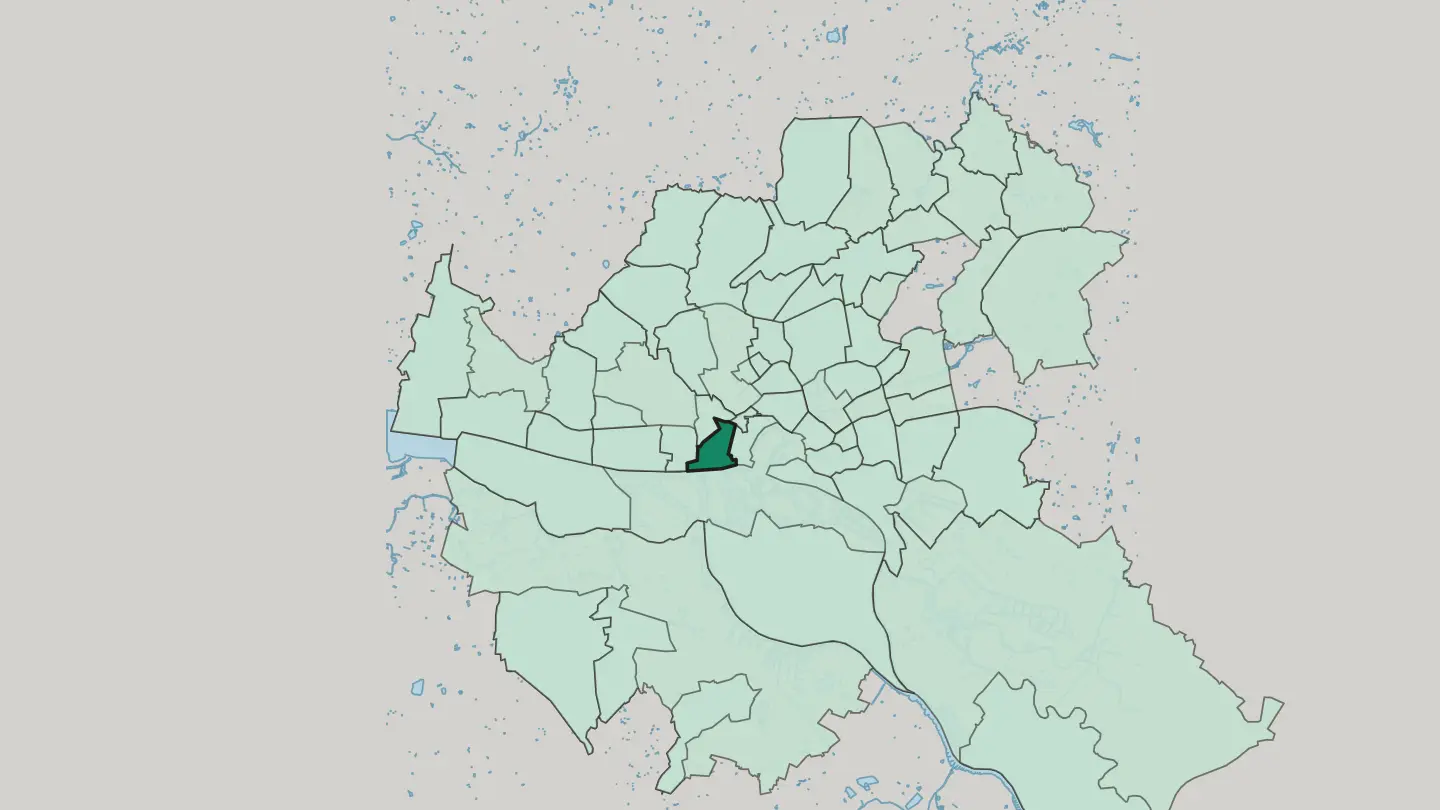
 HamburgGermany
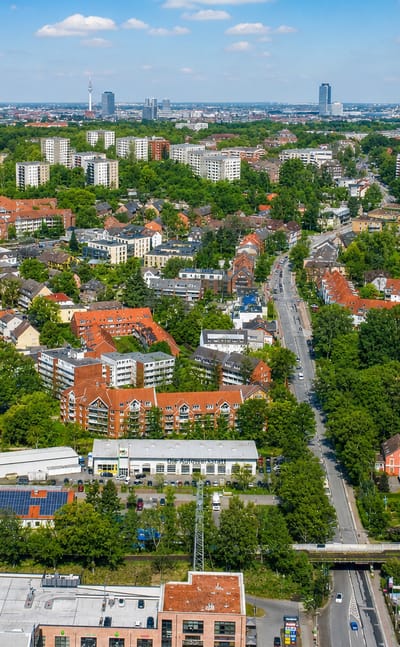
Eilbek
Eilbek is a Stadtteil of Hamburg in the far south-west of the Wandsbek borough, about four kilometres north-east of the city centre.Where to stay →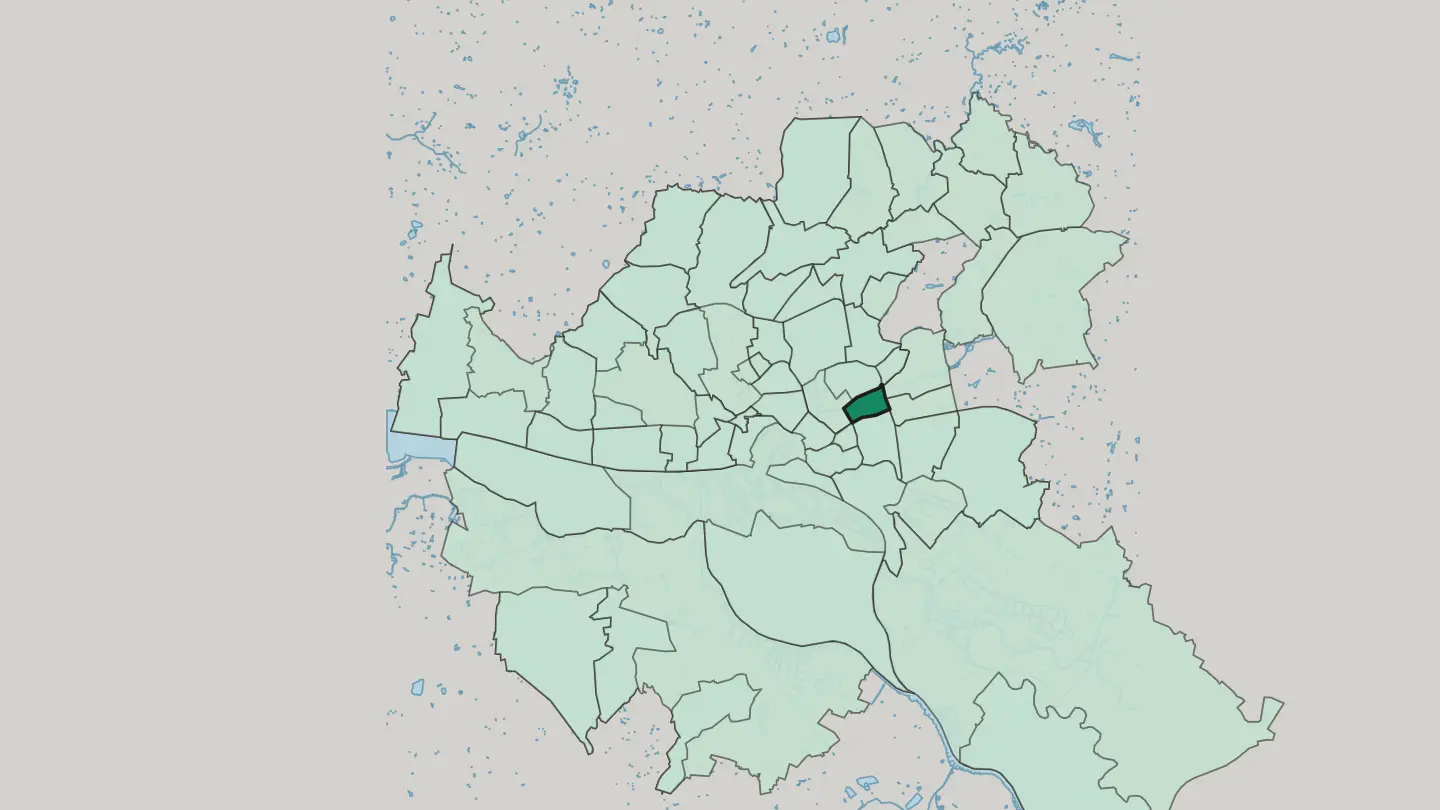
 HamburgGermany
Eimsbüttel
Eimsbüttel is a district of Hamburg, its residential streets set around the Christuskirche and the Zoological Museum Hamburg.Where to stay →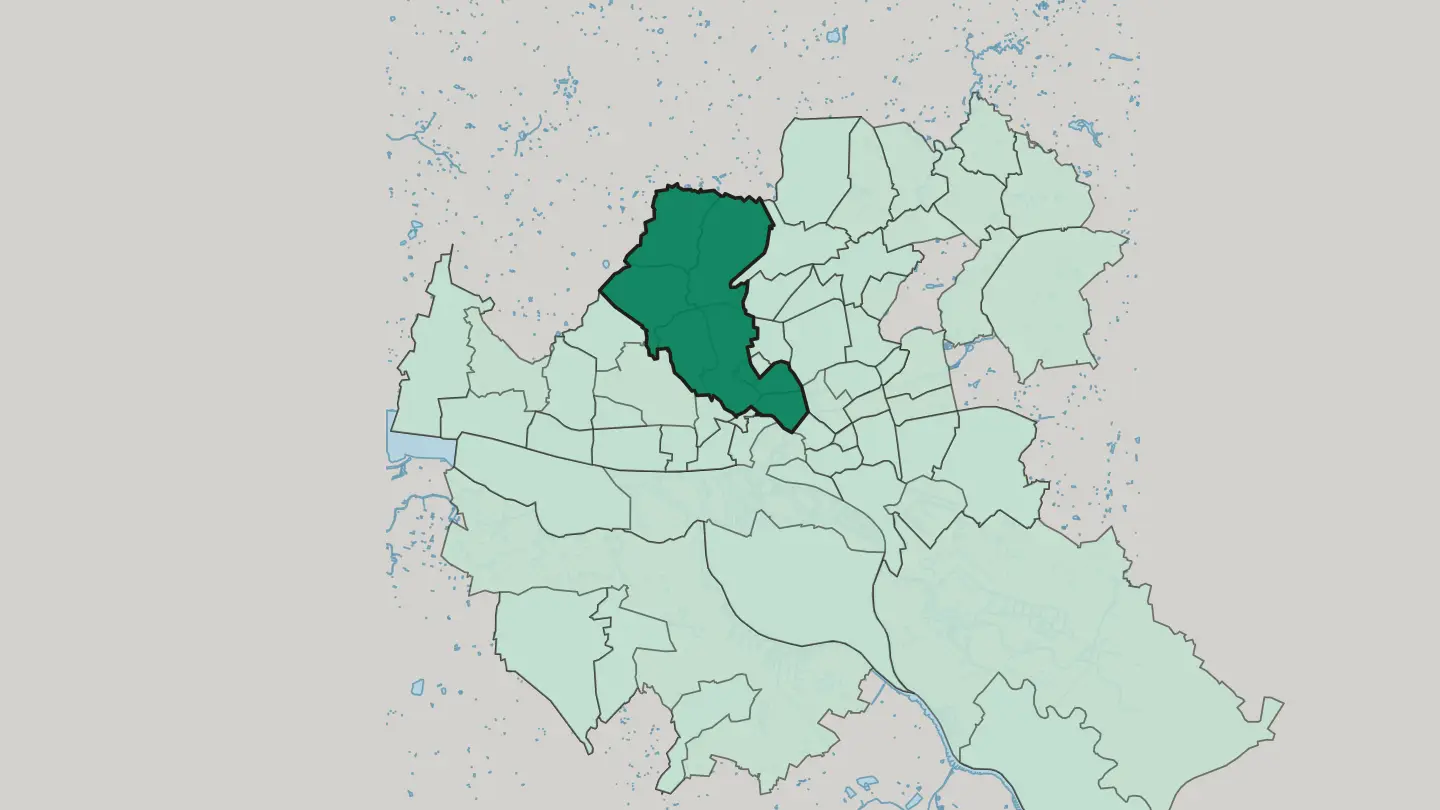 HamburgGermany
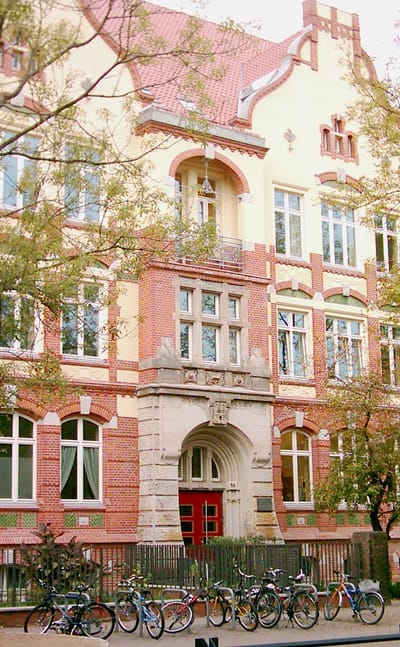
Hamm
Hamm is a Stadtteil of Hamburg in the Hamburg-Mitte borough, once a villa suburb of wealthy merchants and a single Stadtteil again since 2011.Where to stay →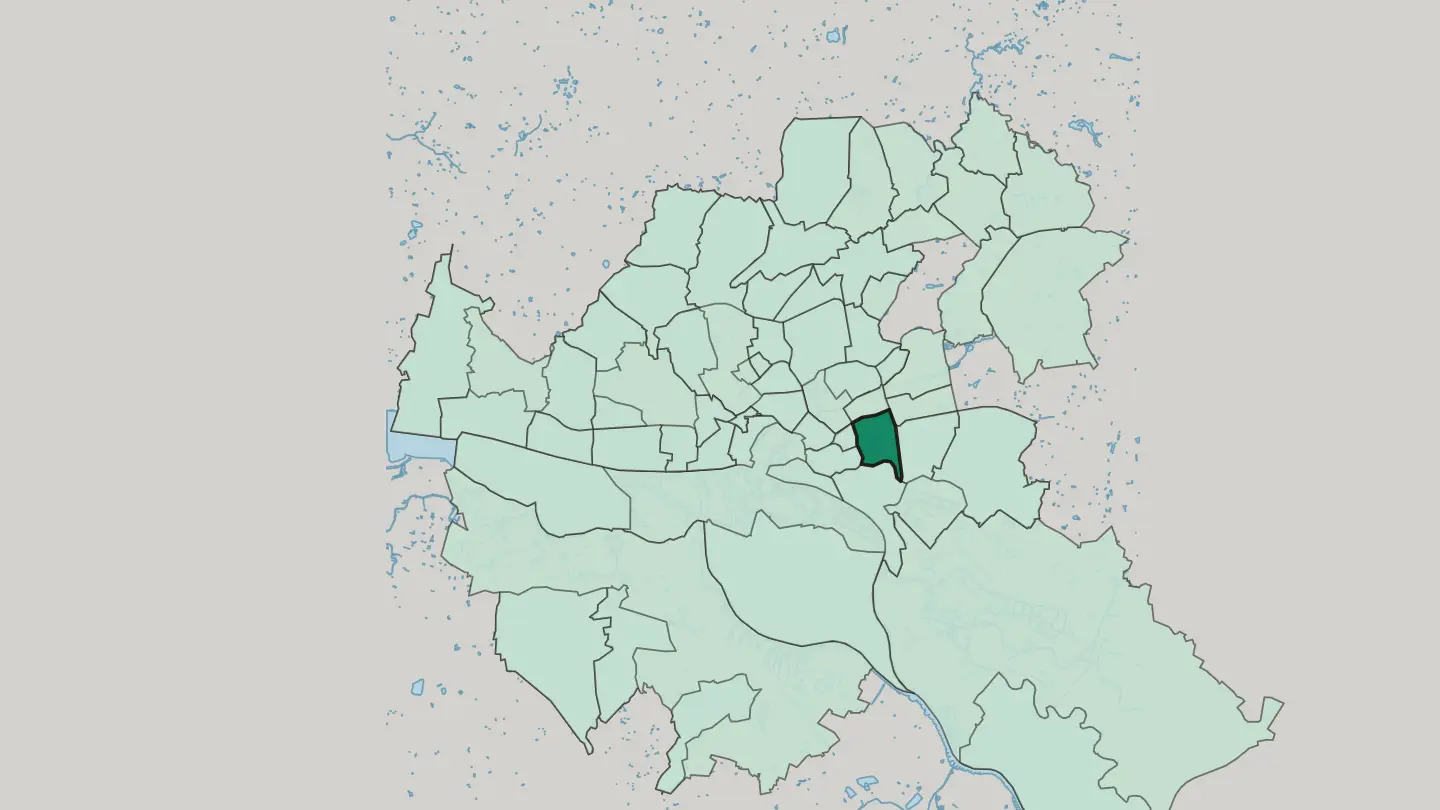
 HamburgGermany
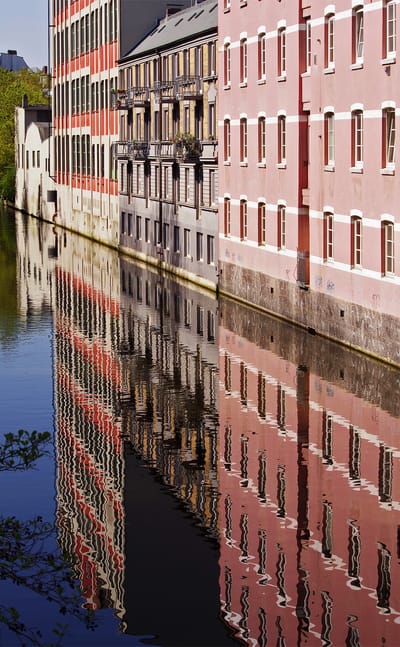
Altona-Nord
Altona-Nord is the northern quarter of Altona in Hamburg, a residential district around the Christuskirche and the Mennonitenkirche.Where to stay →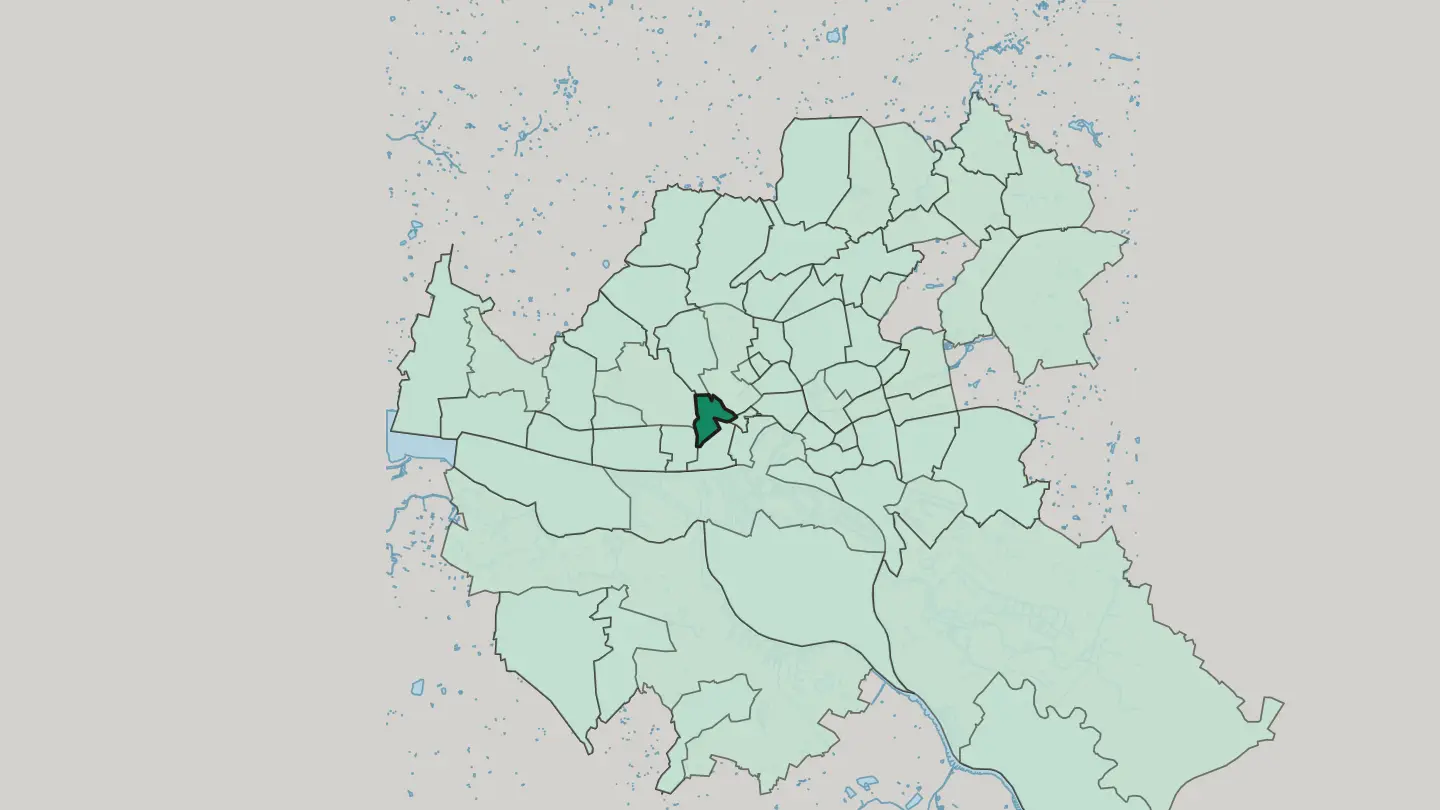
 HamburgGermany
Hoheluft-Ost
St. Markus-Hoheluft rises over the close streets of Hoheluft-Ost, a small quarter of Hamburg in Germany known for its churches.Where to stay →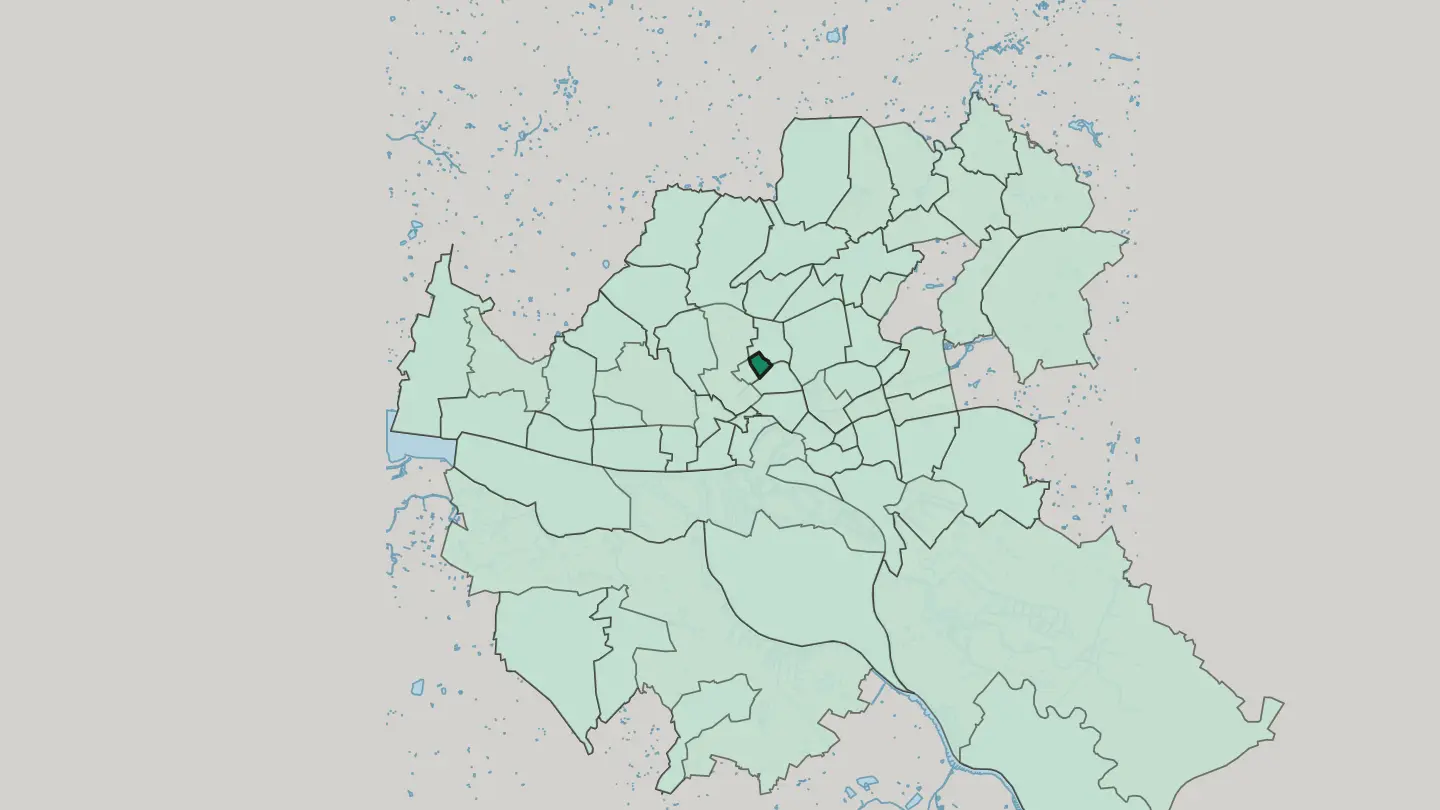 HamburgGermany
Hoheluft-West
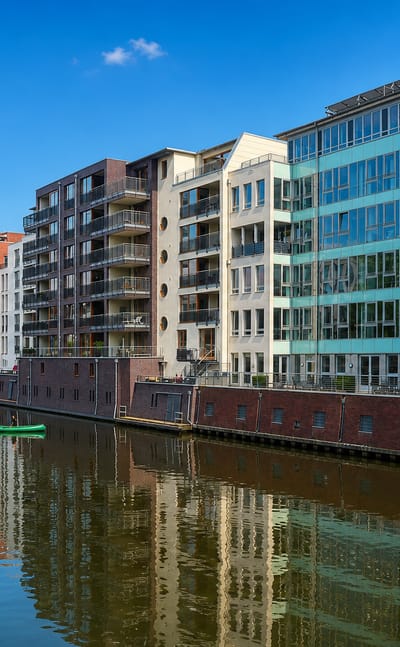
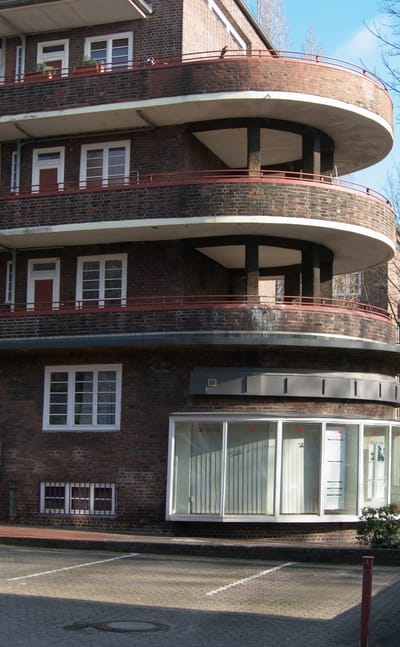
Preserved apartment rows line Hoheluft-West, a quarter of Hamburg in Germany, around St. Bonifatius and the Bethlehem-Kirche.Where to stay →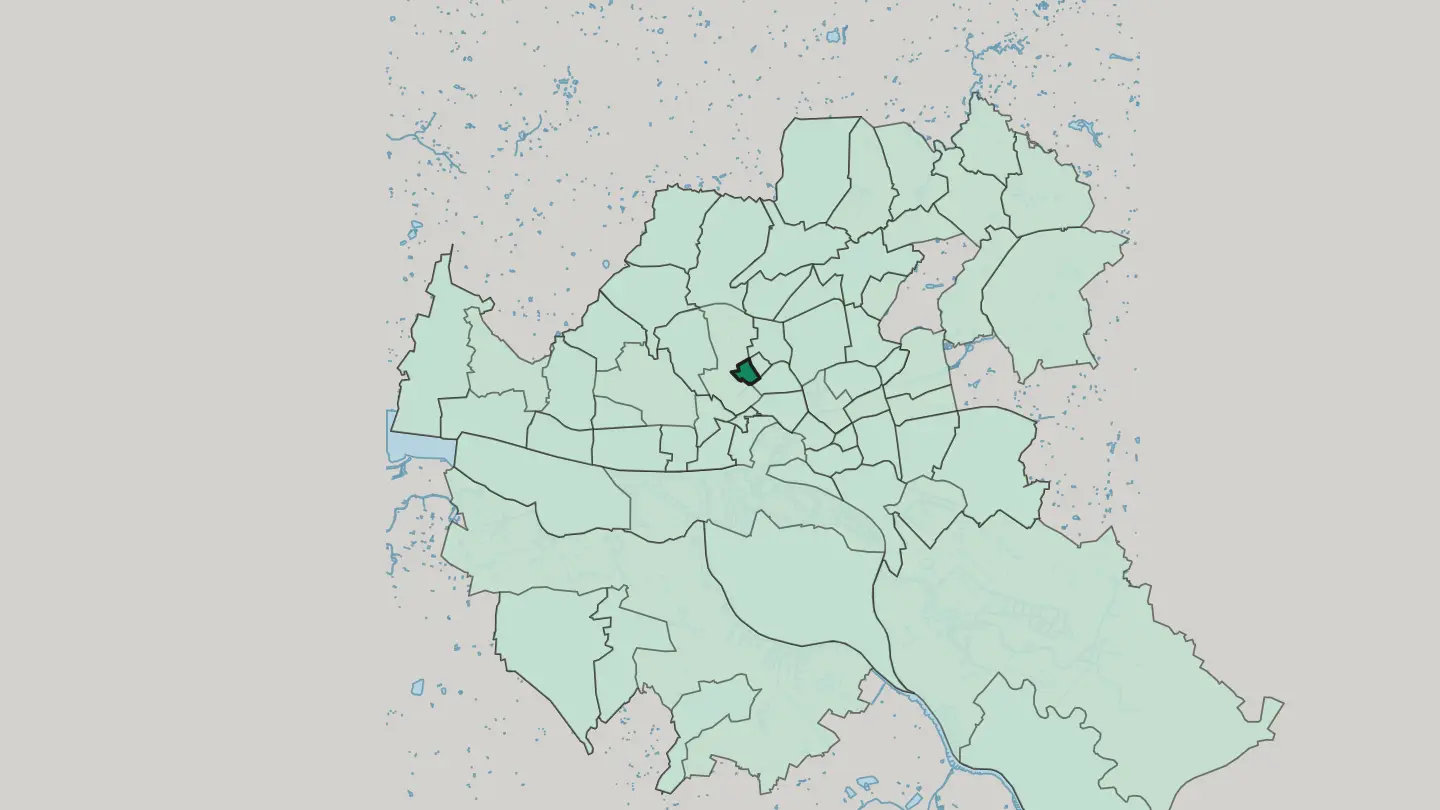
 HamburgGermany
Barmbek-Süd
Barmbek-Süd is a Stadtteil of Hamburg in the Hamburg-Nord borough, north-east of the centre; until 1951 it formed Barmbek with Barmbek-Nord and Dulsberg.Where to stay →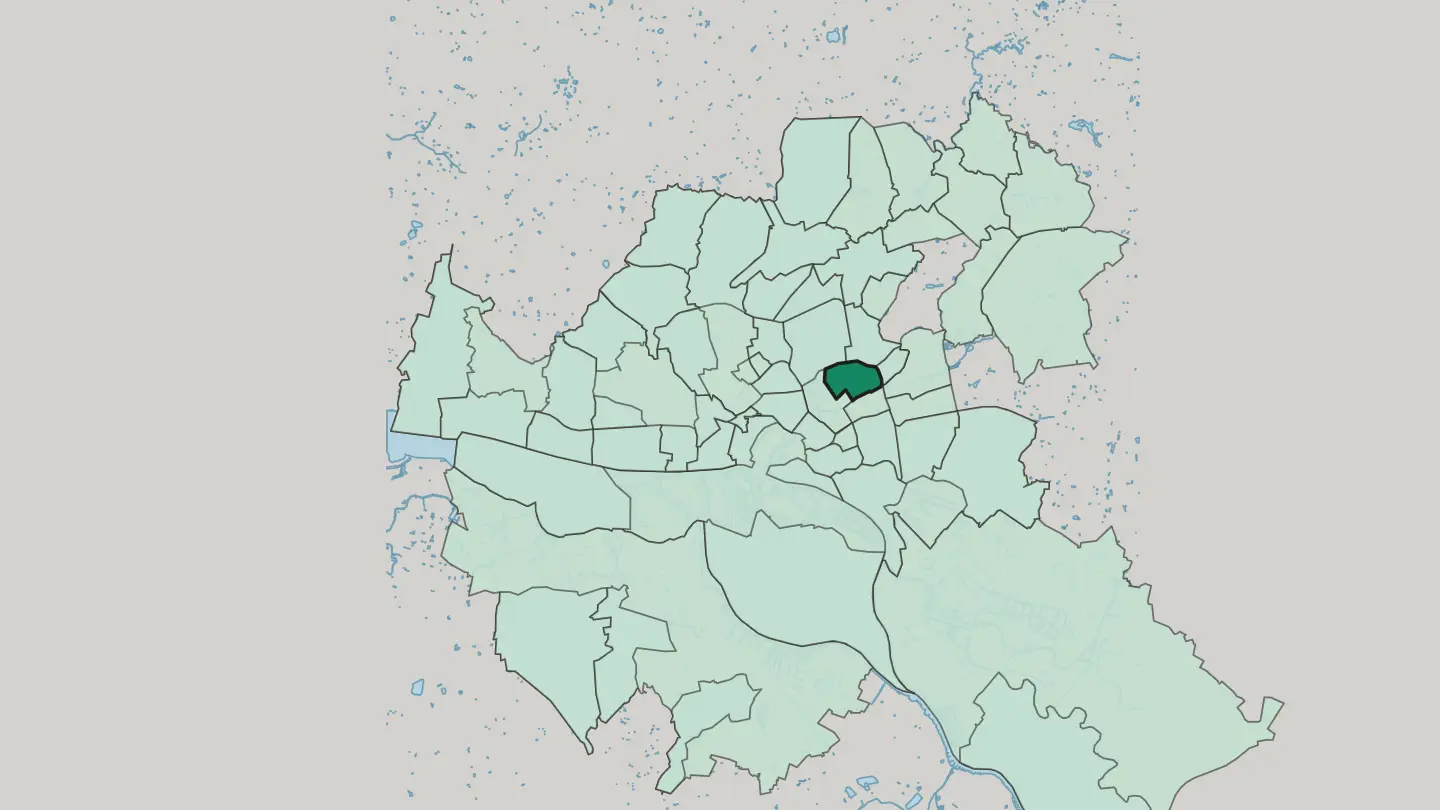
 HamburgGermany
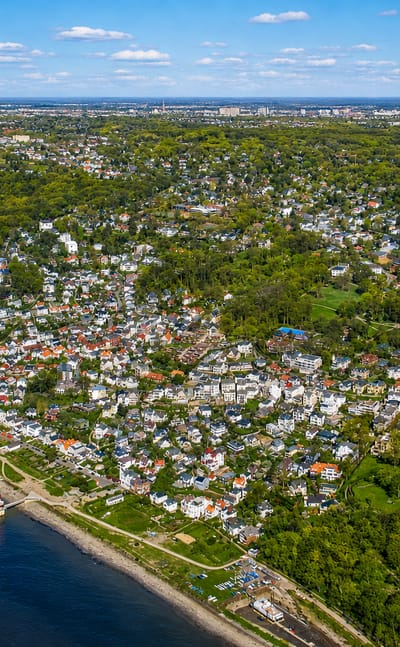
Altona
Altona traces its founding to 1535 and stands within Hamburg, known for the Altonaer Fischmarkt and the harbour at Oevelgönne.Where to stay →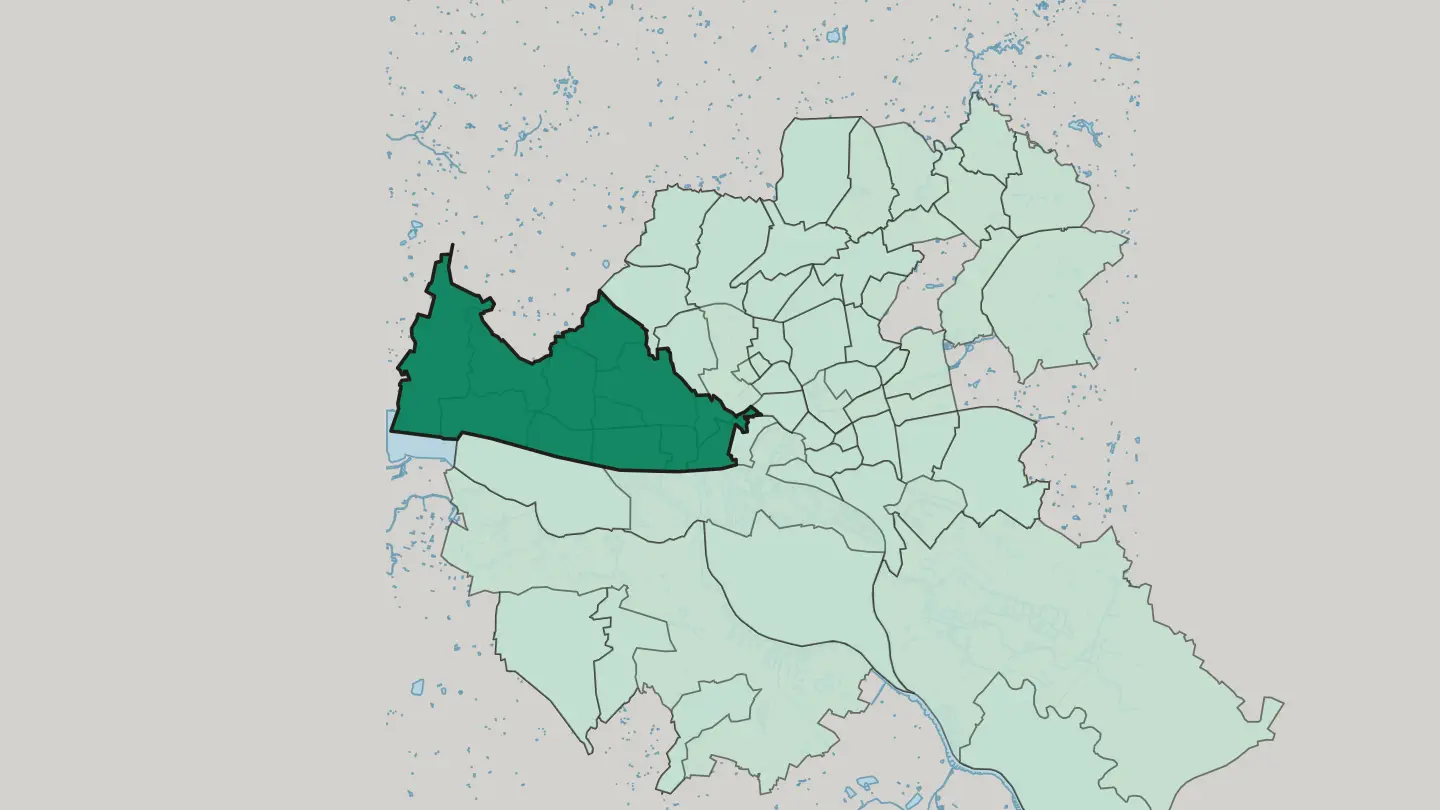
 HamburgGermany
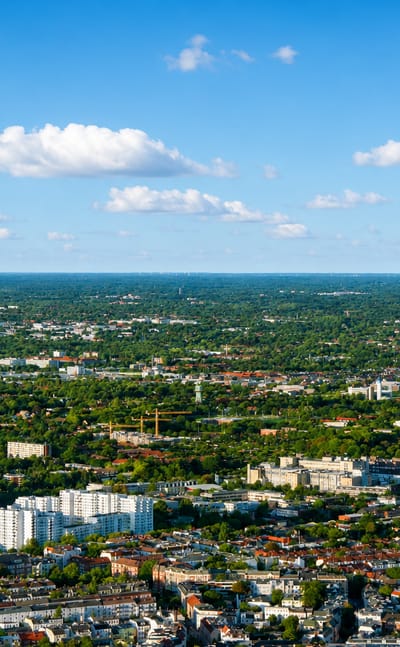
Eppendorf
Eppendorf is a Stadtteil of Hamburg west of the Alster, the core of the Hamburg-Nord borough and the seat of its district office.Where to stay →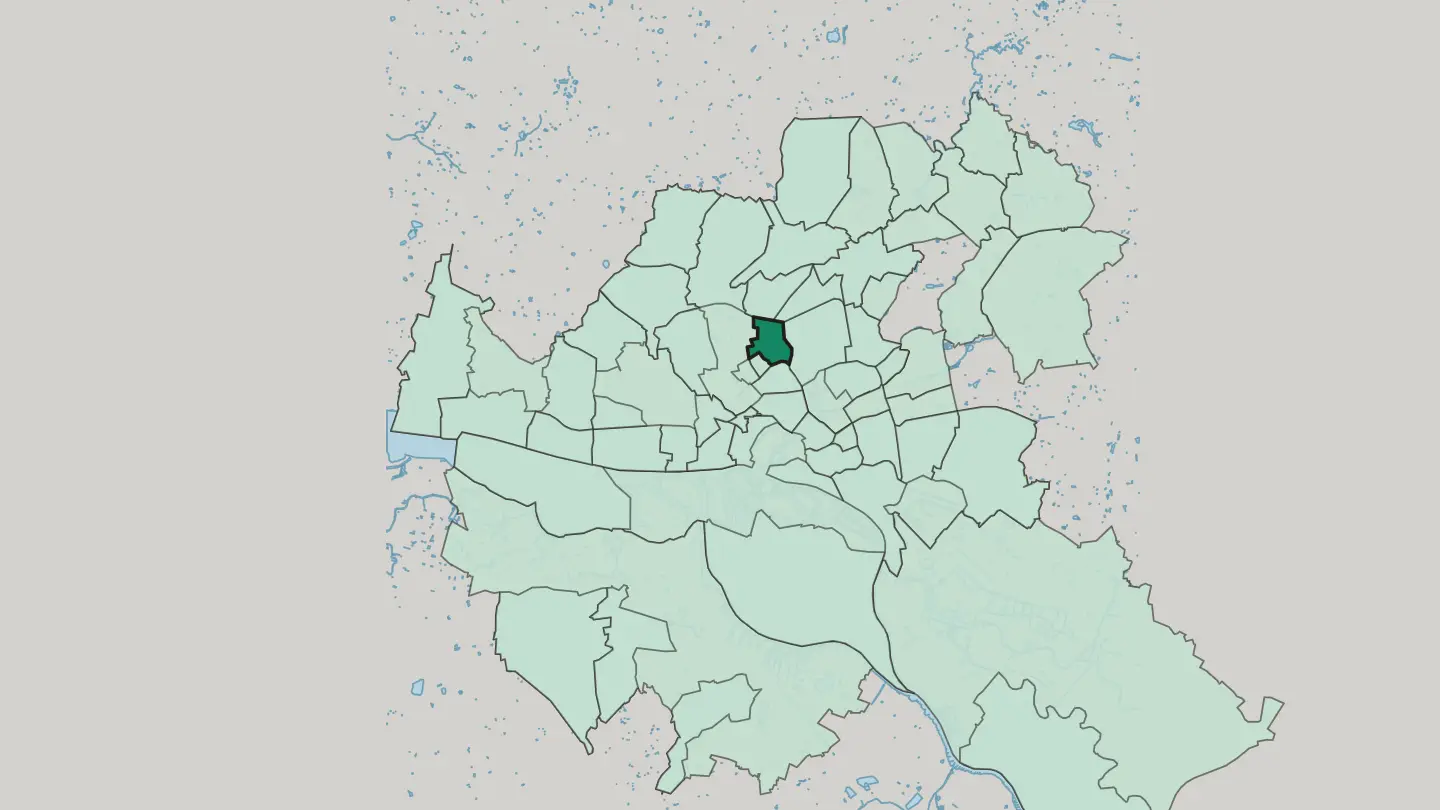
 HamburgGermany
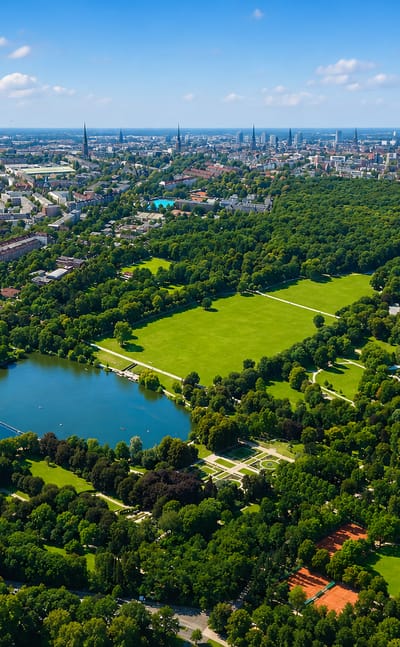
Winterhude
Leafy streets and brick define Winterhude, a quarter of Hamburg in the Hamburg-Nord borough, marked by the Wasserturm and Saint Matthew's Church.Where to stay →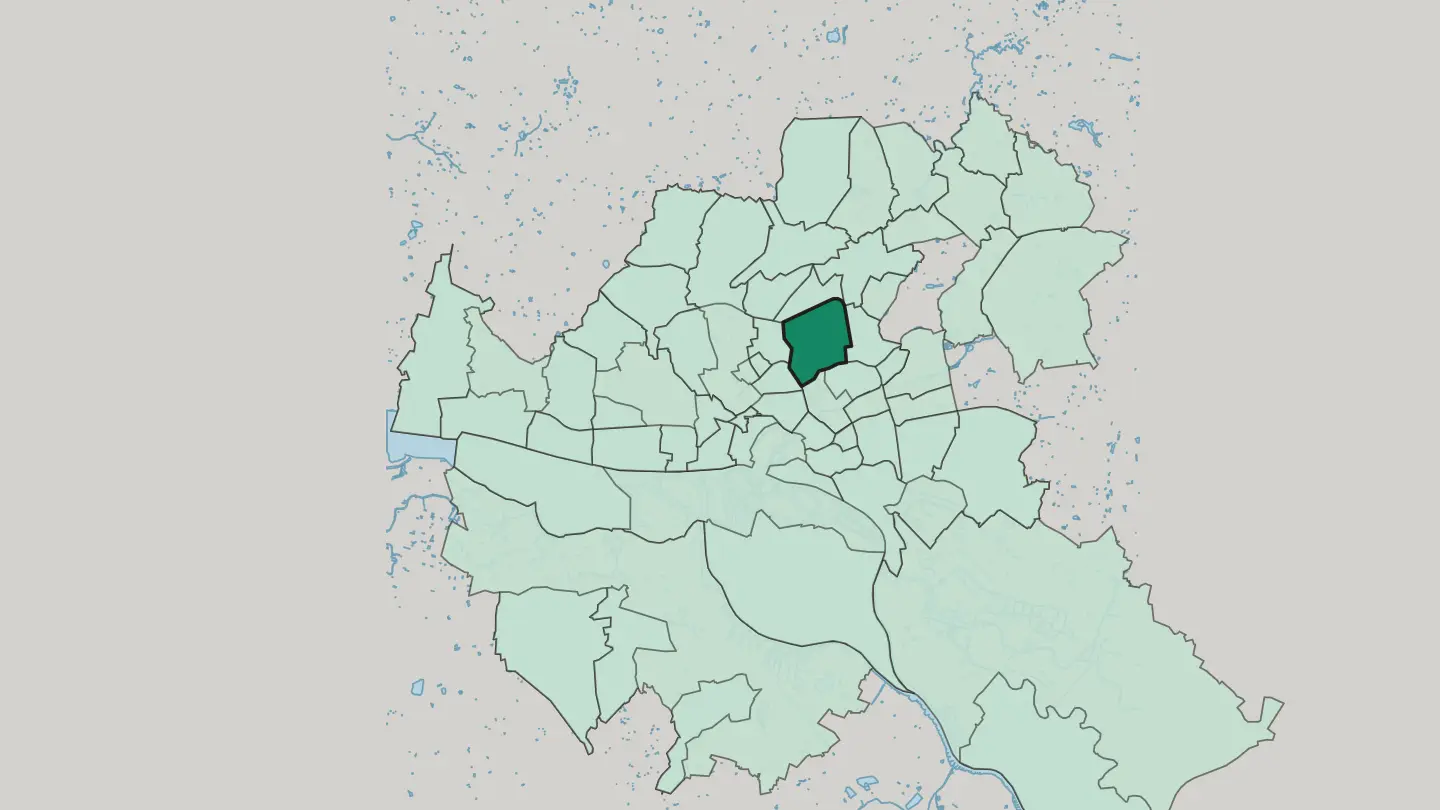
 HamburgGermany
Ottensen
Ottensen is a lively quarter of Hamburg, drawing crowds to the Altonaer Museum, the Christianskirche, and the boats at Museumshafen Oevelgönne.Where to stay →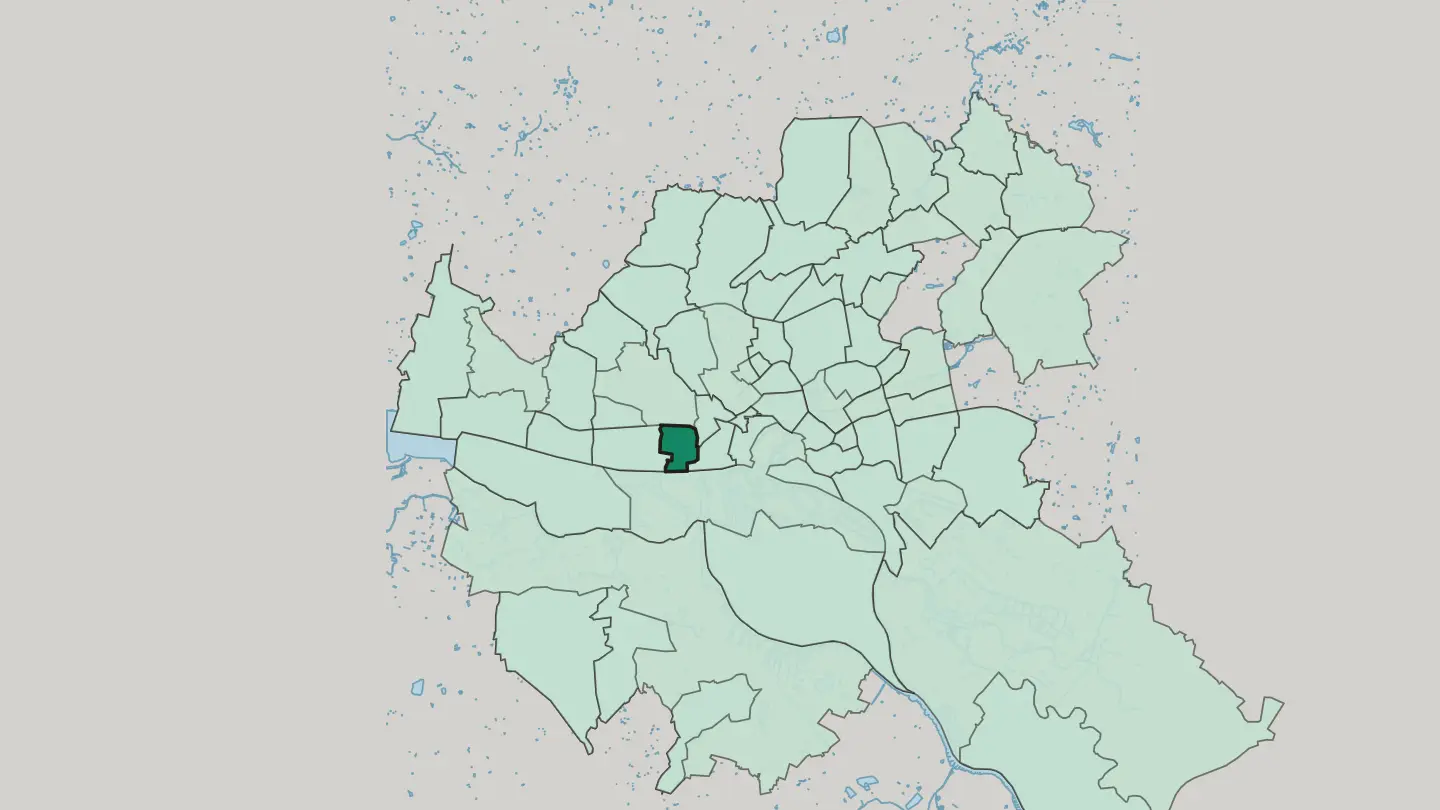
 HamburgGermany
Dulsberg
Row on row of housing fills Dulsberg, a compact quarter of Hamburg in Germany known for the Laubenganghäuser Dulsberg and the Auferstehungskirche.Where to stay →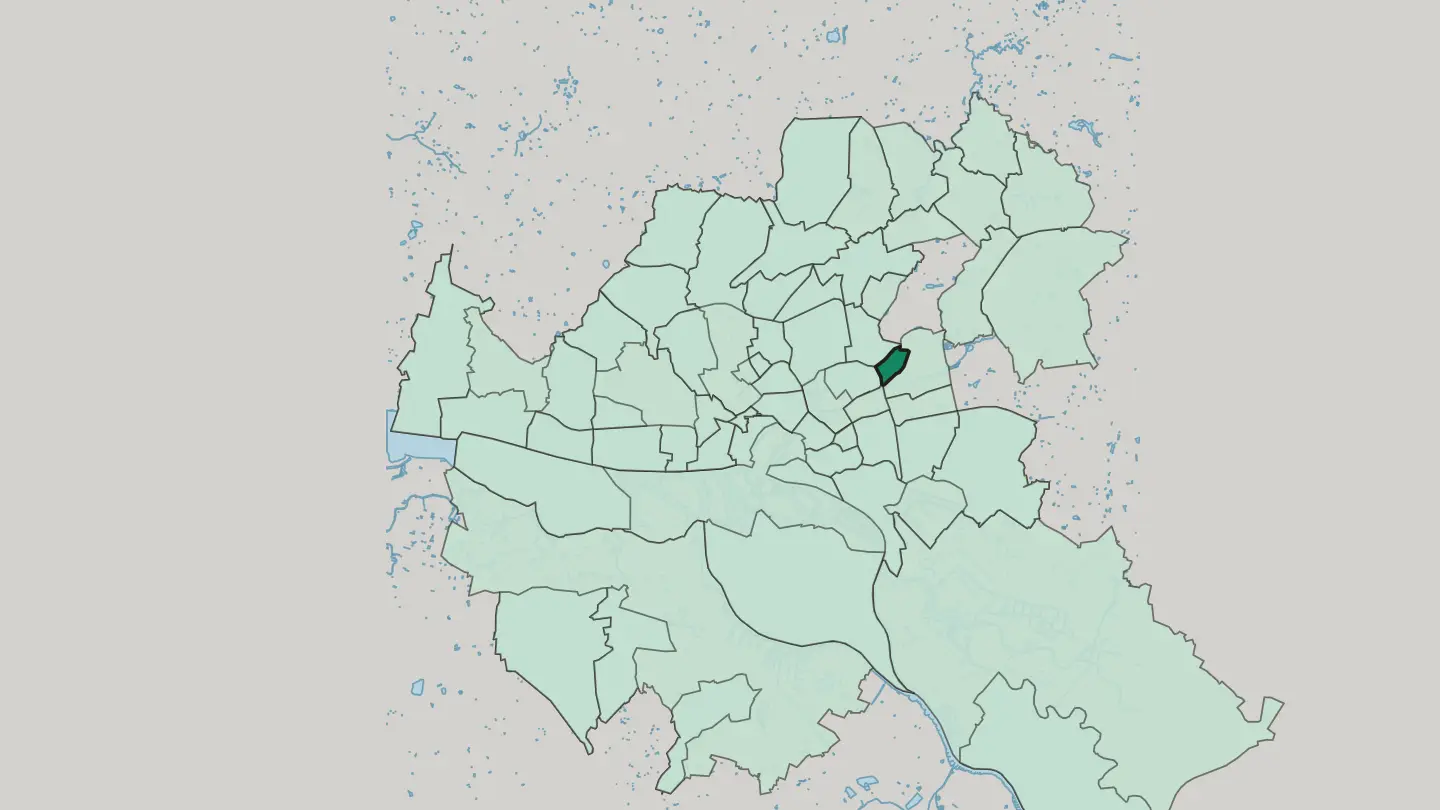 HamburgGermany
Horn
Three parish churches hold the streets of Horn in Hamburg, Germany, from the Kapernaumkirche to the Martinskirche.Where to stay →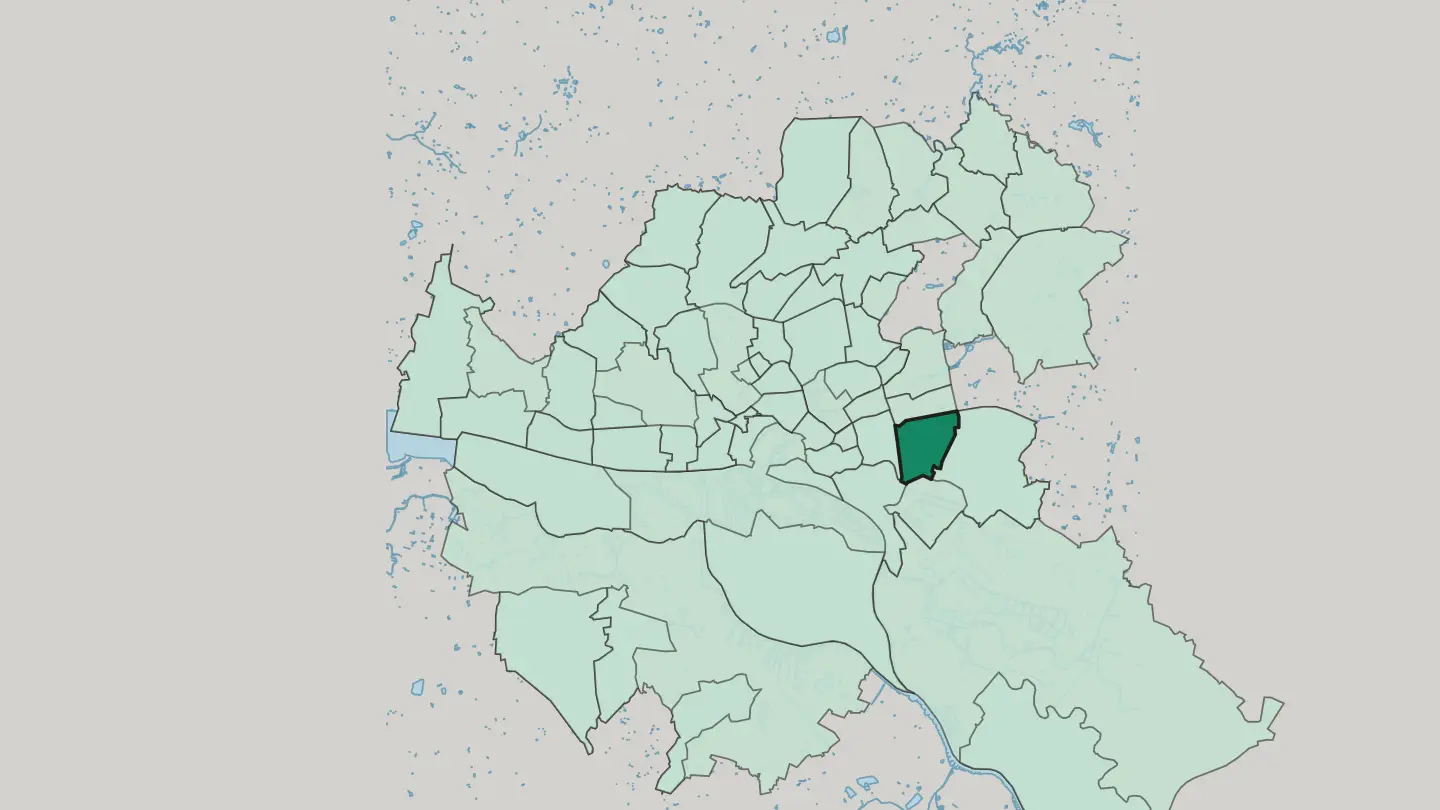 HamburgGermany
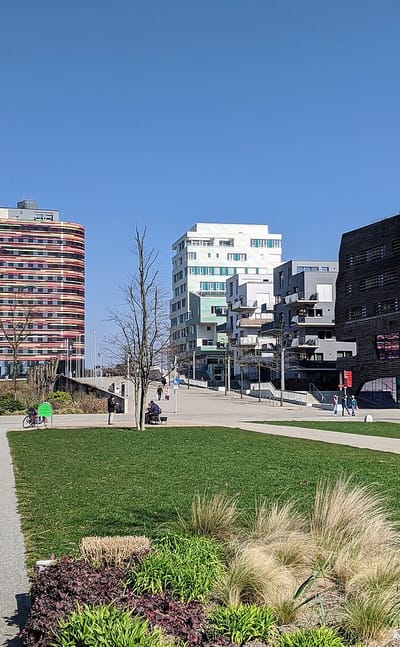
Marienthal
Marienthal is a residential quarter of Hamburg beside Wandsbek, its streets marked by the Kapernaumkirche and the Kreuzkirche.Where to stay →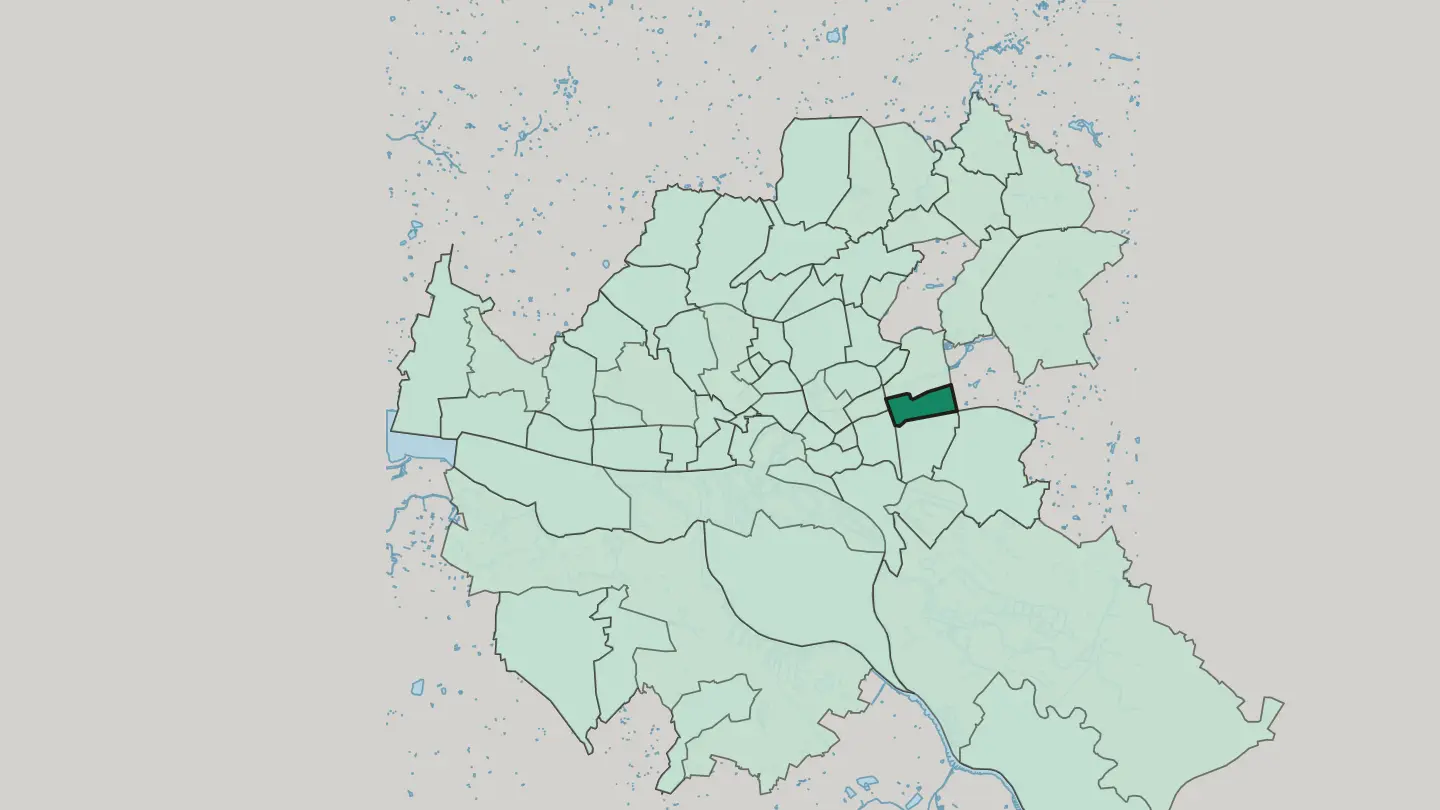
 HamburgGermany
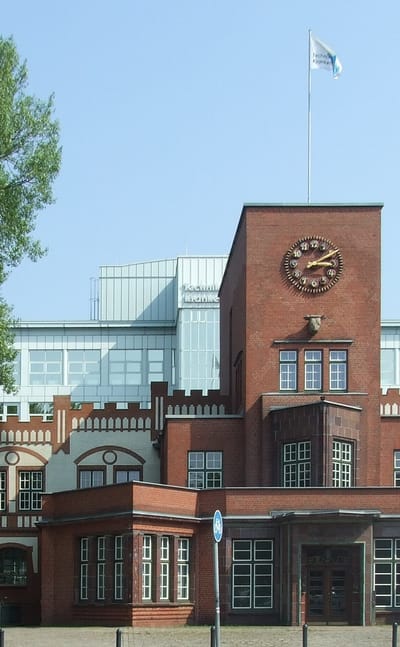
Wilhelmsburg
Water rings Wilhelmsburg, an Elbe island district of Hamburg marked by the Museum Elbinsel Wilhelmsburg and Schloss Stillhorn.Where to stay →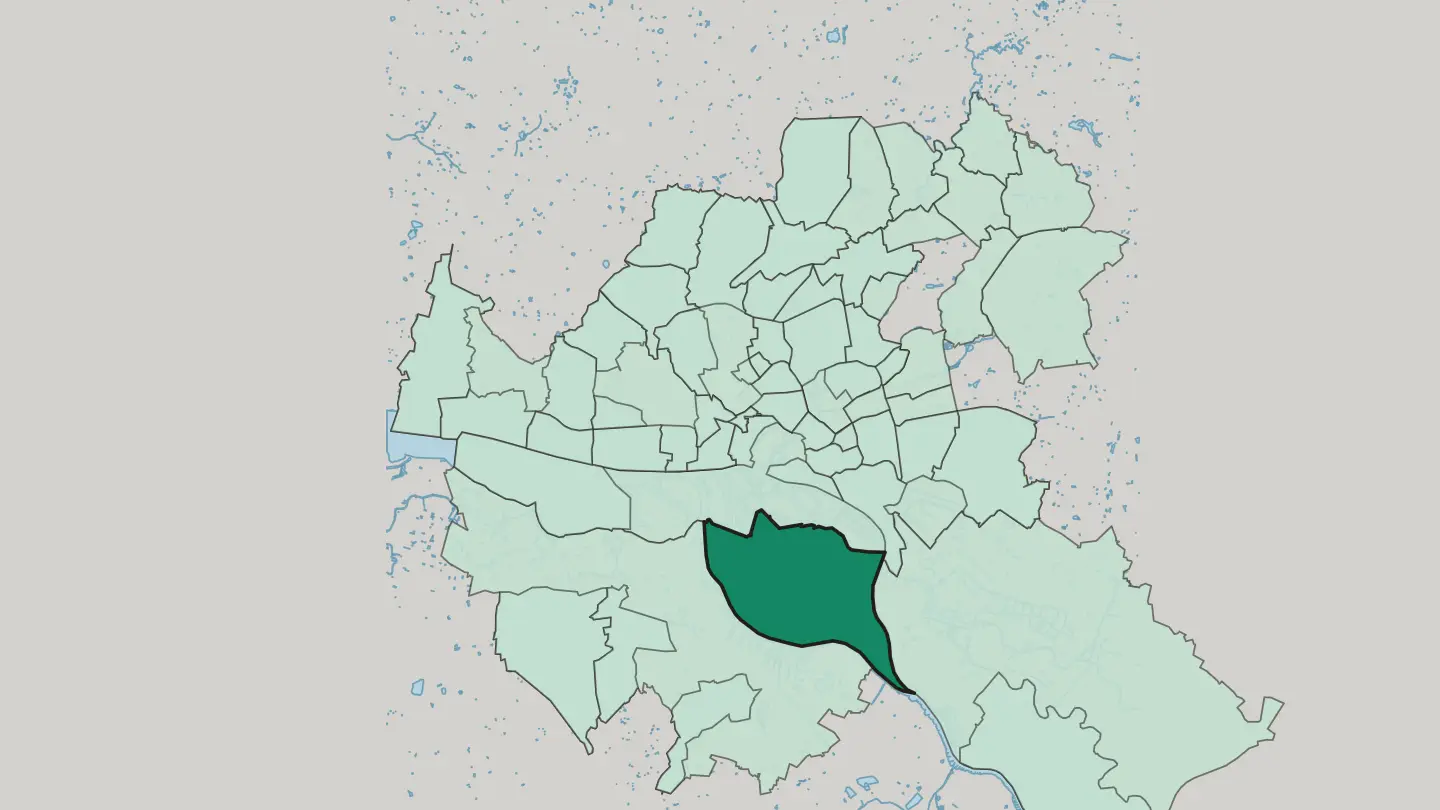
 HamburgGermany
Barmbek-Nord
Barmbek-Nord is a Stadtteil of Hamburg in the east of the Hamburg-Nord borough, about five kilometres from the centre; until 1951 it was part of Barmbek.Where to stay →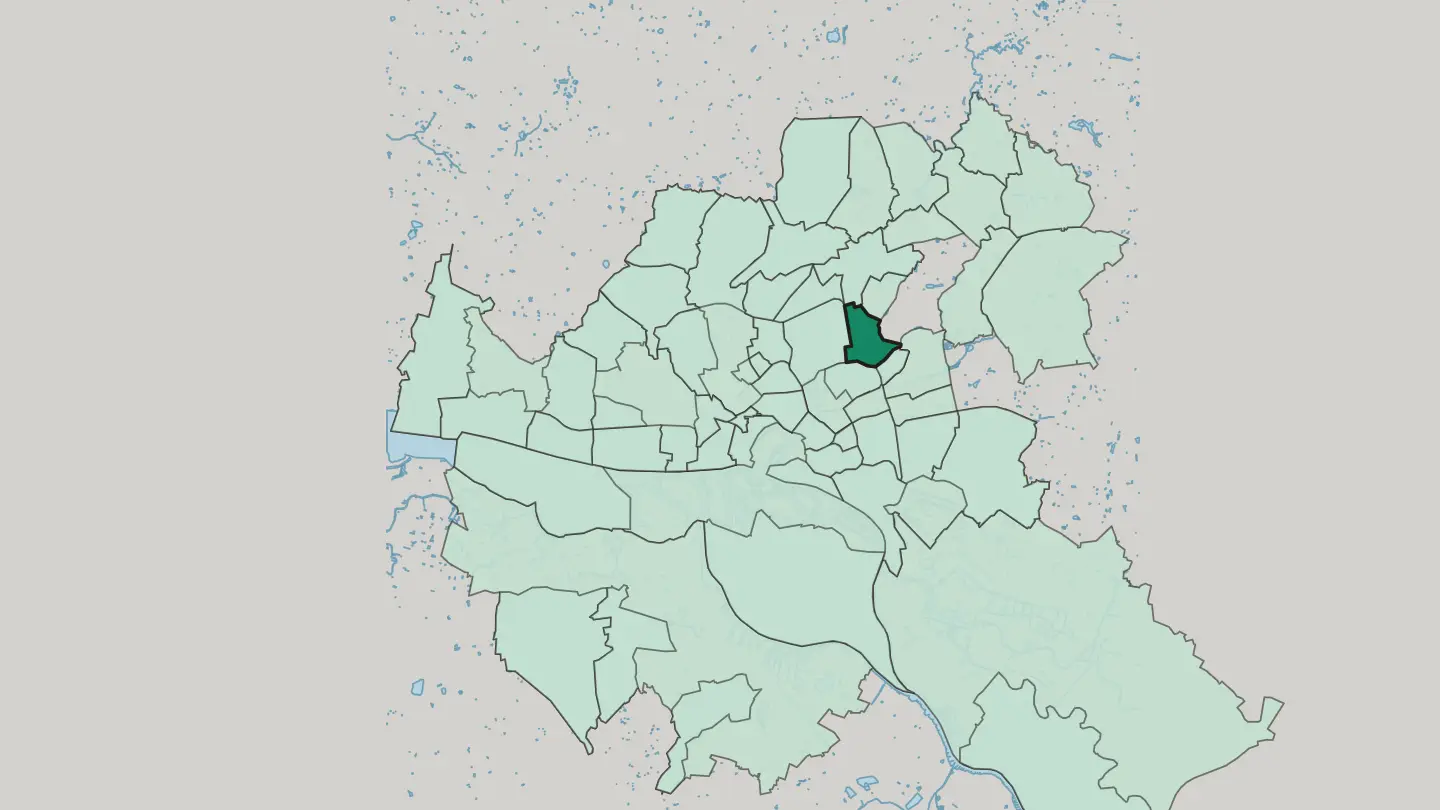
 HamburgGermany
Wandsbek
The Wandse threads through Wandsbek, a borough of Hamburg named for that river and marked by the brick of its Christuskirche and Kreuzkirche.Where to stay →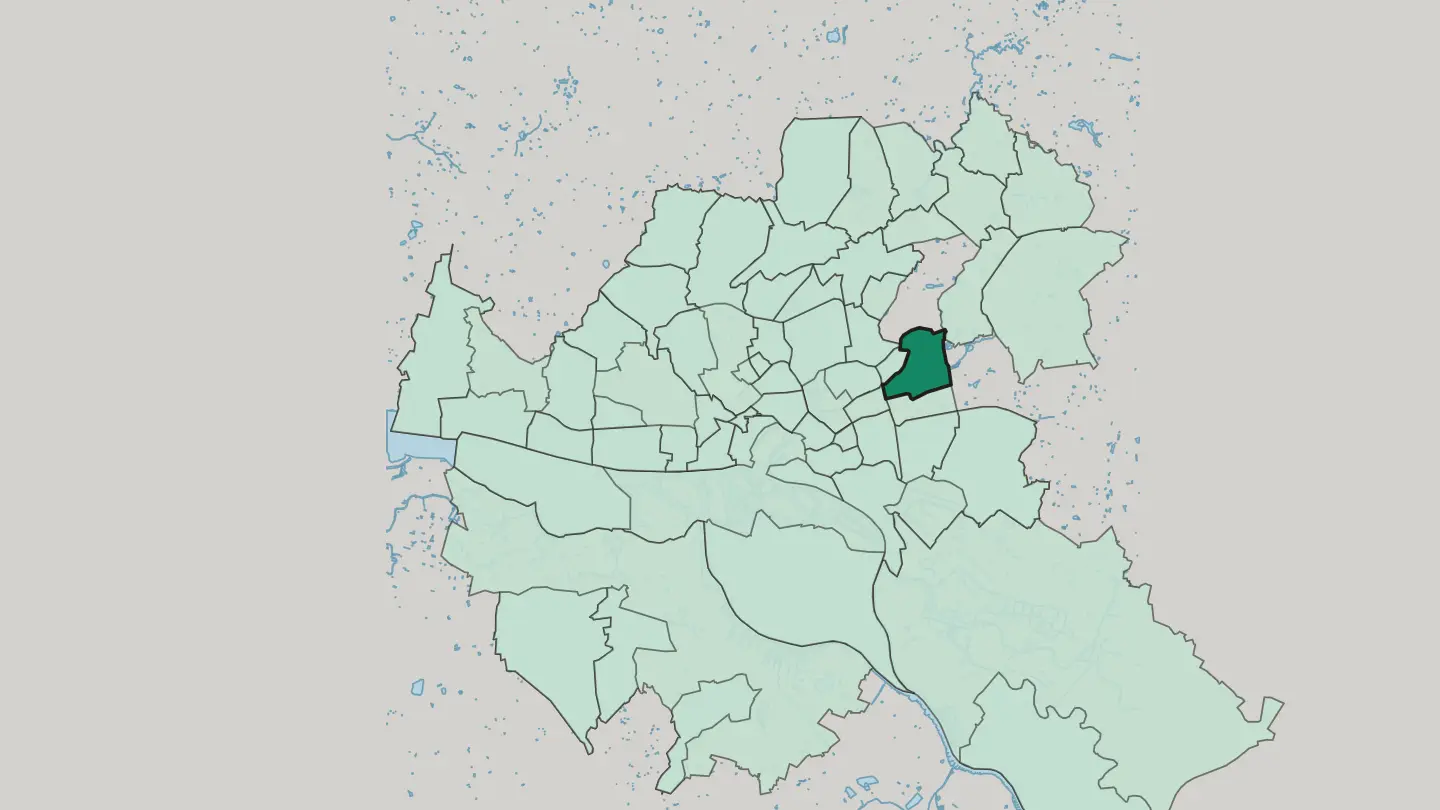
 HamburgGermany
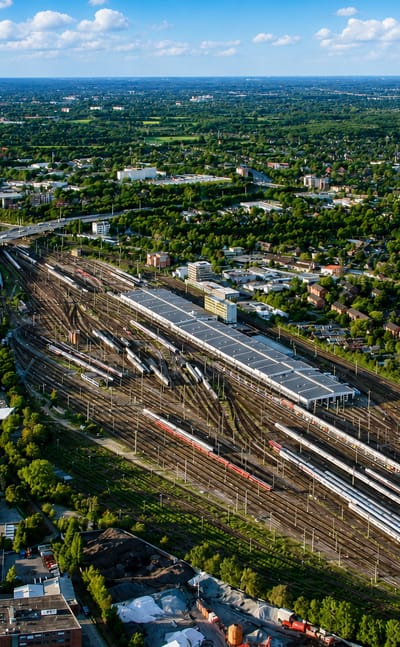
Stellingen
Stellingen is a quarter of Hamburg, Germany, known for the animal enclosures of the Tierpark Hagenbeck and the Wasserturm Hamburg-Stellingen.Where to stay →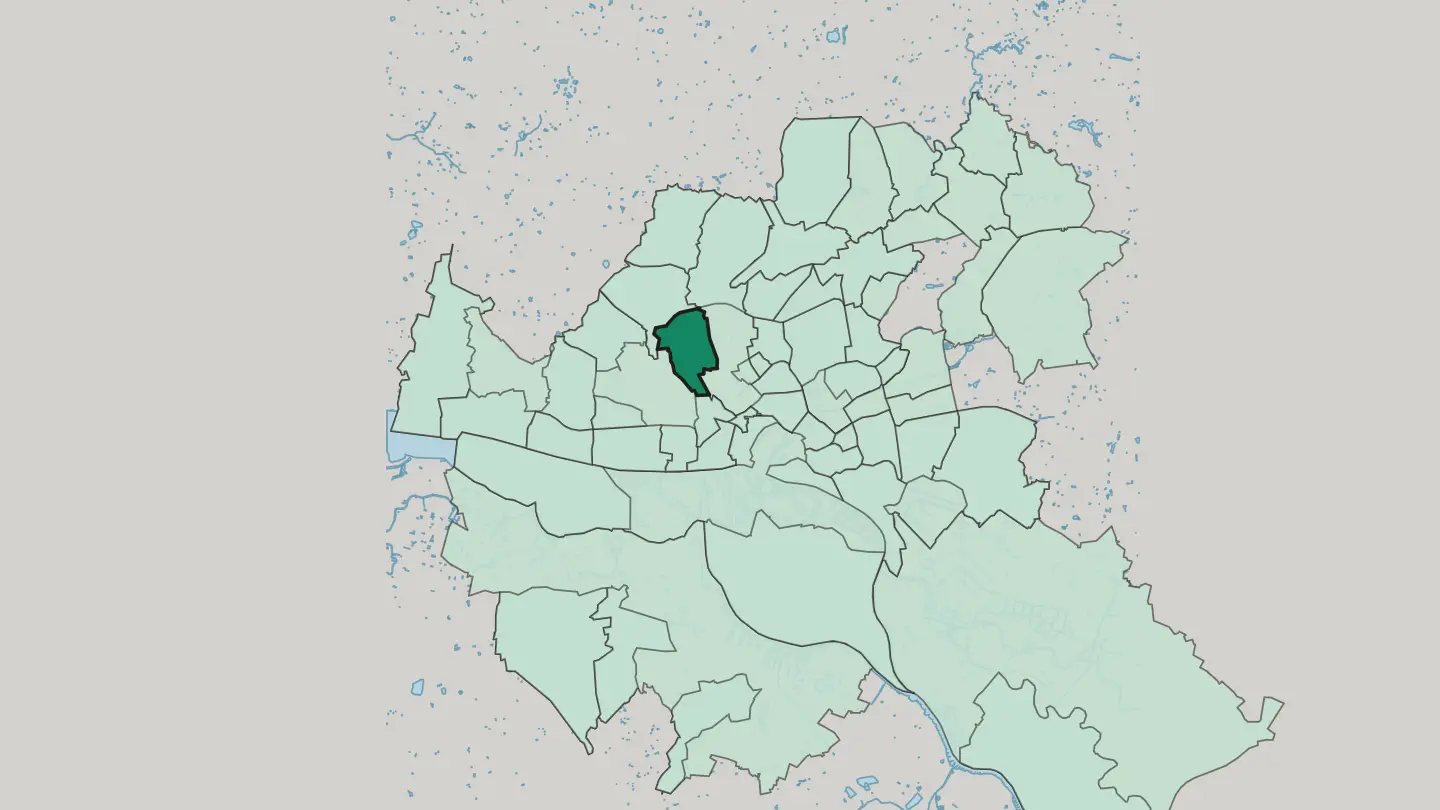
 HamburgGermany
Billstedt
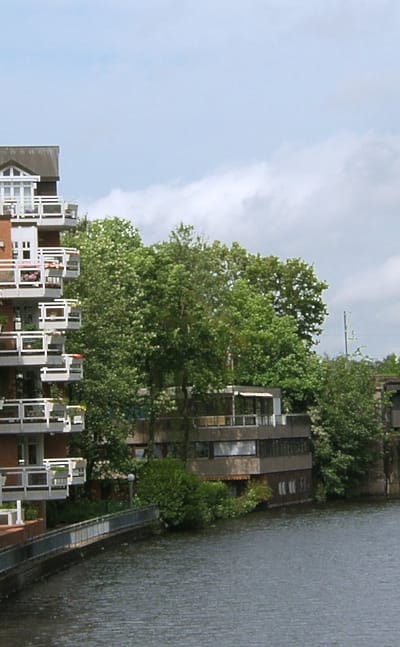
St Olaf and the Spökelburg anchor Billstedt, a quarter of Hamburg in Germany known for its church and its old heritage site.Where to stay →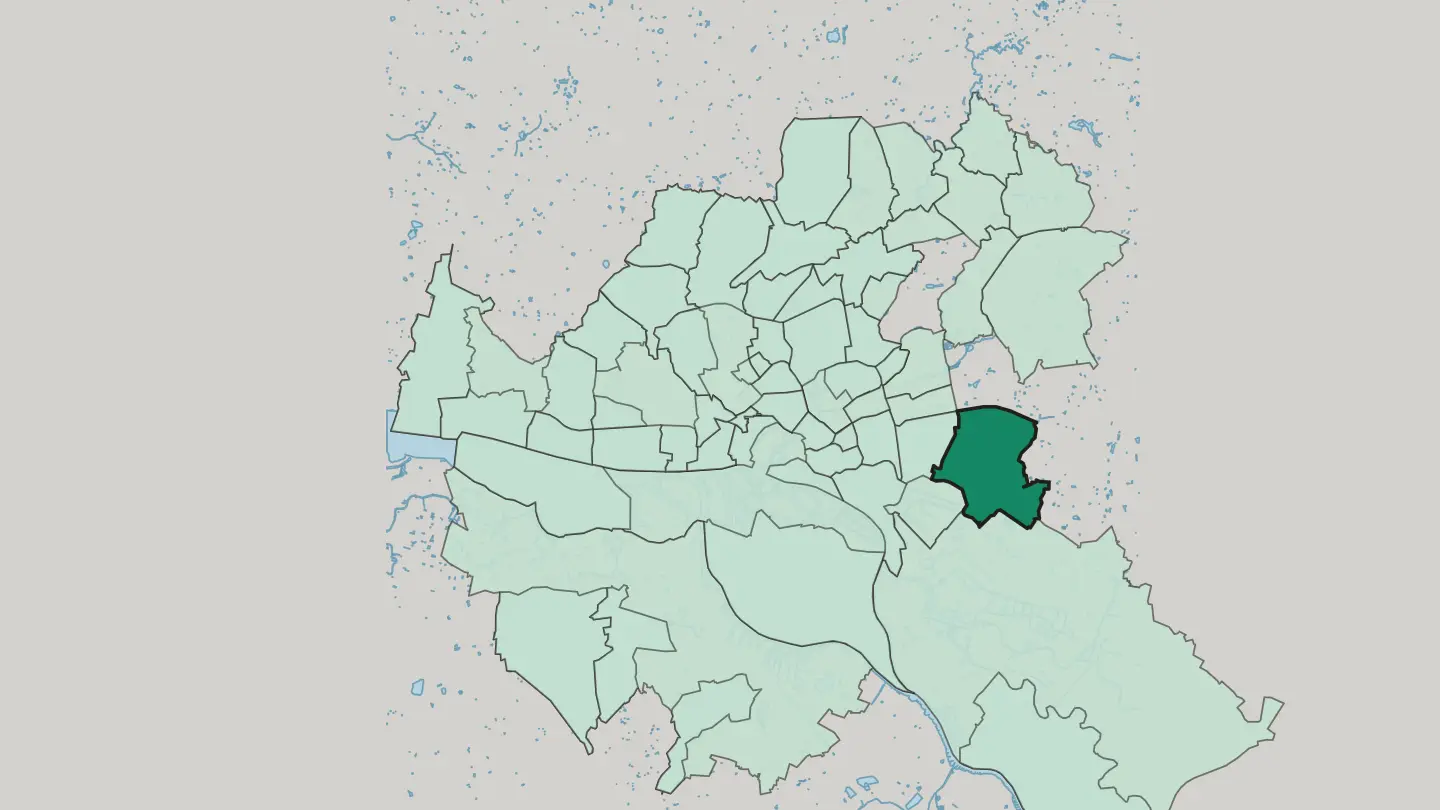
 HamburgGermany
Alsterdorf
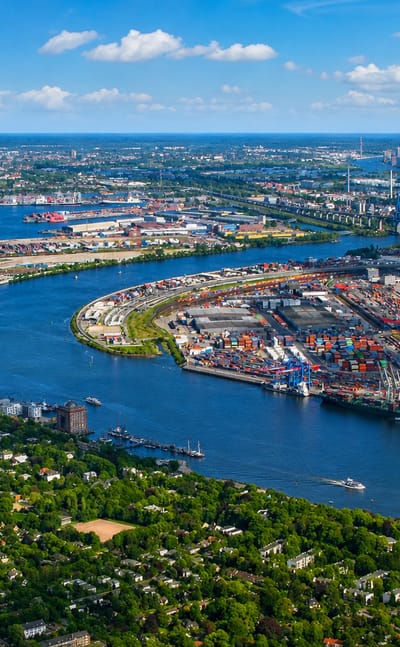
Alsterdorf is a Stadtteil of Hamburg in the Hamburg-Nord borough, named after the Alster, which flows through it from north-east to south-west.Where to stay →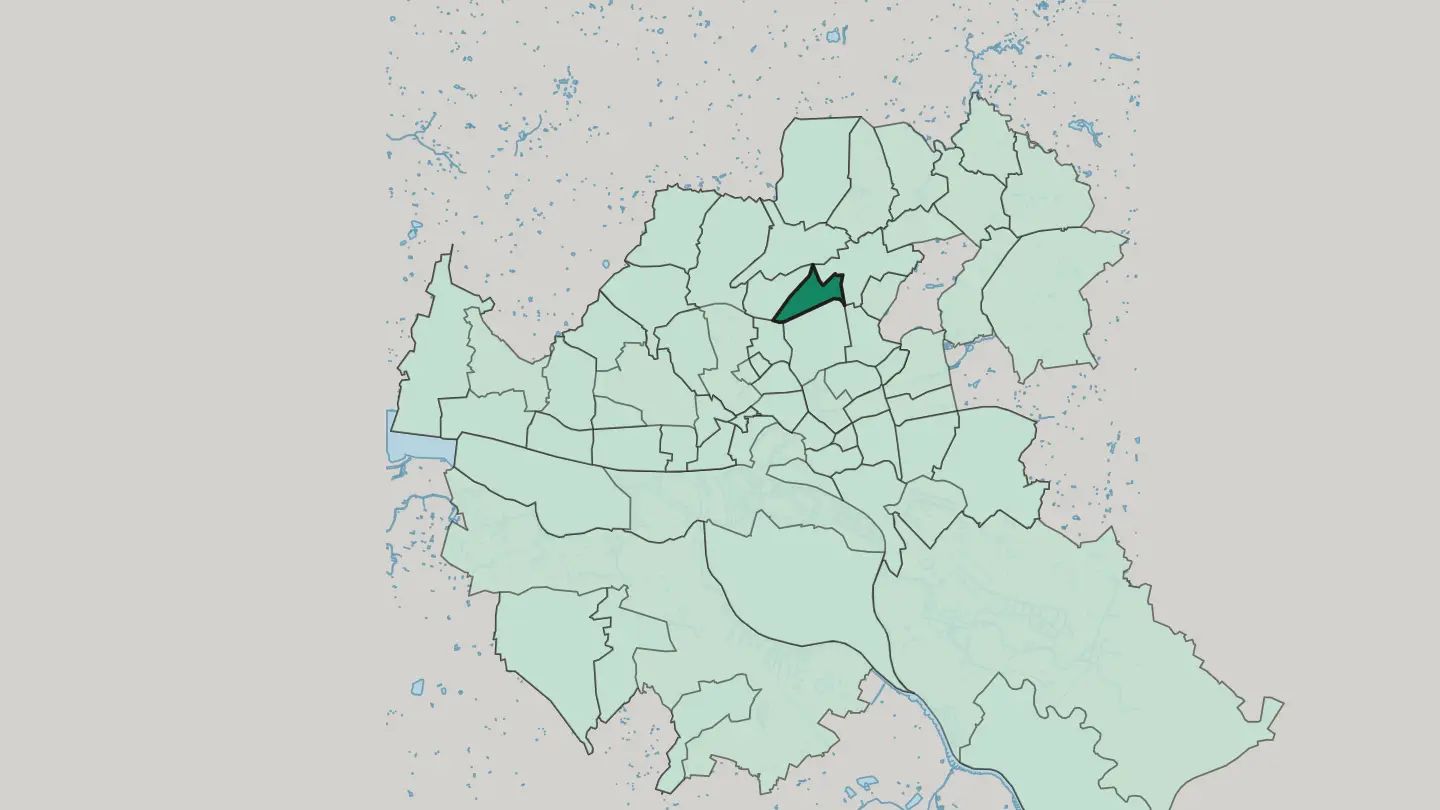
 HamburgGermany
Othmarschen
Othmarschen is a residential quarter of Hamburg, marked by the Ansgarkirche Griegstrasse and the calm streets gathered around it.Where to stay →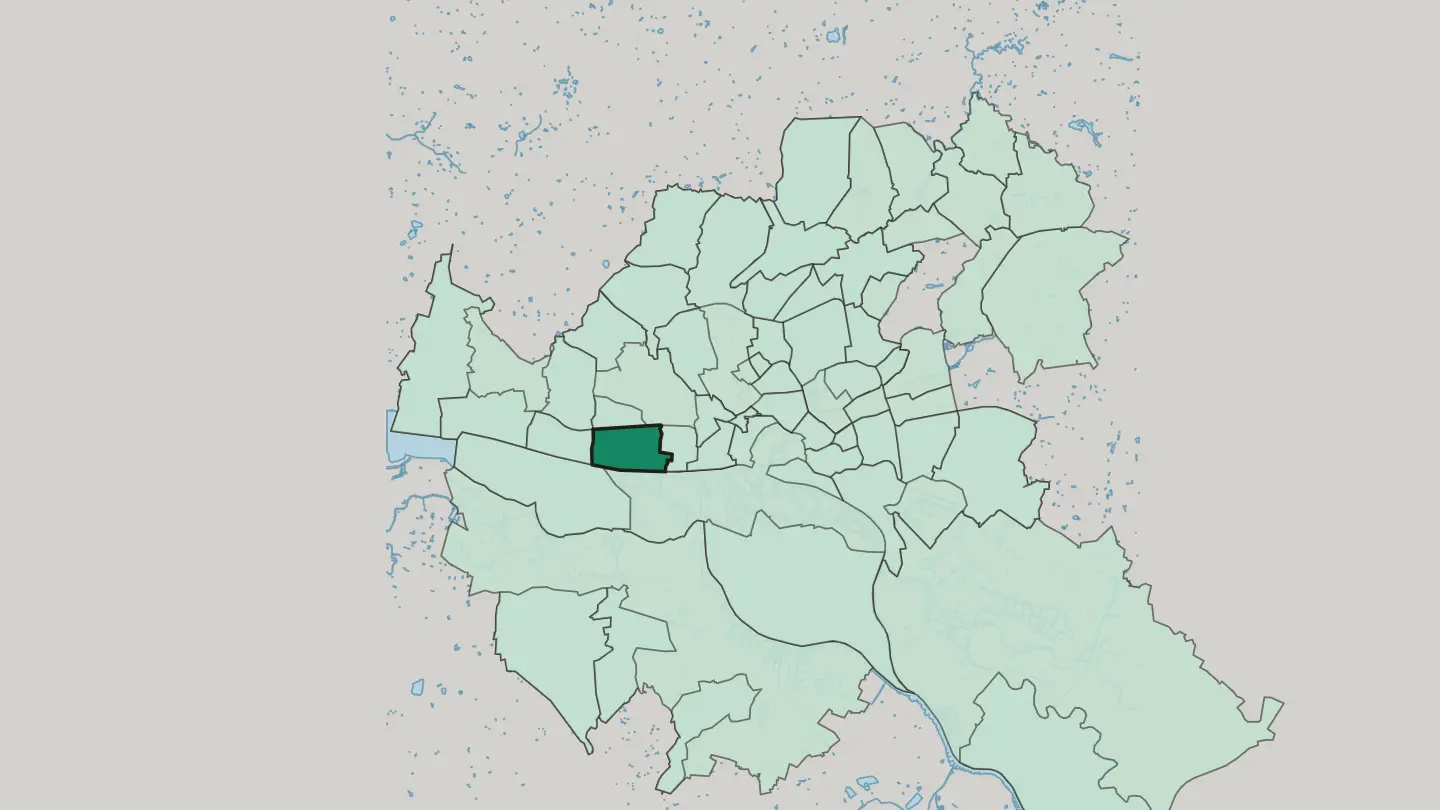
 HamburgGermany
Waltershof
Waltershof, a quarter of the Hamburg-Mitte borough, forms part of the Port of Hamburg inside the Free and Hanseatic city of Hamburg.Where to stay → HamburgGermany
Groß Borstel
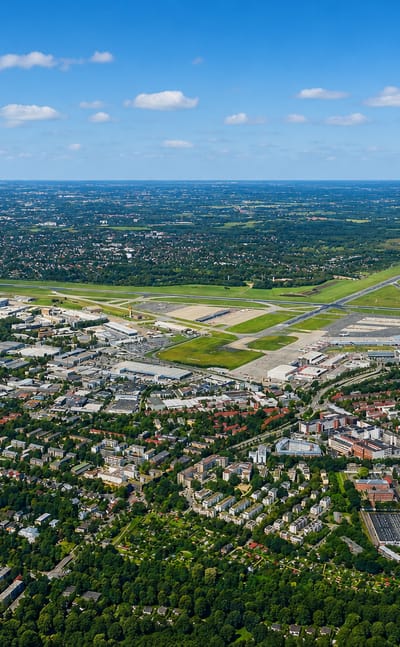
Groß Borstel is a residential district of Hamburg, Germany, gathered around the church of St. Peter.Where to stay →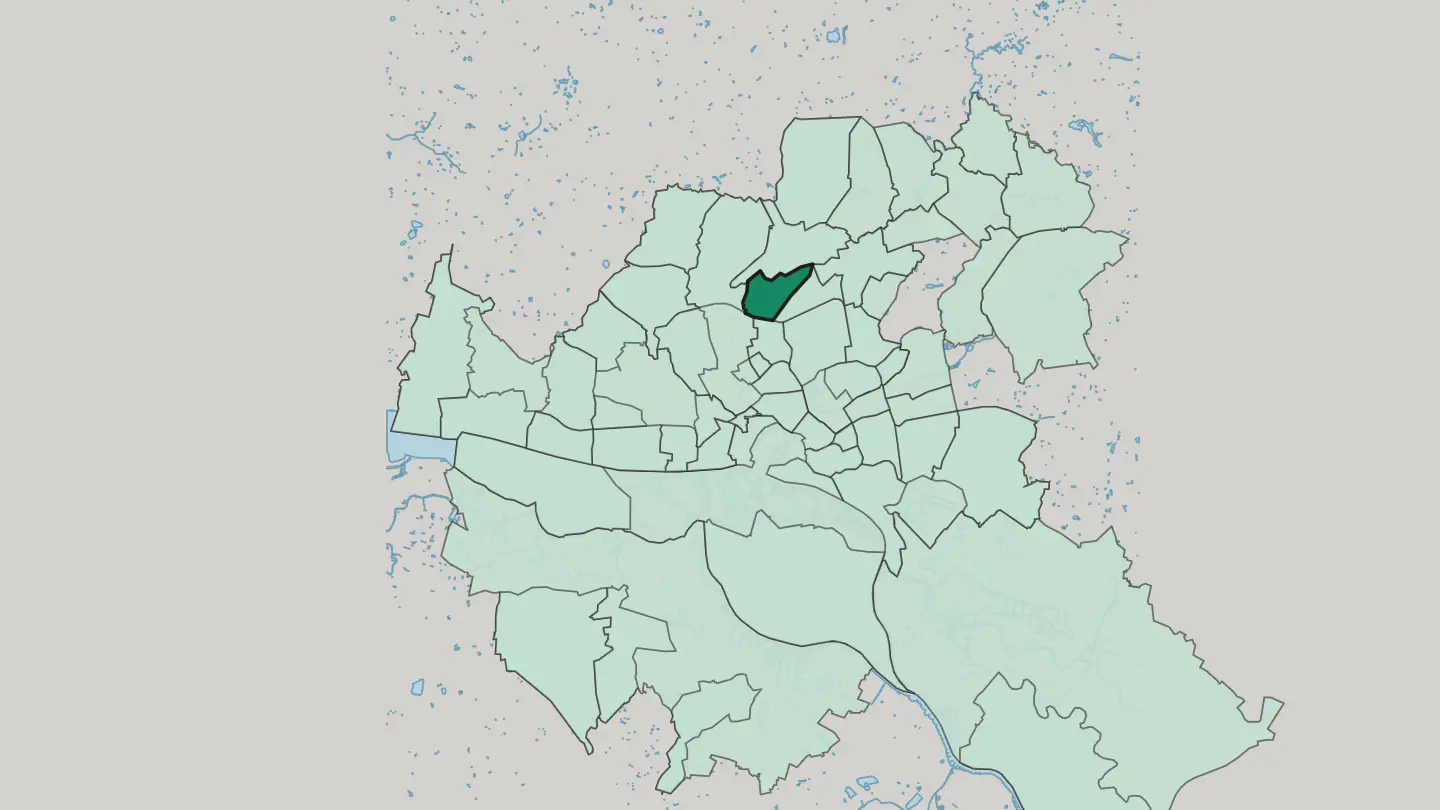
 HamburgGermany
Hamburg-Nord
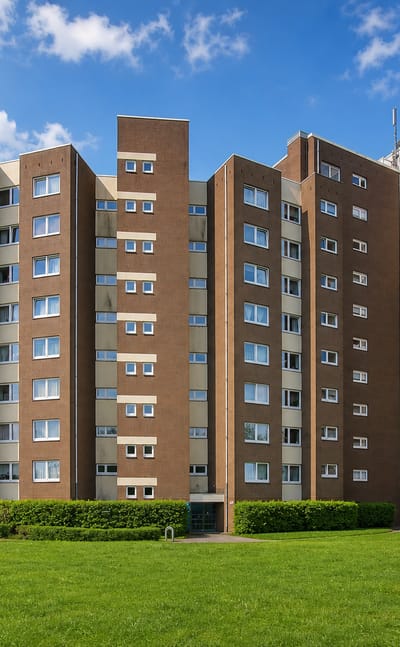
The Außenalster forms the waterfront of Hamburg-Nord, a borough of Hamburg in Germany known for the Ohlsdorf Cemetery.Where to stay →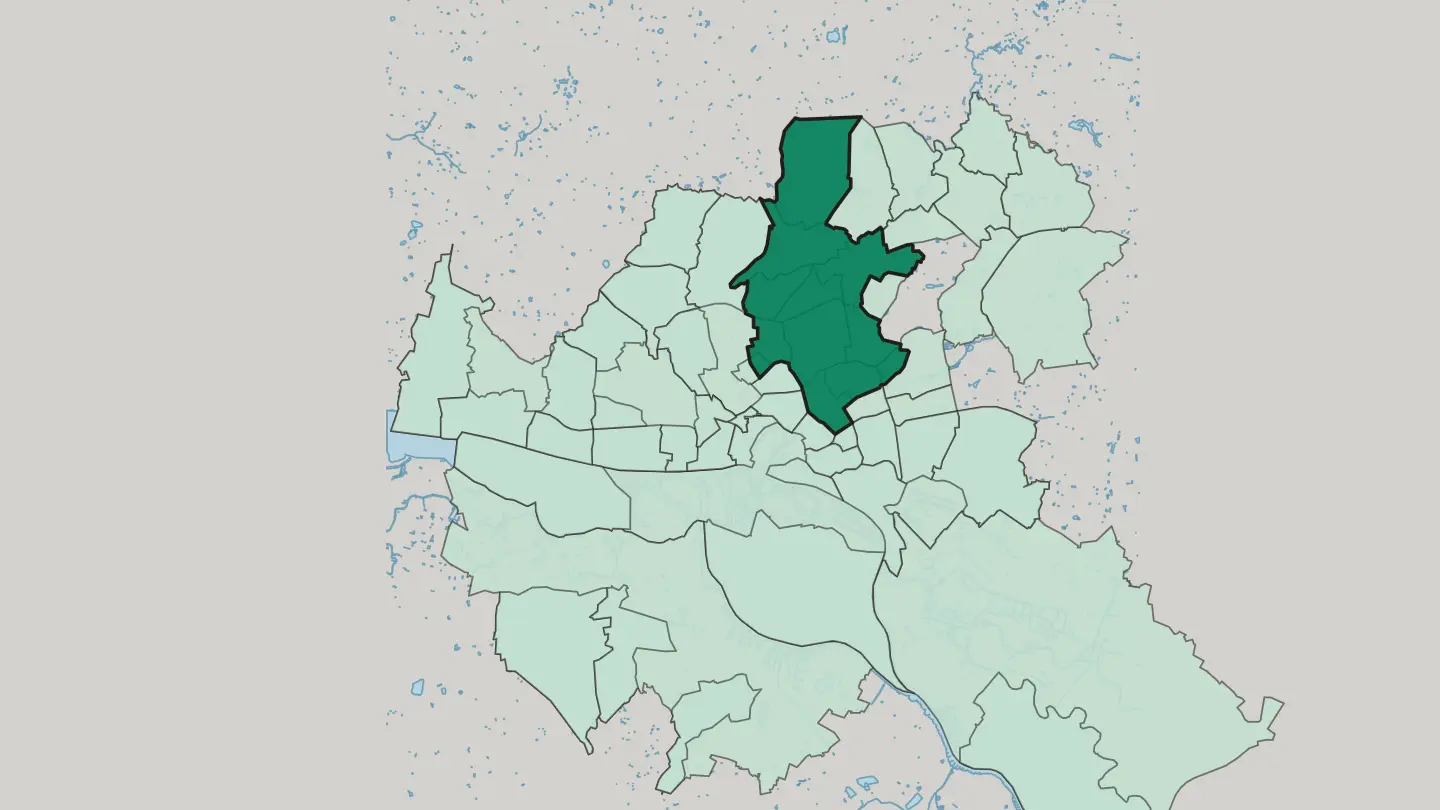
 HamburgGermany
Steilshoop
Steilshoop is a residential quarter of Hamburg, Germany, laid out around the St. Gabrielskirche and the Martin-Luther-King-Church.Where to stay →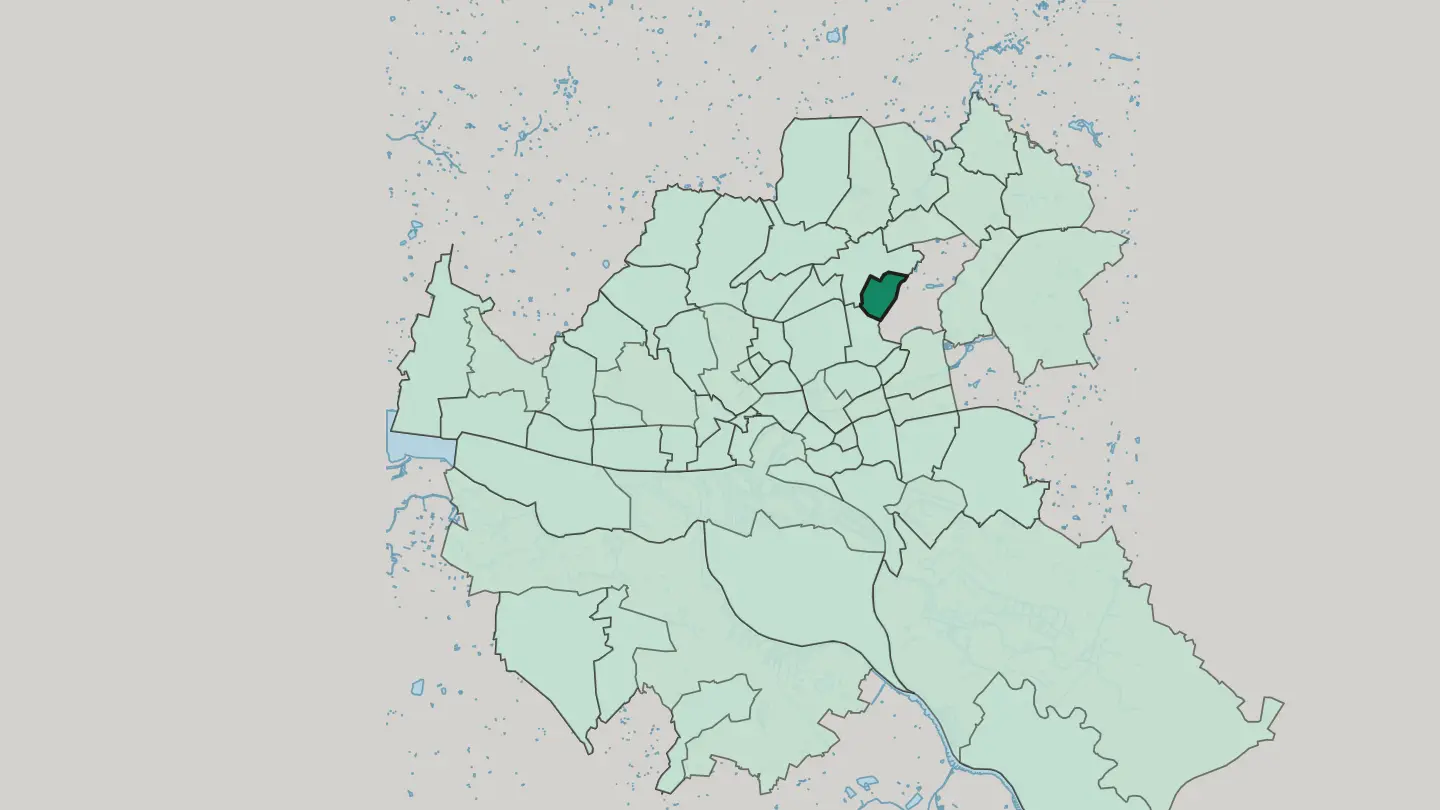
 HamburgGermany
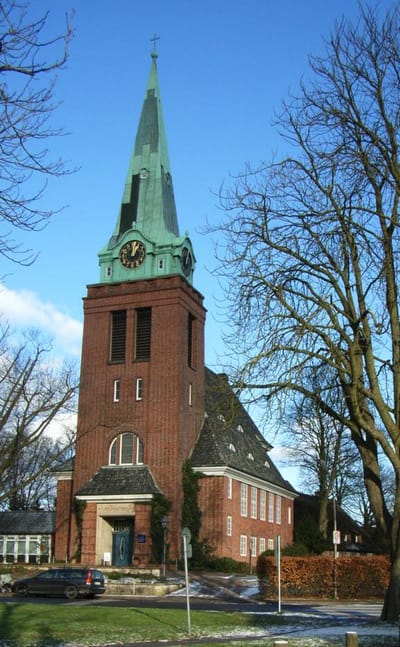
Niendorf
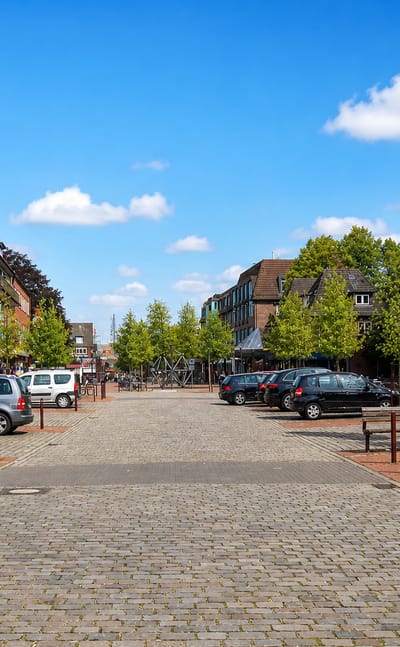
Niendorf is a quarter of Hamburg, its streets marked by the Verheißungskirche and the old Church in Hamburg-Niendorf.Where to stay →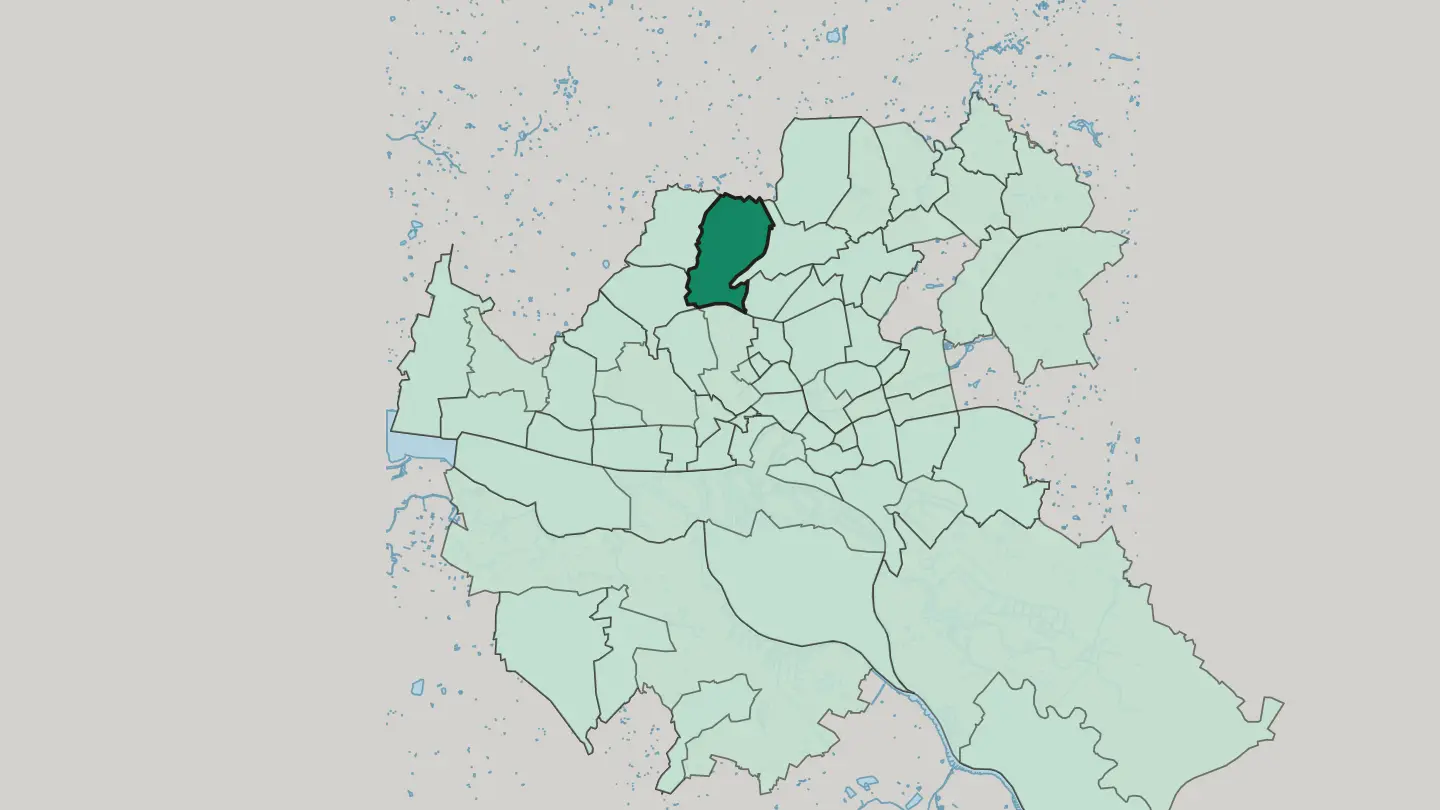
 HamburgGermany
Groß Flottbek
Groß Flottbek is a residential district in the west of Hamburg, set around the Ernst Barlach House and the Groß Flottbeker Kirche.Where to stay →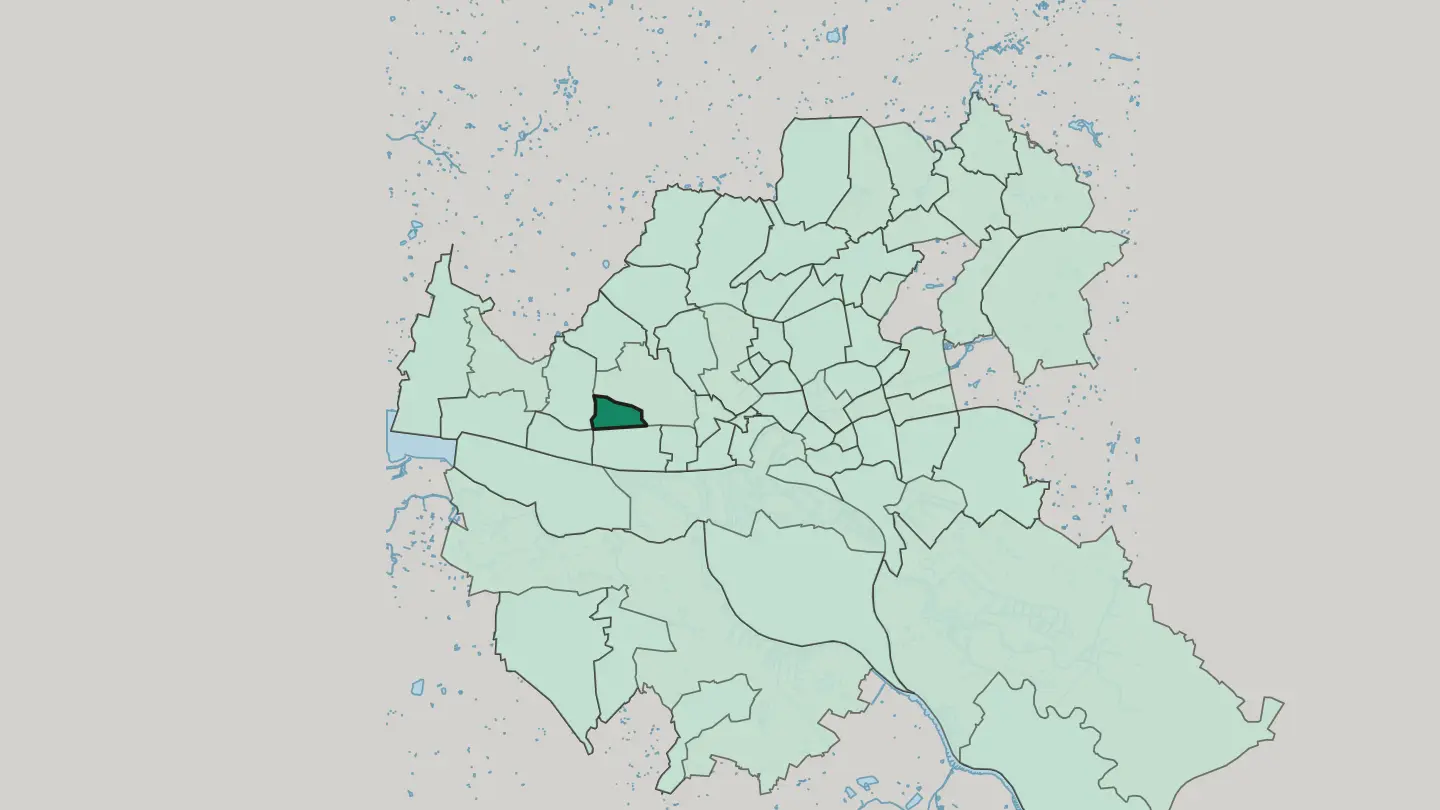 HamburgGermany
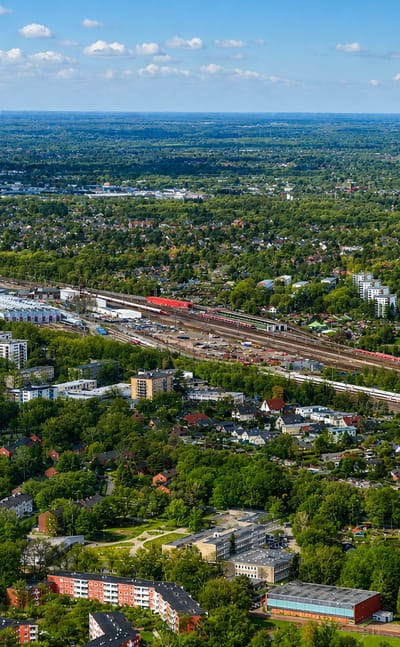
Ohlsdorf
Ohlsdorf is a district of Hamburg built around the vast cemetery grounds of Friedhof Ohlsdorf, its quiet lanes lined with chapels and memorials.Where to stay →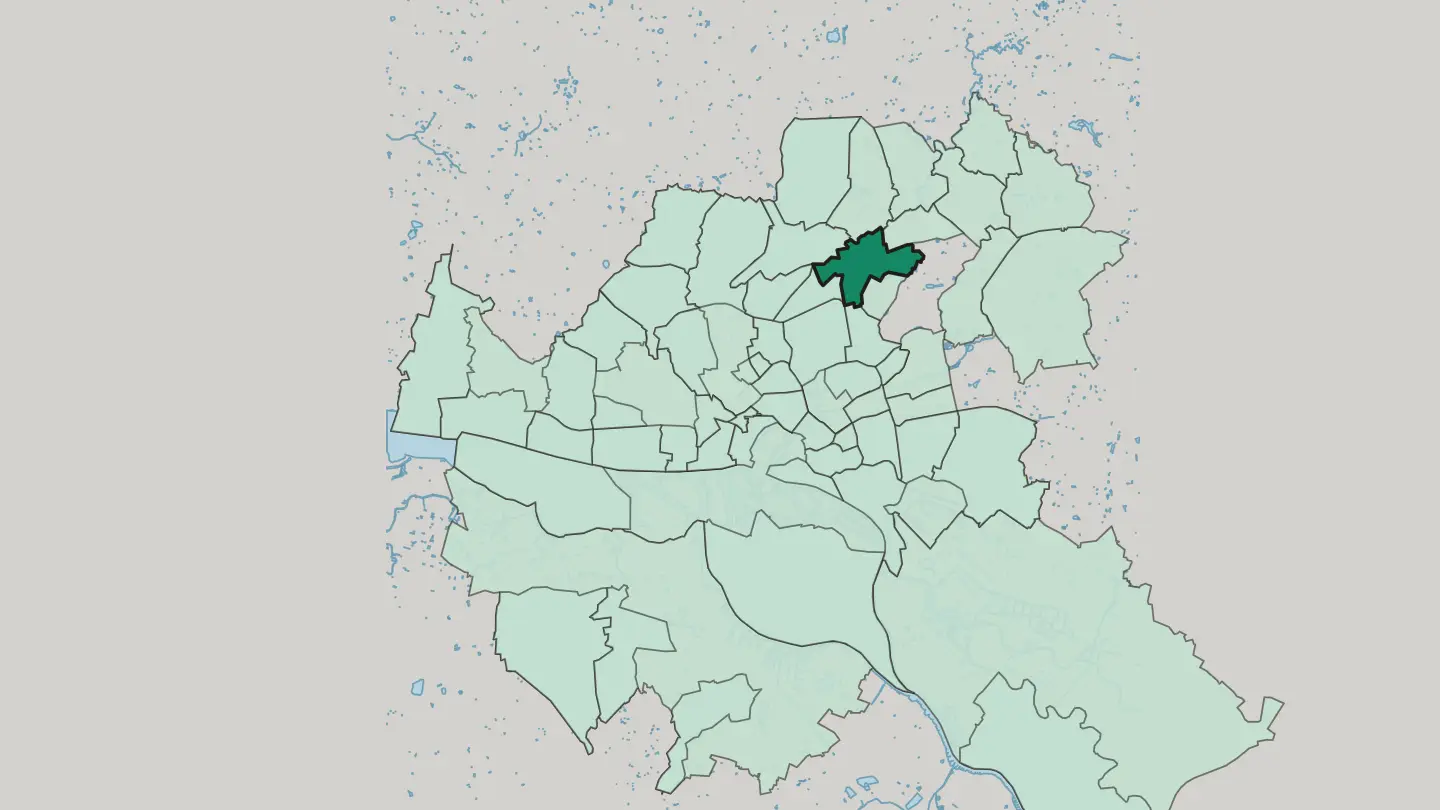
 HamburgGermany
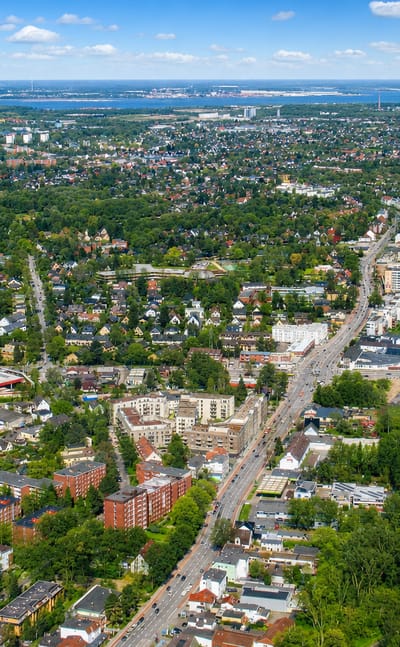
Eidelstedt
A market square anchors Eidelstedt, a broad quarter of Hamburg in Germany set around the Museum am Markt Eidelstedt and the Elbgaukirche.Where to stay →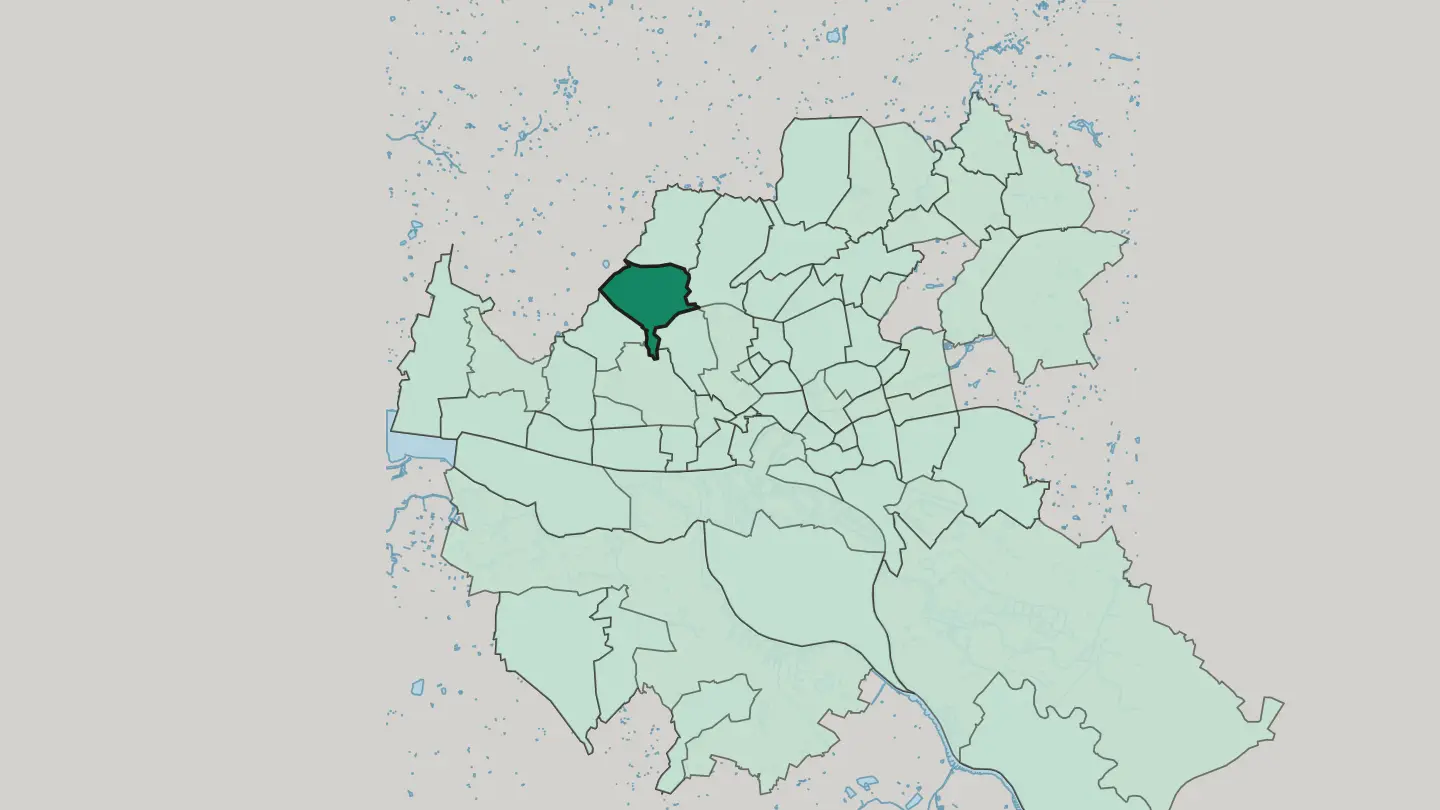
 HamburgGermany
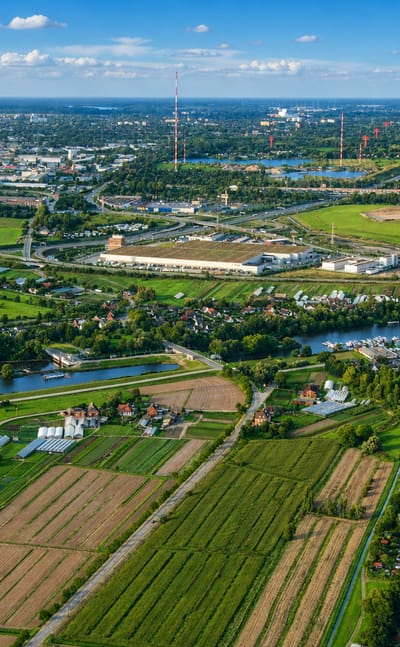
Lurup
Lurup is a quarter of Hamburg in the Altona district, its streets holding the Kirche zu den Zwölf Aposteln.Where to stay →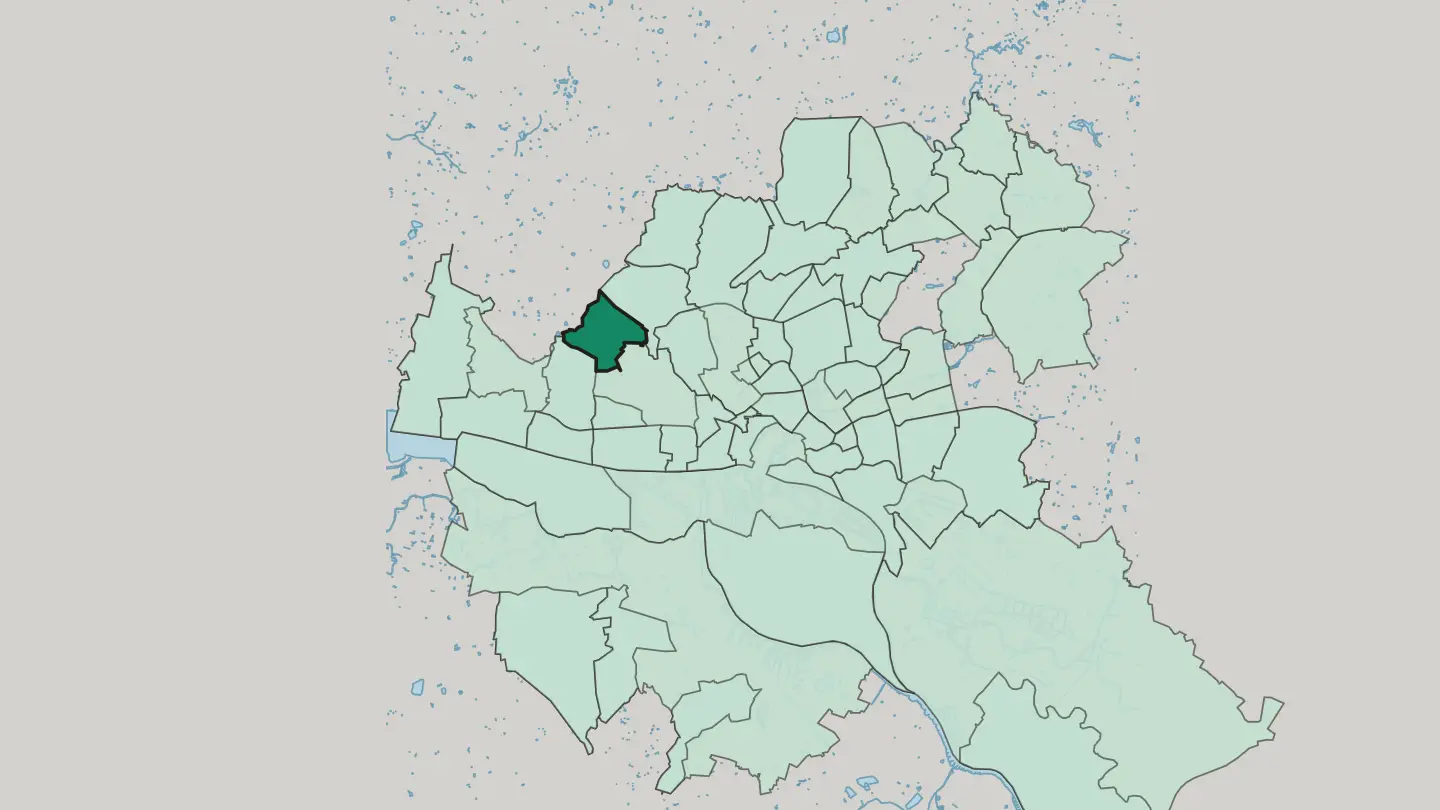
 HamburgGermany
Tatenberg
Tatenberg is a Stadtteil of Hamburg in the Bergedorf district, first recorded in 1315 as Tadekenberghe on the marshland south of the Bille.Where to stay → HamburgGermany
Finkenwerder
Finkenwerder is a quarter of Hamburg, Germany, marked by the Gorch Fock Haus, a museum carrying the name of Gorch Fock.Where to stay →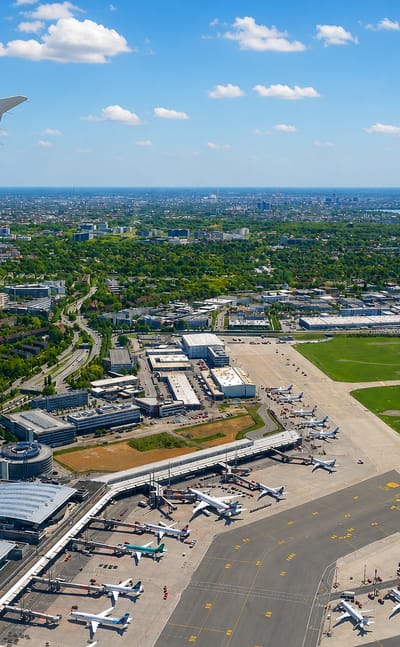 HamburgGermany
Fuhlsbüttel
Fuhlsbüttel is a quarter of Hamburg, marked by the Eitner Haus and the Heinrich Traun memorial among its streets.Where to stay →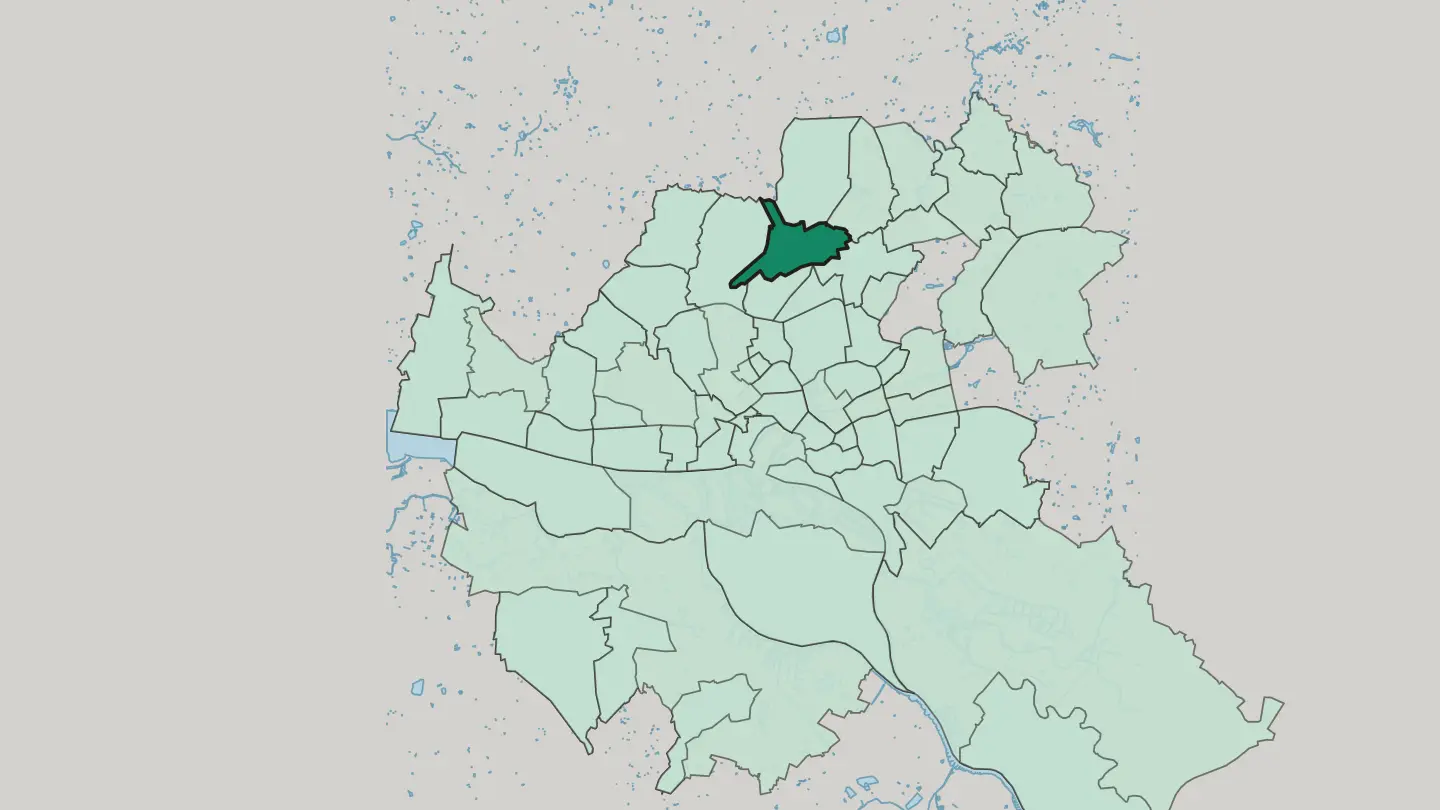
 HamburgGermany
Harburg
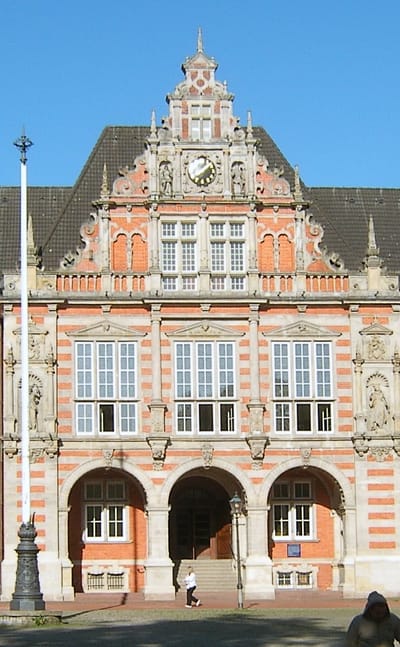
Harburg is a borough of Hamburg, Germany, holding the Helms-Museum and the Sammlung Falckenberg art collection.Where to stay →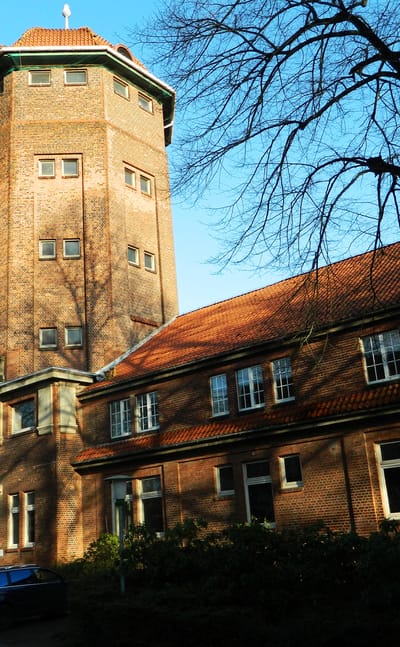 HamburgGermany
Farmsen-Berne
Farmsen-Berne is a quarter of Hamburg in the borough of Wandsbek, pairing the Farmsen and Berne neighbourhoods of the Walddörfer.Where to stay →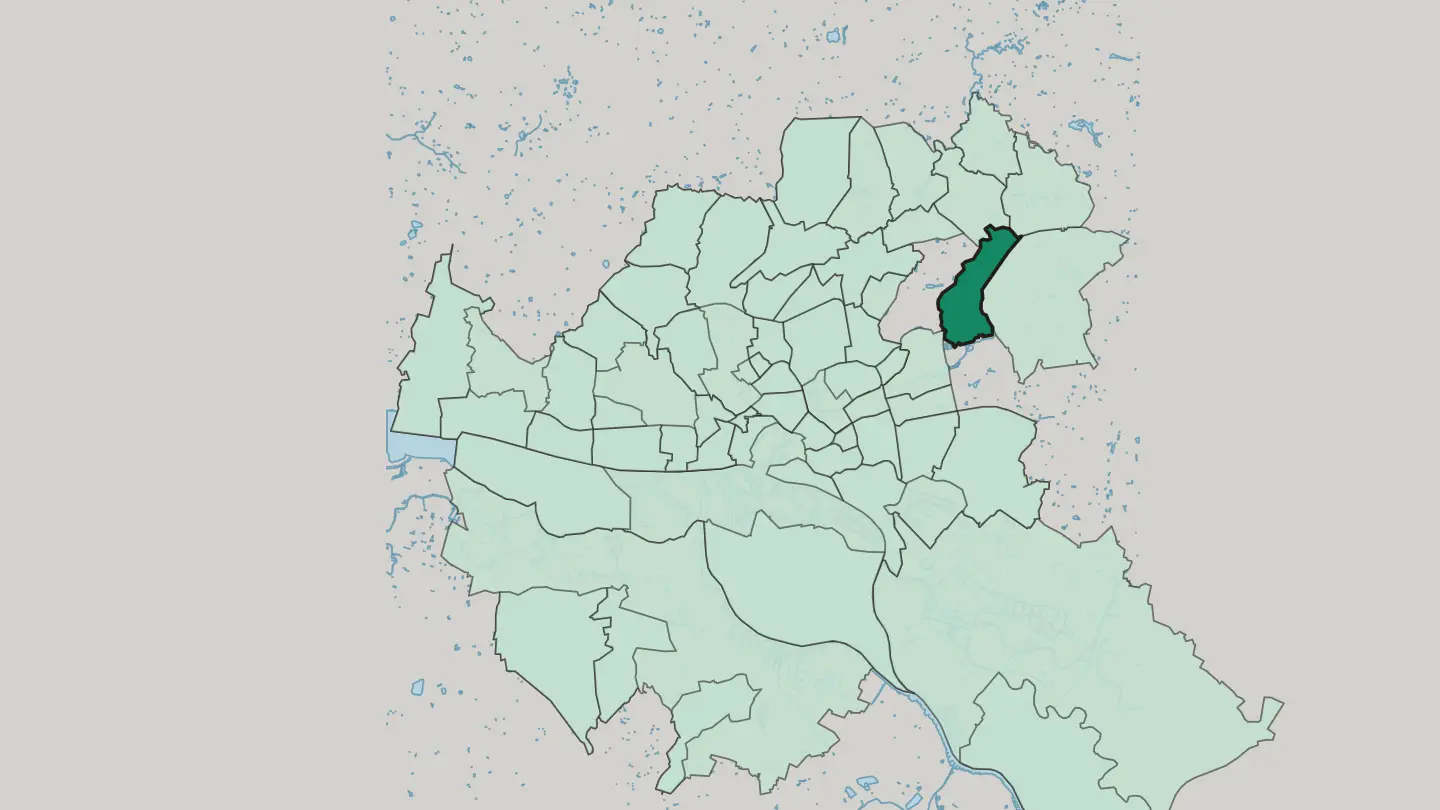
 HamburgGermany
Nienstedten
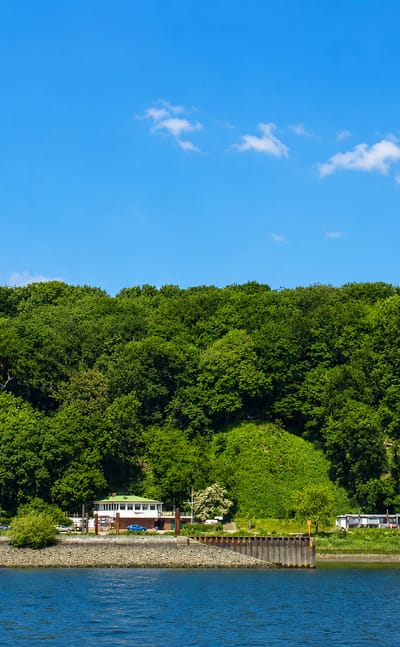
Nienstedten is a quiet residential quarter of Hamburg, known for the old Church Nienstedten and the great villa of the Jenisch House.Where to stay → HamburgGermany
Osdorf
Osdorf is a residential quarter of Hamburg, Germany, a spread of low houses and garden plots around the Michaels-Kirche.Where to stay →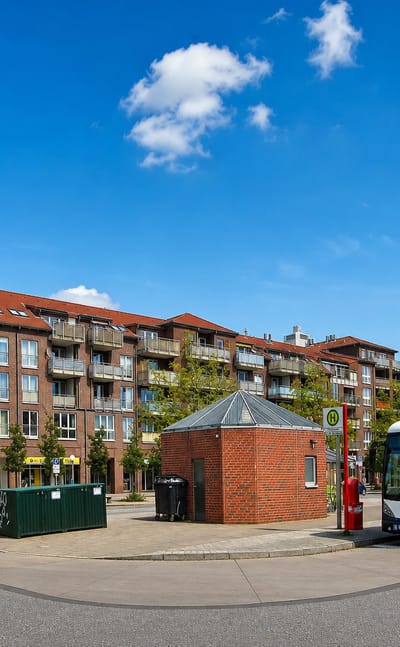 HamburgGermany
Schnelsen
Schnelsen is a residential quarter of Hamburg, its streets marked by the Adventskirche and the Kirche am Albertinenkrankenhaus.Where to stay →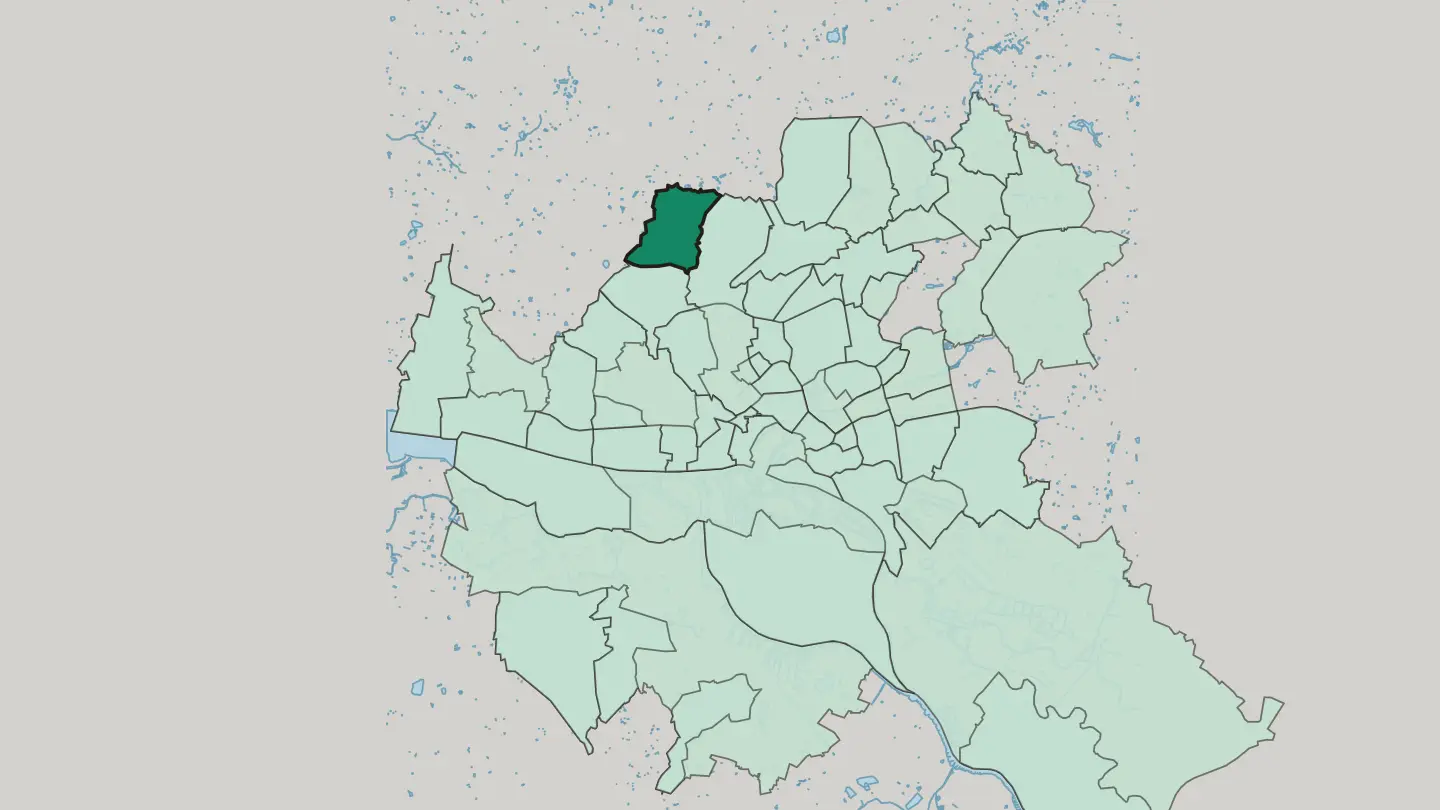
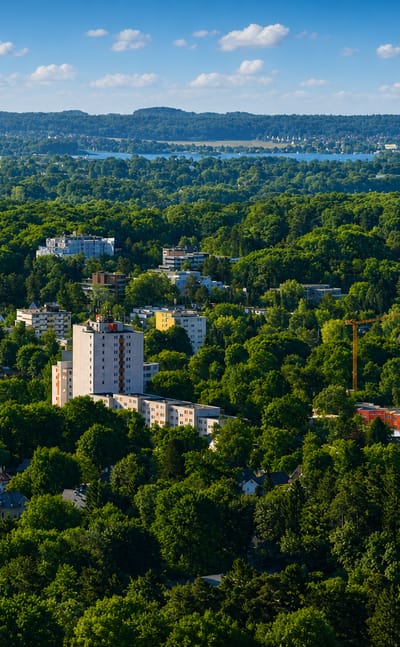 HamburgGermany
Eißendorf
Eißendorf is a quarter of Hamburg in the borough of Harburg, gathered around the Apostelkirche and the Lutherkirche.Where to stay →HamburgGermany
Hummelsbüttel
Hummelsbüttel is a quarter of Hamburg, its streets gathered around the Christophorus-Kirche and the Eitner Haus museum.Where to stay →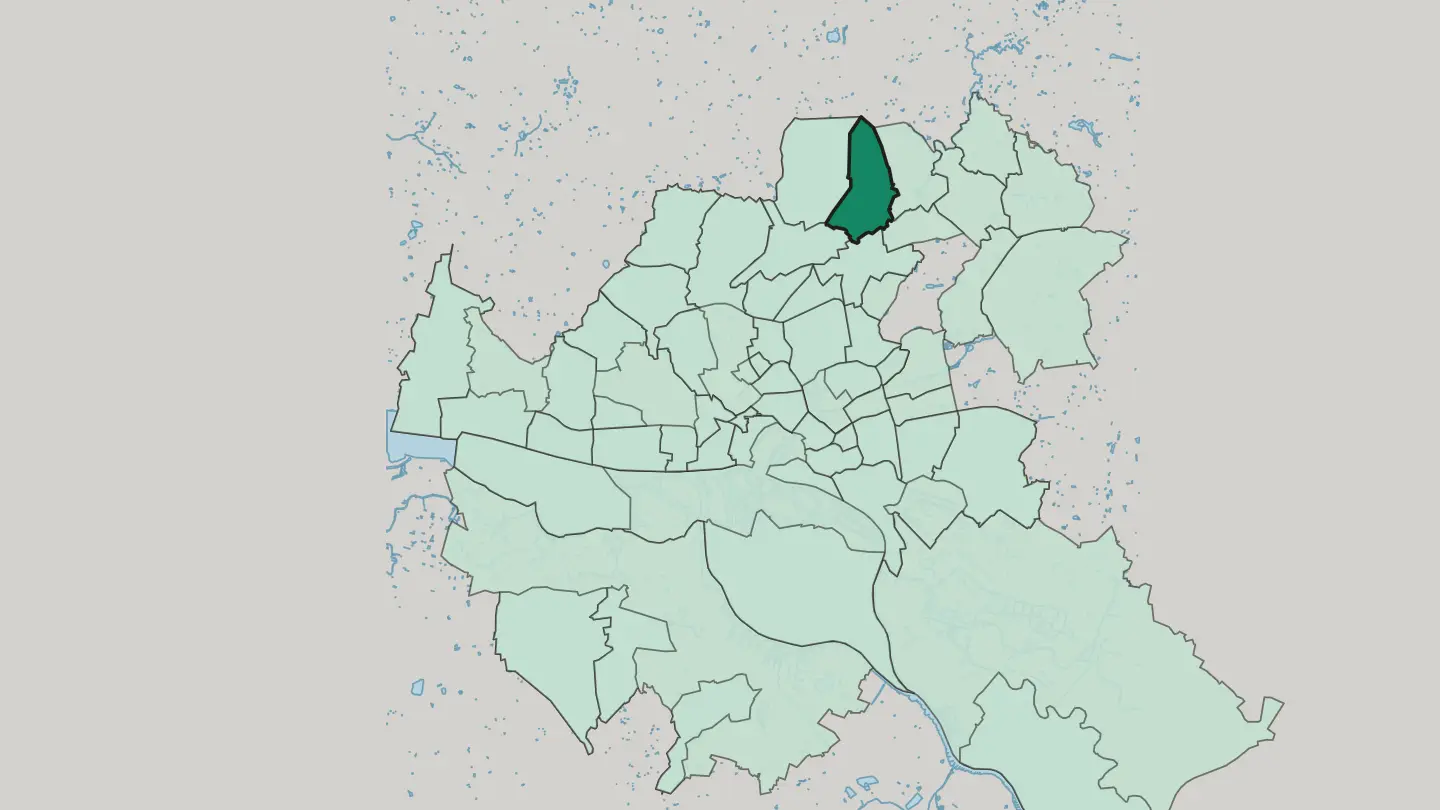 HamburgGermany
Rahlstedt
Rahlstedt is a broad residential quarter of Hamburg in the Wandsbek borough, gathered around the old core of Alt-Rahlstedt and Oldenfelde.Where to stay →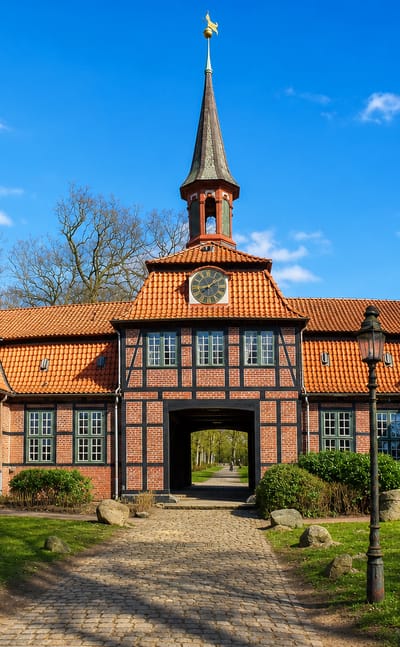 HamburgGermany
Wellingsbüttel
Quiet villa streets fill Wellingsbüttel, a residential district of Hamburg in the Alstertal, marked by the Luther church and the Alstertal-Museum.Where to stay →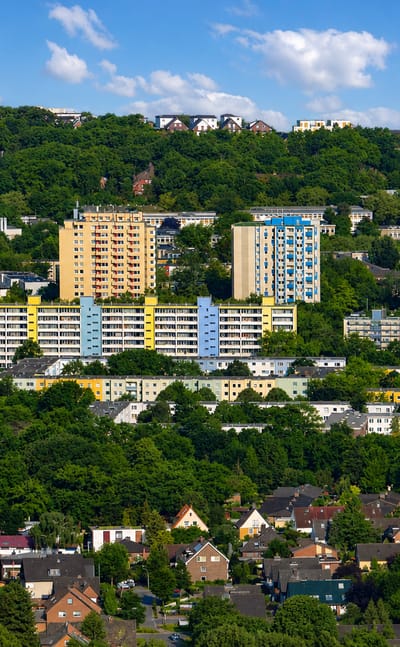 HamburgGermany
Hausbruch
The Thomaskirche stands over Hausbruch, a quarter of Hamburg in Germany within the Harburg borough, first noted in 1553.Where to stay →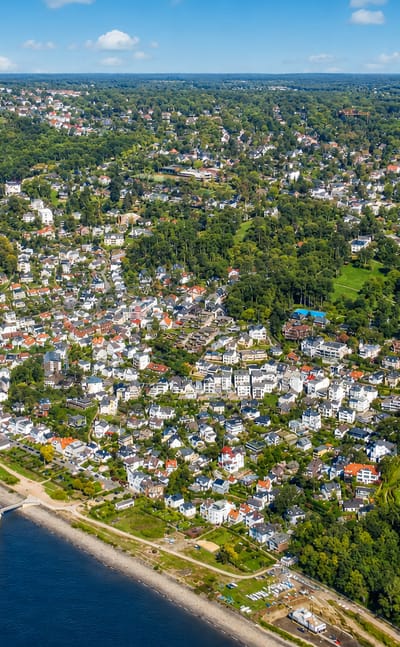 HamburgGermany
Blankenese
Blankenese climbs from the Elbe below the Burg auf dem Süllberg, a suburban quarter in Hamburg's Altona borough.Where to stay → HamburgGermany
Langenhorn
Langenhorn is a residential quarter of the Hamburg-Nord borough, its streets marked by parish churches like the Ansgarkirche and the Broder-Hinrick-Kirche.Where to stay → HamburgGermany
Poppenbüttel
Poppenbüttel is a quarter of Hamburg in the borough of Wandsbek, strung along the green Alstertal.Where to stay → HamburgGermany
Sasel
Sasel is a quiet residential quarter of Hamburg in the Alstertal, the valley of the Alster, gathered around the Vicelinkirche.Where to stay →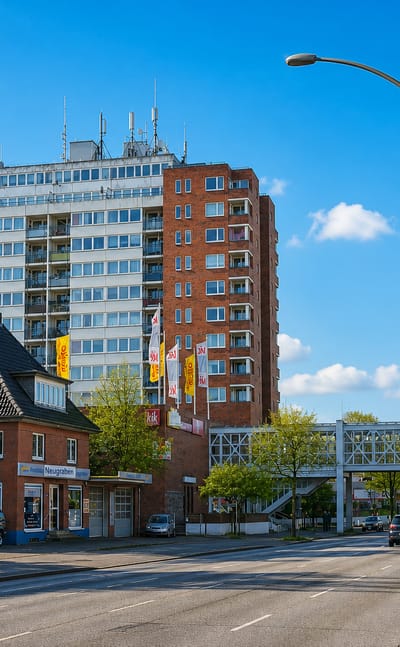 HamburgGermany
Neugraben-Fischbek
Church towers rise over Neugraben-Fischbek, a quarter of Hamburg in Germany that joins the old villages of Neugraben and Fischbek.Where to stay → HamburgGermany
Volksdorf
Volksdorf is a village-like quarter of Hamburg, Germany, built around the Museumsdorf Volksdorf and the Holy Cross Church Volksdorf.Where to stay →HamburgGermanyBergstedt
Bergstedt is a quiet residential quarter of Hamburg, Germany, a settlement gathered around the old Bergstedter Kirche.Where to stay →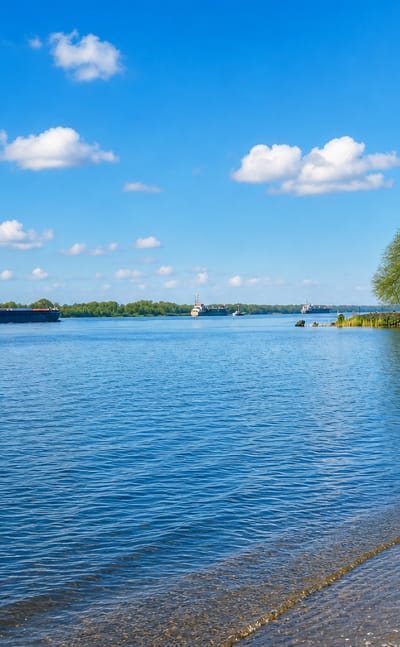 HamburgGermany
Rissen
Rissen is the westernmost Stadtteil of Hamburg apart from the island of Neuwerk, in the Altona borough and one of the Elbvororte.Where to stay →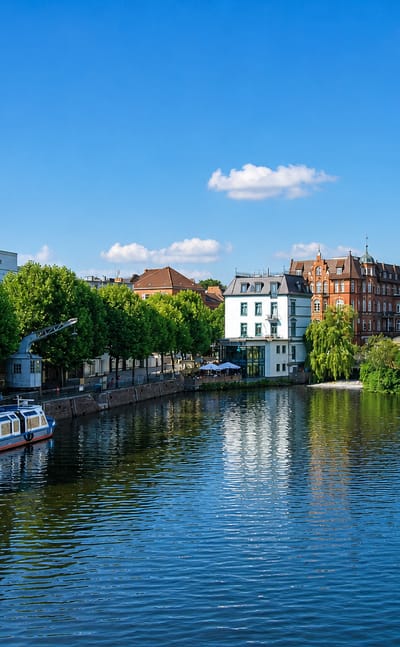 HamburgGermany
Bergedorf
Bergedorf is a large district of Hamburg, tied to the Vierlande and marked by its old Bismarck-Kaserne and water tower.Where to stay → HamburgGermany
Kirchwerder
Kirchwerder is a broad rural quarter of Hamburg, its scattered village heart set around the old church of St. Severini.Where to stay →Hotel links are affiliate links: booking through them may earn us a commission, at no extra cost to you. It never affects how places are ranked. How this works
Find hotels in Hamburg
Direct booking searches for these neighbourhoods.
The Alster basin
the Außenalster opens its lake beside the centre of Hamburg with the Hamburger Kunsthalle a short walk offFind hotels in The Alster basintravellers who want the port, the ships, and the warehousesThe harbour quarter on the Elbe
the waterfront by the Port of Hamburg gathers the International Maritime Museum Hamburg, the Rickmer Rickmers, and Miniatur WunderlandFind hotels in The harbour quarter on the Elbethose who want water on both sides within one walkBetween the Elbe and the Alster
the central streets sit between the Elbe and the Alster with the Deichtorhallen and the Museum für Hamburgische Geschichte close by. Lodging is scarce in this area; reserve in advance.Find hotels in Between the Elbe and the AlsterHotel links are affiliate links: booking through them may earn us a commission, at no extra cost to you. It never affects how places are ranked. How this works
Things to do in Hamburg
Ranked by global recognition; descriptions from Wikidata (CC0).
Museums & Galleries
8- Hamburger Kunsthalle Heritage
- Grocers' Apartments Heritage
- Museum of Art and Crafts Hamburg Heritage
- Deichtorhallen Heritage
- Jenisch House Heritage
Show 3 more →
- Altonaer Museum Heritage
- Museumsdorf Volksdorf Heritage
- Heine Haus (Hamburg, Germany) Heritage
Churches & Religious Sites
8- St. Michaelis Church, Hamburg Heritage
- Islamic Centre Hamburg Heritage
- Domkirche St. Marien Heritage
- St. Peter’s Church Heritage
- St. Nikolai (Hamburg-Harvestehude) Heritage
Show 3 more →
- St. James' Church Heritage
- St.-Pauli-Kirche Heritage
- Kapernaumkirche Heritage
Castles & Historic Sites
6- Monument to the X-ray and Radium Martyrs of All Nations Heritage
- Kaiser-Wilhelm-Denkmal, Hamburg Heritage
- Lessing-Denkmal Heritage
- Wandesburg Heritage
- Gedenkstein für die Erhebung Schleswig-Holsteins Heritage
Show 1 more →
- Kriegerdenkmal Sportplatzring Heritage
Nature & Outdoors
1- Ohlsdorf Cemetery Heritage
Stadiums & Sports
3- Alsterdorfer Sporthalle Heritage
- Jahnkampfbahn
- Sporthalle Wandsbek
Landmarks & Notable Places
8- Museum für Hamburgische Geschichte Heritage
- Schanzenturm Heritage
- Hamburg Museum of Work Heritage
- Warburg Haus, Hamburg Heritage
- Wasserturm Hamburg-Winterhude Heritage
Show 3 more →
- Hamburg-Rothenburgsort water tower Heritage
- Australhaus Heritage
- Heilwigstrasse 118, Haus Rambatz Heritage
worth knowingacross 6 categories in Hamburg
About Hamburg
What is Hamburg known for?
Hamburg is known for its port and its water, a Hanseatic city built where the Elbe opens toward the North Sea. The harbour defines it. The Port of Hamburg spreads along the Elbe as Germany's largest, while the Außenalster holds its lake at the centre and the Hamburger Kunsthalle, the International Maritime Museum Hamburg, and Miniatur Wunderland draw the crowds inland.
What are the main landmarks in Hamburg?
Hamburg keeps its landmarks between the harbour and the Alster. Ships and the port come first. The International Maritime Museum Hamburg and the museum ship Rickmer Rickmers tell the sea story, Miniatur Wunderland lays out its model world by the warehouses, and the Hamburger Kunsthalle gathers the painting.
The Museum für Hamburgische Geschichte, the Deichtorhallen, and the Bucerius Kunst Forum carry the rest, while the Außenalster opens its lake at the heart of the city.
What is the history of Hamburg?
Hamburg grew from a medieval settlement on the Elbe into one of the great ports of the North Sea. The river carried its fortune. Its name still names the Hanseatic League, the trading network that made the city a power along the northern coasts, and for centuries Hamburg held the standing of a de facto independent city-state.
Trade built everything here. The Port of Hamburg spread along the Elbe as the city's engine, sending ships down the estuary to the North Sea and beyond. Many once sailed from it.
The emigration halls remembered at BallinStadt sent emigrants overseas from these quays, while the warehouses of the harbour stored the goods of the world. Hamburg kept its own laws as a city-state, and it remains one of Germany's three, alongside Berlin and Bremen, a self-governing land on the lower Elbe.
Where is Hamburg?
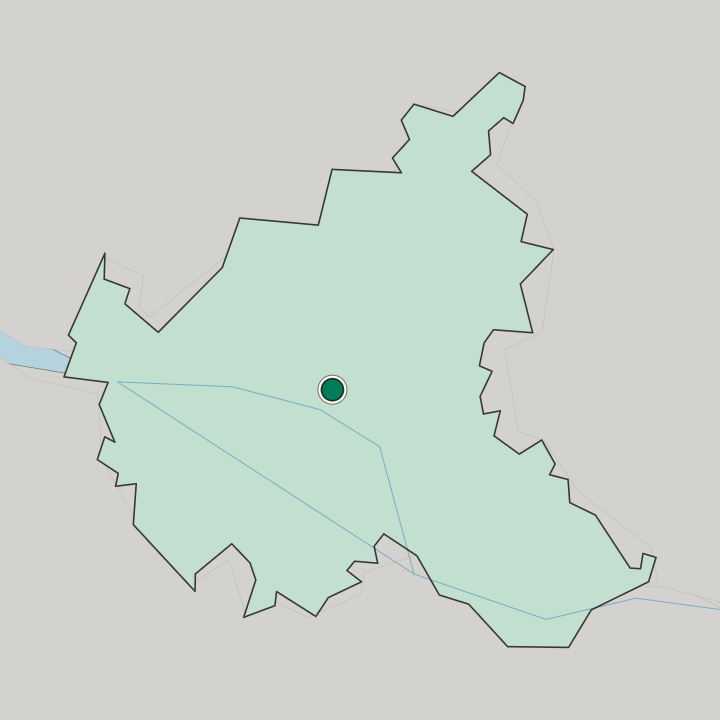
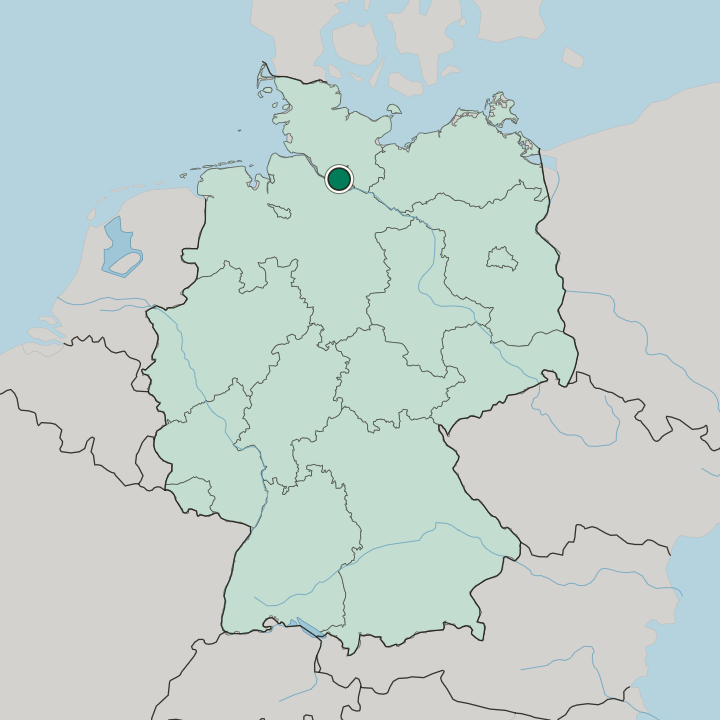
Hamburg stands on the River Elbe, over a hundred kilometres upstream from the North Sea. The Elbe runs through it. The city fills the low ground where the Alster and the Bille join the river, its harbour spreading along the water, hemmed by Schleswig-Holstein to the north and Lower Saxony to the south.
Flat marsh and river shape it all.
What is the climate of Hamburg?
Hamburg keeps a cool, maritime climate off the North Sea and the tidal reach of the Elbe. Wind and rain are common. Its winters run damp and grey rather than hard, while its summers stay mild and changeable, with weather that shifts quickly over the harbour and the Alster of Hamburg.
How do you get to Hamburg?
Hamburg is one of the great transport hubs on the Elbe, reached by rail, road, sea, and air. Trains pour into the centre. Its main lines run down from Schleswig-Holstein and up from Lower Saxony, while the Elbe carries shipping through the Port of Hamburg to the North Sea, and the roads meet at the harbour city on the river.
Common questions
What is the best area to stay in Hamburg?
The Alster basin: first-time visitors who want the lakes and the city centre together. The harbour quarter on the Elbe: travellers who want the port, the ships, and the warehouses. Between the Elbe and the Alster: those who want water on both sides within one walk.
Good for
Updated October 2026